WASHINGTON, DC – US legislators and policymakers are intensifying their push to halt American companies’ investments in China’s critical technology sectors, arguing that such financial flows directly bolster Beijing’s military, and drawing stark lessons from Russia’s war in Ukraine for Taiwan’s future.
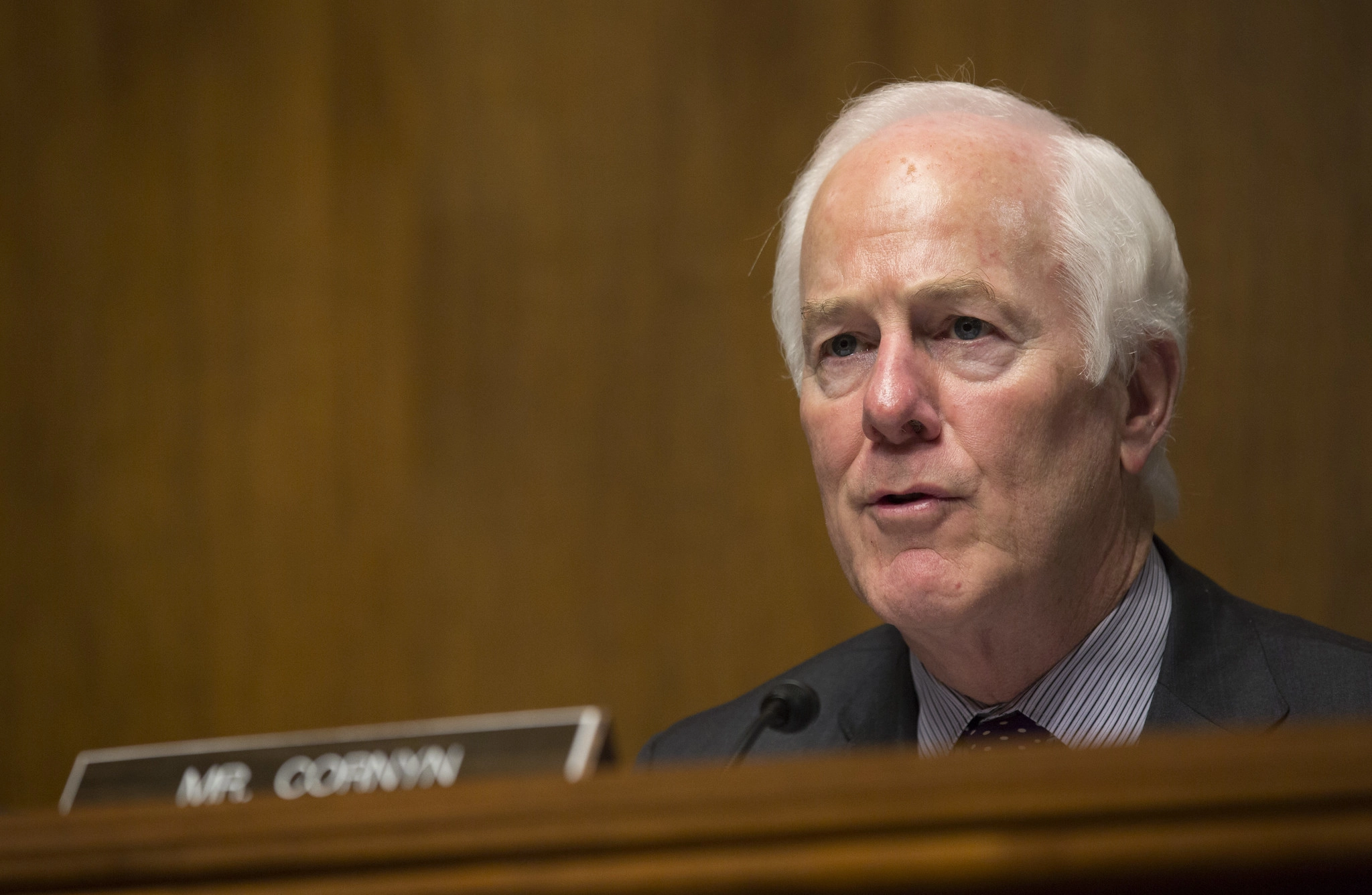
Senator John Cornyn (R-TX), a prominent Republican on national security, on Monday became the latest voice underscoring concerns that investments by US entities, particularly in semiconductors, quantum computing, and artificial intelligence, contribute to China’s military capabilities due to its “military-civilian fusion” policy.
JOIN US ON TELEGRAM
Follow our coverage of the war on the @Kyivpost_official.
He has pointed to nearly $2 billion in US investments in these Chinese sectors.
“How can we expect to outcompete or even catch up to Chinese companies if, unbeknownst to us, American dollars are continuing to fuel their rise economically and militarily?” Cornyn asked in his address on the Senate floor.
“We’re simply not being serious about confronting our greatest strategic adversary if we continue to be blind to the investment of billions of dollars and the very technologies that could be potentially used to kill American soldiers, sailors, airmen, and marines,” Cornyn said. The senator has consistently advocated for legislation, such as the “Foreign Investment Guardrails to Help Thwart (FIGHT) China Act,” aimed at prohibiting or requiring notification of US investments in certain Chinese technologies.
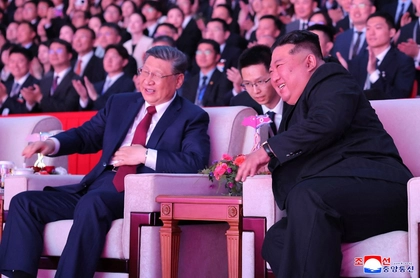
How Kim Jong Un Gained Leverage Over Beijing
He expressed frustration that similar bipartisan provisions have been stripped from previous defense bills. “I’m not willing to take no for an answer on something that is so critical to our national security. I will not quit,” he said.
Cornyn emphasized the urgency of the situation by directly linking it to the conflict in Ukraine. He asserted that Russia’s unprovoked invasion was “a message to the world that he will ignore the rights of a sovereign nation to get what he wants, no matter the human cost.”
He then added, “Authoritarian regimes like Russia and China threaten the universal ideals that bond democracies together, and it is imperative we stand united in our support for the Ukrainian people.”
He specifically highlighted that Chinese President Xi Jinping has reportedly instructed the People’s Liberation Army to be ready to “reincorporate Taiwan” by 2027.
Cornyn believes that China is closely watching the war in Ukraine, noting Ukraine’s successful resistance against a larger force as a potential deterrent for Beijing.
“If the US fails to support Ukraine in this pivotal moment, other authoritarian governments will take note... and it will also figure into China’s calculations when it comes to Taiwan,” Cornyn said,
He views American investments in China’s military-industrial complex as directly undermining efforts to deter such an action.
Cornyn’s statement came just days after former US Ambassador to China Nicholas Burns also echoed concerns about China’s economic power, stating that “we have underestimated the speed and strength of China on issues like economic coercion,” particularly highlighting China’s outsized influence over critical mineral supply chains.
Speaking at the Aspen Security Forum last week Burns also suggested that Ukraine’s experience, combined with Taiwan’s initiatives to expand its drone and missile manufacturing, “has to give, in my judgment, them pause, and that’s a good thing.”
He affirmed that delivering defensive arms to Taiwan remains a consistent American policy.
You can also highlight the text and press Ctrl + Enter