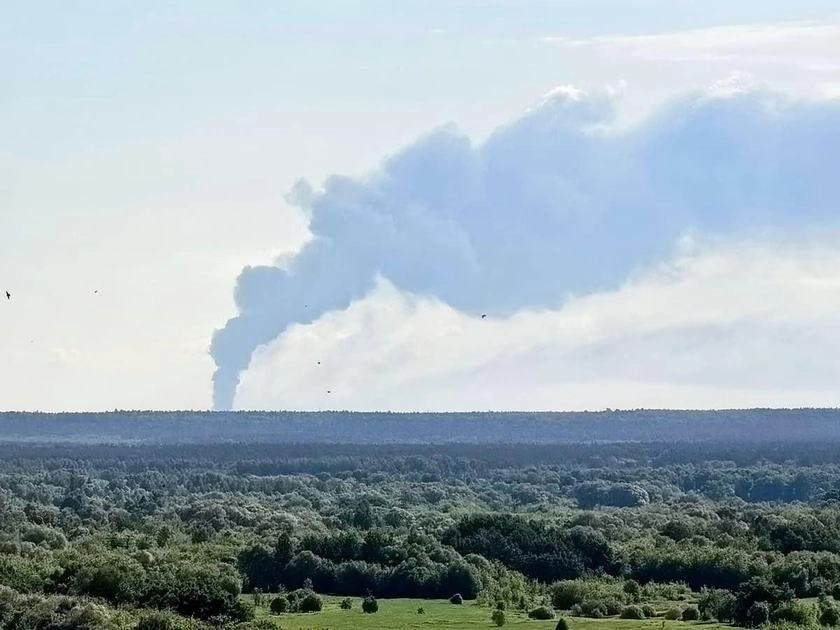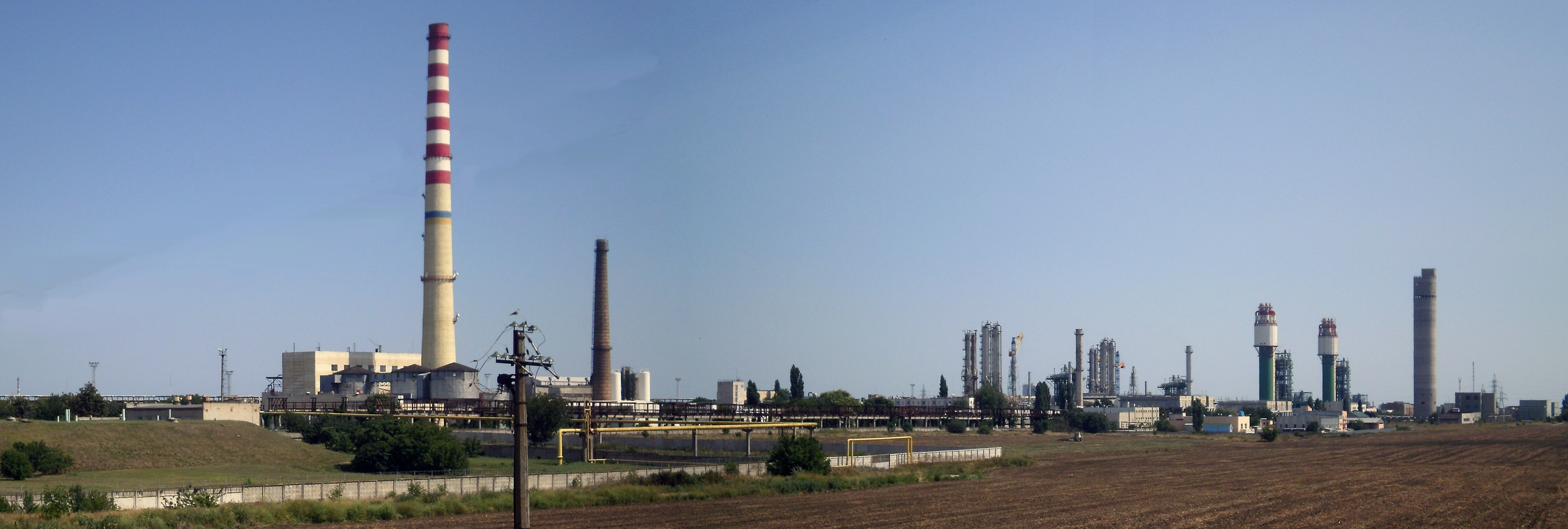
Ukraine’s government initiated the fourth possible sale of Odesa Portside Plant, this time putting the price tag of Hr.4.5 Billion ($108 Million) for the whole plant.
Prime Minister Yulia Svyrydenko announced the government’s decision to place the 99,5667% block of shares on an open auction online.
JOIN US ON TELEGRAM
Follow our coverage of the war on the @Kyivpost_official.
The sale will help replenish the budget, create new jobs, and ensure Ukrainian farmers have access to domestically produced fertilizers, Svyrydenko wrote in her Telegram post.
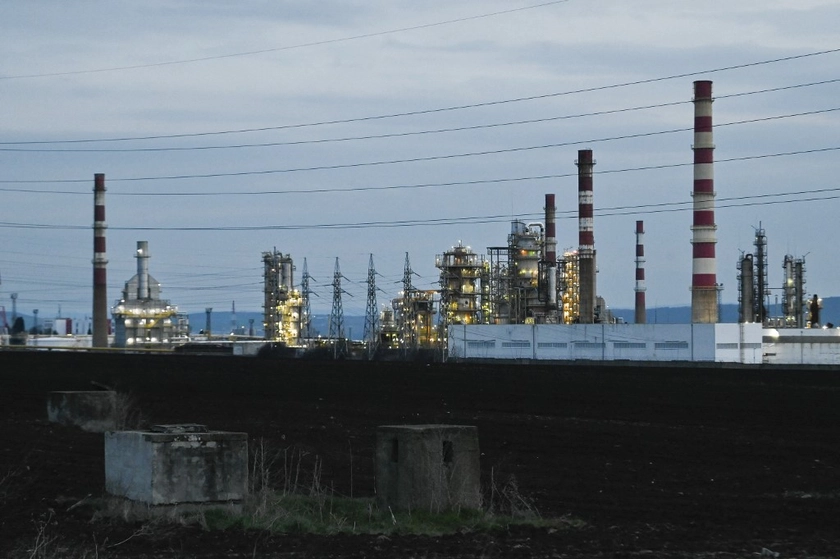
“The Odesa Portside Plant is one of Ukraine’s largest chemical complexes. Before the war, it produced ammonia and urea and exported fertilizers. Since 2022, its core production has been halted. The plant has operated only partially – supplying oxygen and nitrogen for critical needs and serving as a port hub,” she wrote.
Ukraine’s government supports the attempt to find a private owner for the plant, also emphasising that the future owner must “fully” restore the enterprise.
Odesa Portside Plant remains a state asset Ukraine finds very hard to sell, due to corruption schemes previously investigated by Ukraine’s National Anticorruption Bureau, large debts, overestimated starting prices and political instability.
Ukraine tried to sell the plant, located 35 kilometers from Ukraine’s port city Odesa, in 2009, 2014, 2016 and now in 2025.
Odesa Will Be Rebuilt, and the First Cranes May Turn on the Lower Danube
The facility includes, according to its privatization passport published by Ukraine’s State Property Fund:
- 2 units for production of ammonia with an annual capacity of 550,000 tons each;
- 2 units for production of carbamide with an annual capacity of 430,000 tons each;
- Ammonia overload complex with annual capacity up to 4 million tons, with storage structure up to 120,000 tons;
- Carbamide overload complex with annual capacity up to 3.6 million tons, with storage capacity of 80, 000 tons;
- Methanol overload complex with an annual capacity of up to 1 million tons, with a storage capacity of 36,000 tons;
- Liquid carbon dioxide production unit with annual capacity up to 16,000 tons.
Ten years ago, the plant’s price was almost seven times higher, reaching $720 million, according to Ukrainian economist Volodymyr Landa’s post on Facebook. The price gradually declined as Ukraine failed to find new buyers over the years.
You can also highlight the text and press Ctrl + Enter

Russia Hit by 660-Drone Overnight Barrage Targeting Moscow, Crimea and Key Military Sites