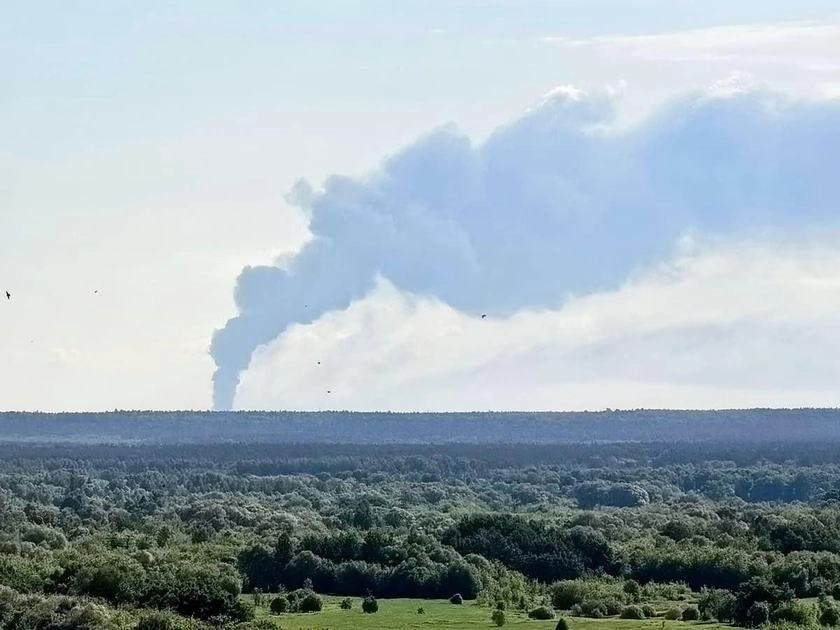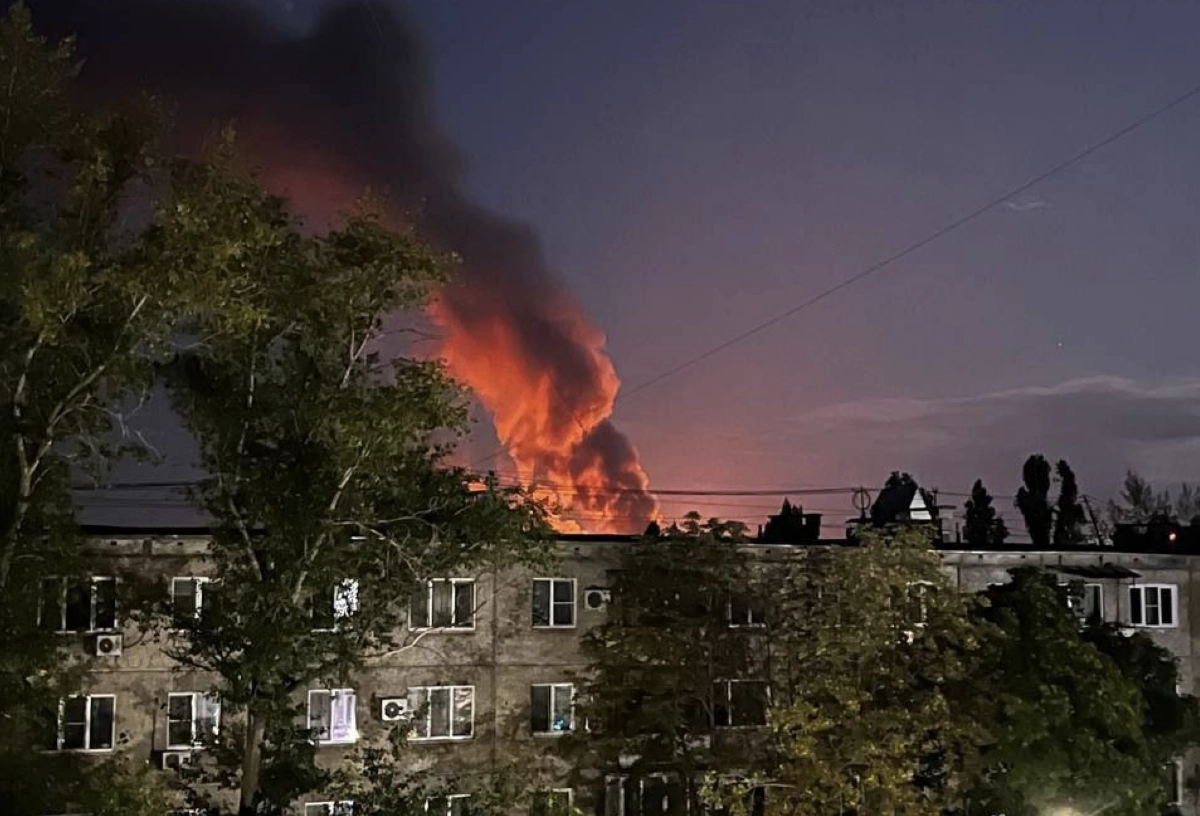
Ukrainian forces struck two oil facilities in the Bryansk and Samara regions of Russia early on Tuesday, Sept. 23, according to the General Staff of Ukraine.
In a statement published on Telegram, the General Staff said the strikes aimed to “[reduce] the enemy’s offensive potential” and complicate the supply of fuel and ammunition to Russian forces.
JOIN US ON TELEGRAM
Follow our coverage of the war on the @Kyivpost_official.
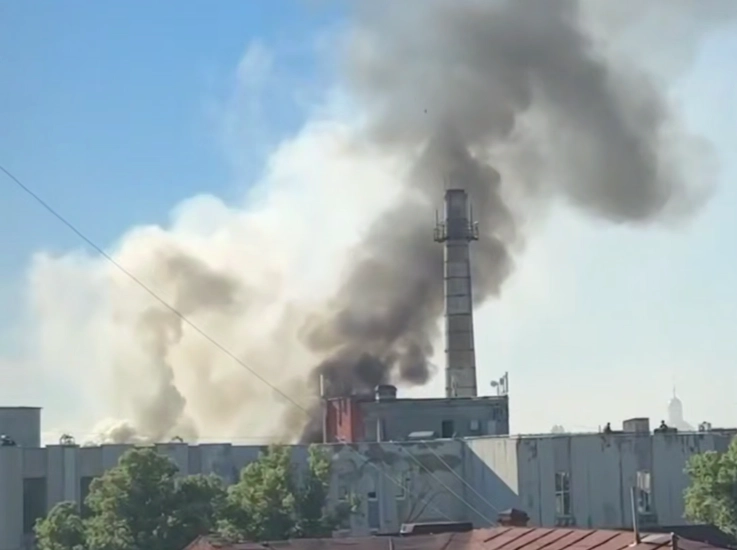
“Units of the Missile Forces and Artillery and the Unmanned Systems Forces, in cooperation with other components of the Defense Forces, struck the linear production dispatch station (LVDS) ‘8-N’ in the area of the settlement of Naytopovichi, Bryansk region,” the report said.
The LVDS “8-N” is part of the “Steel Horse” main oil pipeline complex. The facility plays a strategic role in supplying oil products to Russian troops.
The General Staff confirmed a hit on a pumping station, which triggered a fire at the site.
A second strike was confirmed against another key infrastructure site – the Samara LVDS in the Samara region. This facility blends high- and low-sulfur oil to produce the Urals export grade, which accounts for up to 50% of Russia’s total oil exports.
“The extent of the damage is being specified,” the General Staff wrote.
On Sept. 20, Ukrainian forces carried out another strike on the same Samara station. During that operation, they also hit two major oil refineries in the Samara region:
- The Saratov refinery processes about 2.54% of Russia’s total oil output, refining more than 7 million tons annually.
- Novokuybyshevsk refinery is the largest in Rosneft’s Samara group, processing over 8.8 million tons of oil per year. It is a key producer of RT jet fuel used in aircraft such as the Su-27 and Tu-22M3 bombers.
Kasparov: Ukrainian Flag in Sevastopol Is the Shock Russia Needs to Accept Empire Is Dead
In addition to Tuesday’s attacks, the General Staff reported confirmed hits on two aircraft at the Kacha military airfield in occupied Crimea.
The General Staff said units from Ukraine’s Defense Intelligence (HUR) were responsible for the strike.
The Kacha airfield, near Sevastopol, serves as a naval aviation base for Russia’s Black Sea Fleet and is used to deploy drones, helicopters, and aircraft. The base is of strategic importance to Russian forces.
On the evening of Monday, Sept. 22, explosions were reported in occupied Crimea. Russian officials announced an attack on the Kacha airfield, with air defense systems activated on the peninsula.
At approximately 8:50 p.m. local time, the Kremlin-installed governor of Sevastopol, Mikhail Razvozhaev, confirmed that air defense was activated. Meanwhile, the regional monitoring channel “Crimean Wind” also reported that Kacha had been attacked.
Notably, Ukrainian partisans from the Atesh movement had carried out reconnaissance at the airfield about two months earlier, identifying key Russian facilities.
However, the General Staff did not specify when exactly the planes at Kacha were hit. It is therefore possible that the report refers to the strikes conducted by HUR on Sept. 21.
On that day, HUR announced that its special operations unit, the “Ghosts,” had destroyed two Russian Be-12 “Chaika” anti-submarine amphibious aircraft in Crimea, marking the first confirmed combat destruction of this Soviet-designed model.
The operation also targeted a Russian Mi-8 multirole helicopter.
“This is the first ever destruction of Be-12 aircraft in history,” HUR said in its statement.
The Be-12, developed in the 1950s and still used by Russia’s Black Sea Fleet, is valued for its ability to detect submarines and conduct maritime patrols.
You can also highlight the text and press Ctrl + Enter

Russia Hit by 660-Drone Overnight Barrage Targeting Moscow, Crimea and Key Military Sites