A Russian senator from occupied Ukraine has admitted that Moscow is losing ground in drone warfare and that its war against Kyiv has reached a deadlock, contrasting with earlier warnings from Ukraine’s former top general that the conflict has bogged down into a costly positional struggle that would lead to Ukraine’s ultimate failure.
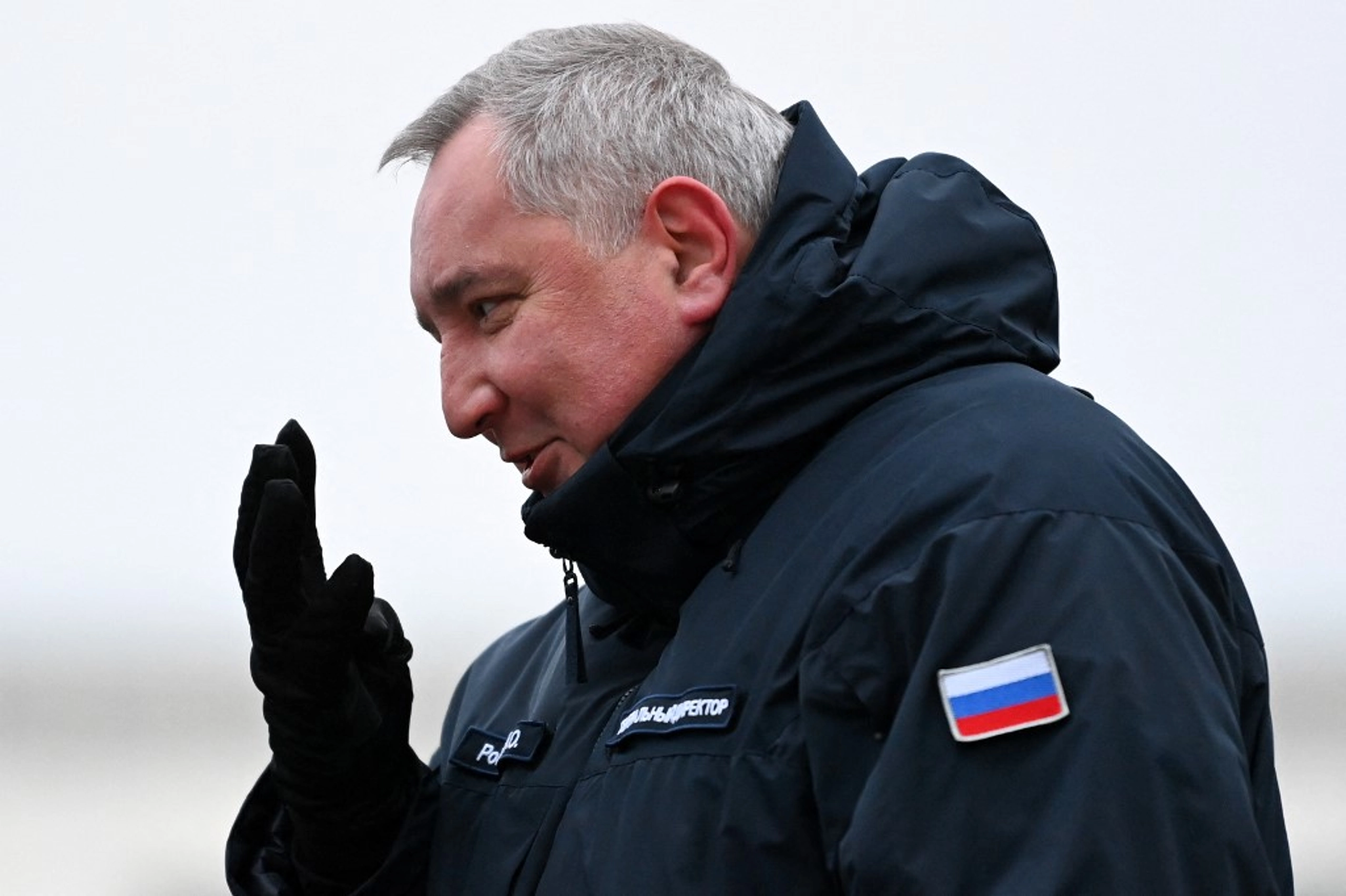
Dmitry Rogozin, a member of the pro-Kremlin United Russia party and senator representing the Russian-occupied Zaporizhzhia region, said Russian forces are advancing only “with enormous difficulty and at a colossal cost.”
JOIN US ON TELEGRAM
Follow our coverage of the war on the @Kyivpost_official.
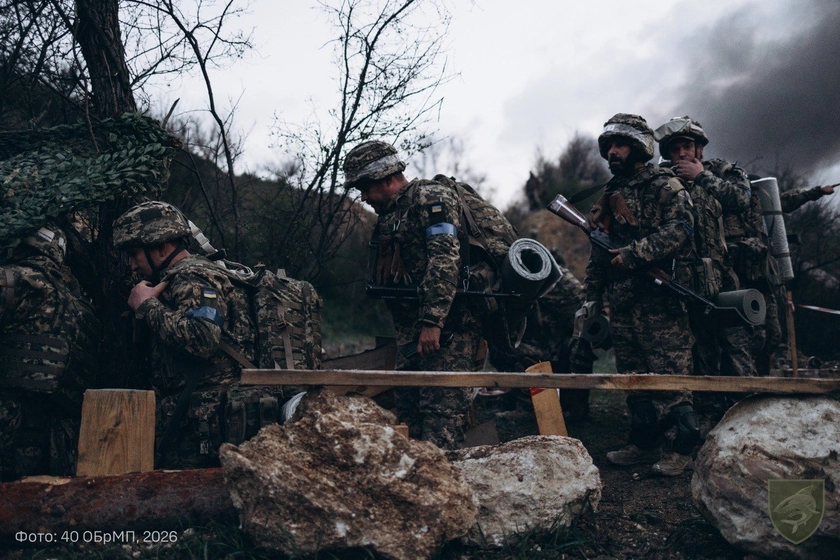
He described the situation along the front line as a positional war, where equipment “is destroyed before it even reaches the front” and small assault groups push forward with little success.
Rogozin also acknowledged that Russia is falling behind in drone warfare. Ukraine, he said, has “ten times more drones,” thanks to support from “a coalition of high-tech countries.” He claimed Ukraine deploys 100 to 250 long-range drones daily, with the number steadily rising.
His remarks could be juxtaposed against an assessment made by Valeriy Zaluzhny, Ukraine’s former commander-in-chief and now ambassador to the United Kingdom.
Rogozin sees the static nature of the frontline battlefield and its positional deadlock as being to Russia’s detriment, especially given Ukraine’s FPV drone superiority in the battlespace.
EU: No More Protection for Ukrainian Men?
Zaluzhny, on the other hand, saw the static nature of the front as bad for Ukraine. The former commander-in-chief had hoped to have a dramatic breakout offensive from static positions to avoid attrition warfare that he thought Ukraine could not sustain.
Writing in Dzerkalo Tyzhnya, Zaluzhny said the war had entered a “positional deadlock, similar to World War I,” particularly on the Donetsk front since late 2022. He blamed Ukraine’s stalled 2023 counteroffensive on a shortage of manpower and equipment.
Zaluzhny believed that the static nature of the fighting risked dragging out the conflict to Ukraine’s detriment. While he noted a trend toward Russia trying to break the stalemate, often with meat-grinder assaults, he thought that Ukraine’s August 2024 incursion into Russia’s Kursk region came at too high a price. Such limited operations with heavy losses, he said, could only be justified in exceptional circumstances.
The Ukrainian strategic-level push into Kursk did not bring heavy losses, but it did force Moscow to respond by diverting resources from eastern Ukraine into Russia. Unlike the operational-level breakout Zaluzhny wanted in the Donbas, the element of surprise favored Kyiv.
With the inherent advantage of being the defender in a stagnant front as it now stands, major losses on the battlefield are accruing to the Russian side, whereas Ukrainian casualties are minimized compared to an attempt at an operational level breakout.
Even with both sides stationary, Russian forces lack adequate resupply of munitions, food, and medicine, with each delivery subject to Ukrainian drones, in addition to the natural challenges facing an expeditionary ground force residing in rat-infested trenches.
You can also highlight the text and press Ctrl + Enter


Russia Hit by 660-Drone Overnight Barrage Targeting Moscow, Crimea and Key Military Sites