The United Kingdom has announced a new wave of sanctions against Russia, hitting major energy firms, banks, and foreign companies accused of helping Moscow skirt international restrictions.
According to a statement on the UK government’s website, the sanctions list has been expanded to include 40 additional companies and individuals.
JOIN US ON TELEGRAM
Follow our coverage of the war on the @Kyivpost_official.
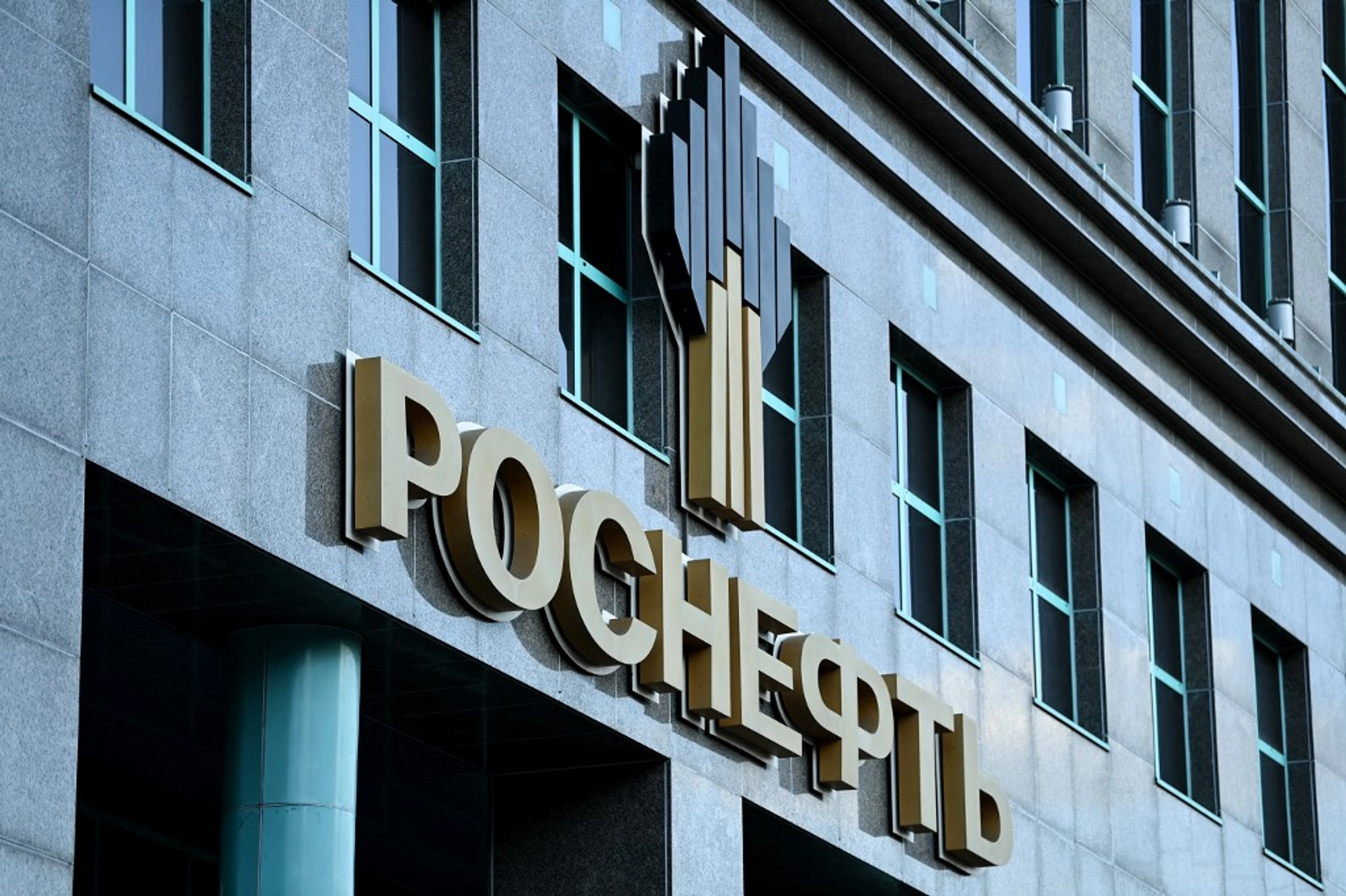
Among them are energy giants Rosneft and Lukoil, as well as several Russian banks, including Solid Bank, BBR Bank, Transstroybank, Primsoсbank, and the National Payment Card System (NSPK).
The new measures also target Pergam-Engineering JSC, a defense-linked company that works in equipment diagnostics, and offshore businesses registered in the UAE, China, Singapore, Turkey, India, and Thailand.
These firms are accused of helping Russia bypass sanctions, supply technology, or support its energy industry.
The UK government warned that violating its sanctions regime could be treated as a criminal offense.
The move comes as Western allies intensify efforts to use frozen Russian assets to help fund Ukraine’s defense and recovery. The European Union has frozen about €200 billion in Russian central bank assets, most of which are held by the clearinghouse Euroclear in Belgium.
Because several EU members, including Belgium, opposed sending the money directly to Kyiv, the European Commission proposed a compromise plan to unlock €140 billion without seizing Russia’s sovereign funds.
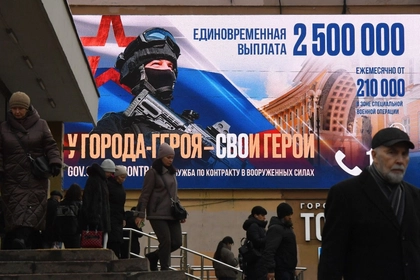
Russian Military Recruitment Falls Across Country
Under the proposal, the EU would borrow against matured profits from Euroclear and lend the proceeds to Ukraine. Any future Russian payments for postwar reparations would be used to repay the EU.
The Kremlin has condemned the plan as “theft” and warned of retaliation, including the possible seizure of Western assets inside Russia.
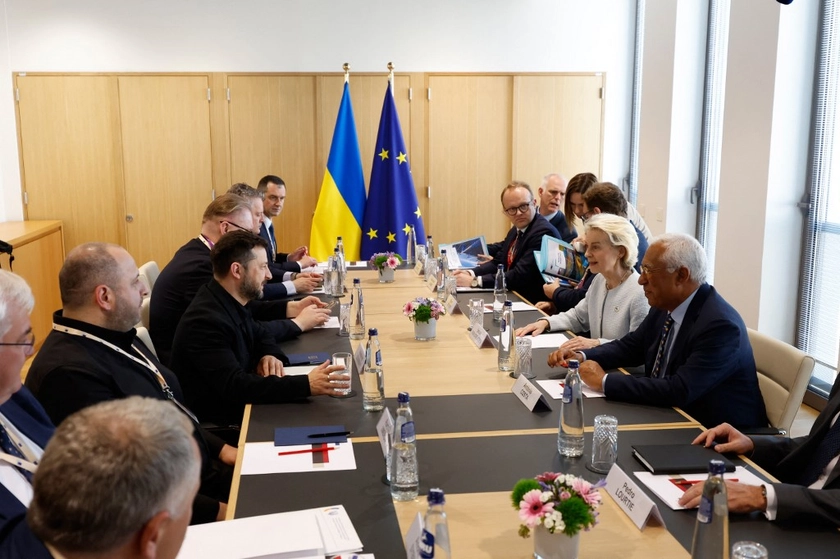
Britain and Canada have already voiced support for the initiative, which could be approved at the EU leaders’ summit in Brussels next week, where Ukraine may be offered up to €140 billion in new loans backed by frozen Russian assets.
You can also highlight the text and press Ctrl + Enter

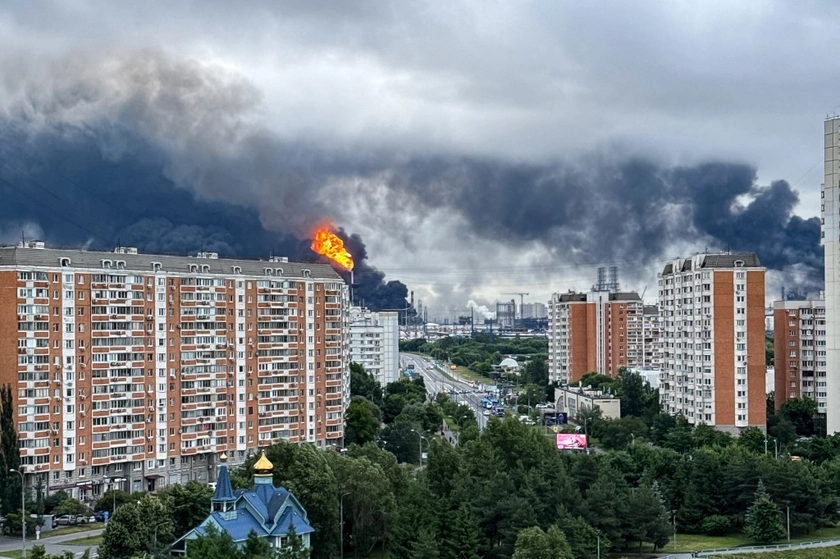
Attack on Moscow Oil Refinery: Putin Under Pressure?