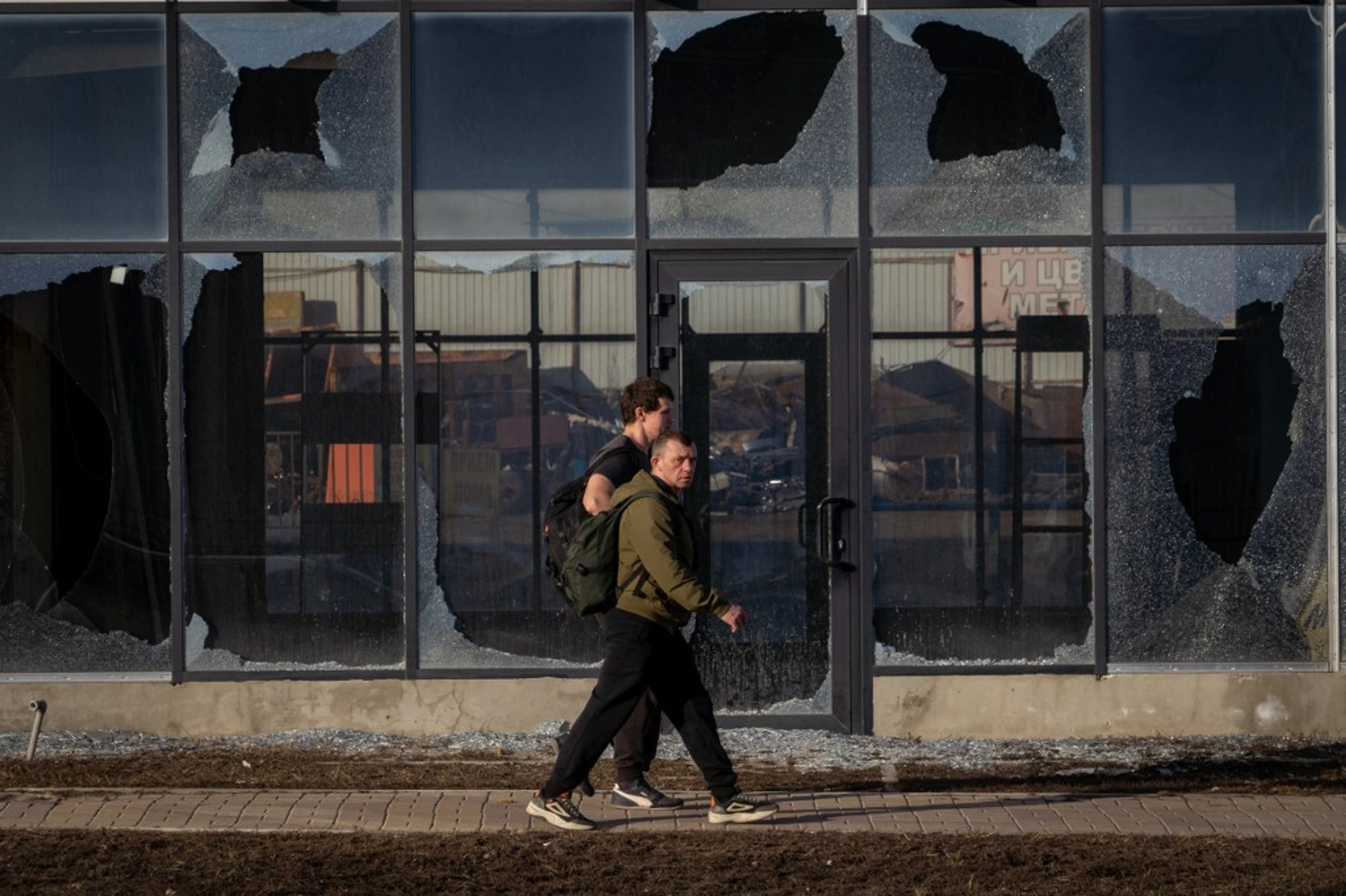
The war Ivan’s country started provides a steady soundtrack to his everyday life. “We often compare it to the noise made by those cheap Chinese motors made for scooters and mopeds,” he explained, “a low-pitched, unpleasant buzzing.” Drones that fly uninterrupted in the day he presumes to be Russian; those that draw fire at night, Ukrainian. His ears find them hard to distinguish otherwise: “which, in my view, is the main danger.”
The IT-worker lives just south of the Russian city of Belgorod, which itself sits some 25 miles away from Ukraine. Local authorities regularly report drone and missile attacks from across the border.
JOIN US ON TELEGRAM
Follow our coverage of the war on the @Kyivpost_official.
“It’s become habitual,” said Irina, a Belgorod-based journalist, of the danger. Like Ivan and others within Russia contacted for this article, she spoke with Kyiv Post remotely on the condition that her name be changed.
Over several years, Irina would set herself boundaries as to when she would seek to leave, before inevitably re-drawing them. A missile fragment falling a few minutes’ walk from where she lives, she said, was one of several grim milestones she learned to accept.
While Russia’s war has of course inflicted the overwhelming share of its destruction on Ukraine, the Russian Federation’s border territories had until recently been an anomaly – where Ukraine’s return fire could be observed by Russia civilians.
Zelensky Urges Belarus to Prove Anti-War Stance
But as Ukraine’s retaliatory capabilities continue to develop, return fire has become the new normal throughout Russia. In 2026, Belgorod seems less an outlier than a warning to Russians elsewhere of what might await them.
Upscaled assaults
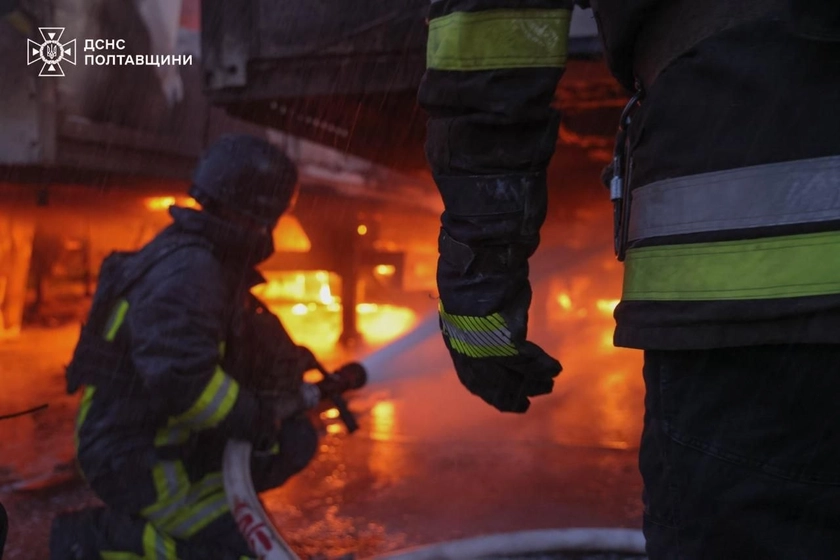
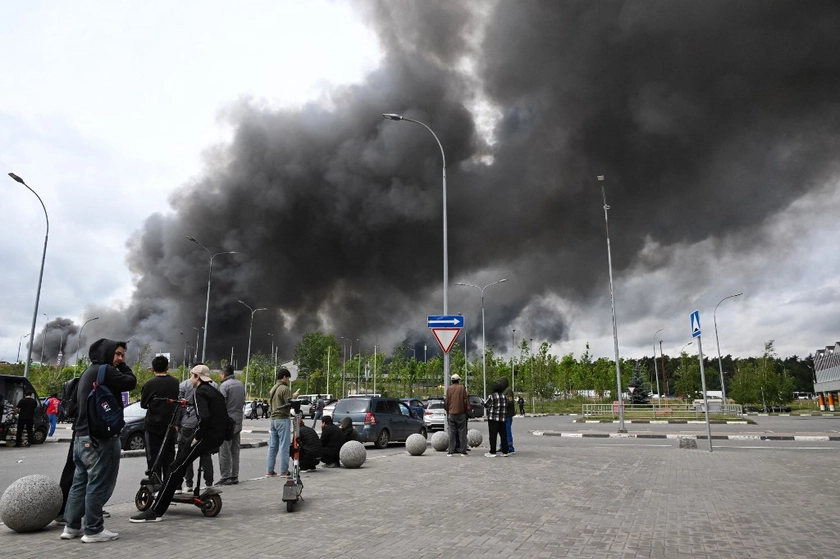
For Belgorod Oblast, the morning of the June 18 was as grim as residents have come to expect. They awoke to the announcement of a man’s death in a drone attack on a car near a village in the region’s west, with that news arriving less than 24 hours after authorities detailed a similar fatal incident involving an HGV in the administrative center itself. Such reports are commonplace on official channels.
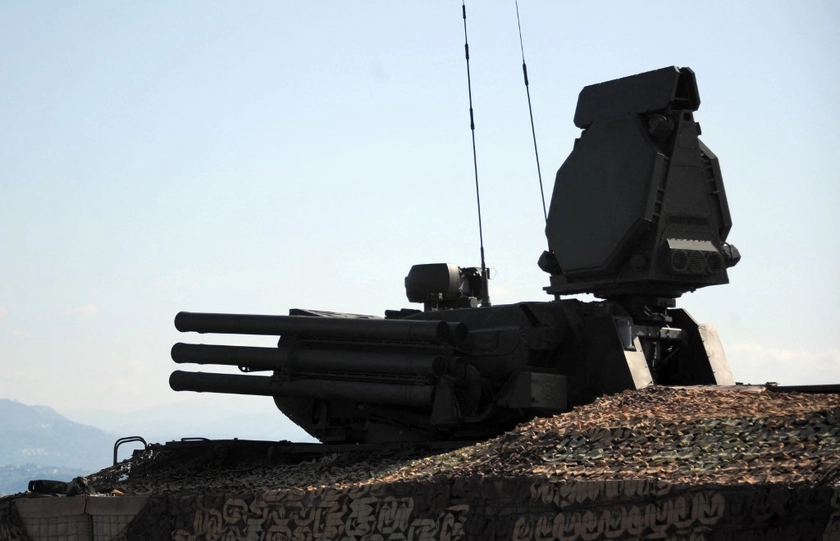
The bigger shock, however, was in Moscow: the city’s mayor, Sergei Sobyanin, claimed that air defenses shot down just under 200 drones overnight.
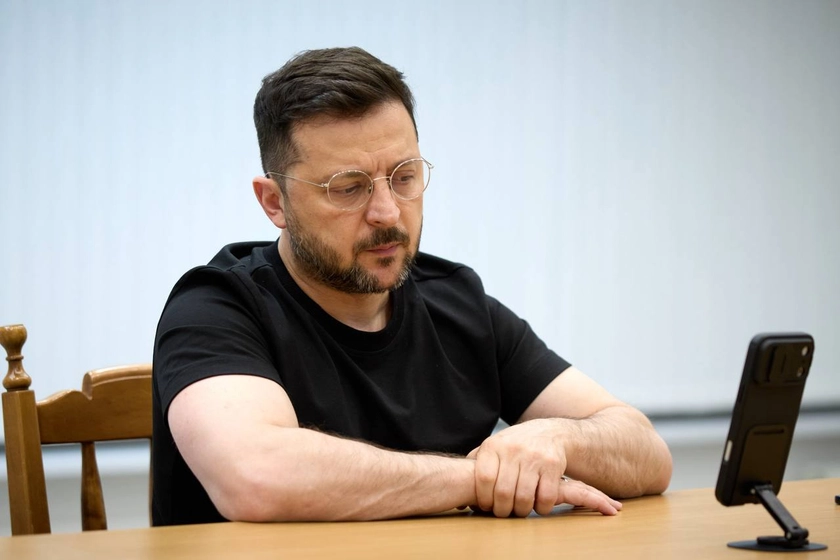
“Our long-range sanctions have once again reached the Moscow region,” declared Volodymyr Zelensky in the aftermath, using what has become Kyiv’s preferred term for increasingly far-flung retaliatory strikes on military and energy infrastructure.
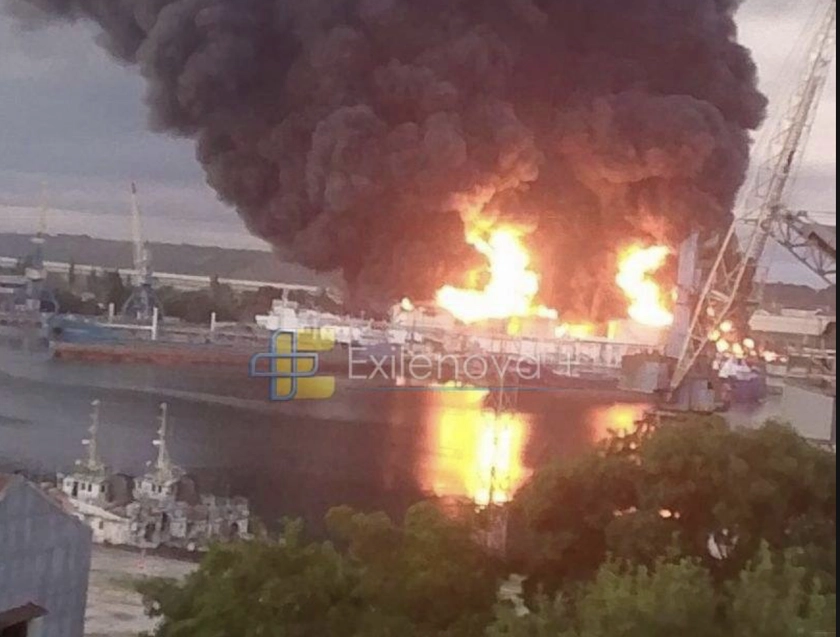
This was the largest drone assault on the capital of the full-scale war, but as Ukraine’s president points out, it was not the first; Moscow’s biggest oil refinery, the centerpiece of Thursday’s attack, was struck for the second time in a week, the third in two months.
The fading sense of novelty was not lost on one Muscovite: “A normal Moscow morning... the SVO [special military operation] is going according to plan,” he quipped sardonically while panning to reveal the damage to the refinery in a video shared by Telegram monitoring channel Exilenova+.
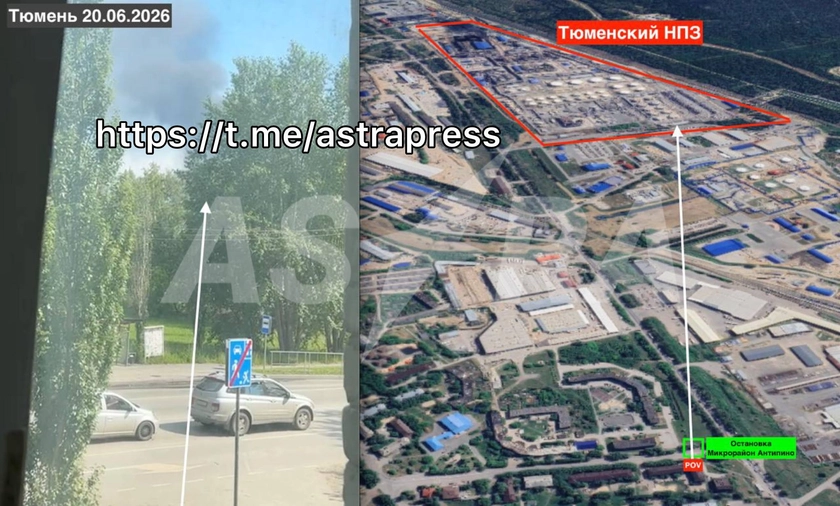
These most recent images of blackened skies come as Russia seeks to contain a fuel shortage afflicting several of its regions, one brought on by extensive attacks of this kind on its refineries.
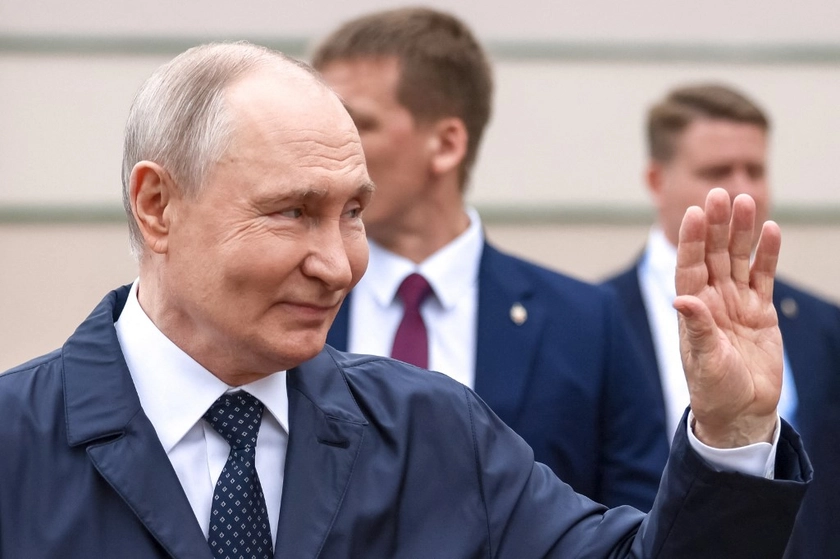
With Belgorod rendered a footnote in this week’s destruction, it’s easy to forget that to truly feel the sting of Putin’s war – outside of Ukraine, of course – was once largely the preserve of those in the border regions.
That’s not to say their experience has eased or yet been surpassed. For Ukraine, Belgorod Oblast remains by dint of its location a prime target and, by dint of its heavy military presence, a crucial one.
“Belgorod is still under permanent threat of Ukrainian drone attacks and mid-range missile attacks,” explains Oleksiy Melnyk, co-director of foreign relations and international security at the Razumkov Centre, a Kyiv-based think tank, “but from the moment that Ukraine acquired these long-range capabilities, the focus was put on more symbolic targets like Moscow and St Petersburg,” he told Kyiv Post.
“Here the situation is a lot calmer than in Moscow,” affirmed Anna, a sommelier living in the latter ‘symbolic target’ who spoke to Kyiv Post following attacks on energy and military sites in and around Russia’s second city while it was hosting its flagship economic forum earlier this month, “I still hold that opinion.”
That those in metropolitan Russia must now make such distinctions confirms Putin’s failure to uphold the social contract he offered them at the beginning of his invasion – that which promised a more or less normal existence in exchange for silence.
They are the kind of distinctions – if not yet quite so severe – that those in the border regions long excluded from that contract have had to make for some time: “We have periods of calm, then periods of escalation,” Andrei, a resident of Belgorod city who works in construction, told Kyiv Post, “but the settlements that are right on the border… there it’s every day and doesn’t stop,” he said.
Belgorod is Russia
Robert Brovdi, commander of Ukraine’s Unmanned Systems Forces, recently told the BBC of his desire to “[add] to the negative sentiment inside Russia, which could potentially raise tensions to the point that they create a destructive process within the country.”
That process, even in drone-weary Belgorod, does not yet seem certain. There are no protests there, and residents’ public expressions of discontent refrain from implicating Putin as the architect of their calamity.
It would be wrong, however, to single out Belgorod as the most obvious candidate in any future rupture. “I’m not prepared to say that Belgorod Oblast will be some sort of starting point in the fall of Vladimir Putin’s regime,” said Nikita Parmenov, émigré editor-in-chief of the region’s only uncensored media outlet, Pepel (Ash). He explains his reticence in part by noting that the uniqueness of the area he covers is relative.
“People can see the war in Russia – to a much lesser degree than in Belgorod, but nonetheless, to a degree,” he told Kyiv Post.
Even if Belgorod does not threaten Putin’s regime directly, there seems no better way for the Kremlin’s leader to test Brovdi’s thesis – that adding to the negative sentiment inside Russia will trigger a destructive process – than by continuing to import the border region’s woes deep inside the country.
Earlier in the war, residents tired of Moscow’s neglect flooded the comment section of a social media post by Russia’s federal Channel One with the hashtag “Belgorod is Russia.” It looks prophetic in retrospect.
You can also highlight the text and press Ctrl + Enter