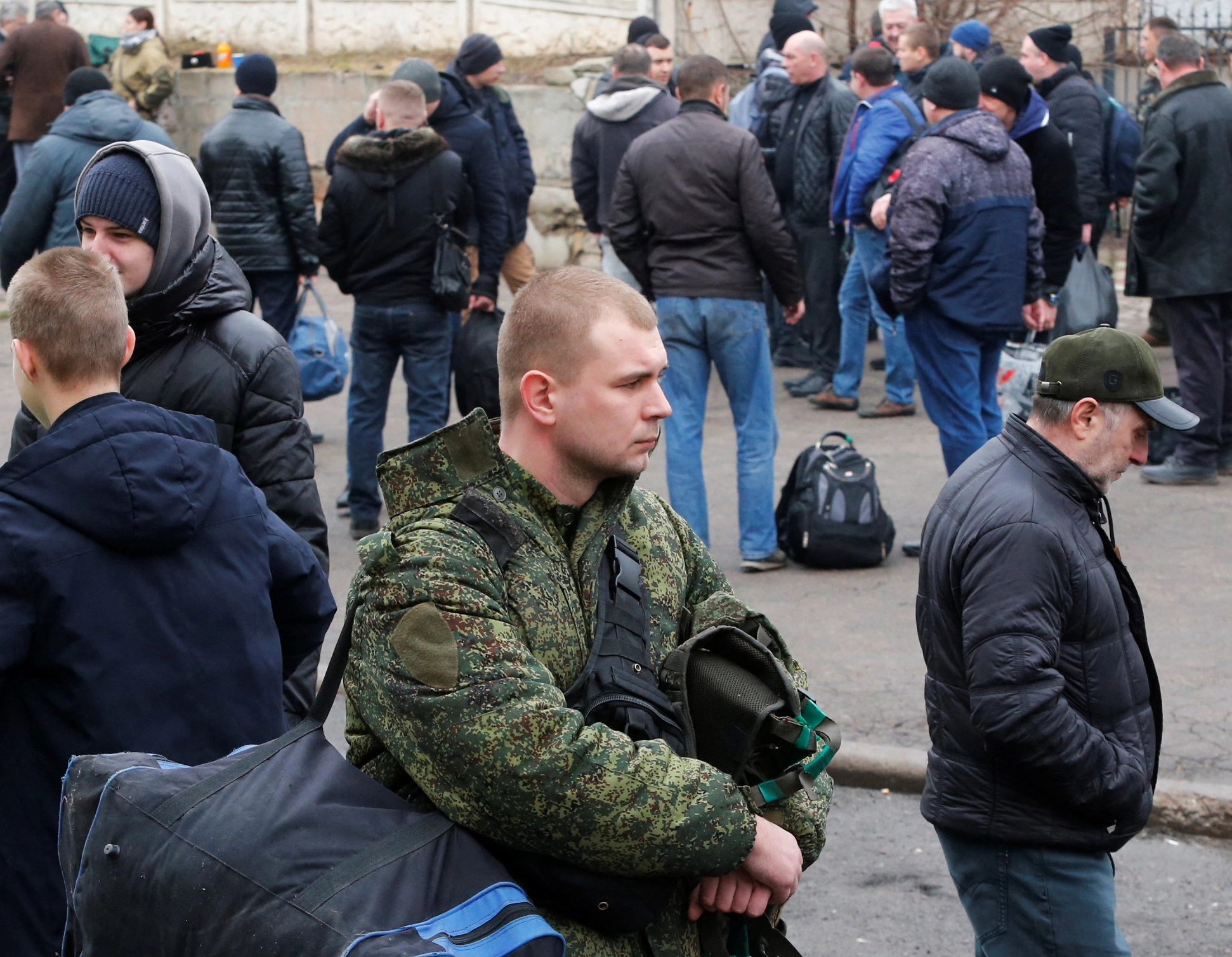
Russia has begun a mass recruitment of reservists to protect critical infrastructure and counter growing Ukrainian drone threats.
The formation of such units is reportedly underway in at least 20 regions across the country.
JOIN US ON TELEGRAM
Follow our coverage of the war on the @Kyivpost_official.
According to Russian media, the campaign began after new legislation came into force on Nov. 4, allowing reservists to be mobilized for guarding vital facilities.
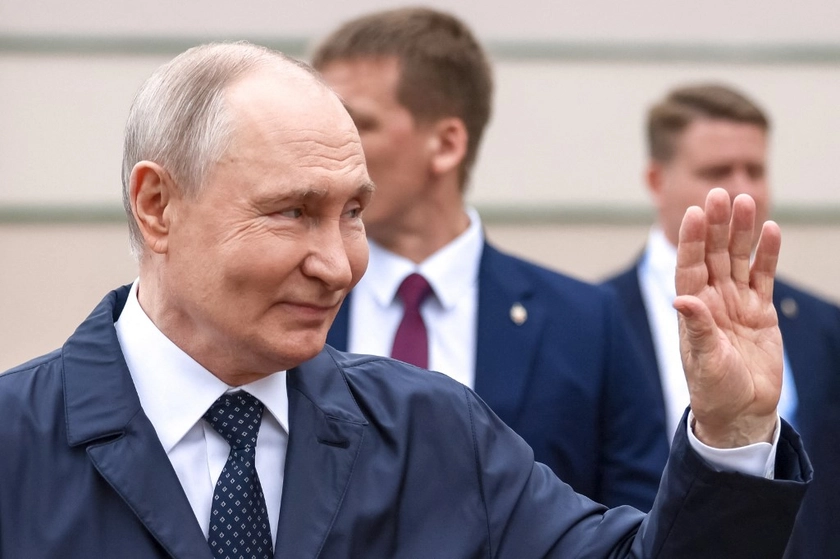
Russian President Vladimir Putin on Nov. 4 signed a law allowing military reservists to guard oil refineries after Ukrainian drone strikes caused fuel shortages in several regions.
The new law permits the use of Russia’s two million reservists to protect critical infrastructure, including refineries.
The new units will reinforce security around oil refineries, form “mobile fire groups,” and conduct counter-sabotage operations.
Reservists receive full military status during their service, along with pay, social benefits, and guarantees. Contracts run from six months to one year, with participants serving only within their home regions.
The reservists’ main duties include protecting key infrastructure, intercepting drones, stopping sabotage groups, organizing evacuations, and maintaining the so-called “counter-terrorism” regime.
Some areas began forming units before the law took effect. In Tatarstan, the first detachment of 21 reservists has been deployed to guard oil facilities. In the Nizhny Novgorod region, 15 reservists have been selected and signed contracts.
Belgorod: the Russian City Putin Ignored at His Peril
Bashkortostan is creating specialized “mobile fire groups” to protect facilities belonging to Bashneft, Ufaneftekhim, and Gazprom from drone attacks.
Reports of new detachments have also emerged from St. Petersburg, Leningrad, Kaliningrad, Tver, Pskov, Rostov, Yaroslavl, Bryansk, Kursk, Tula, Smolensk, Samara, Tyumen, and Nizhny Novgorod regions, as well as the Perm, Krasnodar, and Krasnoyarsk territories, as per the Russian media reports.
In border regions like Belgorod, Bryansk, and Kursk, authorities plan to expand existing BARS volunteer units with new reservist formations.
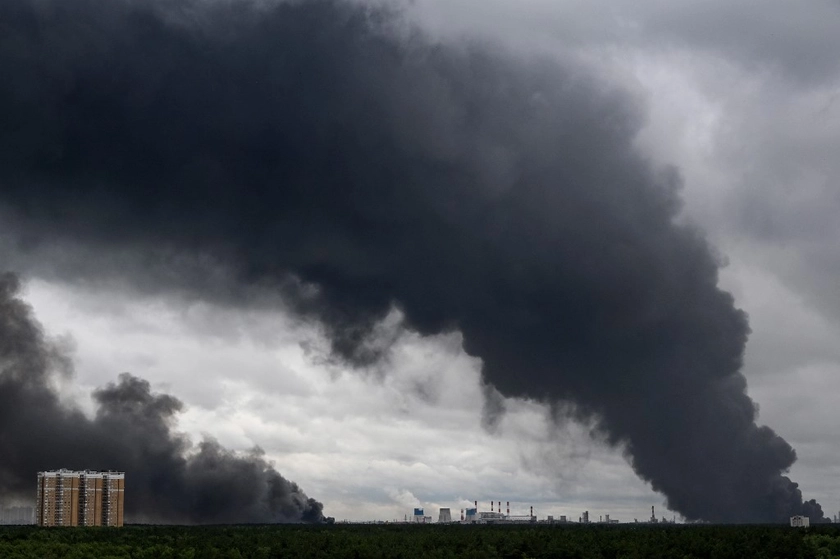
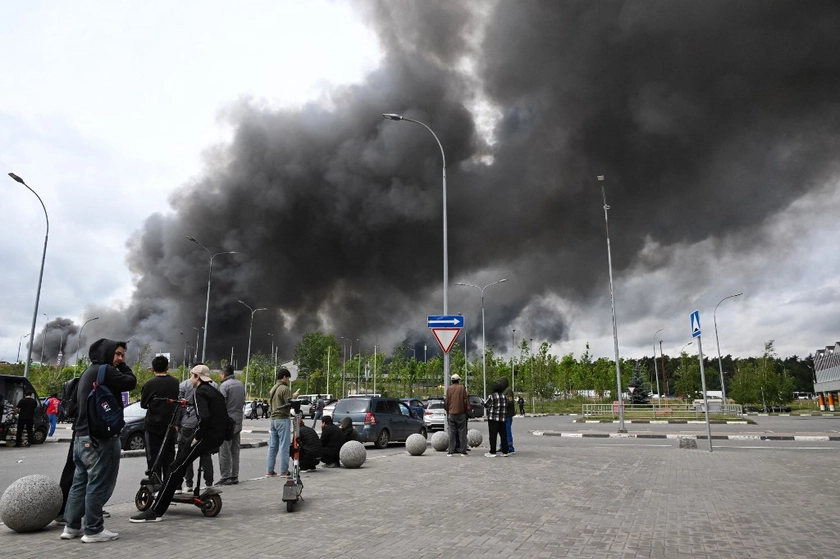
Ukraine has stepped up long-range drone strikes on Russian energy infrastructure, hitting refineries and storage depots deep inside Russian territory.
Kyiv says the attacks are crippling Moscow’s ability to fund its war.
President Volodymyr Zelensky said the strikes have reduced Russia’s refining and fuel output by 20-27%, forcing Moscow to shift production elsewhere. He added that 90-95% of attacks inside Russia now use Ukrainian-made long-range weapons, with limited support from Western missiles.
Reports suggest from the US, the Trump administration has provided intelligence to help Ukraine target oil facilities as part of a covert push to pressure Russia into talks.
According to the Institute for the Study of War (ISW), by early October about 38% of Russia’s refineries were offline, leading to fuel rationing in 57 regions and surging gasoline prices – up 2.6% in September, with annual fuel inflation at a 14-year high of 12.7%.
Putin also signed a measure allowing year-round conscription, previously limited to spring and autumn.
About 700,000 Russian troops are currently deployed along the front line in Ukraine. While conscripts are legally barred from combat, they automatically enter the reserves after service, making them eligible for future mobilization.
Most of the 300,000 reservists drafted in 2022 were former conscripts.
You can also highlight the text and press Ctrl + Enter