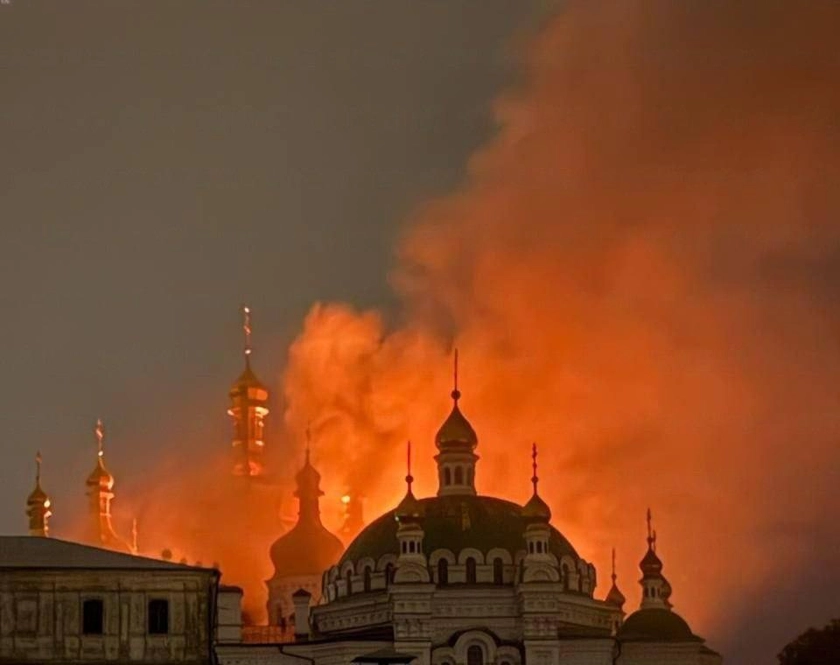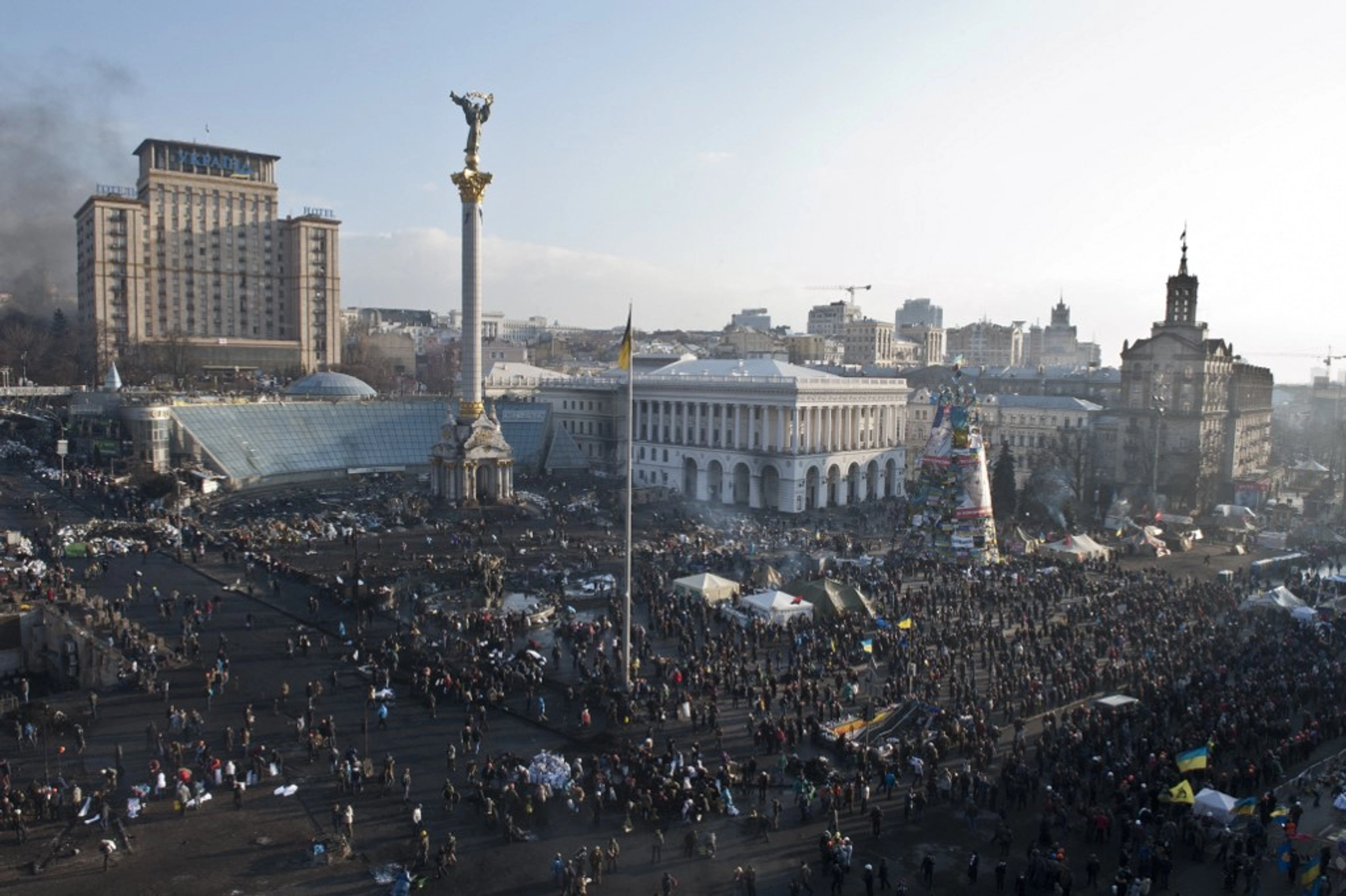
On Nov. 21, Ukraine marks the Day of Dignity and Freedom – the anniversary of two large-scale protest movements – the Maidans – that grew into real revolutions and changed the course of Ukraine’s and the world’s history.
Coincidentally, Nov. 21 is the birthday of Andriy Yermak, the head of President Zelensky’s Office, who, according to critics, has accumulated more power than any other head of a presidential administration.
JOIN US ON TELEGRAM
Follow our coverage of the war on the @Kyivpost_official.
On Thursday, Nov. 20, the situation nearly ended with Yermak’s resignation. This was demanded by the opposition, civil society, and a portion of the president’s own party, Servant of the People.
The boiling point reached a new critical level after a corruption scandal involving Timur Mindich, a businessman close to the president. According to opposition lawmakers, the scandalous recordings of the National Anti-Corruption Bureau (NABU), which the Bureau was unable to publish, also feature Yermak himself.
The level of dissatisfaction grew so high that the president had to discuss Yermak’s possible resignation with his party. And in society, Yermak increasingly came to embody much of the negativity.
The atmosphere resembles that of many years ago, when dissatisfaction and a sense that “everything is going wrong” hung in the air – but whether President Volodymyr Zelensky can prevent political turbulence from escalating remains an open question.
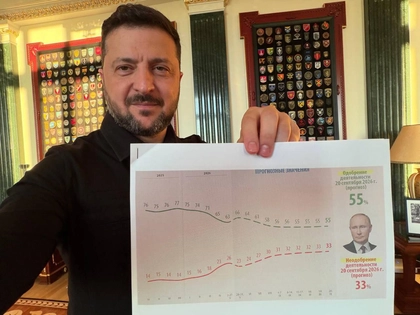
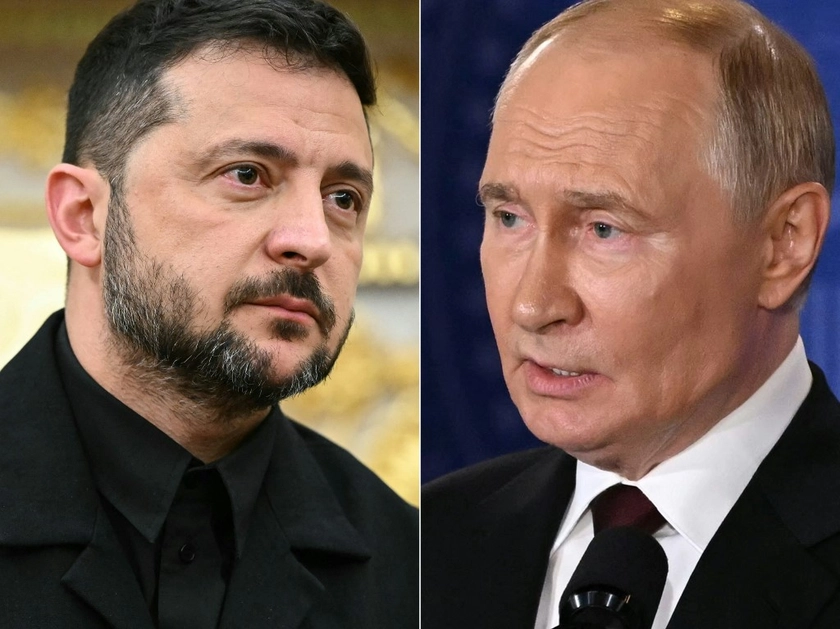
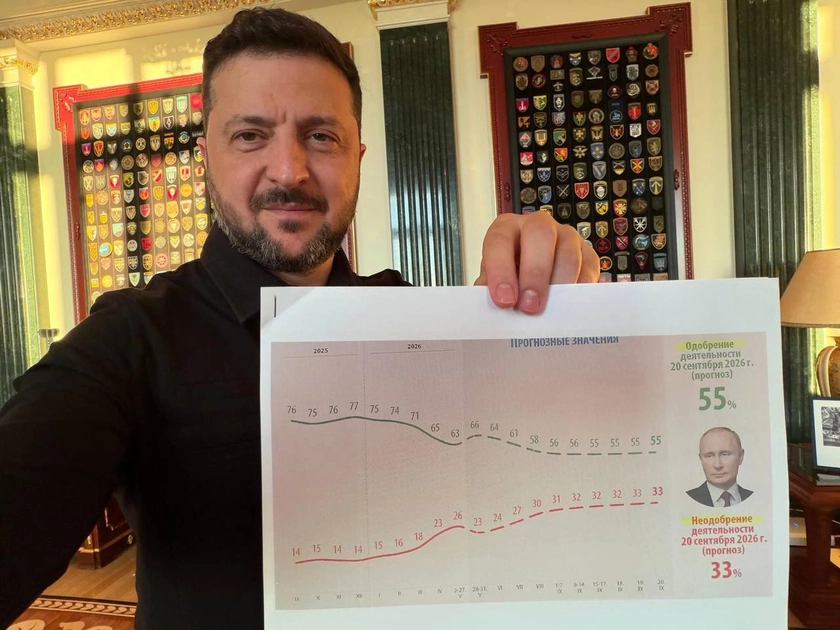
Zelensky Reveals Intercepted Intel from Putin’s Desk
After all, any Maidan or large-scale protest during a war, when the country must remain consolidated, is very dangerous.
The First Maidan (named after the square where protesters gathered – Independence Square in central Kyiv) erupted on Nov. 21, 2004, in the middle of the presidential elections. The results of the second round were brazenly and crudely falsified by the pro-Russian candidate Viktor Yanukovych and his team, backed by the administration of then-president Leonid Kuchma. Meanwhile, the opposition candidate, the pro-European democrat Viktor Yushchenko, was poisoned and spent several days in a European clinic with his life at risk.
“The people rose up not because of the election results, but because the elections were unfair,” later noted the well-known civic figure and political commentator Dmytro Korchynskyi.
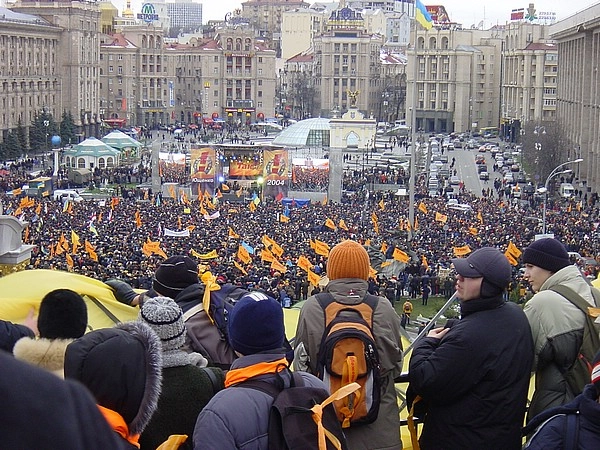
The author of this material was 16 years old at the time and was also on the Maidan.
People were angered by the brazenness and impunity of the falsifiers. In the Supreme Court, the most common falsification schemes were easily proven: “carousels” (groups of people visiting polling stations to vote multiple times), “cookies” (stuffing ballot boxes with pre-filled ballots), and others. Yanukovych’s representatives later admitted in court that ballots were inserted even after polling stations had closed, and that local officials were heavily pressured by security forces to facilitate the fraud.
As a result, everyone came out to the Maidan – from street cleaners and office workers to MPs and city mayors.
“This is madness! They are completely detached from reality, they don’t understand what country they live in!” summarized one mayor, explaining why people were so angry, whom the author met on the Maidan.
Mass protests paralyzed the country. Yanukovych was forced to agree to a repeat vote without falsifications, and then the pro-European candidate Viktor Yushchenko won.
The Second Maidan erupted exactly nine years later, by a strange coincidence. At that moment, Viktor Yanukovych, who had come to power after Yushchenko, was leading the country on a pro-Russian course despite strong internal resistance. Failing to sense this resistance, trusting the reports of security officials (some of whom would later be revealed as Russian passport holders), who always boasted about suppressing activists and political opponents, Yanukovych did not perceive the protest potential of the country.
Finally, when Yanukovych was faced with the proposal to sign the Association Agreement with the EU on Nov. 20, 2013, people went out to mass protest on the Maidan with slogans like “Viktor, do your best!”. Despite uneasy feelings, it was not an explicit protest against the incumbent Yanukovych government. The Maidan itself resembled a civic event and a carnival more than a protest.
However, after listening to Putin’s promises to support the collapsing Ukrainian economy – ruined by retrograde and fiscal prime minister Mykola Azarov – on Nov. 28, Yanukovych refused to sign the Association Agreement.
The next night, the “carnival Maidan” was brutally dispersed in Russian style by the Berkut police special forces. Officers dragged girls across the ground and kicked them; boys were held for over a day in a “monkey cage” with injuries inflicted during the crackdown.
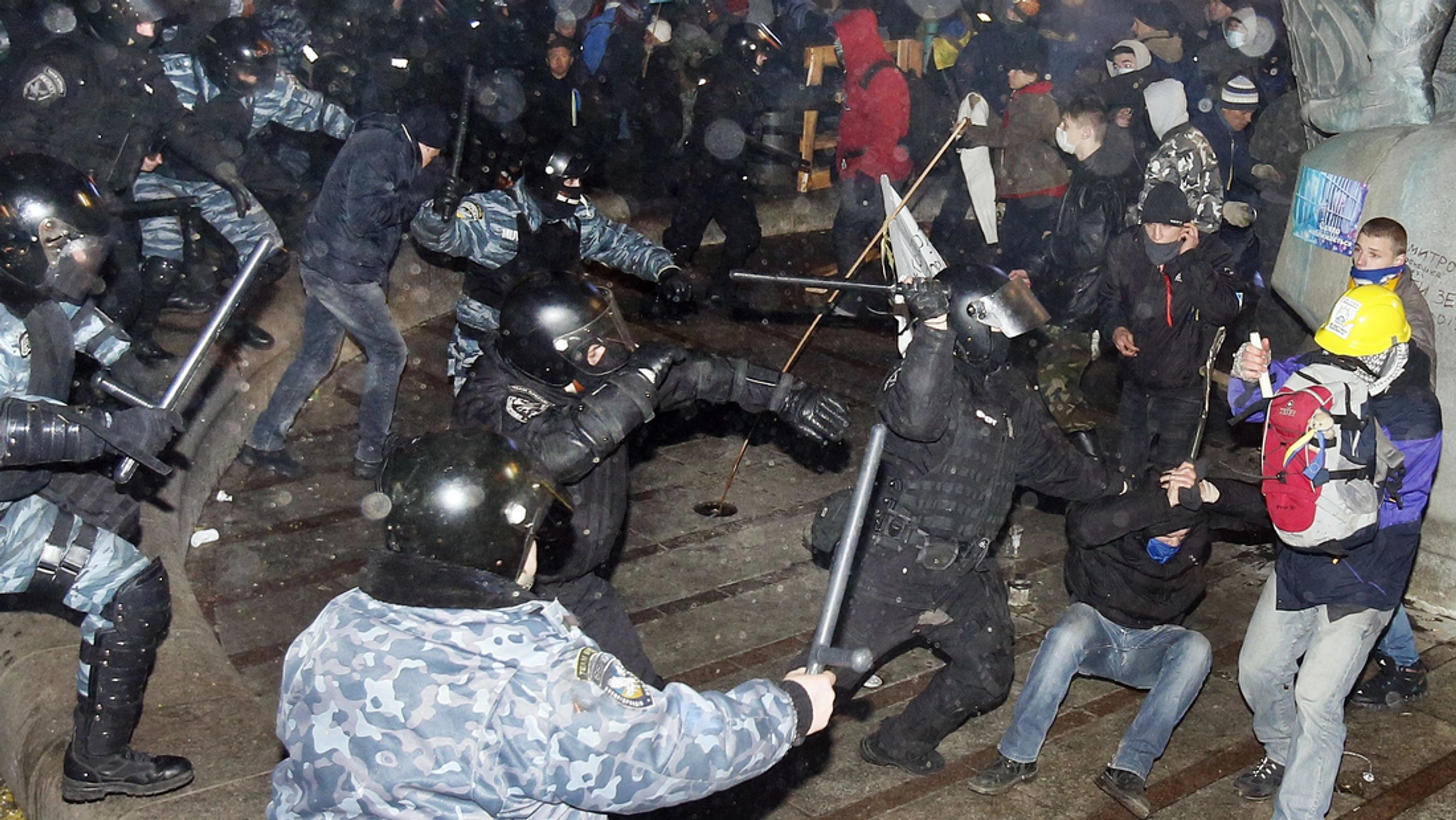
As a result, the next day, hundreds of thousands of people flocked to central Kyiv not with demands for European integration, but in shock at the brutality of the security forces and the brazenness of Yanukovych, who took a $3 billion loan from Putin and demonstratively broke off the process of Ukrainian Euro-integration.
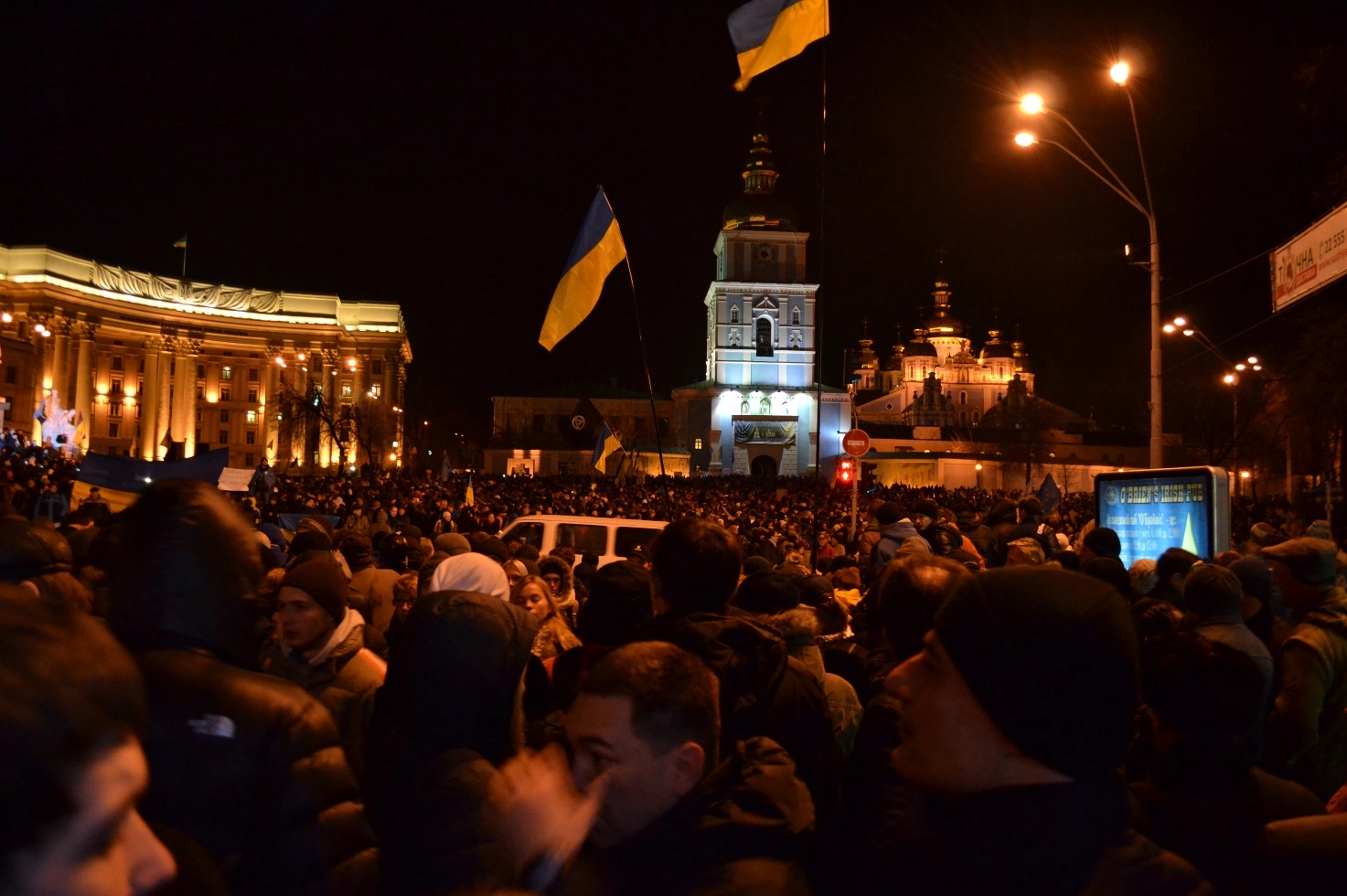
Yanukovych never understood the country he happened to rule. Over the next three months, he repeatedly tried to suppress the Maidan by force, but this only brought more people to central Kyiv. Eventually, having ordered the protest to be drowned in blood, he fled to Russia when even this brutal step failed to secure his victory.
Already in Russia, he revealed his true face and called on Putin to use Russian troops against his own people, over whom he still claimed to be president even while in Russian exile.
Today Ukraine is going through a difficult period of political turbulence, which did not begin yesterday.
The events of the summer of 2025, when the authorities tried to destroy the independent anti-corruption bodies – likely because the President’s Office learned about wiretapping of businessman Mindich – once again brought people into the streets, just like during the first Maidans – mostly young people.
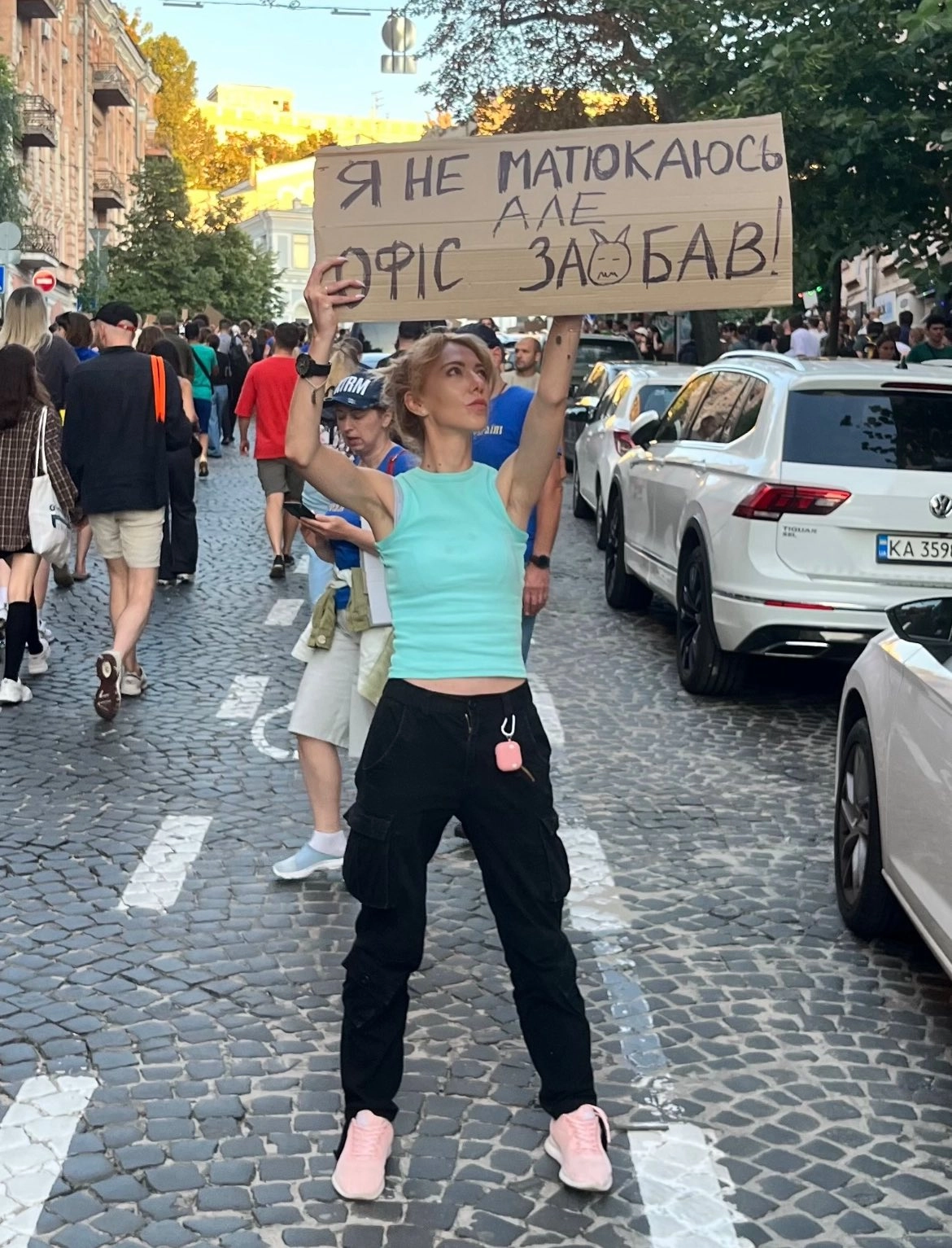
Young people came out with funny cardboard signs (whatever they had at hand), with slogans not only and not so much in support of anti-corruption bodies, but also critical of the President’s Office, which they believed was behind the persecution of anti-corruption activists and had accumulated far too much power. Protest participants openly said that “Everyone is fed up with the ‘manual mode’” (that is, the President’s Office’s style of micromanaging the state).
Over time, more and more negativity accumulated specifically around the head of the President’s Office – Andriy Yermak. Yermak handled the American track. The notorious Oleh Tatarov works directly in Yermak’s Office – he is considered one of the leaders of the security bloc of the presidential vertical. Yermak also has strong positions in the executive branch. Prime Minister Yuliia Svyrydenko, who for a long time worked as his deputy and whom many in the opposition consider merely the executor of his will, is seen as close to Yermak.
“There is too much Yermak in all processes,” one lawmaker from the ruling party briefly summarized to us.
Against the backdrop of the corruption scandal, the question of the responsibility of the authorities themselves emerged, and many expected that the meeting of President Zelensky with his party’s parliamentary faction would clarify much. There were expectations that Yermak might resign, after which the presidential vertical would become more accountable and transparent overall.
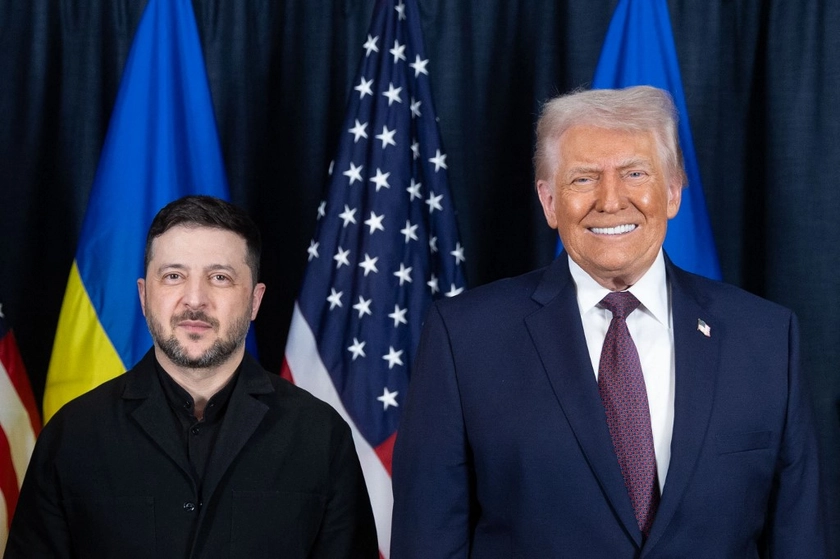
However, this did not happen. Zelensky, according to MPs who attended the meeting, placed responsibility for the corruption scandal solely on its direct participants, and for its escalation – partly on Russian propaganda, partly on the internal opposition. And he refused to dismiss Yermak.
This caused disappointment among some deputies.
“The overall impression is bad. Zelensky clearly lives in an information bubble. I’ve chosen my side. It’s the people. Whether the president is with the people or not – we’ll see,” – lawmaker Mariana Bezuhla said after the meeting.
Some analysts noted that, according to their sources, the presidential vertical is preparing a counterattack against the anti-corruption institutions, which, in their view, are issuing charges suspiciously simultaneously with the rather unfavorable “peace plan” proposals from the US. Does this carry political risks? Many participants believe it does. Military serviceman and volunteer Roman Sinitsyn summed it up this way:
“So, expect searches in NABU and SAP next week, charges against detectives and agency leadership. Maliuk and Co. will quickly concoct some nonsense about a Russian trace and ‘Dagestani cannabis,’ and off we go… If this happens – these unteachable degenerates will drive the country into a tailspin…,” Sinitsyn writes.
“Andriy Yermak must resign, himself. Voluntarily. Not because he is bad. Moreover, I am convinced that Andriy Yermak tries his best to work for victory, does his utmost, and feels responsible. But the problem is that his potential is no longer sufficient to win the war. The political configuration of state governance that exists today is not coping with the level of the country’s challenges. This has long been obvious; there are too many symptoms of this illness, and everyone who works in the state/military or around it sees and knows them,” writes well-known businessman and innovator Vladyslav Hreziev.
However, conversely, as noted by Viktor Prudkovskyi, a member of the Anti-Corruption Council at the Ministry of Defense of Ukraine, with Yermak’s resignation the risks for the president could be even greater.
“The issue is finding a replacement. The President has no one to replace these ‘gatekeepers’ with. The bench of substitutes has long been in the scrapyard. This has already been discussed. And the depersonalized dismissal of the head of the administration would entail numerous personnel changes, which it’s unclear how and by whom to implement. So, it seems more realistic to reduce Yermak’s influence, to transfer some areas to technocrats – ministries, monopolies,” Prudkovskyi tells us.
However, at the same time, the presidential vertical must remain united in the face of external threats, the main one being the attempt by the United States to force Ukraine into “peace” on Russia’s terms, which are essentially capitulation and risk the loss of statehood in the coming years. And unity may help here.But now, the president has less and less room to maneuver inside the country. The country that he needs to feel now even better than yesterday, to avoid crisis.
“Earlier the president could say that he didn’t know about the corruption scandal or the Yermak problem, but now, when he refused to dismiss the head of his office – he no longer can,” one MP briefly noted to us.
You can also highlight the text and press Ctrl + Enter