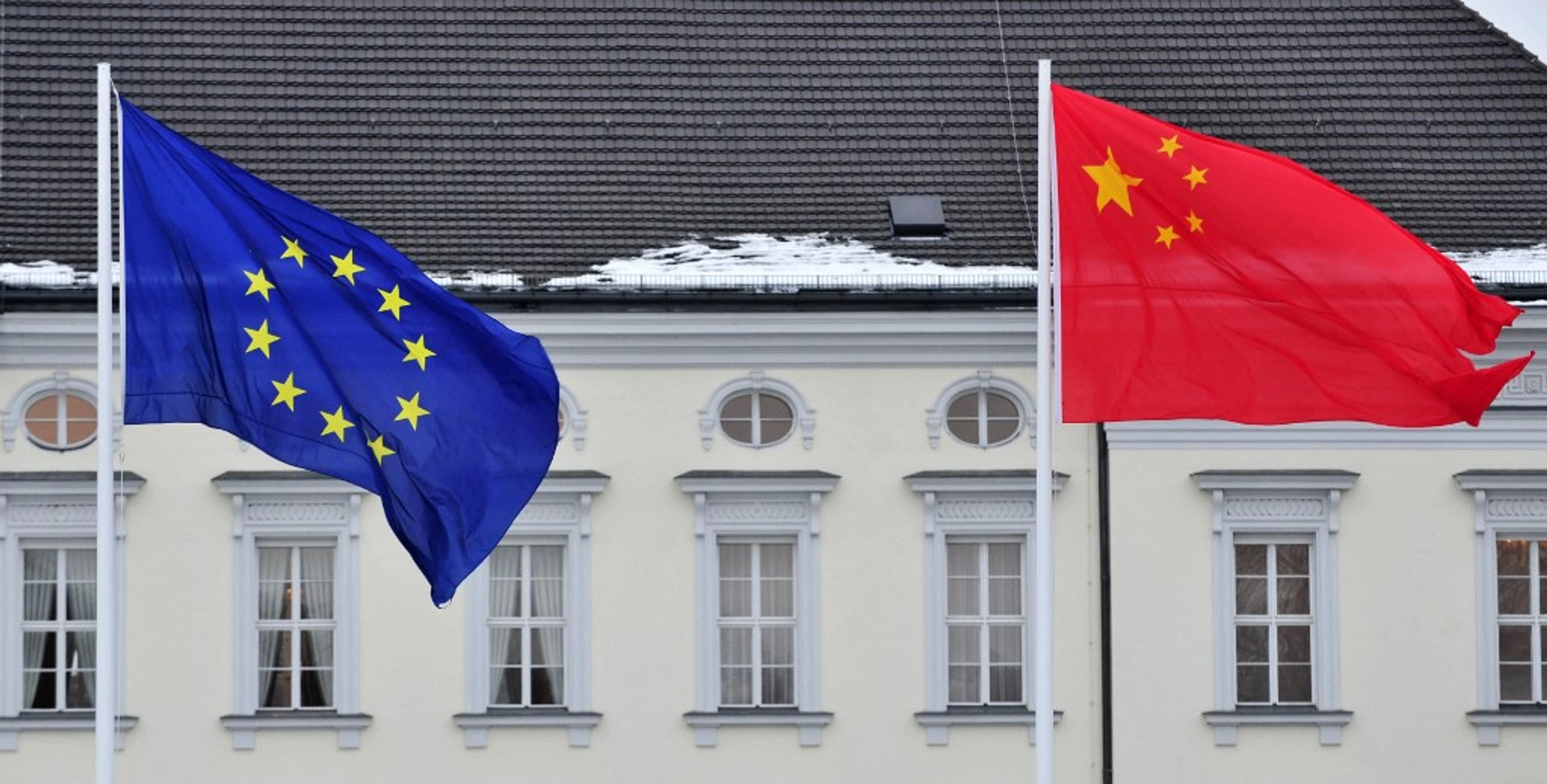
China’s intelligence activity across Europe is becoming more sophisticated and deeply embedded than many governments have publicly acknowledged, according to Dr. Marcin Grabowski, Director of the Center for International Studies and Development at Jagiellonian University.
Speaking with TVP World, Grabowski said China’s operations combine traditional human intelligence with academic networks, business ties and long-term influence-building that exploits Europe’s openness.
JOIN US ON TELEGRAM
Follow our coverage of the war on the @Kyivpost_official.
Grabowski said that despite the heavy emphasis on cyber espionage, recent European cases show Beijing increasingly investing in human sources. Their methods, he said, rely on patient relationship-building, often through roles that appear benign—researchers, students, business representatives or think tank affiliates.
In contrast to Russian intelligence, which now carries immediate political stigma due to the war in Ukraine, Chinese operatives face fewer social barriers inside European institutions. Until recently, cooperation with China in academia and technology was widely encouraged. “That has changed,” Grabowski said, “but the access channels remain open, especially in research and development.”
He pointed to recent British cases in which fake headhunters approached parliamentary staff with lucrative job offers, a tactic MI5 has flagged. He also described encounters at academic events where “students” later appeared to be acting on behalf of Chinese authorities.
Zelensky Says US Signals Support on Missile Licenses, Warns Belarus Over Border Equipment
According to Grabowski, China’s espionage strategy is a “long game,” using diplomatic cover, business activity, and academic collaboration to map European decision-making and technological capacity. With espionage now “a natural element of international politics,” he said, Europe must recognize that China’s intelligence presence is neither marginal nor new and is still expanding.
You can also highlight the text and press Ctrl + Enter

Zelensky Reveals Intercepted Intel From Putin’s Desk