European leaders have publicly pushed back against the concept of an expedited EU accession process for Ukraine, emphasizing standard procedural criteria and proposing alternative integration models while the country remains in an active conflict.
Poland supports Hungary on standardized process
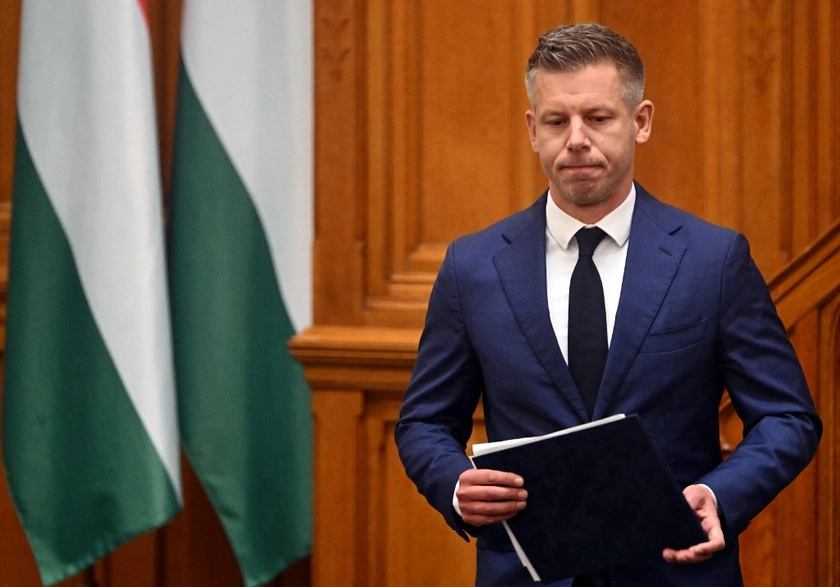
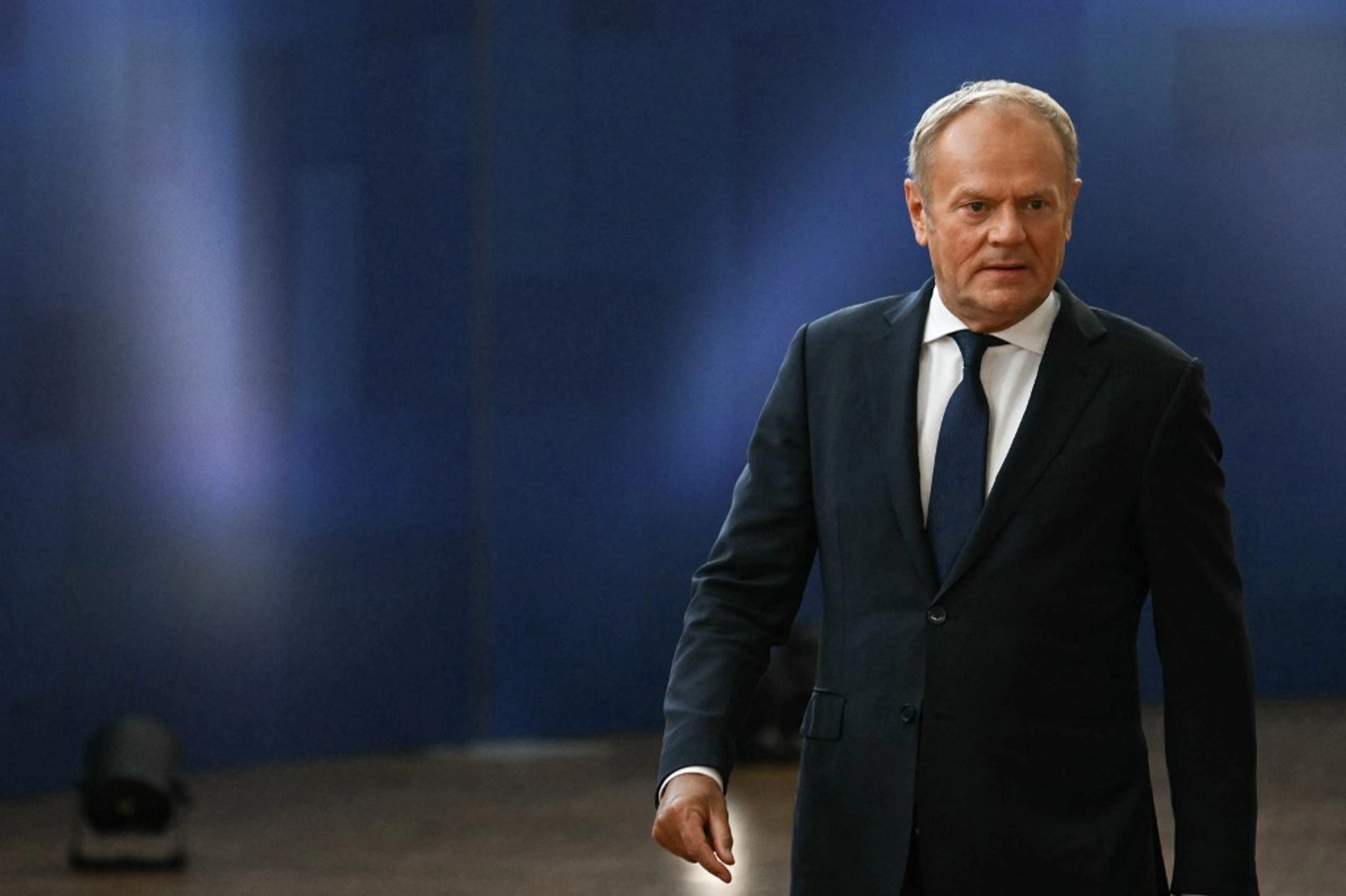
Speaking at a press conference in Brussels, Polish Prime Minister Donald Tusk confirmed that he supported Hungarian Prime Minister Péter Magyar during the EU Council summit regarding the final language of the summit’s closing document. Specifically, Tusk backed Magyar’s insistence that language regarding the “accelerated” accession of Ukraine be removed.
JOIN US ON TELEGRAM
Follow our coverage of the war on the @Kyivpost_official.
According to Tusk, Magyar explained his position based on the domestic political situation in Hungary. Tusk noted that the Hungarian leader had still facilitated progress on the Ukraine issue overall, calling it a historic turn for Hungary.
“I supported the Prime Minister of Hungary, saying: listen to what he is saying, because he needs help. You cannot, figuratively speaking, throw the baby out with the bathwater,” Tusk stated.
Tusk emphasized that while he supports Ukraine’s European integration, the process must remain standardized. “If we have recognized that Ukraine, the Western Balkan countries, and Moldova should have a clear perspective of membership in the European Union, then this process must be based on objective criteria. That is, they must meet all the requirements stipulated by the accession procedure,” he said.
Zelensky Says US Signals Support on Missile Licenses, Warns Belarus Over Border Equipment
The Polish Prime Minister added that including formulations about an accelerated entry has “no practical meaning” and resembles “enthusiasm not supported by real capabilities.” He also noted that temporary preferential trade conditions previously granted to Ukraine without the fulfillment of EU standards had negatively impacted Poland.
Germany proposes ‘associated member’ status
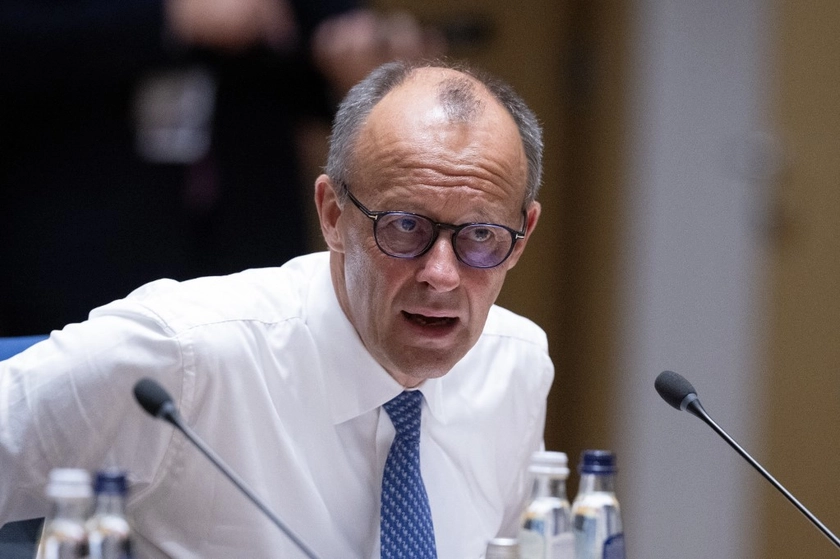
Echoing the necessity for a measured approach, German Chancellor Friedrich Merz stated that a country engaged in an active war cannot become a full member of the EU, Suspilne media reported. However, Merz proposed that Ukraine could be granted “associated member” status.
Merz argued that this format could be implemented without requiring amendments to the foundational treaties of the EU. He cited a historical precedent from Germany’s reunification process.
“In 1990... we introduced observer status in the European Parliament for the then still existing GDR [East Germany], and later for the East German federal states. At that time, 18 observers from East Germany entered the European Parliament without the right to vote,” Merz explained.
The Chancellor maintained that the accession processes for Ukraine, Moldova, and the Western Balkans remain on the EU agenda but must be coordinated.
Magyar prepares for bilateral meeting
The debates over accession language follow Magyar’s announcement on Friday that he had negotiated the removal of the “accelerating” clause after four hours of debate at the EU Council. Magyar framed the result as a compromise that enabled a unanimous closing declaration by all member states.
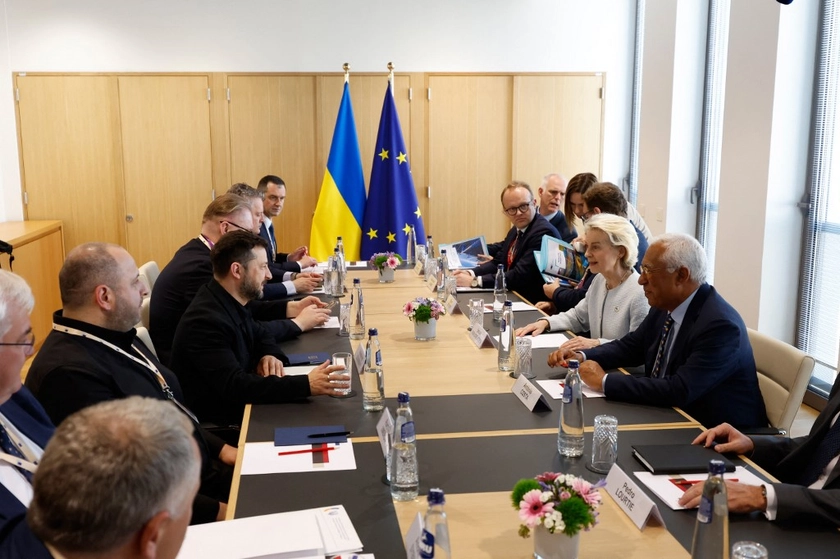
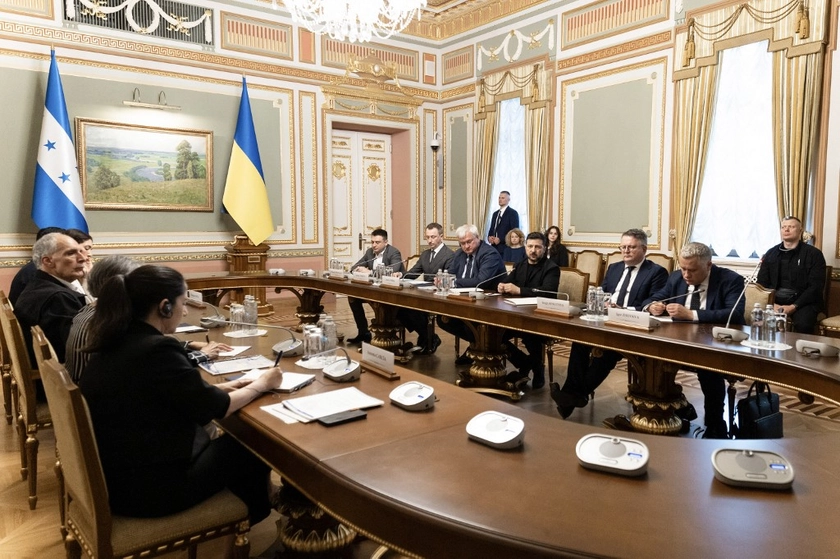
Magyar also confirmed ongoing diplomatic discussions with President Volodymyr Zelensky. Following a conversation at the EU Council on June 18, Magyar indicated his willingness to hold a bilateral meeting with Zelensky in the city of Berehove in Ukraine’s Transcarpathian region, though the final location and format remain under discussion.
These high-level political debates coincide with the official advancement of the integration process. On June 15, the EU officially held an Intergovernmental Conference in Luxembourg, opening the first cluster of accession negotiations – Cluster 1: Fundamentals – with both Ukraine and Moldova.
You can also highlight the text and press Ctrl + Enter