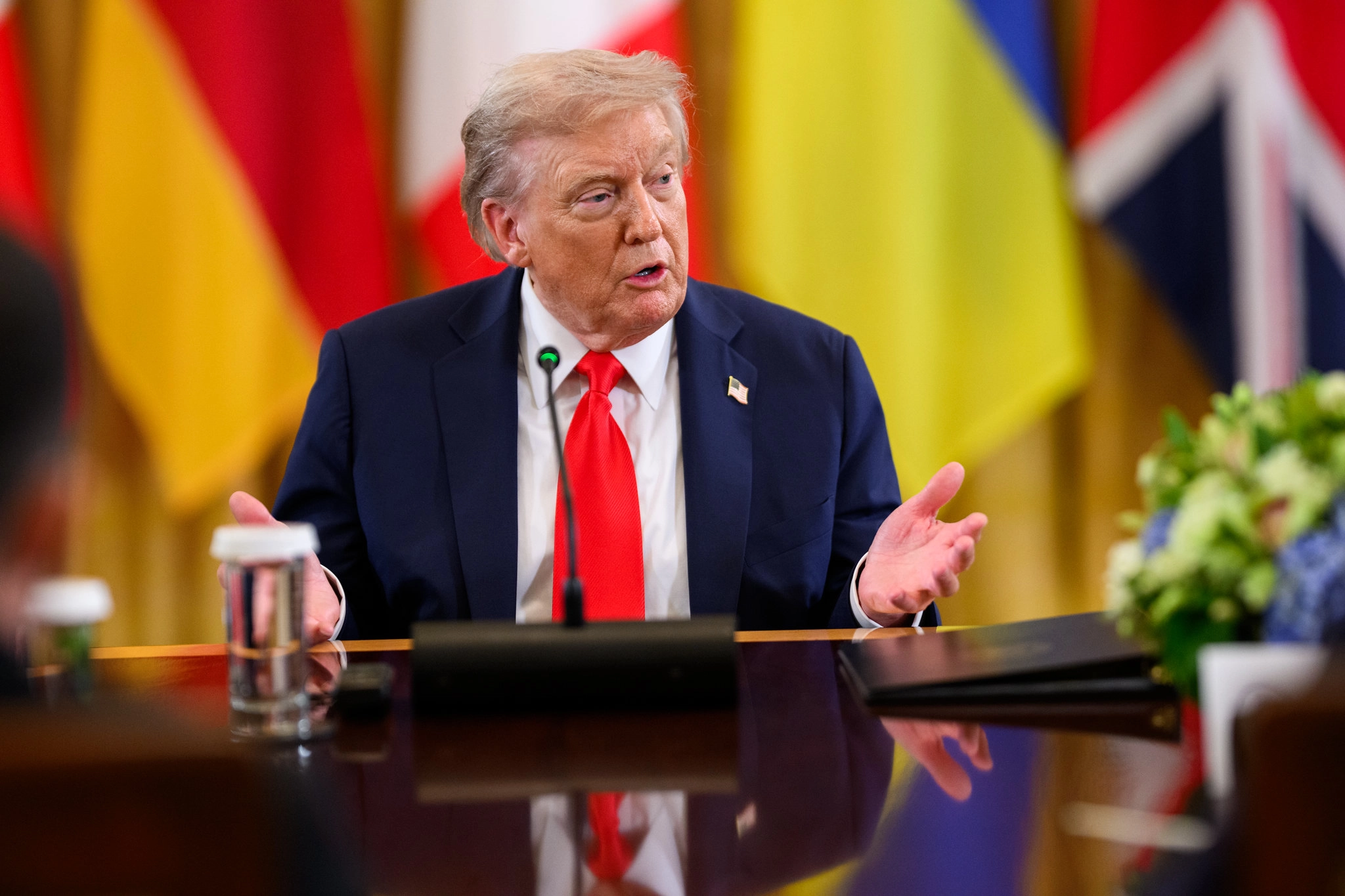
The White House is facing an unexpected public backlash as fresh YouGov polling shows widespread voter skepticism toward US President Donald Trump’s handling of Russia’s war in Ukraine.
The survey, conducted Nov. 26, reveals broad disapproval across party lines, signaling that an administration racing to broker a deal with Moscow and Kyiv before year’s end may be out of step with the electorate.
JOIN US ON TELEGRAM
Follow our coverage of the war on the @Kyivpost_official.
The topline numbers are bruising: 46% of Americans disapprove of Trump’s handling of the Russia-Ukraine crisis, compared with just 36% who approve. And it’s not soft disapproval – 36% “strongly disapprove,” the single largest block of sentiment in the poll.
For a White House that has spent the last two weeks touting “tremendous progress” on a revamped 19-point peace framework, the electorate is signaling something closer to alarm.
Bipartisan ice storm of skepticism
The poll’s cross-tabs read like a checklist of political vulnerabilities. Democrats are nearly monolithic in their opposition, with 75% disapproving (62% strongly disapproving), which is unsurprising, but intense.
Among independents, the numbers are more ominous: 47% disapprove versus 30% who approve, a 17-point gulf that suggests the White House’s pitch has not broken out beyond core GOP support.
Even inside the president’s own party, the footing is less stable than the West Wing would like. While 70% of Republicans approve, a notable 22% disapprove, giving congressional skeptics in the GOP room to distance themselves from a deal many see as too generous to Moscow.
Russia Disguises Fuel Trucks as Milk Tankers to Reach Crimea
That discomfort is rooted in substance, not merely partisanship. The same poll shows Americans favoring a longer war with a full Russian withdrawal over a faster pace that locks in Russian territorial gains – the very trade-off embedded in the administration’s proposed framework.
Diplomatic blitz meets public doubt
The new numbers drop into the middle of an aggressive diplomatic sprint: US Special Envoy Steve Witkoff to be shuttled to Moscow for talks with Russian President Vladimir Putin; and Army Secretary Daniel Driscoll engaged in parallel meetings with Ukrainian officials – including a recent session in Abu Dhabi.
And the White House has been leaking confidence that only “a few” sticking points remain.
But the public isn’t buying it. According to the poll, 53% of Americans think it is unlikely that Ukraine and Russia will reach a peace deal in 2025. Only 7% think a deal is “very likely.”
For a president who plans to appear with both leaders to announce a breakthrough, that deficit of public trust could sap any political momentum such a moment is supposed to generate.
Country split on America’s role
Americans remain divided over whether the US has an obligation to defend Ukraine – a divide reflected in the fact that 67% of Democrats, 49% of Republicans, and 39% of independents (with 31% opposed) fall on different sides of the responsibility question.
That ideological split underscores the political conundrum facing Trump: a peace deal designed to satisfy Republican isolationists risks alienating a broader electorate that still sees the US as having a long-term stake in Ukraine’s sovereignty and is wary of rewarding Russian aggression.
As the administration pushes to close the deal – one that reportedly requires Kyiv to surrender territory it still controls – it confronts a profound mismatch with public sentiment.
Americans prefer holding the line to conceding land. They doubt a deal is close. They believe the US has a role to play, even if it prolongs the war. And by double-digit margins, they disapprove of the president’s approach.
If Trump does return with a final agreement in hand, he will need more than a high-profile summit to sell it.
He will have to convince a skeptical electorate that his version of peace is worth the price—and that it represents victory rather than capitulation.
Right now, the numbers say he hasn’t made that sale.
You can also highlight the text and press Ctrl + Enter

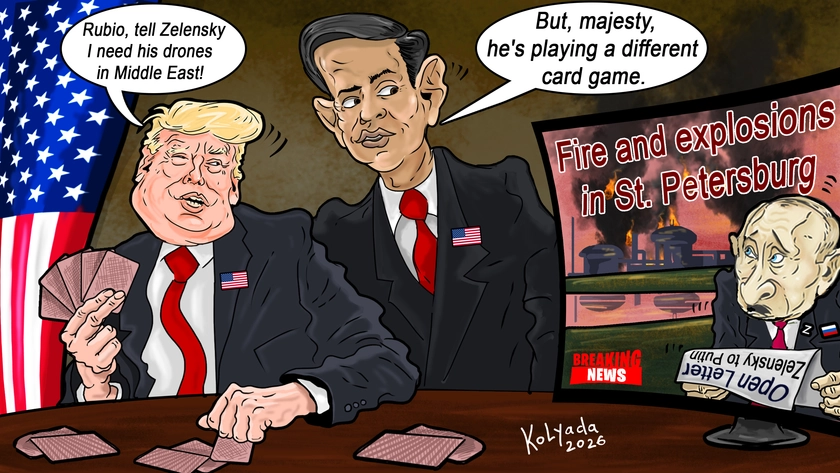
CARTOON: Who Has the Cards Now?
FACT-CHECK: Is Donald J. Trump Truthful About Ukraine?
OPINION: Crimea Cuts, St. Pete Double Tap, Boats Bashed