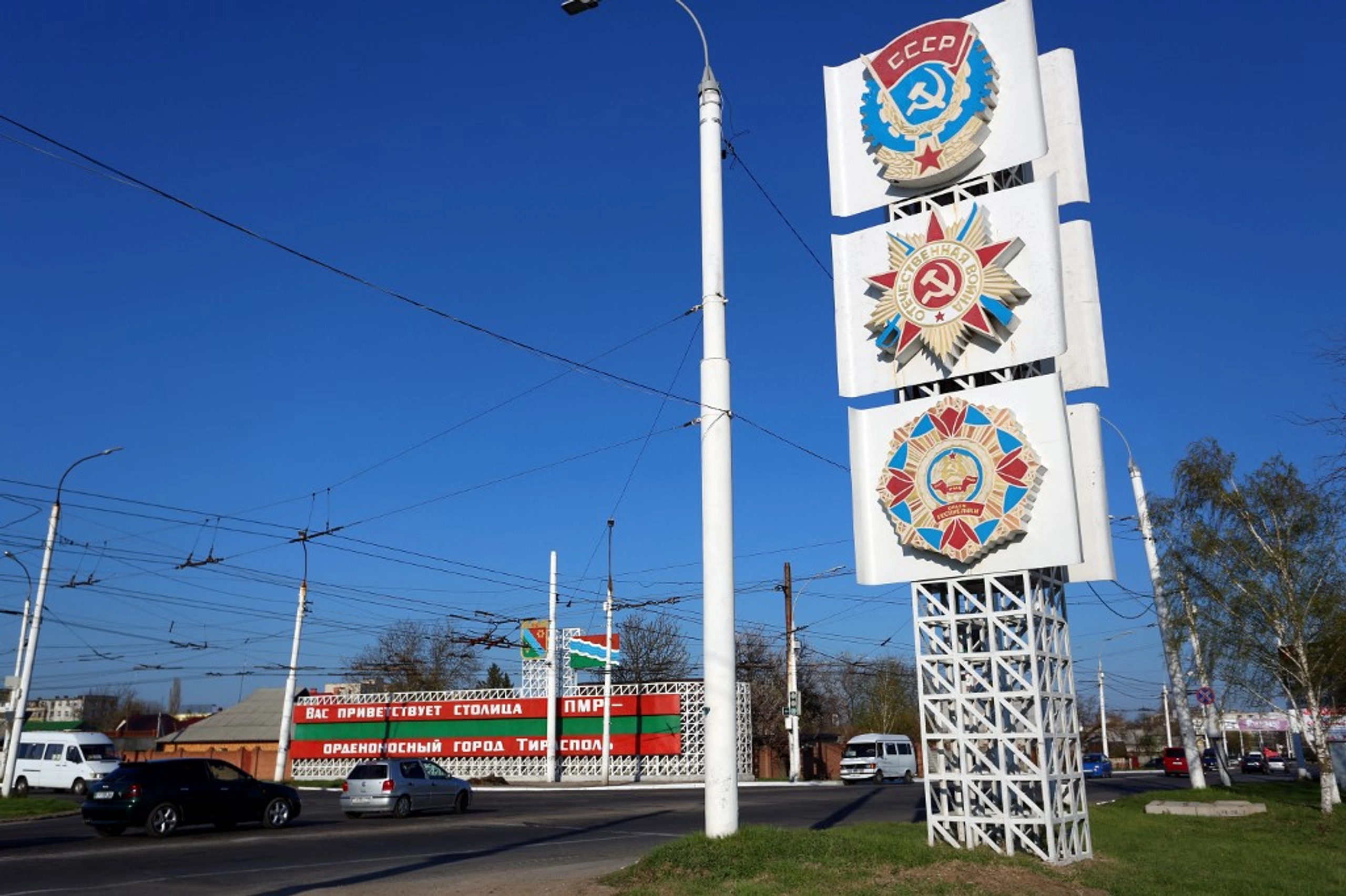
Russia is rapidly stepping up covert and military activity in Moldova’s Transnistria region in what Ukraine’s Military Intelligence (HUR) describes as a Kremlin-driven effort to open a new axis of pressure on Ukraine and destabilize Moldova ahead of key political milestones.
According to Kyiv Post sources in HUR, mobilization measures have been strengthened in the so-called Transnistrian Moldovan Republic (PMR), with reservists being called up to local military formations and weapons taken out of storage.
JOIN US ON TELEGRAM
Follow our coverage of the war on the @Kyivpost_official.
HUR also said that drone production and training centers for UAV operators have already been established in the region.
The intelligence service assessed that the measures implemented by the Kremlin are aimed at increasing Russia’s presence in Transnistria, which Moscow uses to destabilize Moldova and create additional tension along the border with Ukraine’s southern regions, raising the risk of sabotage groups attempting to enter Ukrainian territory.
An intel source told Kyiv Post, on condition of anonymity:
“To achieve its goals, Moscow is sending special service agents to Transnistria, whose task is to exacerbate the crisis, sow chaos through information operations, carry out provocations, and conduct sabotage.”
After Gazprom halted gas supplies to Transnistria in early 2025, the region avoided collapse only because Moldova allowed Moldovagaz to supply the critical resource to the enclave, HUR added.
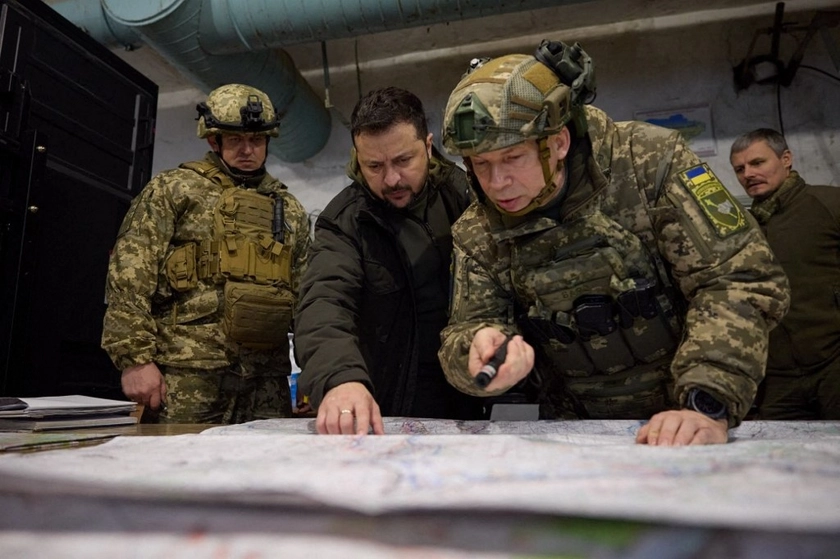
Syrsky: Russian Maps Show False Advances to Please Top Command
The current focus of the Kremlin on Transnistria, according to HUR, marks the start of a Russian hybrid operation linked to the planned 2026 “presidential elections” in the PMR.
HUR said the operation is designed to put Tiraspol back on free Russian gas, and raise the profile of pro-Russian leaders:
“Russia’s operation aims, in particular, to put Tiraspol back on the hook for free Russian gas, boost the image of pro-Russian leaders, and covertly build up Russia’s military contingent in Transnistria so that, when the Kremlin deems it necessary, all accumulated forces and resources are ready for military escalation.”
Transnistria, Moldova’s pro-Russian renegade region, has been a Moscow-backed “separatist” sliver of a sector since the breakup of the Soviet Union, in 1991-1992.
In 1991-92, Moldova fought an unsuccessful war to prevent a Russian-speaking region called Transnistria from seceding from Moldovan control, largely because Russian armed forces stationed there at the time intervened on the separatists’ side.
A ceasefire agreement left a Russian peacekeeper force in place, but in November 1999, Russian President Boris Yeltsin signed an agreement in Istanbul committing Russia to withdraw all its troops by Dec. 31, 2002.
Representatives from Moldova, Transnistria, Ukraine and the OSCE also signed the agreement; the EU and the US were present in Istanbul as observers.
Since then, Russia has withdrawn only a small number of obsolete military vehicles from the enclave. The Kremlin’s position on the missed deadline is that its troops must stay in Moldovan Transnistria, despite the Istanbul agreement, for “regional stability.”
Transnistria’s 470,000 residents are critically dependent on Russia for money financing about 70 percent of Transnistria’s “government expenditures.” Russian energy subsidies delivering natural gas have allowed Transnistria’s inefficient Soviet-era steel and manufacturing industries to retain a market, especially in the EU.
When Ukraine cut off Russian gas deliveries to Transnistria in 2024, Moscow replaced it with humanitarian aid directly to Transnistria residents.
You can also highlight the text and press Ctrl + Enter

Russia Hit by 660-Drone Overnight Barrage Targeting Moscow, Crimea and Key Military Sites