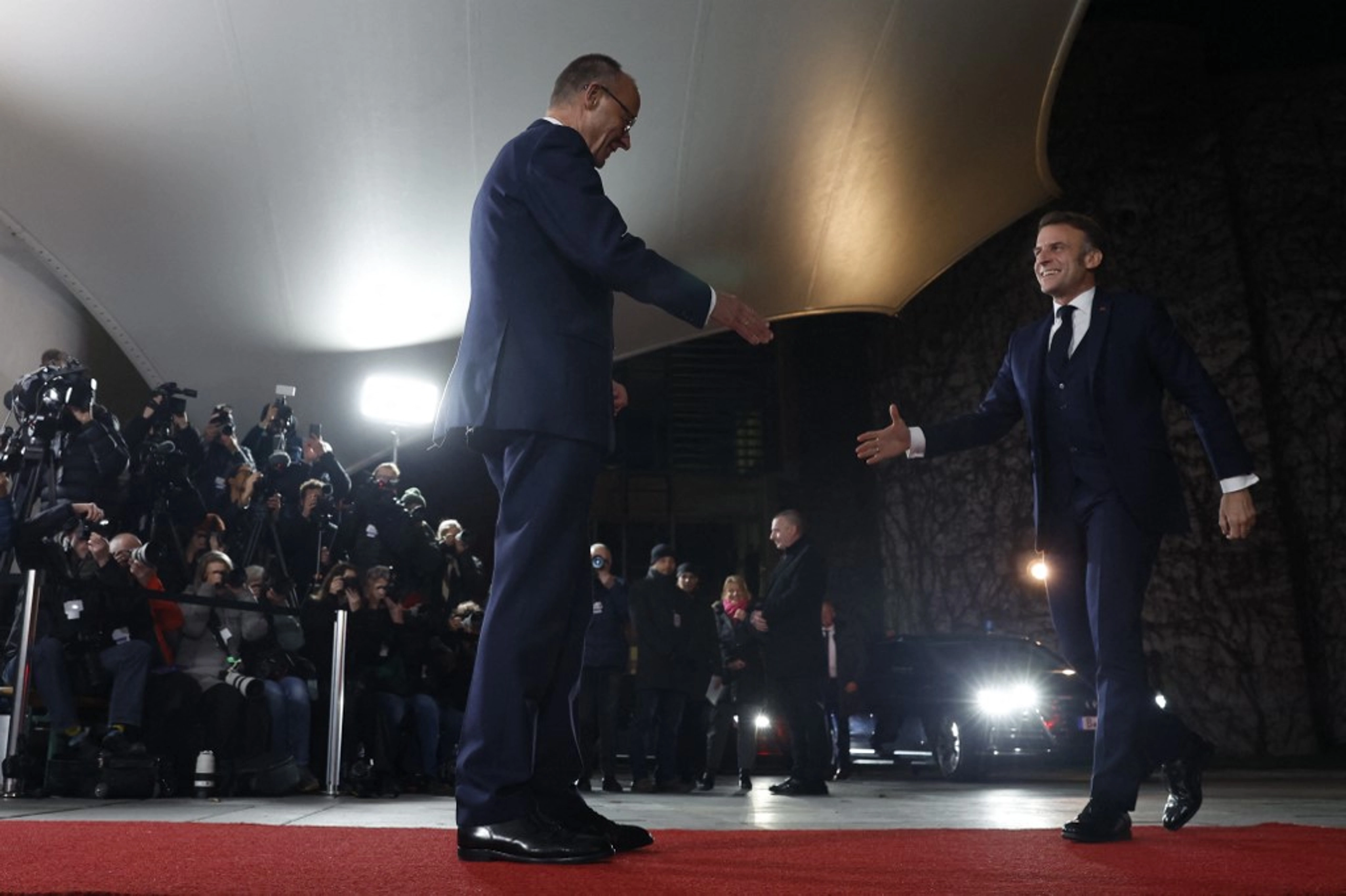
EU leaders along with the leaders of ten EU countries issued a statement laying out their commitment to security guarantees for Ukraine and expressing their support for President Volodymyr Zelensky on Monday, ahead of talks with Zelensky and US officials in Berlin.
Germany, Denmark, Finland, France, Italy, the Netherlands, Norway, Poland, Sweden, and the UK all signed the statement, which was left open for other countries to sign.
JOIN US ON TELEGRAM
Follow our coverage of the war on the @Kyivpost_official.
The leaders welcomed “significant progress” on Trump’s efforts to end Russia’s war in Ukraine, and the “close work” between Ukrainian, US, and European negotiators since a 28-point plan to end Russia’s war in Ukraine, drafted by US and Russian officials, leaked to the press a few weeks ago.
Earlier on Monday, US officials hailed “real progress” after days of negotiations with Ukrainian and European diplomats – including eight hours spent directly with Zelensky over the weekend.
At a joint press conference. Zelensky and German Chancellor Friedrich Merz welcomed a commitment by the US to provide “Article 5-like” security guarantees for Ukraine – although Ukraine continues to resist pressure from Trump to concede territory that Russia has been unable to secure on the battlefield.
On the latter point, Europe chose a side in their statement: reaffirming that “international borders must not be changed by force.”
G7 Summit to Address ‘Five-Point’ Peace Plan as Trump and Zelensky Join European Leaders
Signatories also agreed that “ensuring the security, sovereignty, and prosperity of Ukraine was integral for wider Euro-Atlantic security” – repeating a sentiment often expressed by EU and NATO officials.
The commitments laid out in the statement
- Provide sustained and significant support to Ukraine to build its armed forces, which should remain at a peacetime level of 800,000 to be able to deter conflict and defend Ukraine’s territory.
- A European-led “multinational force Ukraine” made up from contributions from willing nations within the framework of the Coalition of the Willing and supported by the US. It will assist in the regeneration of Ukraine’s forces, in securing Ukraine’s skies, and in supporting safer seas, including through operating inside Ukraine.
- A US led ceasefire monitoring and verification mechanism with international participation to provide early warning of any future attack and attribute and respond to any breaches along with a deconfliction mechanism to work on mutual de-escalatory actions that can be taken to benefit all parties.
- A legally binding commitment, subject to national procedures, to take measures to restore peace and security in the case of a future armed attack. These measures may include armed force, intelligence and logistical assistance, economic and diplomatic actions.
- Invest in the future prosperity of Ukraine, including making major resources available for recovery and reconstruction, mutually beneficial trade agreements, and taking into account the need for Russia to compensate Ukraine for the damage caused. In this vein, Russian sovereign assets in the EU have been immobilised.
- Strongly support Ukraine’s accession to the EU.
Crucially, the signatories agreed to support “whatever decisions” Zelensky makes on certain issues, and said that they would support him to consult the Ukrainian people if needed.
Zelensky said on Dec. 9 that he was “ready for elections” after Trump criticized him for refusing to accept the terms of his plan to end Russia’s war. On Dec. 11, Zelensky hinted at a Ukrainian referendum on the sticking point issue of conceding territory to Russia.
“It is now incumbent upon Russia to show willingness to work towards a lasting peace by agreeing to President Trump’s peace plan and to demonstrate their commitment to end the fighting by agreeing to a ceasefire,” the statement continues.
EU officials have repeatedly cast doubt on the Kremlin’s willingness to engage with the peace process – for example, EU foreign policy chief Kaja Kallas, who said last month that “Russia is not winding down its military machine but ramping it up.”
“We still need to get from a situation where Russia pretends to negotiate to a situation where they need to negotiate,” she added.
Monday’s statement echoed this sentiment, ending with the statement that the leaders had agreed to “continue to increase pressure on Russia to bring Moscow to negotiate in earnest”.
Leaders of the EU’s 27 countries are set to meet in Brussels on Friday, where they will discuss a planned 90 billion euro ($106 billion) loan to Ukraine backed by frozen Russian assets in Europe.
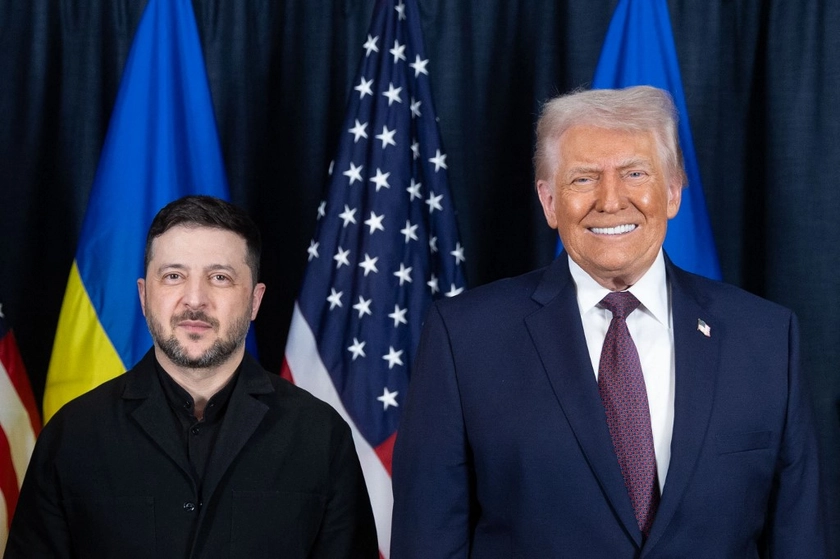
We continue the second day of intensive diplomacy in Berlin. Thank you to everyone who stands with Ukraine! pic.twitter.com/nSOISLDrdS
— Volodymyr Zelenskyy / Володимир Зеленський (@ZelenskyyUa) December 15, 2025
You can also highlight the text and press Ctrl + Enter