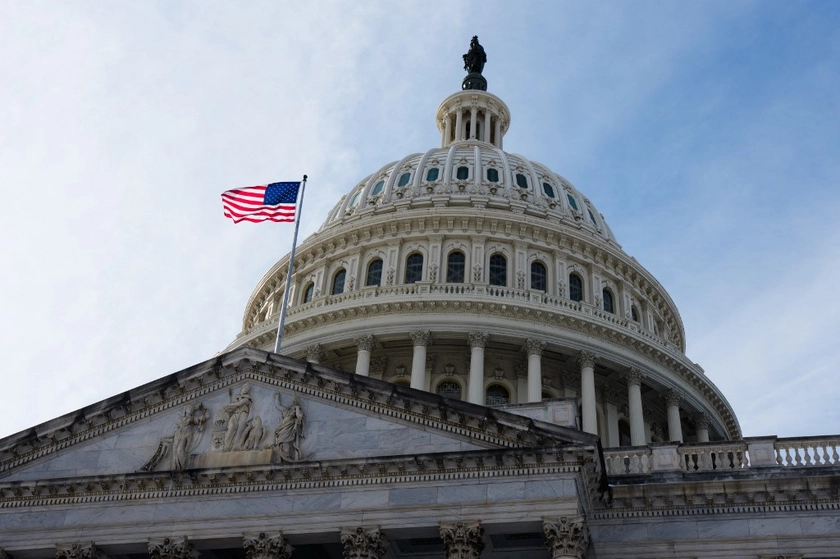
HALLANDALE BEACH, Florida – The suits came to Miami, but the breakthrough stayed home.
After a full afternoon of closed-door talks, US and Russian officials ended Saturday’s high-profile diplomatic push with no visible progress toward ending Moscow’s war on Ukraine.
JOIN US ON TELEGRAM
Follow our coverage of the war on the @Kyivpost_official.
Instead, American negotiators handed Russia what several sources described as a list of follow-up questions and expectations, making clear that Washington sees the next move as Moscow’s responsibility. Discussions will resume Sunday with a US readout expected.
Deliberate silence
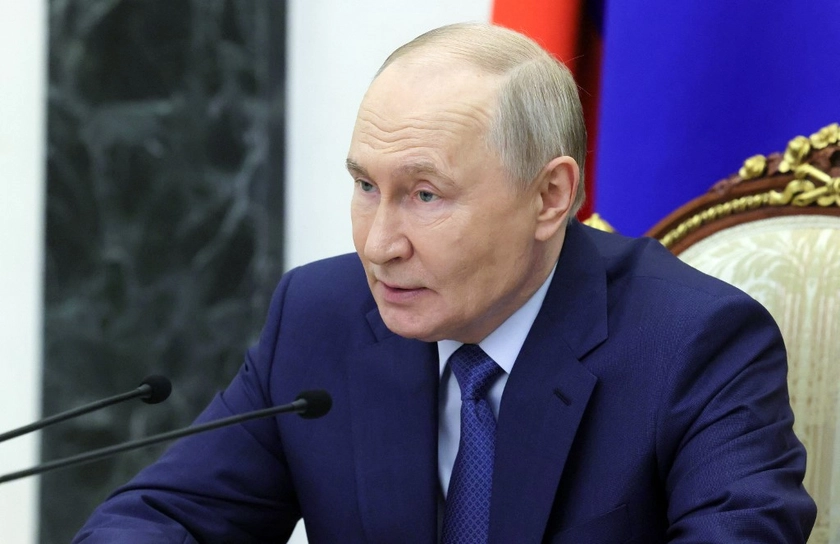
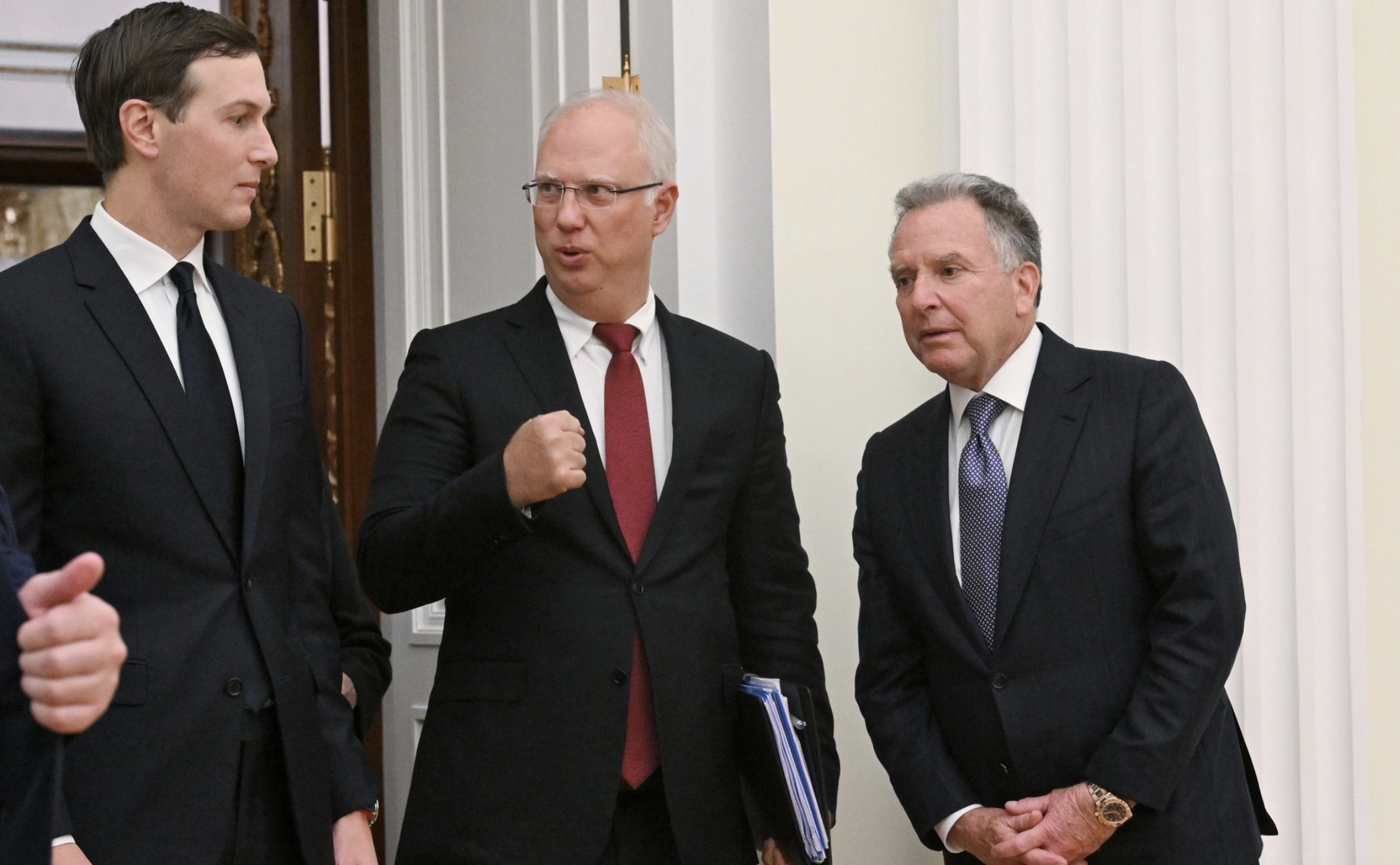
The talks brought together Russian President Vladimir Putin’s special envoy, Kirill Dmitriev, and a US delegation led by Steve Witkoff, President Donald Trump’s special envoy, alongside Jared Kushner, Trump’s son-in-law.
No reporters were allowed into the sessions, no joint statement was issued, and officials declined to provide immediate readouts – a deliberate silence that underscored the cautious tone.
Sources familiar with the exchanges described the US posture as pointed but restrained.
“This wasn’t a negotiation where Washington was bargaining with itself,” the source insisted, adding that “while there was no breakthrough on Saturday,” the US side “walked the Russians through where things now stand after recent discussions with the Ukrainians and said, in effect, ‘Here’s what still doesn’t add up. Come back with answers tomorrow.’”
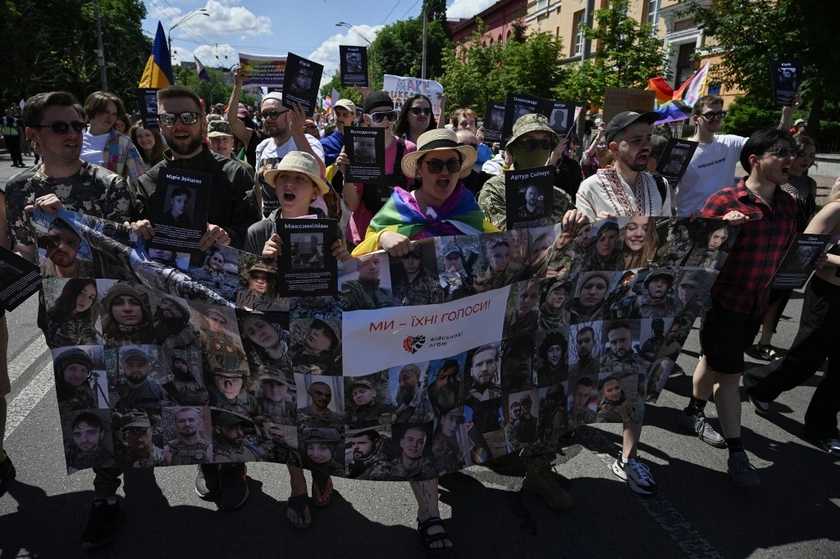
‘Die Together’: Ukraine’s LGBTQ Soldiers Fighting Russia – and for Their Rights
The Miami meetings unfolded as President Volodymyr Zelensky publicly urged Washington to intensify pressure on Moscow, warning that the Kremlin is using diplomacy to buy time while continuing its military campaign.
A day earlier, Putin vowed to press ahead with Russia’s offensive, even as he floated the idea of pausing strikes to allow Ukraine to hold elections – a proposal Zelensky swiftly rejected.
Familiar fault lines
According to officials briefed on the current state of the talks, the core disagreements remain unchanged: Russia’s expansive territorial demands and Ukraine’s insistence on ironclad security guarantees backed by the US.
Moscow has shown little willingness to retreat from claims over territory it has failed to fully capture, while Kyiv maintains it will not cede land seized since the 2022 invasion.
“There’s alignment between Washington and Kyiv that didn’t exist a few weeks ago,” said a third Western official. “But that alignment hasn’t translated into movement from Moscow.”
An unorthodox process
The unusual makeup of the negotiating teams has added to the sense of uncertainty surrounding the talks.
Dmitriev’s participation highlights the Kremlin’s direct role, despite his background leading a sanctioned state-linked economic body.
On the US side, the reliance on Witkoff and Kushner has quietly unsettled some European diplomats, several of whom have already been in Miami since Friday for related discussions.
Ukrainian officials were kept separate from the Russian delegation.
A Ukrainian team spent hours on Friday with Witkoff and Kushner, but US officials ruled out direct trilateral talks for this stage of the process.
Secretary of State Marco Rubio sought to reassure allies, insisting that “there’s no peace deal unless Ukraine agrees to it,” and signaling he could join future talks if they evolve.
What comes next
While Saturday produced no headline-making shift, officials cautioned against viewing the Miami talks as a dead end.
Discussions are set to continue on Sunday, and US officials are expected to issue a formal readout once the weekend meetings conclude – potentially offering the first public signal of whether Moscow is prepared to engage more seriously.
For now, the diplomatic temperature remains lukewarm.
As one Western official put it: “This was always billed as working-level. It stayed that way. What matters now is whether Russia comes back with something new – or just comes back.”
You can also highlight the text and press Ctrl + Enter
Russia Hit by 660-Drone Overnight Barrage Targeting Moscow, Crimea and Key Military Sites