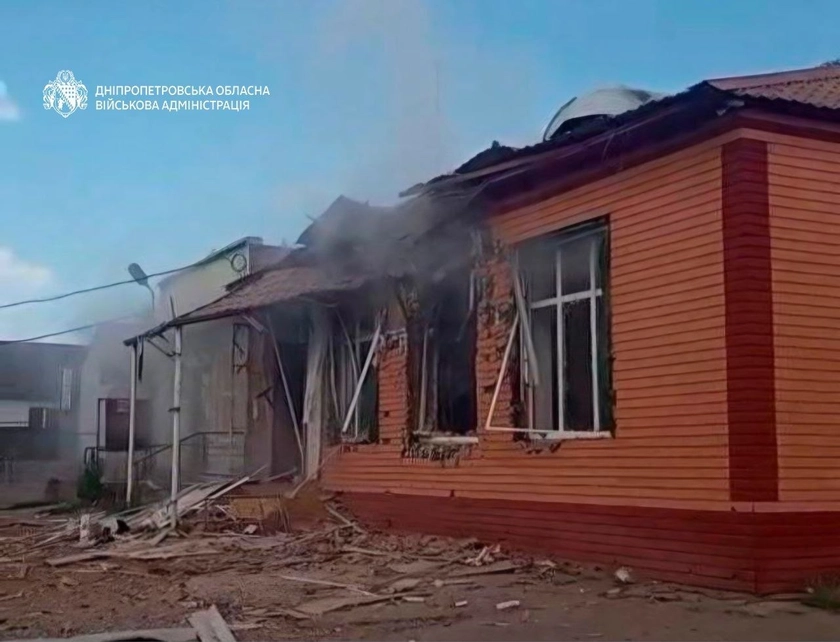
WASHINGTON, DC – Russia’s second-ever combat deployment of the nuclear-capable Oreshnik hypersonic missile slammed into critical infrastructure Thursday night in Lviv Oblast, a high-stakes “meteorite” strike that landed just miles from the NATO border.
While the experimental ballistic weapon targeted the west, a wider, coordinated swarm of 270 missiles and drones focused its fury on Kyiv, killing at least four people, damaging the Qatari embassy, and plunging nearly 6,000 apartment buildings into a sub-zero blackout.
JOIN US ON TELEGRAM
Follow our coverage of the war on the @Kyivpost_official.
The escalation has already ignited a frantic diplomatic counter-offensive in Europe, even as the Trump administration’s conspicuously muted response leaves a deepening leadership vacuum in its wake.
As the smoke was still rising, the only public statement from the US came via social media. Ambassador to NATO Matthew Whitaker hailed “tremendous progress toward durable, enforceable peace,” adding that US President Donald Trump “wants peace in Ukraine.”
That optimistic framing collided with the stark reality in Kyiv. President Volodymyr Zelensky, confronting a winter of crumbling infrastructure under the shadow of hypersonic threats, pivoted from diplomatic formalities to a pointed public appeal for US leadership.
“A clear reaction from the world is needed,” Zelensky wrote. “Above all from the United States, whose signals Russia truly pays attention to.”
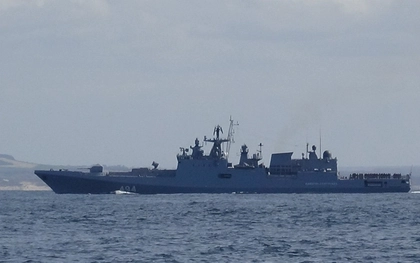
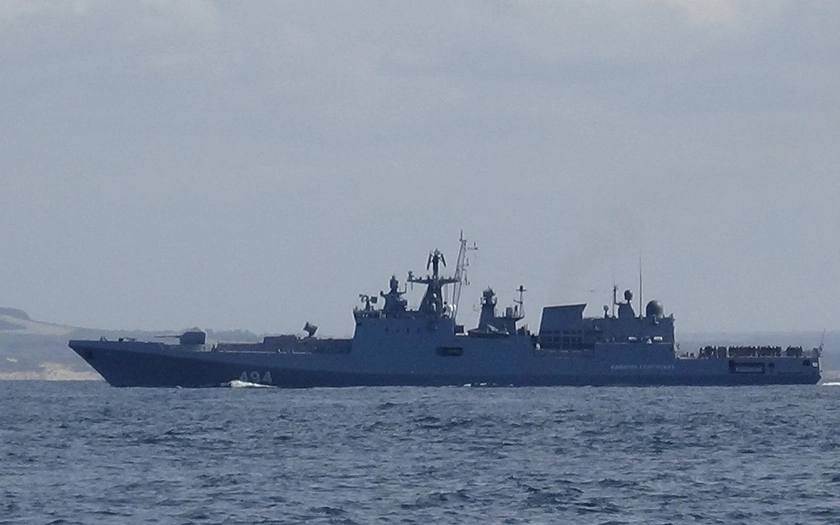
Russian Warship Fires Warning Shots at British Yacht in English Channel
Trump Administration’s quiet response
The gap between US public messaging and the unfolding crisis highlights a burgeoning “wait-and-see” posture in the Trump administration, one increasingly at odds with Europe’s sense of urgency.
While European leaders spent Friday delivering firm condemnations, the primary US diplomatic apparatus remained in low gear.
US Secretary of State Marco Rubio did conduct a readout-worthy call with NATO Secretary General Mark Rutte, touching on Arctic security and the administration’s push for a negotiated settlement.
Yet the official summary notably omitted any public rebuke of the Oreshnik strike – a deliberate silence that has not gone unnoticed by allied diplomats.
“This is the signal Russia interprets as permissive,” a senior Western diplomat told Kyiv Post, speaking on condition of anonymity to discuss sensitive allied tensions. “When the world’s preeminent military power says nothing in the face of a hypersonic missile strike on civilians, it emboldens Moscow.”
Another Western official was more blunt: “We are scrambling behind the scenes, but publicly the US has given nothing. It’s as if the strike didn’t happen.”
Global reactions
Across the Atlantic, hesitation was rare. The Oreshnik’s deployment – only the second known use of the missile since its debut against Dnipro in November 2024 – ignited a wave of European resolve.
European Commission Vice-President and the block’s top diplomat Kaja Kallas called the strike a “clear escalation” and a “warning” directed squarely at the West.
In Berlin, Chancellor Friedrich Merz sought to frame the attack as a failed psychological operation. “Threats are meant to instill fear, but they will not work,” he noted, emphasizing Germany’s continued support for Ukraine.
From Paris to Helsinki, and from the Baltics to the Netherlands, condemnation was virtually unanimous.
Even Canada’s Prime Minister Mark Carney weighed in, calling the targeting of energy infrastructure in freezing temperatures a “dangerous escalation.”
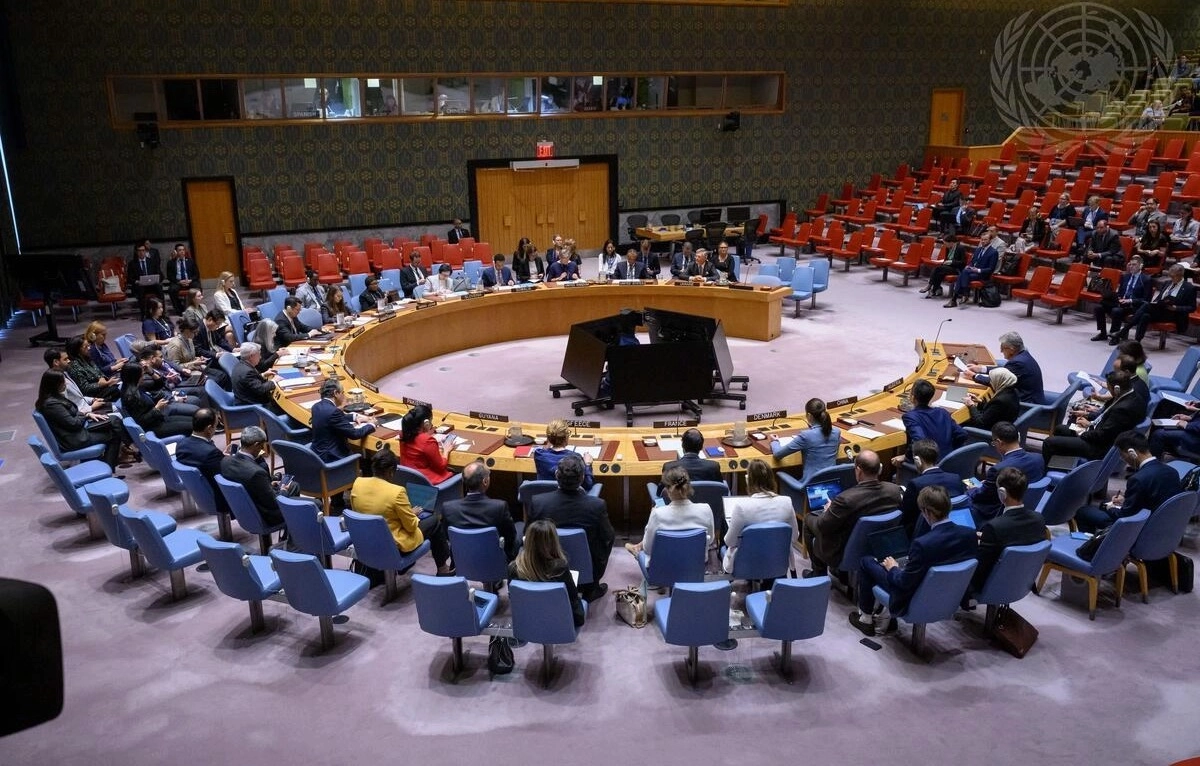
Pressure is now shifting to the United Nations. Secretary-General Antonio Guterres described the strikes as “unacceptable,” and Latvia, using its seat on the Security Council, has convened an emergency session.
Latvia’s Foreign Minister Baiba Braze announced the move on X, citing Russia’s large-scale air strikes:
“Latvia will request an extraordinary meeting of the UN Security Council in response to Russia’s barbaric attack against Ukraine, including using an intermediate-range ballistic missile close to the EU and NATO border,” Braze wrote.
For the Balts and other frontline NATO states, a hypersonic strike near the alliance’s perimeter is not just a Ukrainian tragedy – it is a direct threat to the European security order.
Scale of the attack
The Oreshnik missile was part of a coordinated Russian strike that also involved 13 additional ballistic missiles, 22 cruise missiles, and 242 drones.
Ukrainian officials reported that the city of Lviv was hit, cutting off gas supplies and exacerbating humanitarian strain.
Kyiv Mayor Vitali Klitschko warned residents to consider temporary relocation as the heating grid failed, a reminder that the “peace” Whitaker referenced on social media feels worlds away.
Analysts say the strike signals Moscow’s intent to pressure both Ukraine and the West.
Zelensky urged global leaders to act without delay. “Supporting Ukraine’s air defense is a permanent priority. Not a single day can be lost in deliveries, in production, or in agreements,” he wrote, emphasizing the need for a coordinated international response.
With the world’s leaders condemning the strikes and the UN Security Council now convening at Latvia’s request, the Trump administration’s silence stands out starkly.
And it leaves Kyiv to wonder if Washington is holding its tongue to preserve leverage at the negotiating table – or whether the only language Moscow currently understands is the one just delivered via hypersonic missile.
You can also highlight the text and press Ctrl + Enter