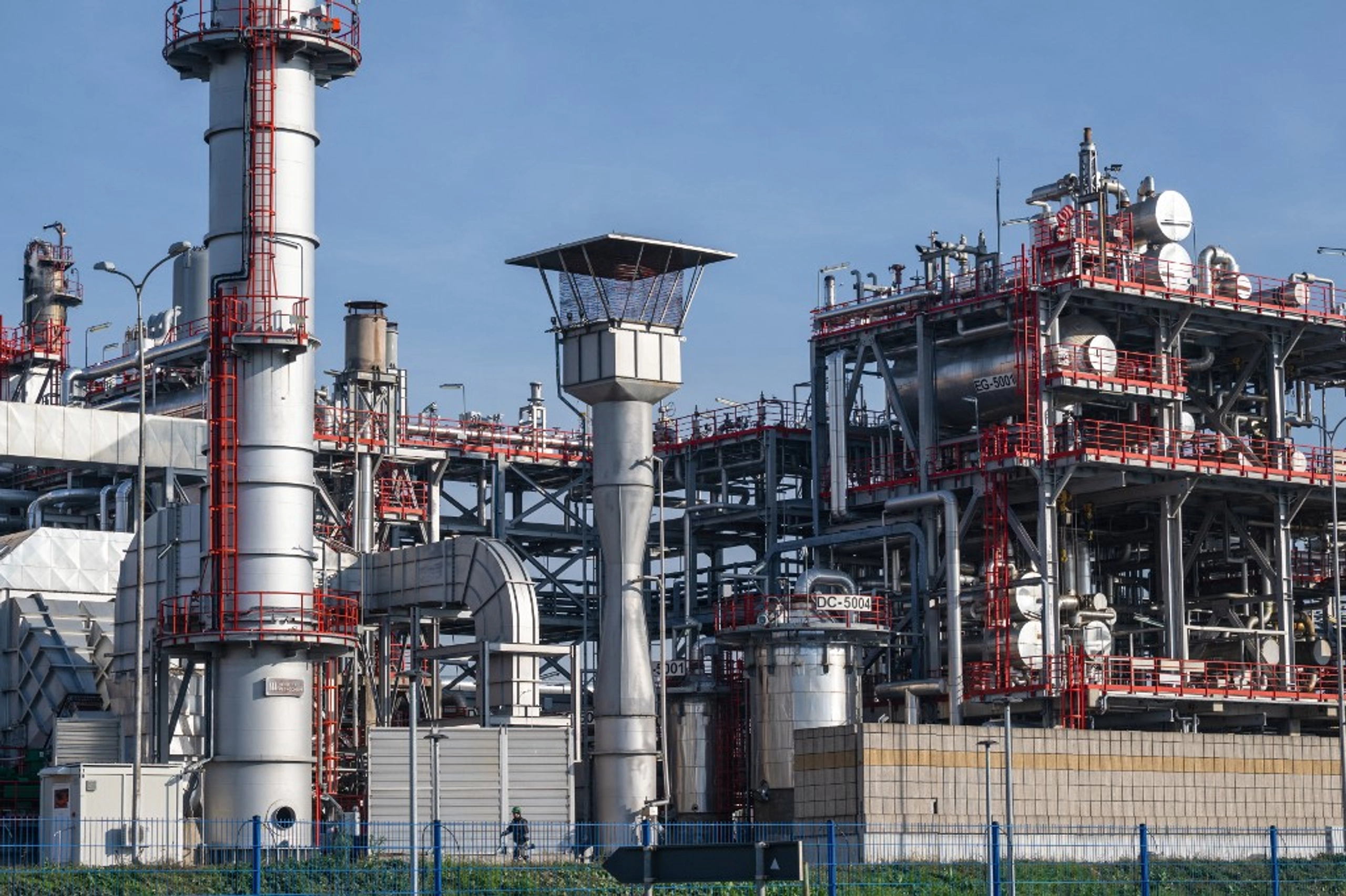
Gazprom Neft, a subsidiary of Russia’s state-owned oil company Gazprom, agreed to sell its majority stake in Serbia’s largest oil and gas company Naftna Industrija Srbije (NIS) to Hungarian energy giant MOL on Monday – pending approval from Washington.
NIS, which operates Serbia’s sole oil refinery, was hit by US sanctions on Russia’s energy industry in October. By early December, Pancevo refinery – which supplies over three quarters of Serbia’s fuel – had been forced to shut down.
JOIN US ON TELEGRAM
Follow our coverage of the war on the @Kyivpost_official.
“As a reliable regional energy supplier, we want to contribute to the development of Central and Southeastern Europe. We have had excellent professional cooperation with our partners in Serbia for many years,” MOL Group CEO Zsolt Hernady said in a statement.
Operations recommenced on Sunday after the better part of two months. On Dec. 31, the US Office of Foreign Assets Control granted NIS a temporary sanctions reprieve, along with a license to negotiate the sale of Gazprom’s 56.15% stake in NIS by March 24.
According to Serbian media outlet RTS, MOL has now signed a binding agreement with Gazprom Neft to acquire that stake. Abu Dhabi National Oil Company is discussing the possibility of joining with MOL as a minority stakeholder.
“The energy sovereignty of landlocked countries requires the cooperation of strong local refineries that operate predictably and successfully, as well as the involvement of strong partners. Therefore, MOL Group is in negotiations with ADNOC, the national oil company of the United Arab Emirates,” Hernady’s statement continues.
Serbia to Reintroduce Mandatory Military Service by Next March
The sale and purchase agreement is planned to be signed by March 31 – however, the deal requires the consent of the US sanctions office before it can move forward.
The sale also stipulates that the Serbian government will increase its stake in NIS – which currently stands at 30% – to 35%.
Hungary, Moscow’s closest ally within the EU, remains reliant on Russian gas and opposed to Europe’s attempts to force Russia to negotiate an end to its full-scale war in Ukraine. Last month, however, it signed a five-year liquefied natural gas (LNG) agreement with US energy giant Chevron.
You can also highlight the text and press Ctrl + Enter

Attack on Moscow Oil Refinery: Putin Under Pressure?