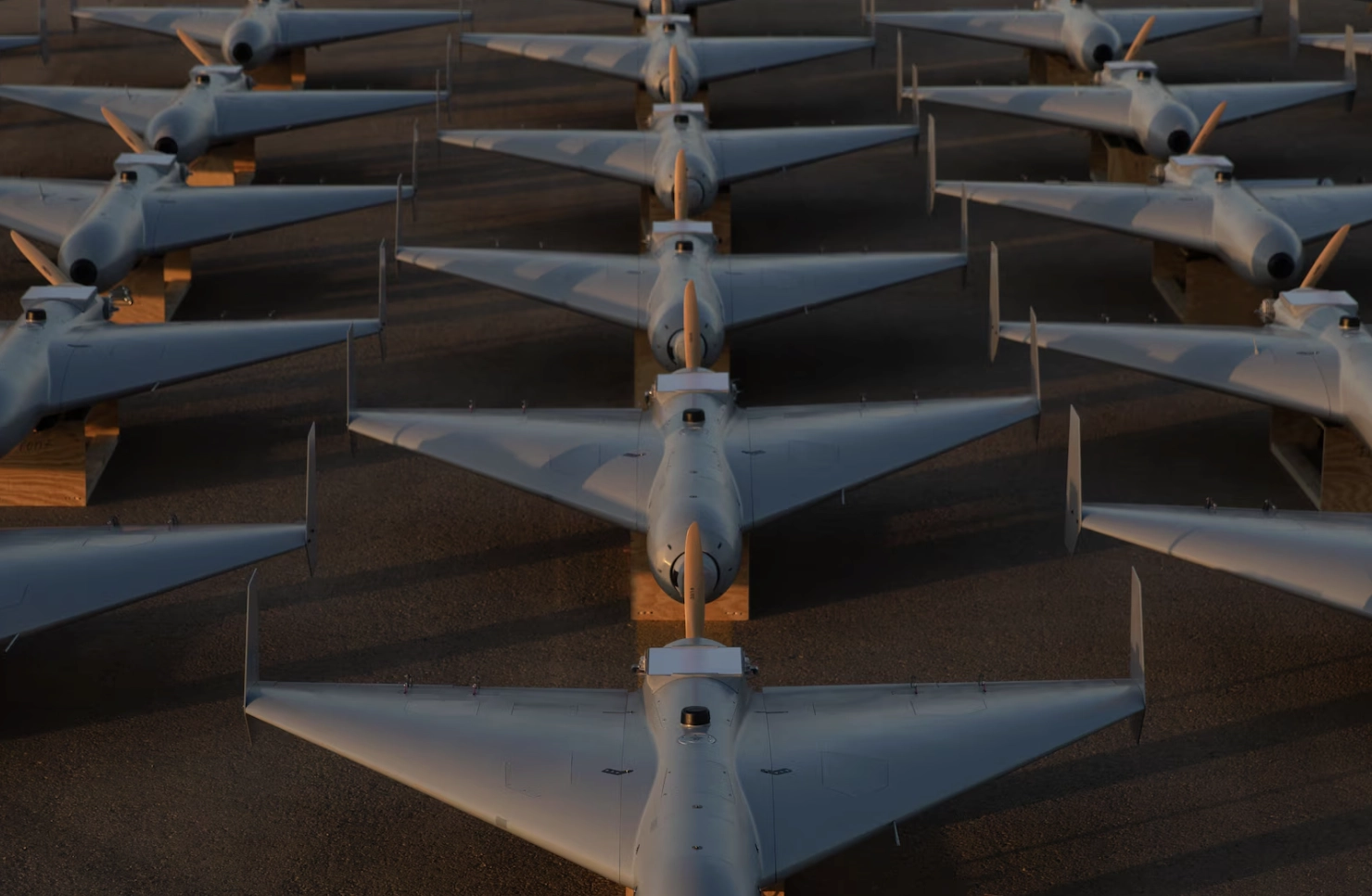
The United States has deployed a new long-range drone in strikes against Iran, and analysts say the system closely mirrors Tehran’s own Shahed-136 loitering munition.
The United States Central Command (CENTCOM) confirmed the operational use of the “low-cost one-way attack drones,” or LUCAS. According to the BBC, the drone is conceptually similar to Iran’s Shahed and may be equipped with satellite communication terminals.
JOIN US ON TELEGRAM
Follow our coverage of the war on the @Kyivpost_official.
Open-source analysts have described LUCAS as an “unlicensed copy” of the Shahed-136, suggesting it may have been developed through reverse engineering of downed Iranian drones. US officials have not commented on those claims.
A Shahed in all but name?
Visually and structurally, the resemblance is striking.
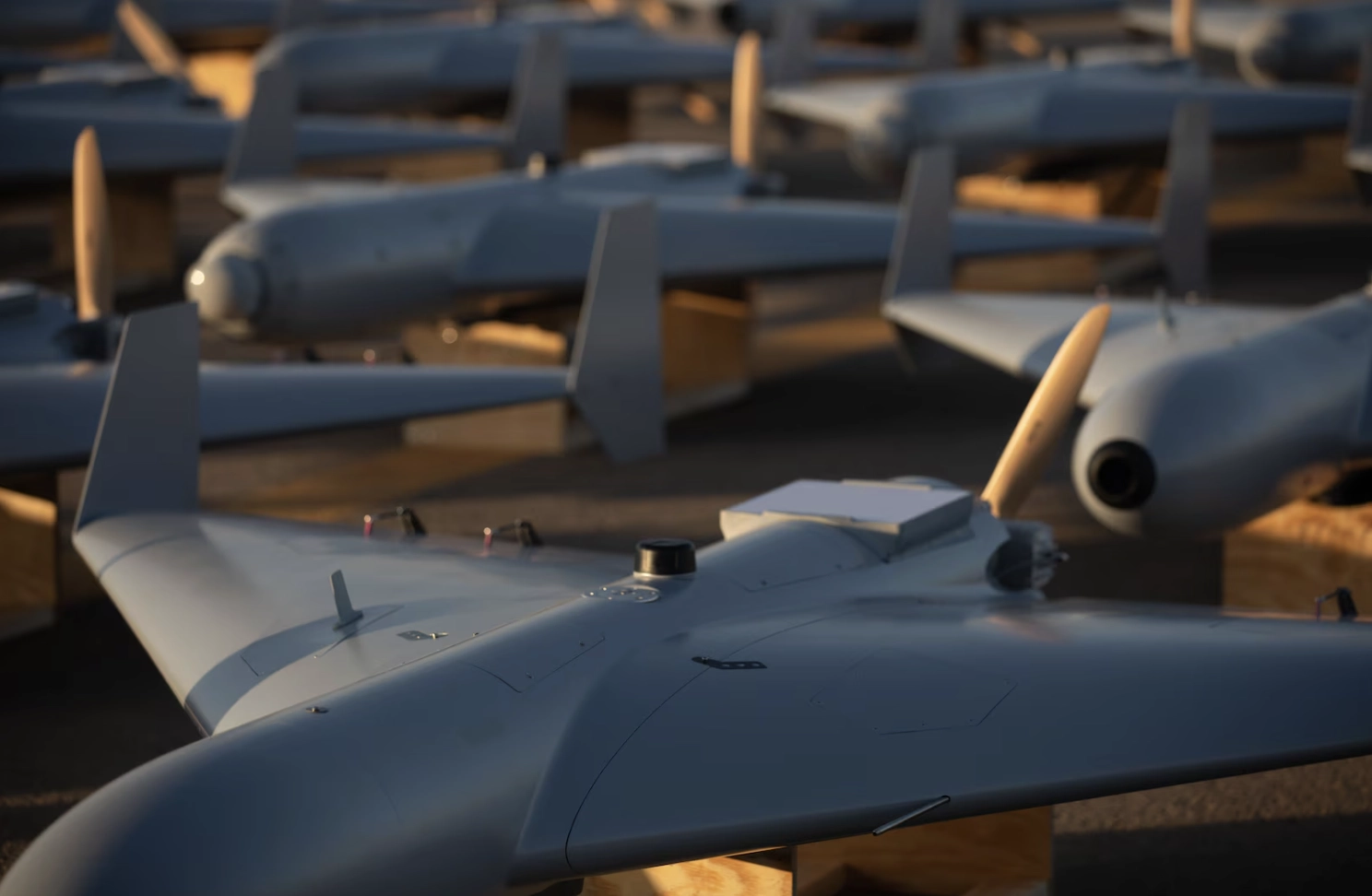
Like the Shahed, LUCAS uses a delta-wing configuration, an internal combustion engine and a rear-mounted pusher propeller – the same layout that has allowed Iran’s inexpensive drones to reshape modern battlefield tactics, including in Russia’s war against Ukraine.
In December, CENTCOM released images of the drones showing light-colored rectangular panels mounted on the upper fuselage. Analysts say the shapes resemble satellite internet terminals produced by SpaceX for its Starlink network.

Ukraine Regained Battlefield Initiative but Needs More Aid to Keep It – Fedorov
Washington has confirmed the first use of LUCAS in Iran but has not disclosed whether the drone integrates Starlink terminals or the more secure military-focused Starshield system, also developed by SpaceX.
Harder to intercept
Drones equipped with satellite communication systems can be controlled throughout their entire flight path. If fitted with onboard cameras, operators can receive real-time video and adjust course accordingly.
The BBC notes that satellite signals are difficult to jam. Operators can fly such drones at low altitude to avoid radar detection or steer around known air defense zones, making them significantly harder to intercept.
As of late 2025, LUCAS drones were reportedly deployed in the Middle East as part of Special Operations Joint Task Force-Scorpion.
Regional escalation
The drone deployment comes amid a dramatic escalation among Iran, Israel and the United States.
On Feb. 28, Israel and the US announced coordinated strikes against Iran under the operation names “Roar of the Lion” and “Epic Fury.”
Multiple explosions were reported in Tehran and other major cities. The Israel Defense Forces later confirmed that Iran’s Supreme Leader, Ali Khamenei, 86, was killed in a strike on his residence.
The deaths of Mohammad Pakpour, commander-in-chief of the Islamic Revolutionary Guard Corps (IRGC), and senior security official Ali Shamkhani were also reported by Iranian state media.
In response, Iran launched ballistic missiles at Israel and targeted US military bases across the Gulf, including in Qatar, the UAE, Bahrain, Kuwait, Saudi Arabia and Jordan. Explosions were reported in Dubai, Abu Dhabi and Riyadh. Israel later struck Hezbollah targets in Lebanon.
On March 1, US President Donald Trump said Iranian leaders were seeking to resume negotiations and that he had agreed, without specifying a timeline. The White House said 49 senior Iranian regime figures were killed during Operation Epic Fury.
You can also highlight the text and press Ctrl + Enter

Russia Hit by 660-Drone Overnight Barrage Targeting Moscow, Crimea and Key Military Sites