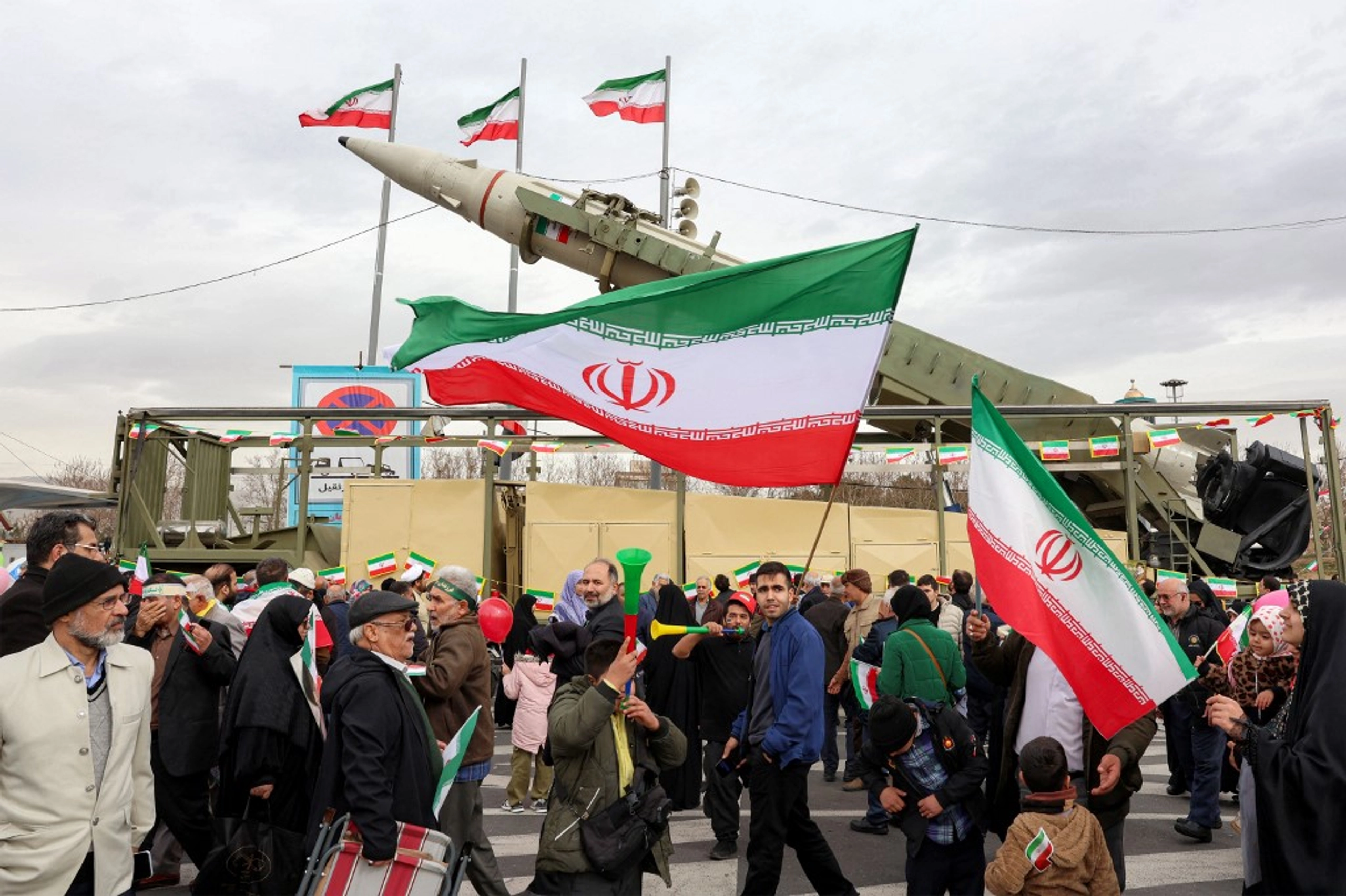
The clearest lens through which to view the Iranian threat to Europe is the Russian engine now at its core. What began as drone deliveries to the Ukrainian battlefield has evolved into something more consequential – and more dangerous. Tehran has not only supplied Moscow with unmanned aerial systems; it has helped establish production capacity inside Russia, embedding itself in the Kremlin’s war economy.
More recently, negotiations led by Rosoboronexport, the state-run Russian arms export agency, point to the transfer of advanced MT36 jet-propulsion technology, people familiar with the matter tell Euractiv. These are not symbolic components. They power sophisticated cruise-missile systems, some capable of carrying nuclear payloads and travelling distances far beyond the operational needs of any regional conflict. For Iran, the logic is obvious – rebuild and expand the one military instrument that has consistently underwritten its regional leverage: its missile force. For Europe, the implications are immediate.
JOIN US ON TELEGRAM
Follow our coverage of the war on the @Kyivpost_official.
Iran is not merely assisting Russia behind the scenes – it is participating directly in a war on Europe’s frontier. Engines designed to propel long-range cruise missiles are not defensive acquisitions. They are instruments of reach, deterrence, and coercion. When coupled with Tehran’s record of maritime brinkmanship in the Strait of Hormuz and its pattern of proxy warfare, the strategic direction is unmistakable.
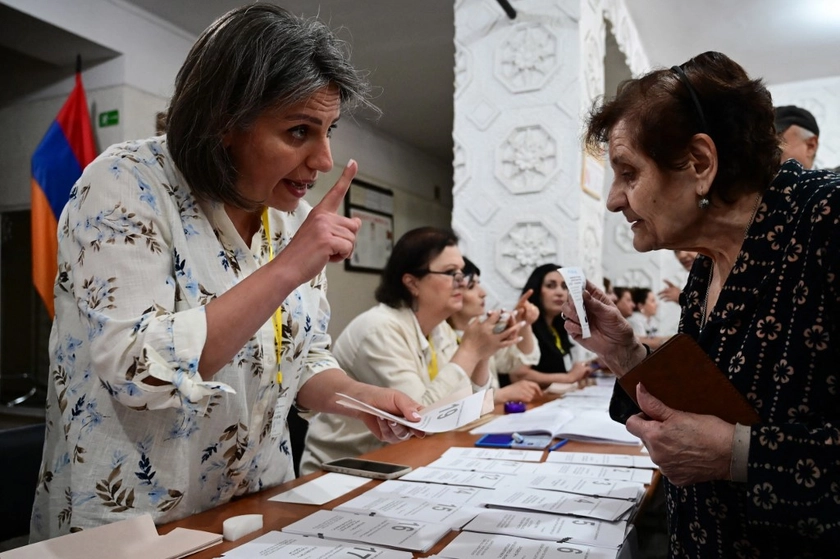
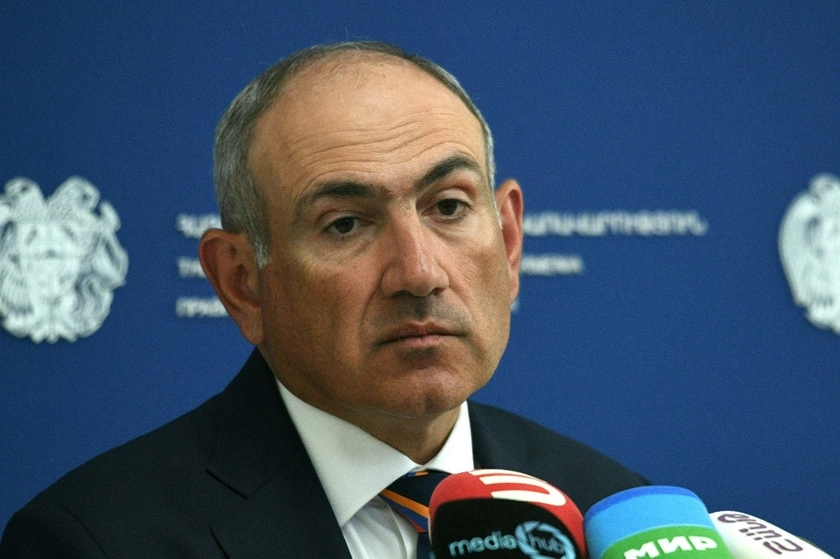
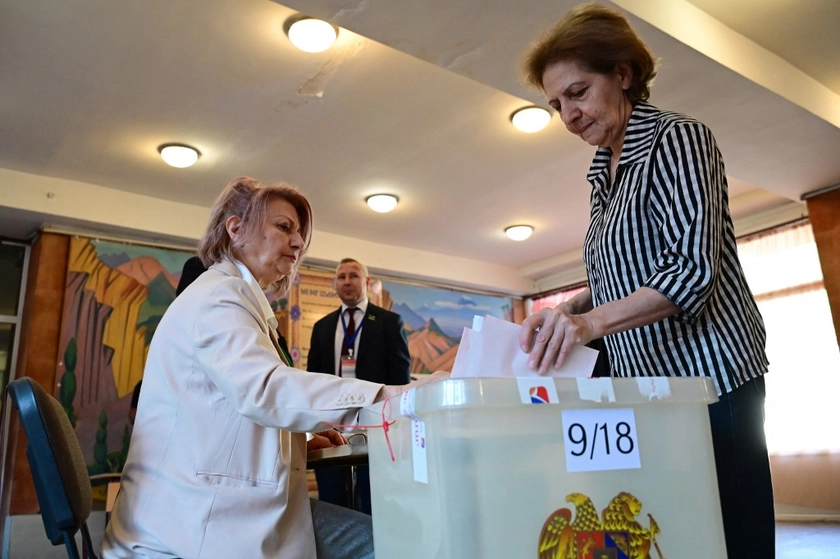
Pashinyan Dismisses ‘Ukrainian Scenario’ Threats as Polls Open in Armenia
Despite Israeli strikes on Iranian targets in October 2023 and again in June 2025 – operations that complicated Tehran’s military planning – talks between Moscow and Tehran have continued, largely out of public view. What is taking shape resembles not transactional convenience but strategic alignment between two revisionist powers.
Iran is not merely assisting Russia behind the scenes – it is participating directly in a war on Europe’s frontier.
The facts are stark. The Iranian regime is a security threat to Europe. It is materially supporting Russia’s assault on Ukraine while advancing its own long-range strike capabilities. It is engaging in nuclear brinkmanship and practicing economic blackmail through energy routes vital to European prosperity. This is not rhetoric; it is observable policy.
At the same time, the regime is at one of its weakest moments since 1979. Financial strain is acute. Internal legitimacy is eroded. Protest movements have revealed a society that is younger, more connected and more defiant than its rulers. Leadership fractures are visible beneath displays of resilience. Repression continues – yet repression is often the reflex of insecurity.
History shows that popular uprisings gain confidence when they sense the world is watching – and supporting. The Arab uprisings demonstrated how international visibility can shift psychological balances, emboldening citizens and unsettling regimes. Iranians have long carried a grievance that global powers exploited their country’s resources while neglecting their democratic aspirations. A credible signal of solidarity from Europe would not be cosmetic; it would be catalytic.
Yet Europe’s posture remains hesitant. Leaders rightly condemn the regime’s brutality, but they continue to speak reflexively of dialogue and abstract adherence to international law – as though the primary issue were diplomatic etiquette rather than strategic aggression. Europe now faces a choice.
One path is accommodation – accepting blackmail, tolerating missile expansion, and preparing to manage a more radicalized regime for a generation to come. If the regime survives its current crisis, it will likely emerge more militarized and more emboldened.
Yet Europe’s posture remains hesitant.
The other path is to recognize opportunity. Elements of Iran’s opposition are increasingly coordinated. Among the figures seeking to unify disparate strands is Reza Pahlavi, who promotes a secular, democratic, and pro-Western agenda and whose name has been chanted by segments of protesters inside and outside Iran. Engagement does not require endorsement of every platform – but to ignore organized democratic opposition would be strategically short-sighted.
Concrete steps are available. European states could freeze high-level diplomatic engagement and expel regime diplomats where security concerns justify it – particularly given recent defections from Iranian missions. They could expand targeted sanctions against hard-line officials within the judiciary and security apparatus. They could make clear, publicly and consistently, that Europe’s solidarity lies with the Iranian people rather than their rulers.
Above all, Europe must acknowledge that the Moscow–Tehran axis is not a distant abstraction. When Iranian-supplied drones strike Ukrainian cities, when advanced Russian engines enhance Iran’s missile reach, when energy routes are threatened, European security is directly implicated.
The least Europe can do for Iran is also what it must do for itself – abandon strategic ambiguity, recognize the regime as an active threat, and align openly with those Iranians seeking a different future.
See the original of this opinion piece for Euractiv’s Brief by Matthew Karnitschnig here.
You can also highlight the text and press Ctrl + Enter