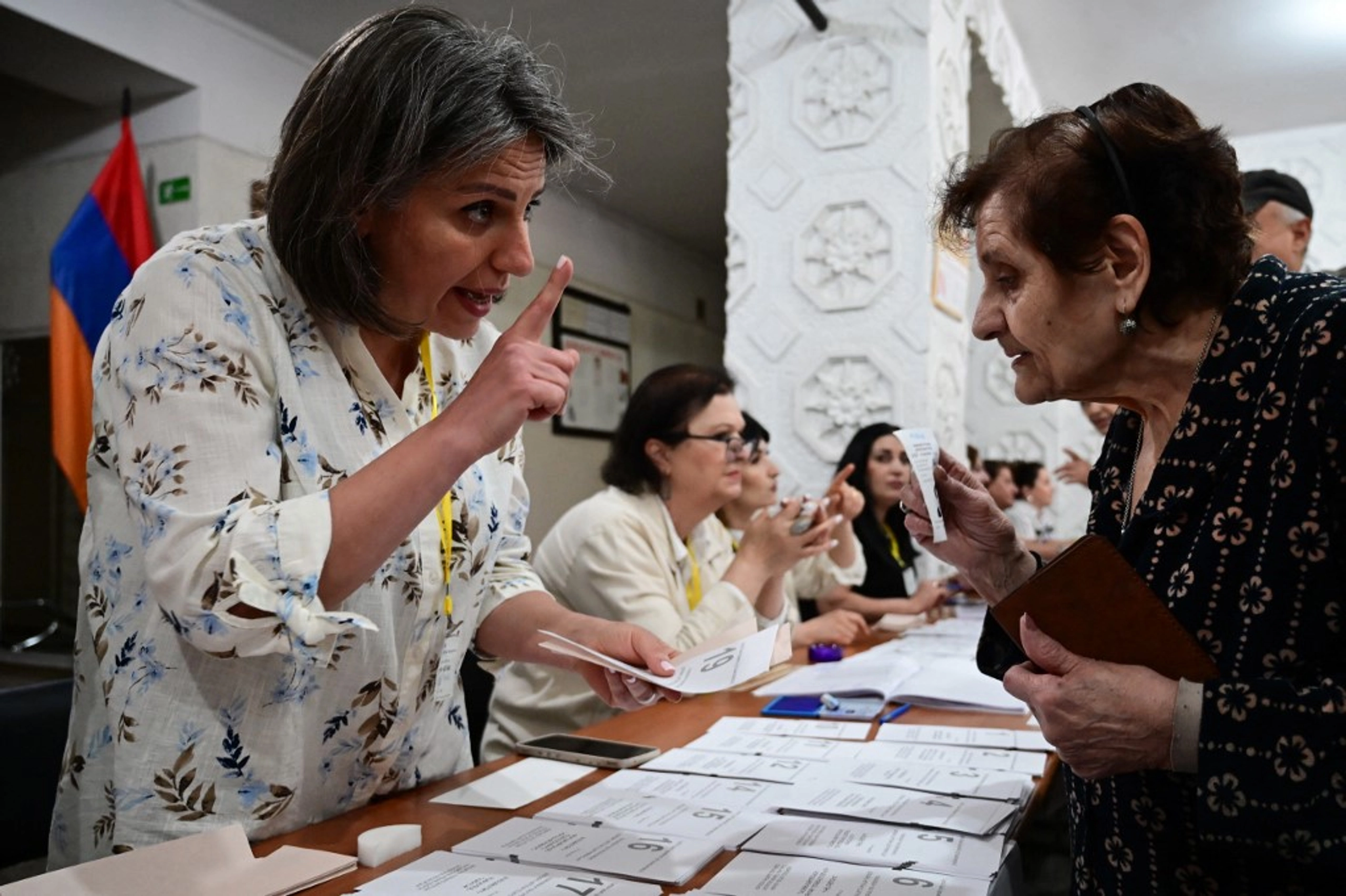
Armenians turned out in large numbers to cast their ballots in Sunday’s critical legislative election, yielding a sharp increase in voter participation compared to previous cycles, even as law enforcement agencies scrambled to crack down on a wave of localized voting fraud and criminal violations, Radio Liberty reported.
Surging voter engagement
The voter turnout reached 48.92% by 5:00 p.m. local time, with just three hours remaining before the closing of the polls. This figure represents a notable surge in voter participation compared to the country’s previous parliamentary election, where turnout at the same hour stood at 38.52%.
JOIN US ON TELEGRAM
Follow our coverage of the war on the @Kyivpost_official.
In total, some 2.5 million citizens hold legal voting rights in the current election cycle. Polling stations officially closed their doors at 8:00 p.m. local time, and electoral commissions have commenced preparatory operations ahead of the official ballot counting process. The Central Electoral Commission (CEC) is scheduled to begin publishing the initial tranches of voting data later tonight.
Arrests and electoral fraud probes
While the high turnout signals robust public engagement, the electoral process faced numerous security challenges and targeted infractions. As of 5:00 p.m. local time, the Operational Management Department of the Ministry of Internal Affairs and its dedicated emergency hotlines had logged 57 explicit election-related distress calls.
The ministry’s statement confirmed that law enforcement has already verified and documented several severe categories of criminal interference. 19 distinct cases of multi-voting or ballot-box stuffing were recorded, 15 instances involved the direct violation of voting secrecy.
Ukraine Says Strikes on Russia’s Shadow Fleet Are Legal
Two cases involved the physical or administrative obstruction of citizens trying to exercise their right to vote and one case of outright voter bribery was documented, alongside one incident involving an individual carrying a weapon directly onto a polling station floor.
Pre-trial investigative authorities have assumed control of the compiled case files, and police have already detained 14 individuals in connection with these offenses. Furthermore, security services are actively investigating an additional 198 reports of alleged voting irregularities, while simultaneously auditing election-related claims appearing across social media networks and mainstream press outlets.
The geopolitical stakes
The intense domestic atmosphere reflects the historical gravity of the ballot. A total of 18 political forces – including 16 independent parties and two broader coalitions – are competing for seats in Armenia’s minimum 101-seat parliament. Individual parties must clear a 4% threshold to gain entry, while multi-party alliances face an 8% barrier.
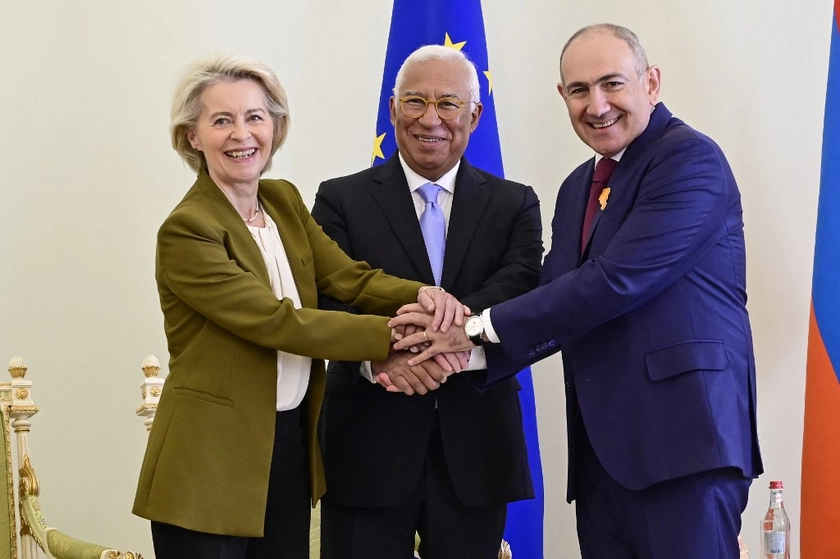
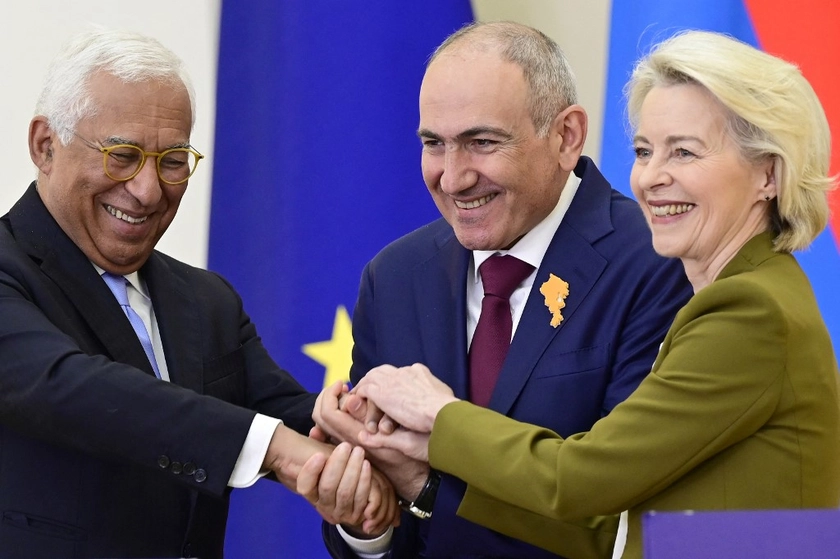
Incumbent Armenian Prime Minister Nikol Pashinyan’s Civil Treaty party leads current polling with roughly 30% of public support, shadowed by the pro-Kremlin “Strong Armenia” alliance of billionaire Samvel Karapetyan, which is polling between 6% and 11%. Pashinyan is heavily pursuing a commanding two-thirds legislative majority.
This constitutional supermajority is legally mandatory for his administration to enact sweeping amendments to the Armenian constitution – specifically regarding historical references to Nagorno-Karabakh – which neighbor Azerbaijan has demanded as a non-negotiable prerequisite before signing a definitive, legally binding peace treaty to permanently end their border conflict.
You can also highlight the text and press Ctrl + Enter

Russia Hit by 660-Drone Overnight Barrage Targeting Moscow, Crimea and Key Military Sites