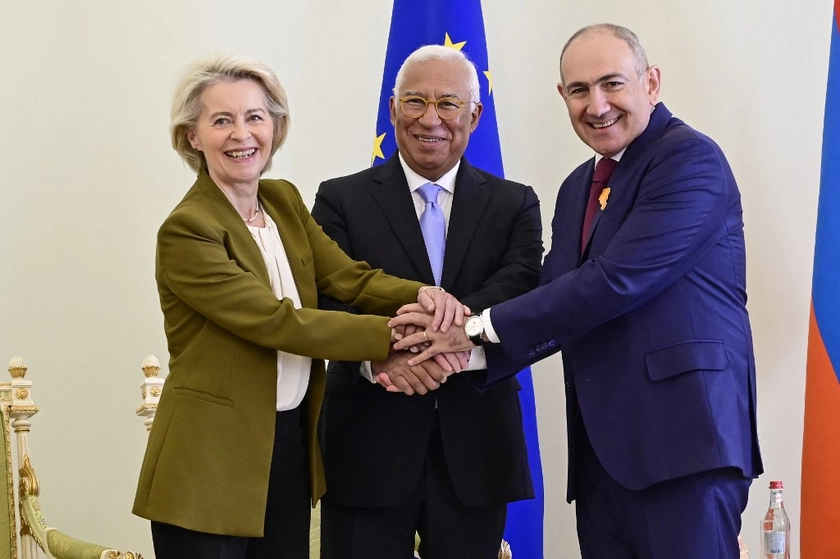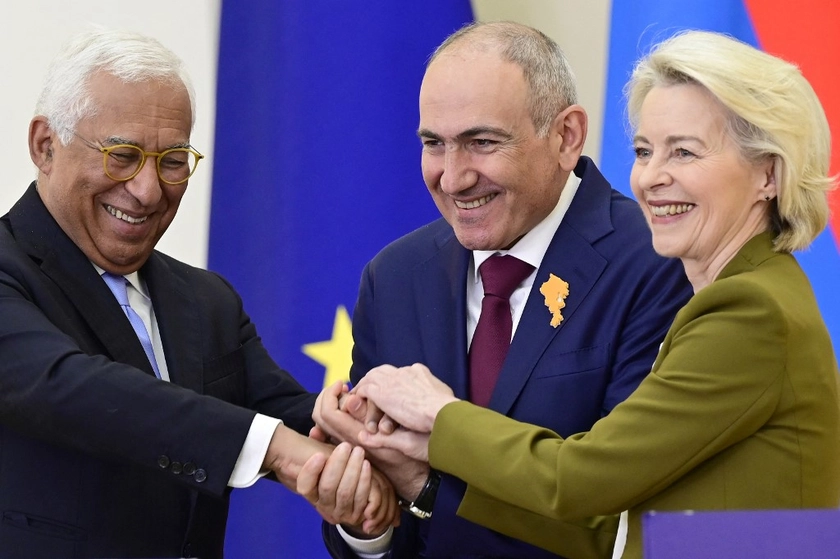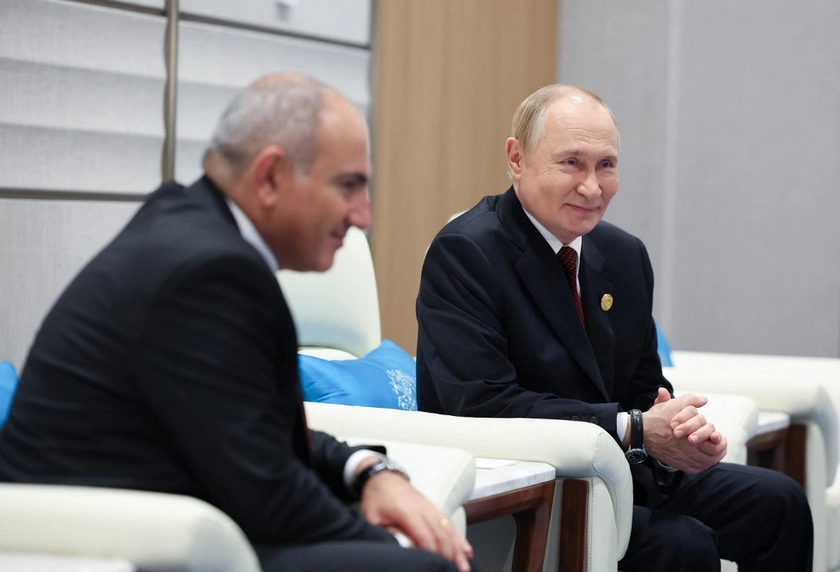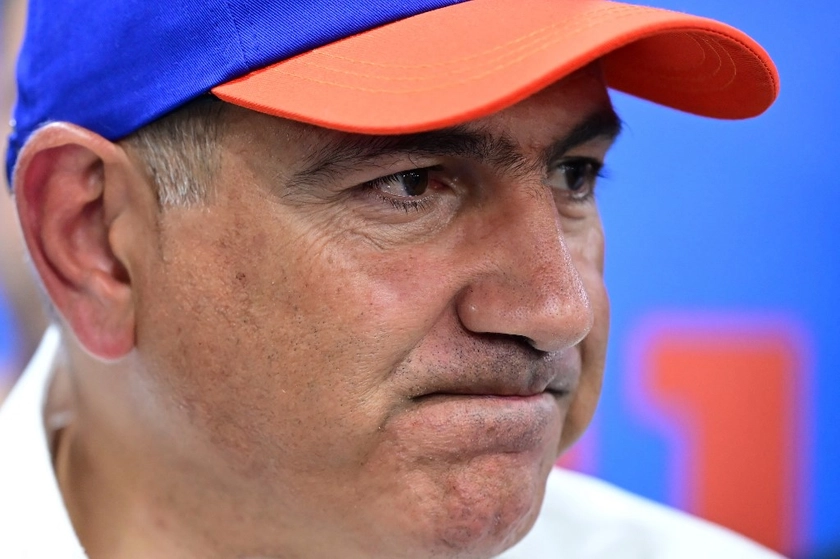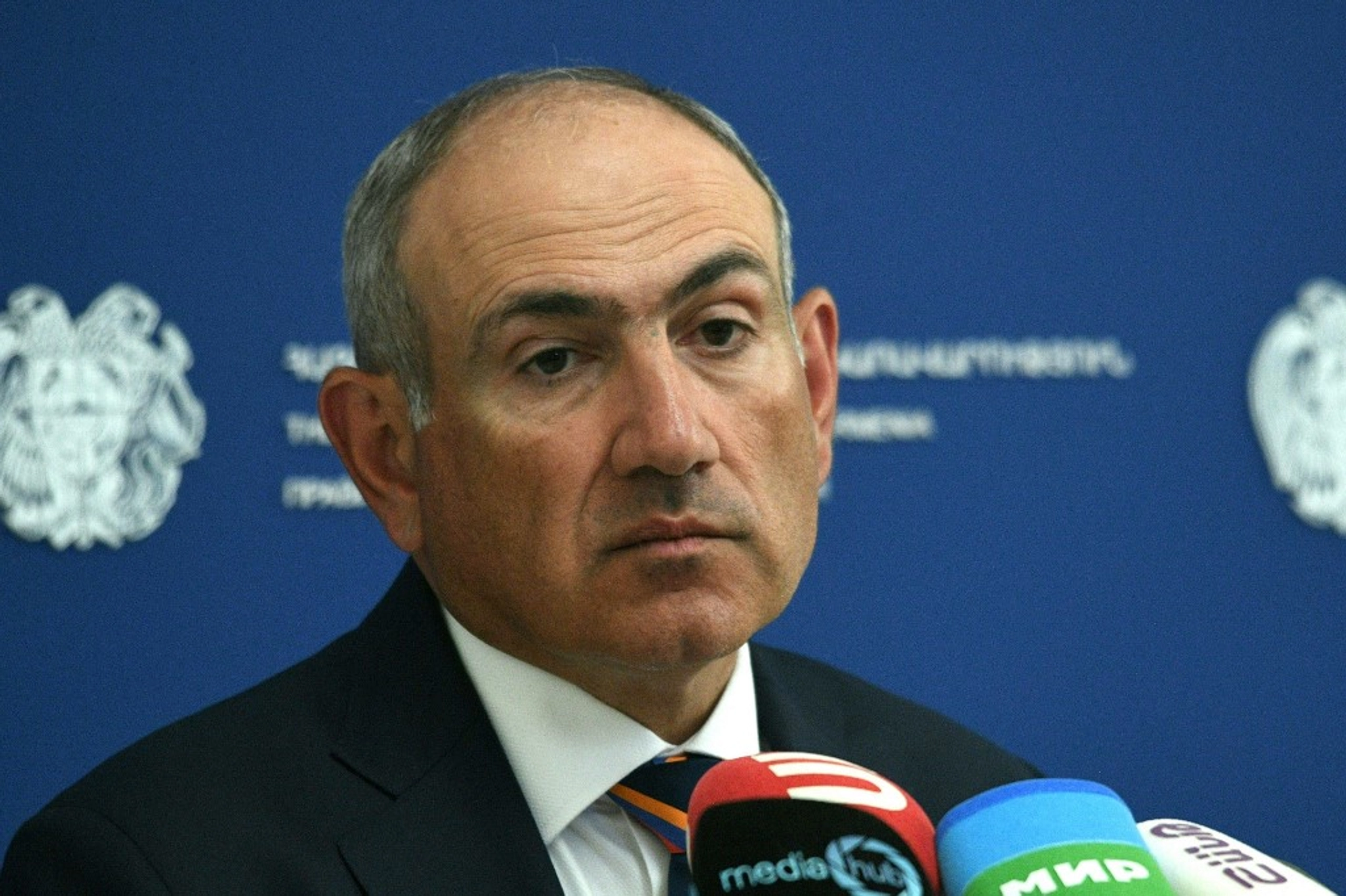
Armenian Prime Minister Nikol Pashinyan rejected external warnings of a potential “Ukrainian scenario” unfolding in his country as citizens cast their ballots in a high-stakes parliamentary electio, News.am reported.
Addressing regional threats and referendum demands
Pashinyan delivered his remarks on Sunday during a press briefing held shortly after he voted in the nationwide legislative elections. Journalists questioned the prime minister regarding recent public assertions made by Belarusian dictator Alexander Lukashenko, who suggested that Armenia’s shifting foreign policy course could trigger a dangerous, destabilizing conflict similar to the war in Ukraine.
JOIN US ON TELEGRAM
Follow our coverage of the war on the @Kyivpost_official.
Pashinyan dismissed the Belarusian leader’s warnings with brevity.
“You know, this is not serious,” Pashinyan replied.
The prime minister also addressed intense domestic and regional debates over whether Armenia should hold a public referendum to choose between its current membership in the Moscow-led Eurasian Economic Union (EEU) and a prospective path toward EU integration.
Pashinyan emphasized that holding such a vote right now is legally and logically premature.
“As for holding an EEU or EU referendum, for this to happen there must be a subject for a referendum,” Pashinyan explained. “For that, Armenia must at the very least officially apply for EU membership or have EU candidate status.”
He indicated that because Yerevan currently holds neither status, launching a formal application strictly for symbolic purposes would be a mistake. Instead of creating “noise,” Pashinyan stated that his administration would steadily advance its planned domestic reforms while awaiting formal evaluations from partners within the EU.
Hungary Rejects EU Plan to Exclude Ukrainian Men of Military Age From Temporary Protection
Defending EEU status and criticizing partners
Despite his government’s highly visible diplomatic pivot toward Western institutions, Pashinyan reasserted that Armenia’s existing economic standing inside the EEU remains secure. He noted that the country cannot be stripped of its member status because all major institutional decisions within the trade bloc are legally bound by a strict consensus mechanism.
However, Pashinyan used the briefing to criticize the strategic approach of other EEU member states. He argued that instead of implementing policies that enhance the economic and political attractiveness of the union for the Armenian public, his colleagues within the bloc are doing the exact opposite.
Electoral context
Pashinyan’s press briefing coincides with a pivotal ballot testing his political future. A total of 18 political forces are currently vying for seats in Armenia’s minimum 101-seat parliament, with independent parties needing to clear a 4% threshold and broader electoral alliances facing an 8% barrier to achieve representation.
Pashinyan’s Civil Treaty party leads the polls with approximately 30% of public support. His primary opposition comes from the pro-Kremlin “Strong Armenia” alliance led by billionaire Samvel Karapetyan, which is polling between 6% and 11%.
Pashinyan is seeking a robust, two-thirds parliamentary majority to enact complex constitutional reforms. These legislative updates are heavily demanded by Azerbaijan as a non-negotiable prerequisite before Baku signs a final, legally binding peace treaty to permanently conclude their border conflict following the 2023 war over Nagorno-Karabakh.
You can also highlight the text and press Ctrl + Enter
Russia Hit by 660-Drone Overnight Barrage Targeting Moscow, Crimea and Key Military Sites