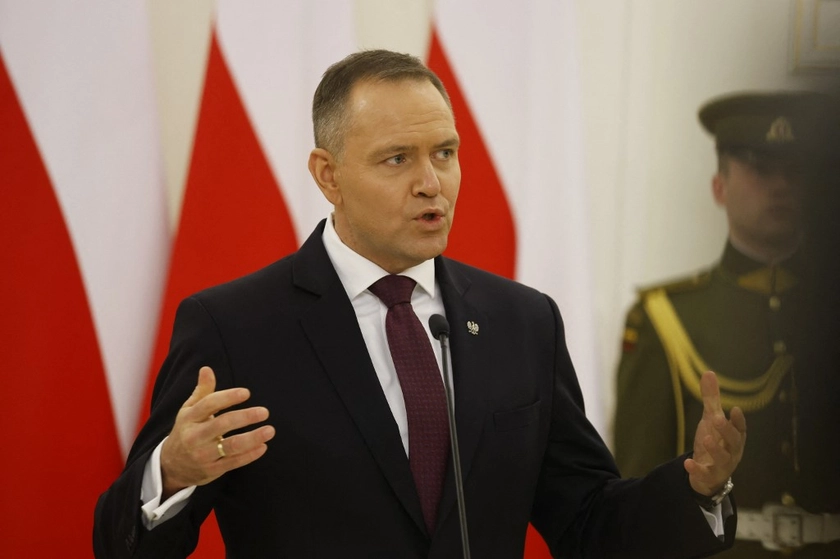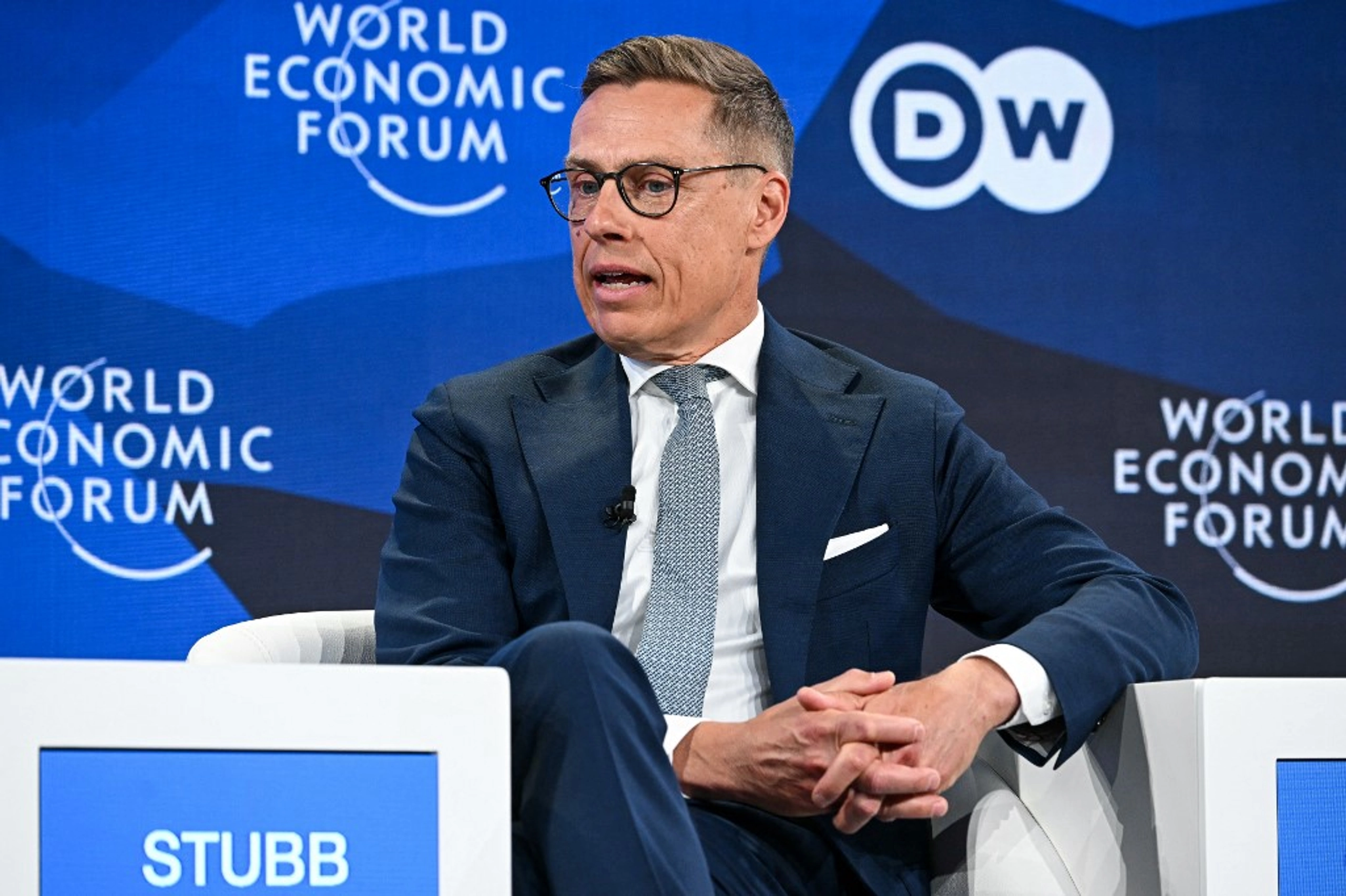
Peace negotiations between Ukraine and Russia are approaching a “moment of truth” that could try to force Kyiv to consider territorial concessions, Finland’s President Alexander Stubb said on Tuesday, March 17.
According to Politico, Stubb, speaking at London’s Chatham House think tank, said the talks could result in what he described as an unfavorable settlement for Ukraine.
JOIN US ON TELEGRAM
Follow our coverage of the war on the @Kyivpost_official.
He warned that negotiations could collapse altogether, potentially leaving European countries to increase support for Kyiv without US backing.
Stubb said the broader geopolitical situation is complicating Ukraine’s position, including ongoing tensions in the Middle East.
He warned that rising global energy prices could boost Russia’s revenues, strengthening its ability to continue the war.
The Finnish president also said US military resources are being diverted, including interceptor missiles used to counter Iranian attacks, which could otherwise support Ukraine’s air defenses.
Stubb also suggested that Europe could seek to influence US President Donald Trump by offering support in other areas, including security in the Strait of Hormuz.
In return, Europe could push Washington to provide stronger backing for Ukraine in peace negotiations, he said.
Stubb said he viewed the idea of such a deal positively and would consider discussing it further with his team.
On March 14, Trump urged China, France, Japan, South Korea and the United Kingdom to dispatch warships to the Persian Gulf “so that the Hormuz Strait will no longer be a threat by a nation that has been totally decapitated.”
EU: No More Protection for Ukrainian Men?
British Prime Minister Keir Starmer has rejected a request from US President Donald Trump to deploy British warships to the Strait of Hormuz, which is currently blocked to commercial shipping amid a rapidly escalating conflict with Iran.
Paris also quickly rejected the request. France’s armed forces minister said the country would maintain a “defensive and protective” posture and would not be drawn into a war led by the United States and Israel.
Germany has also expressed doubts about expanding the European Union’s naval operations. Johann Wadephul, Germany’s foreign minister, said he was “very skeptical” that extending the EU’s Aspides naval mission – currently focused on protecting commercial traffic in the Red Sea – to the Strait of Hormuz would improve security.
Meanwhile, Japan and Australia have said they do not plan to deploy naval ships to escort commercial vessels through the strait, according to Reuters.
The crisis follows a dramatic escalation in the Middle East after the United States and Israel launched strikes on Iran on Feb. 28 that killed its supreme leader, Ali Khamenei.
Iran has since vowed to shut down the strategic waterway, one of the world’s most important oil routes.
You can also highlight the text and press Ctrl + Enter

Russia Hit by 660-Drone Overnight Barrage Targeting Moscow, Crimea and Key Military Sites