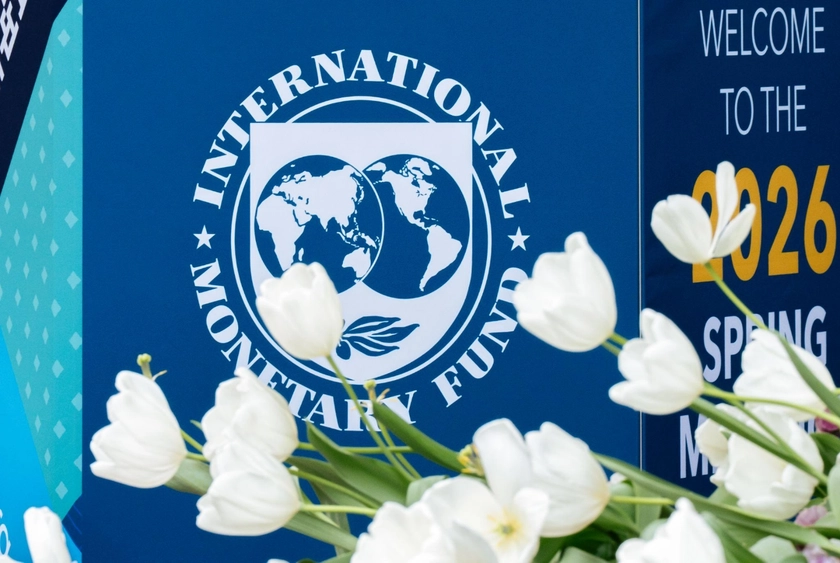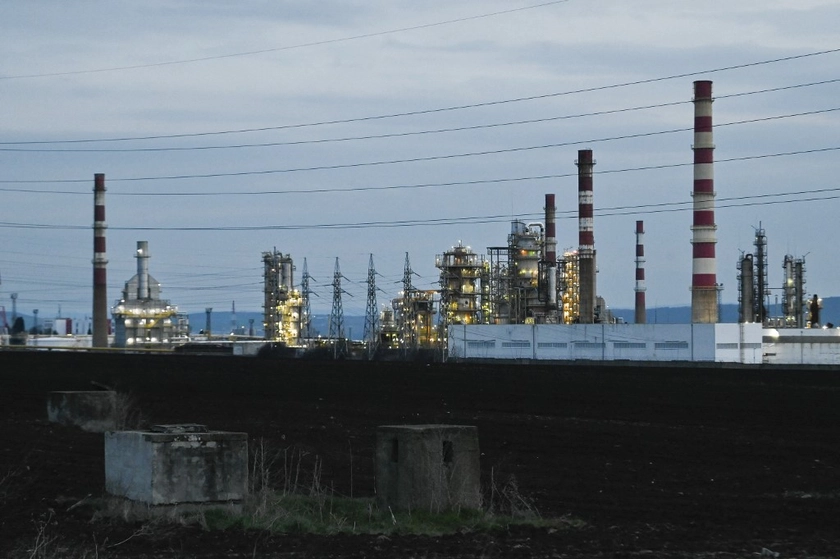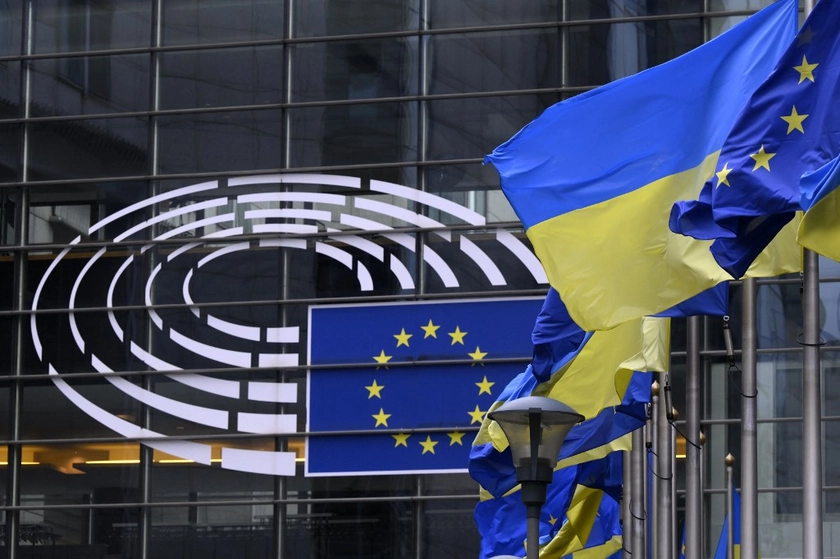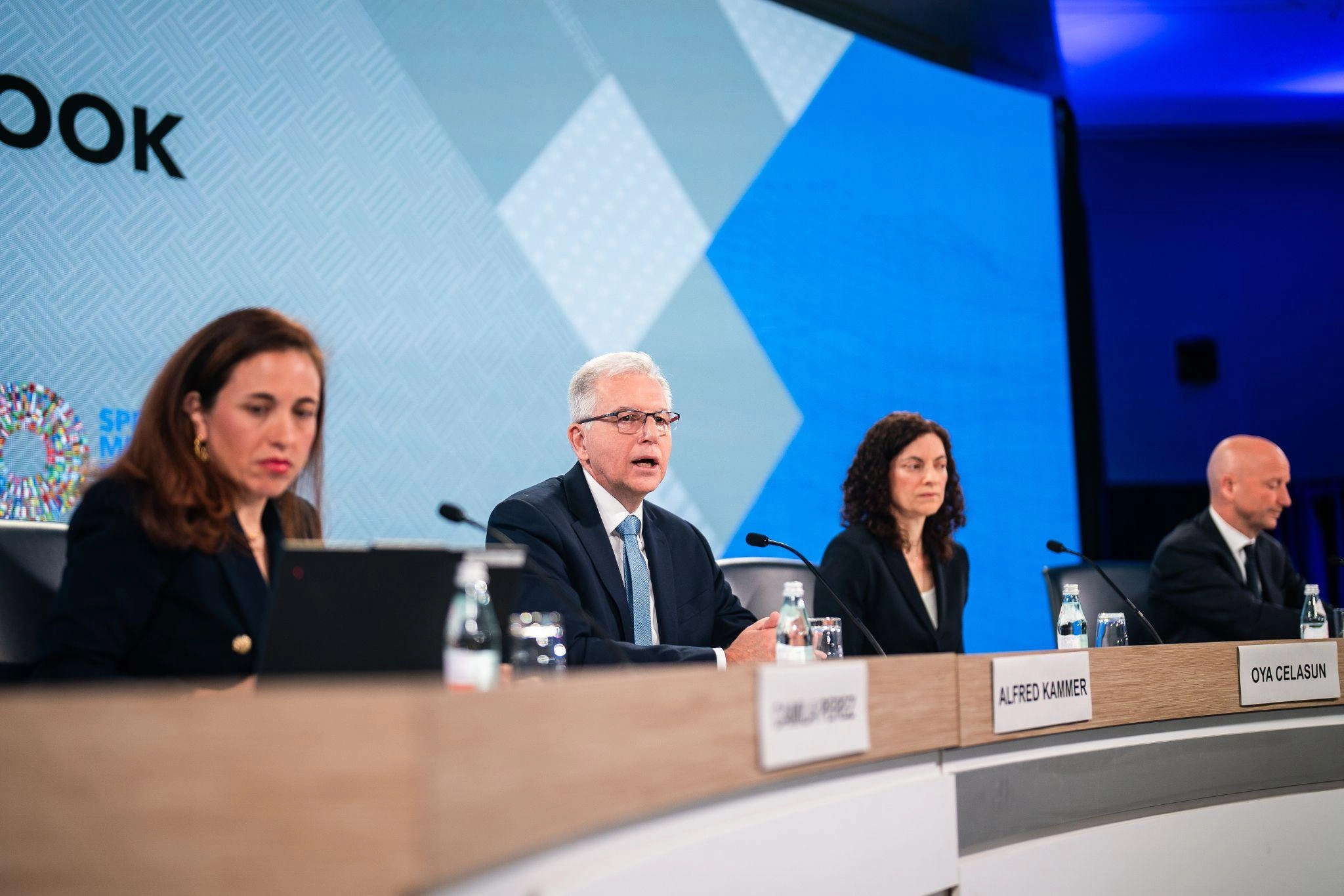
IMF European Department Chief Alfred Kammer urged Europe to decrease reliance on imported fossil fuels, naming it as a vulnerability that “has shown up in the 1970s, again with the Russian gas shut off, and with the war in the Middle East.”
It will help the continent to protect itself further energy price shocks, while also getting decarbonized affordable energy, the European Chief said on the briefing presenting Regional Economic Outlook on Europe during the 2026 IMF Spring Meetings.
JOIN US ON TELEGRAM
Follow our coverage of the war on the @Kyivpost_official.
Kammer pointed to the EU’s Green Deal that could eliminate or “severely limit” Europe’s dependency on importing fossil fuels.
Europe’s growth is estimated at 1.5% for 2026, and 1.6% for 2027, according to the report. “Right now, in out forecast, we do not see a recession in Europe materializing, even in the severe scenario,” Kammer said, replying to Kyiv Post’s question.
Ukraine’s growth is forecast at 2% real GDP for 2026 and 3.5% for 2027, according to the outlook, remaining unchanged since the IMF downgraded its prognosis following Russia’s winter bombardment of energy infrastructure.
Russian Economy 'in Dead End' as War Costs Devour Budget
State programs for firms and population should not undermine that fuel became expensive
Kammer advised Europe “not to suppress the price signal” while helping their populations and businesses cope with the fuel price shock from the war in the Middle East. He explained that Europe’s budgets cannot afford massive cash spending on subsidies or tax cuts to combat the crisis since the packages cost is so large compared to their national GDPs.
The IMF focused its recommendations for Europe on the short-term since the events in the war in the Middle East keep changing and remain unpredictable. The US and Iran are reportedly negotiating to reopen the Strait of Hormuz, the gate for transit of the 20% of the world’s energy sources, as other countries of the Gulf are either in hostilities or negotiations.
“Our recommendation here is not to suppress the price signal, because in the end we need to balance the demand and supply and that is best achieved through the price mechanism,” Kammer said. “Target fiscal measures to the vulnerable,” he added.
Kammer also said Europe must reorganize its economy and create more efficiency by pursuing these objectives:
- Establish one single market for products and services
- Eliminate barriers that prevent enterprises scaling up
- Establish one integrated labor market
- Establish a single capital market
You can also highlight the text and press Ctrl + Enter

Russian Economy 'in Dead End' as War Costs Devour Budget
Baltic States Urge EU to Accelerate Russian Oil Ban