North Korea has shut down the possibility of future diplomatic talks concerning its weapons programs, declaring its standing as a nuclear-armed power to be non-negotiable and entirely independent of foreign recognition, Korean Central News Agency (KCNA) reported.
Dismissing the US-China summit agenda
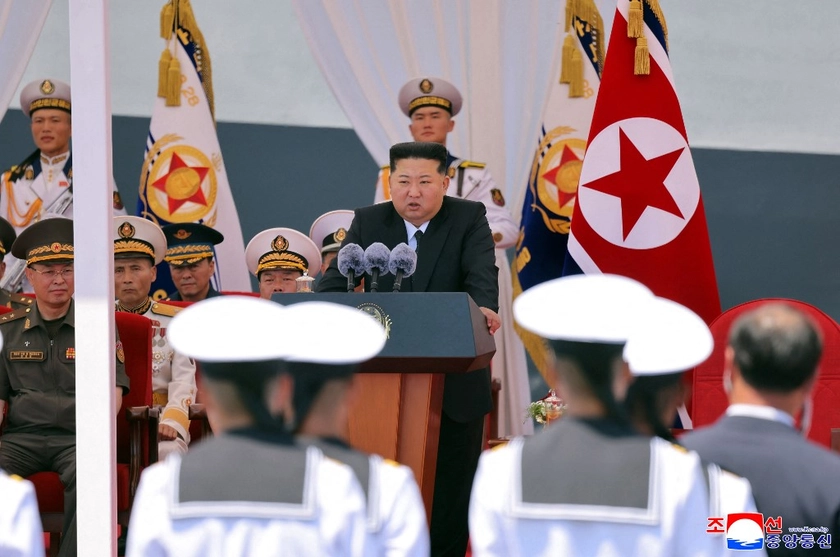
Kim Yo Jong, the influential sister of North Korean leader Kim Jong Un and a department director within the Central Committee of the ruling Workers’ Party, issued the state’s hardline position.
JOIN US ON TELEGRAM
Follow our coverage of the war on the @Kyivpost_official.
Her remarks were a direct response to a US State Department spokesperson, who recently indicated that US President Donald Trump and Chinese President Xi Jinping had reaffirmed their mutual commitment to the comprehensive denuclearization of the Korean Peninsula during their summit in Beijing last month.
Kim sharply rebuked the US disclosure, characterizing it as “false information” and an “absurd fake”. While she claimed to possess the most precise intelligence regarding the true nature of the conversations between Trump and Xi, she declined to reveal additional details.
“We make it clear that we will not discuss the issue of our sovereignty and security with anyone,” Kim asserted. “Our country’s status as a nuclear state is an absolutely irrefutable, undeniable reality, independent of anyone’s recognition, and no rhetoric from external forces will change this in any way.”
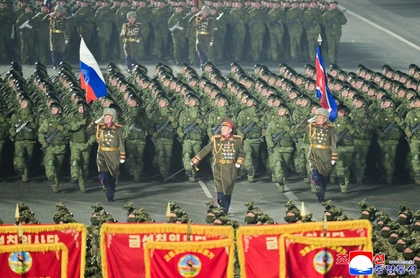
Russia Revises History Textbooks to Include North Koreans Fighting in Ukraine
A constitutional mandate ahead of Xi’s visit
The high-ranking party official stressed that Pyongyang’s expansion of its strategic arsenal has transitioned into a permanent legal reality.
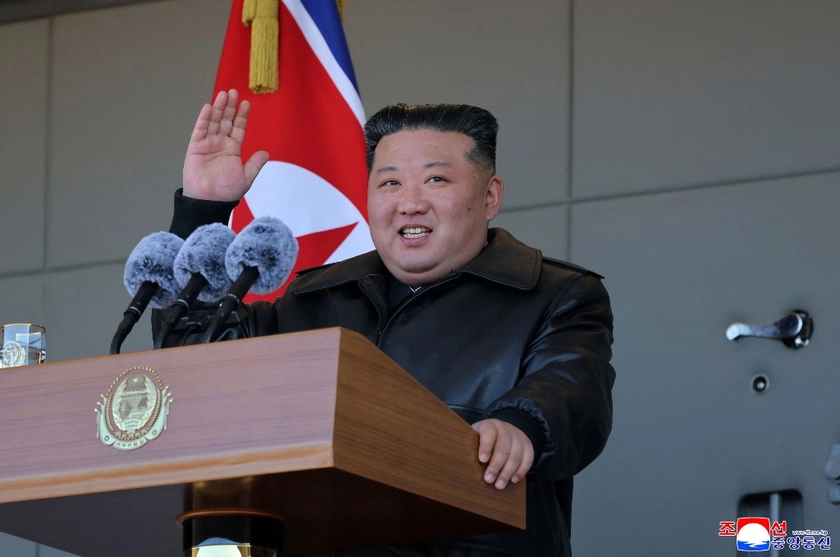
“The course toward constantly strengthening our nuclear deterrence forces is an irreversible, final decision of our country, which must be implemented unconditionally,” Kim stated. “North Korea’s nuclear forces are legalized by our constitution and serve as the main force of national sovereignty and national defense, as well as a guarantor that our country’s core interests will not be subjected to any external influence.”
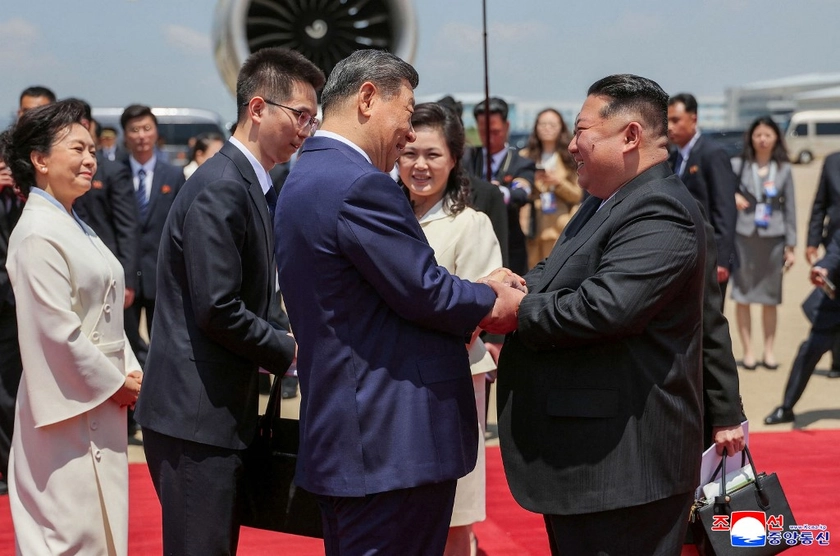
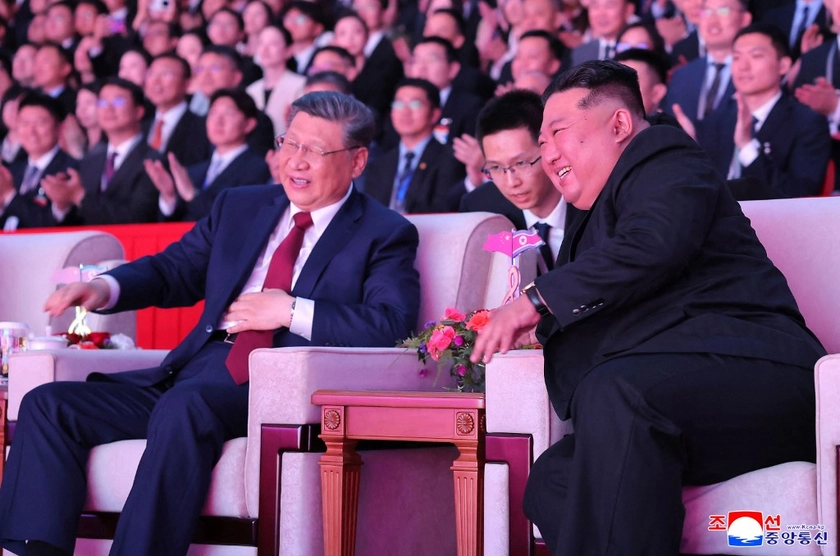
International security analysts note that the aggressive rhetoric is timed to maximize political leverage ahead of a high-profile state visit to North Korea by Chinese President Xi Jinping. By preemptively taking denuclearization off the table, Pyongyang seeks to solidify its position as an unyielding nuclear state and justify its rapid weapons buildup to its primary economic patron.
Financially insulated by the Kremlin
North Korea’s diplomatic boldness is increasingly anchored by its burgeoning military and economic alliance with Russia. Since the signing of a comprehensive mutual defense pact between Kim Jong-Un and Russian President Vladimir Putin in June 2024, Pyongyang has significantly stepped up its support for Russia’s frontline operations against Ukraine.
South Korean researchers note that this defense-industrial boom propelled North Korea’s economy to a 3.7% growth rate – its highest performance since international sanctions were tightened in 2016.
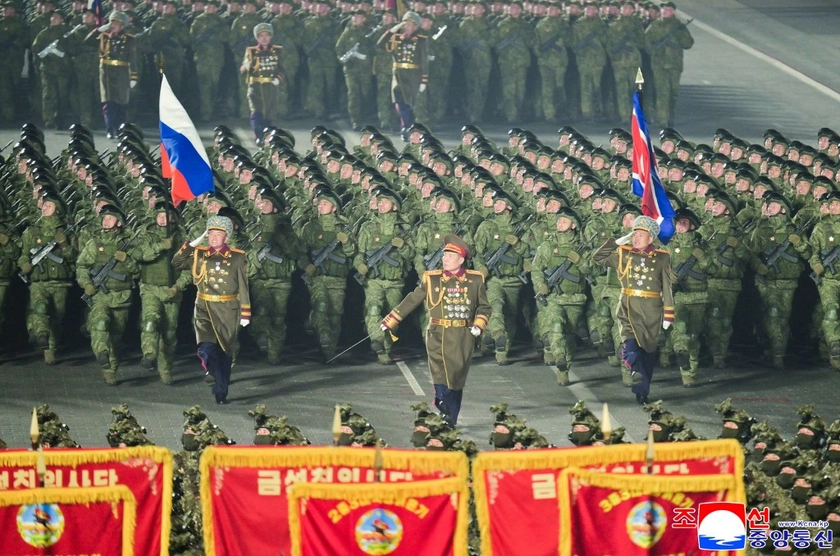
In exchange for supplying approximately 250 advanced KN-23 ballistic missiles and deploying an estimated 20,000 special forces troops, engineers, and drone operators to active combat zones like Russia’s Kursk region, North Korea has reaped massive dividends.
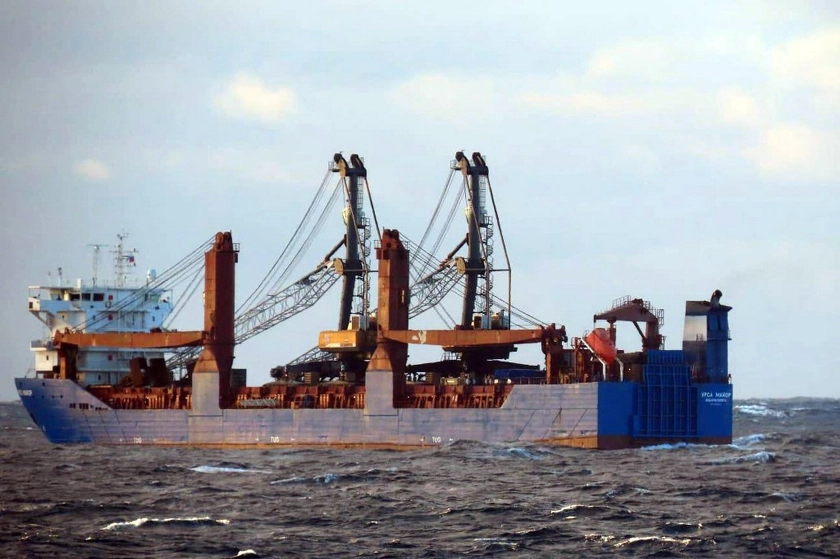
Moscow has transferred over $600 million in direct personnel payments, alongside substantial deliveries of energy supplies, foreign currency, materials for weapons manufacturing, and highly sensitive military technologies.
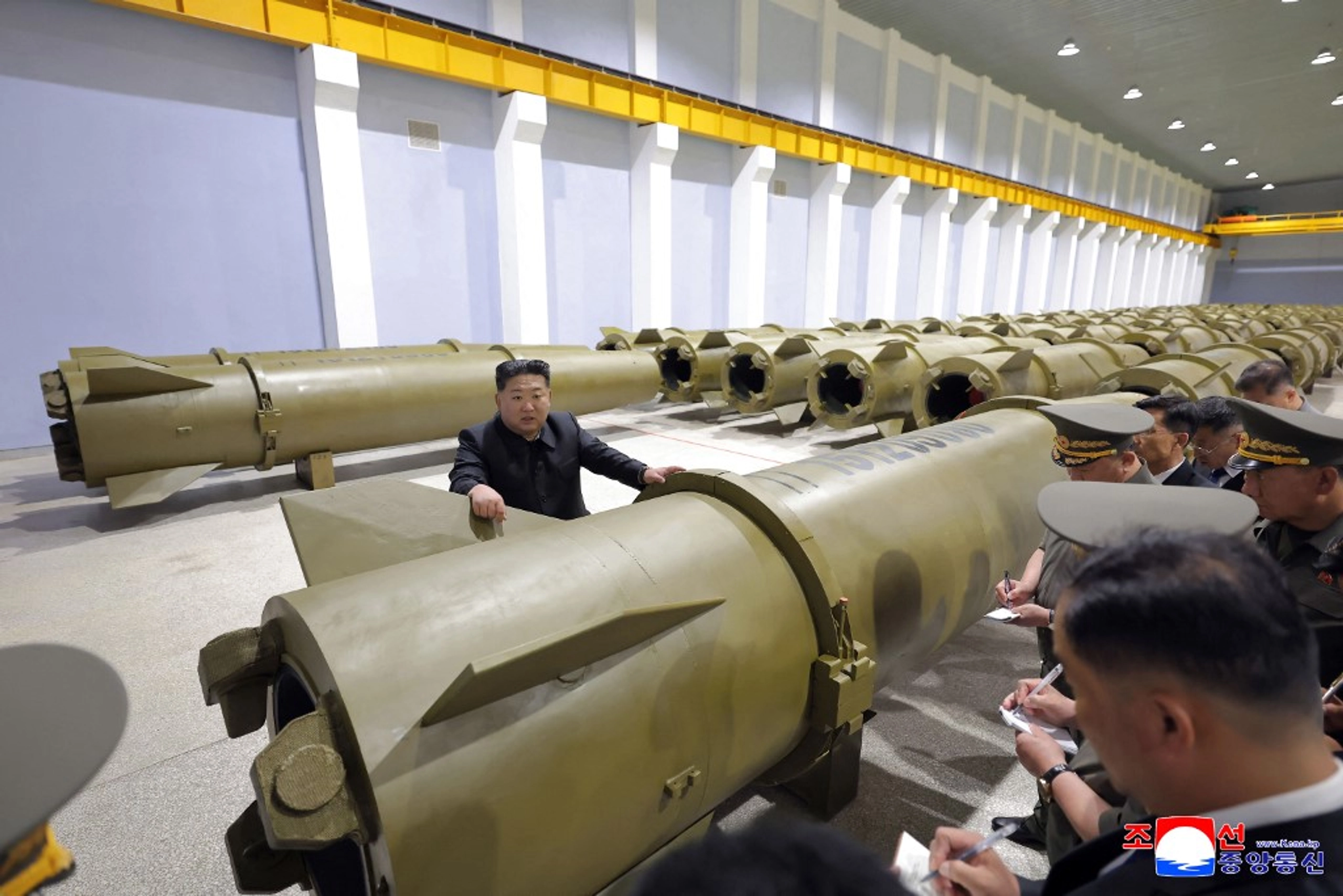
Western intelligence assessments indicate that this technological and financial injection from Moscow has helped accelerate North Korea’s domestic fissile material production to a pace capable of yielding up to 20 nuclear warheads annually.
With its intercontinental ballistic missile (ICBM) inventory expanding fast enough to threaten to overwhelm existing US midcourse defense frameworks, Pyongyang feels increasingly insulated from traditional Western economic coercion, allowing it to dismiss tripartite denuclearization initiatives out of hand.
You can also highlight the text and press Ctrl + Enter