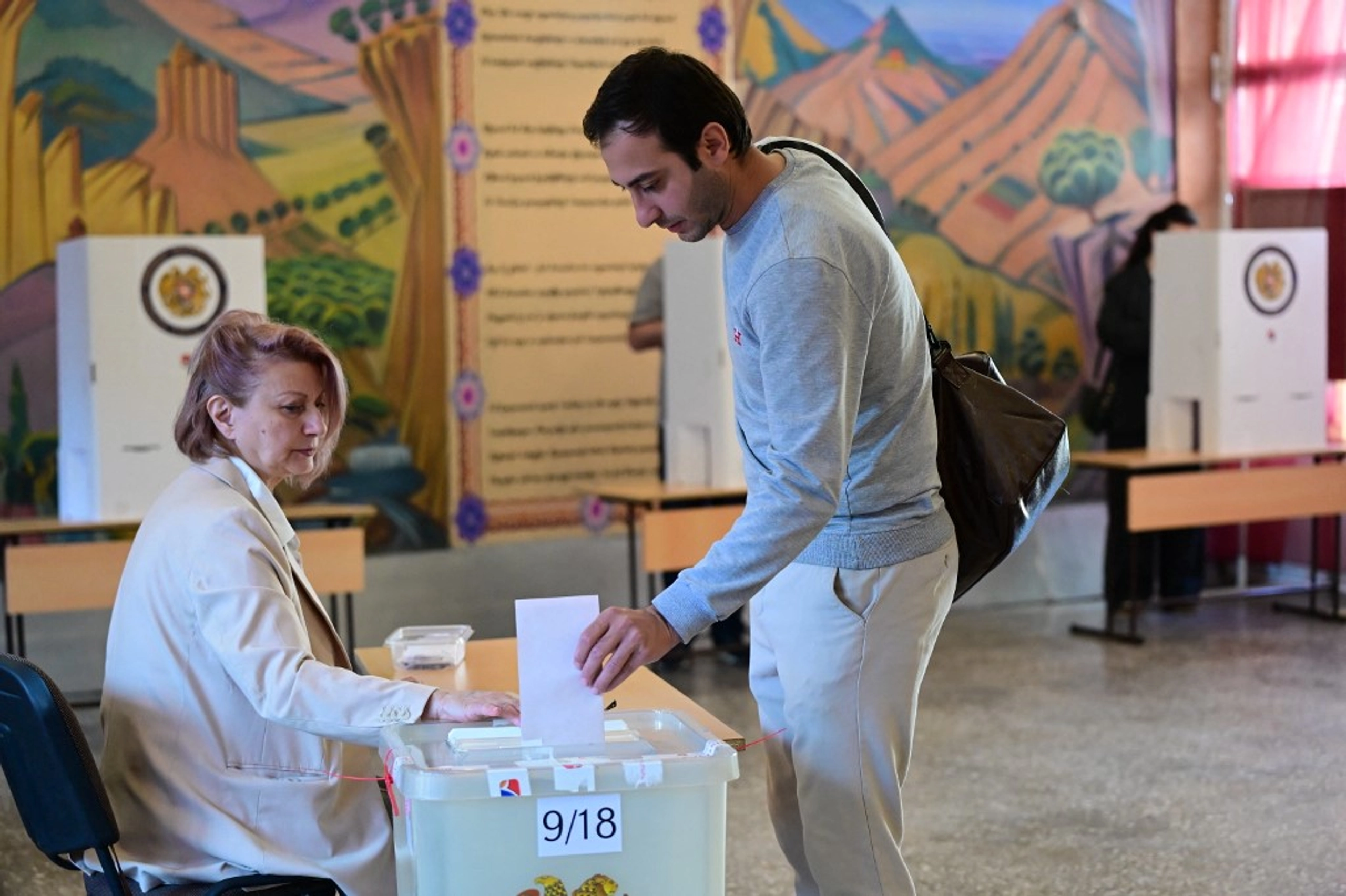
Ample security and high geopolitical stakes framed the opening of 2,005 electoral stations across Armenia at 8:00 a.m. local time on Sunday, June 7, Novosti Armenia reported.
The nationwide vote represents the first major electoral test for the country since its 2023 defeat in Nagorno-Karabakh, transforming the ballot into a direct referendum on Armenia’s future alignment between the West and its traditional patron, Russia.
JOIN US ON TELEGRAM
Follow our coverage of the war on the @Kyivpost_official.
The battle for the parliamentary core
According to data compiled by the Central Electoral Commission (CEC) of Armenia, some 2.5 million citizens are registered on the national voter rolls, with strict legal mandates barring most expatriates from voting unless they serve in diplomatic missions or long-term military deployments abroad.
A total of 18 political forces – consisting of 16 individual parties and two electoral alliances – are competing for representation, Radio Azatutyun reported. To enter the minimum 101-seat parliament, individual parties must clear a 4% threshold, while broader alliances face an 8% barrier.
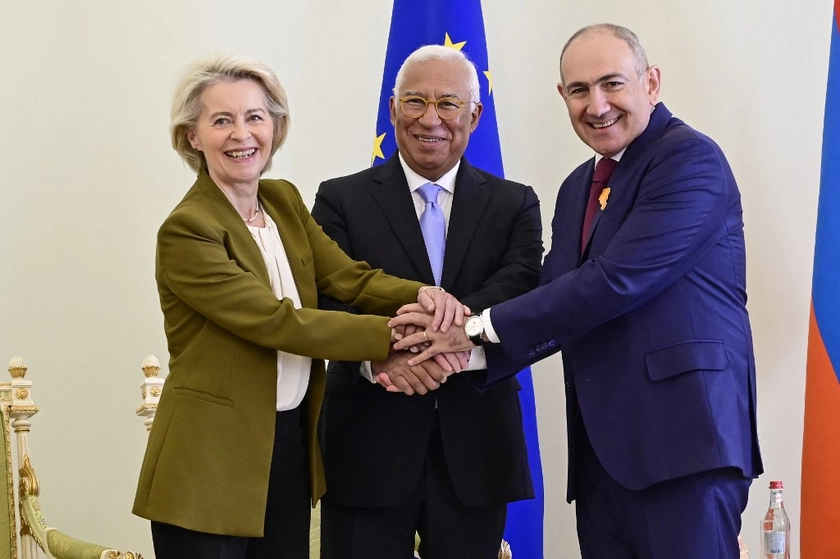
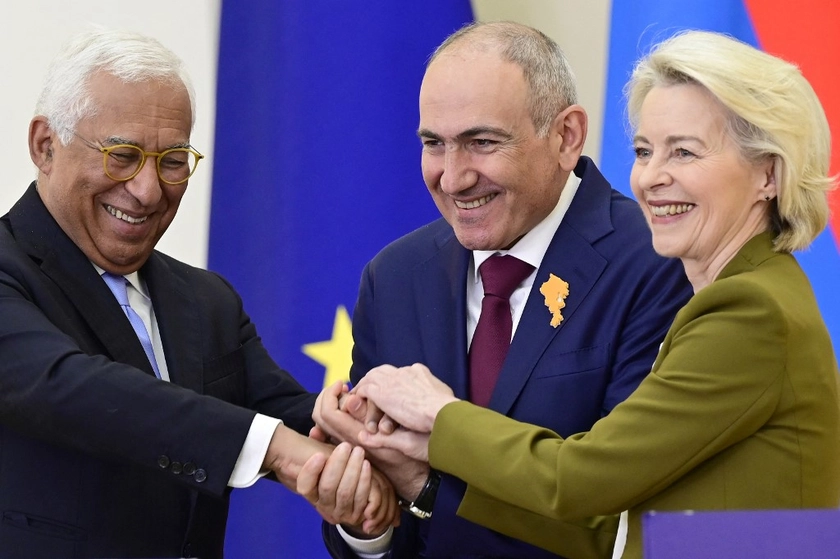
According to Reuters, incumbent Prime Minister Nikol Pashinyan, who has governed the country since 2018, enters the election leading polls with approximately 30% of public support. His primary opposition comes from the “Strong Armenia” alliance, led by Russian-Armenian billionaire Samvel Karapetyan, which is currently polling between 6% and 11%.
Just 24 hours prior to the opening of the polls, the CEC rejected a formal petition to disqualify Karapetyan’s opposition bloc from the ballot.
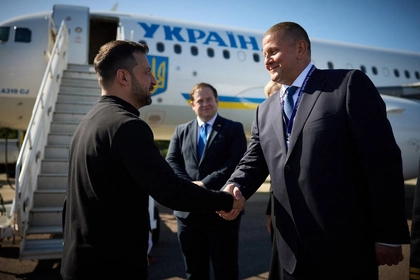
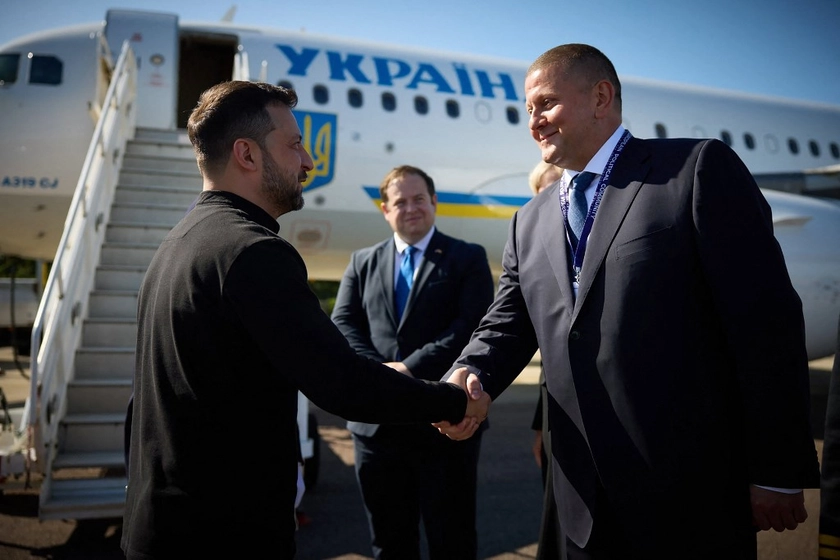
Report: Zelensky Asked Zaluzhny If He Would Run for President
Pashinyan also faces challenges from other Moscow-aligned factions, including oligarch Gagik Tsarukyan’s “Prosperous Armenia” party and the “Armenia Alliance” led by former President Robert Kocharyan – entities that analysts warn could unify post-election to block the government if Pashinyan fails to capture a decisive majority.
Constitutional hurdle for peace with Azerbaijan
The underlying motivation behind Pashinyan’s campaign is securing a robust parliamentary majority – ideally a two-thirds threshold in the legislature. Such a mandate is legally necessary to implement sweeping constitutional reforms, specifically removing historical references to Nagorno-Karabakh.
Baku has explicitly demanded this legislative revision as a mandatory prerequisite for signing a definitive, legally binding peace treaty following its 2023 military reclamation of the enclave.
While a preliminary peace declaration was signed in Washington in the summer of 2025 under the mediation of US President Donald Trump, a final border settlement remains unfinished. Pashinyan has campaigned heavily on these normalization efforts, highlighting the landmark May 2026 reopening of transit networks through Turkey to the EU as a baseline for future economic integration with Azerbaijan and Iran.
Kremlin sanctions and border draft enforcements
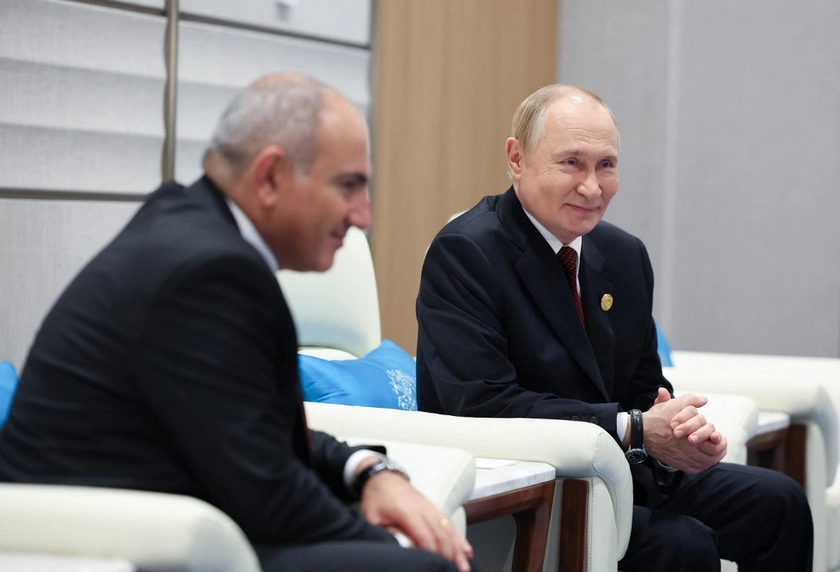
Yerevan’s continuous push toward European integration has drawn severe retaliation from the Kremlin, which has systematically deployed aggressive interference campaigns and economic blockades to derail the vote. In recent weeks, Russian authorities have banned the importation of Armenian mineral water, agricultural vegetables, and brandy, while overtly threatening to terminate preferential oil and natural gas pricing.
Concurrently, Armenian law enforcement agencies have cracked down on suspected Russian election-manipulation operations. Amid intelligence reports that Moscow planned to transport large numbers of Russian-based Armenian citizens to Yerevan to vote for opposition candidates, the Armenian government enacted a mandatory 25-day military reserve training camp requirement for arriving male travelers.
Taron Chakhoyan, deputy chief of the prime minister’s staff, issued an explicit public warning via social media stating that passengers arriving from Russia facing suspicions of accepting foreign bribes would be immediately handed military draft notices at Yerevan’s main airport or face criminal prosecution.
Minister of Economy Gevorg Papojan endorsed the strict security directives, confirming that 30,000 to 40,000 individuals would be directed to defensive military installations before being permitted to return to Russia.
You can also highlight the text and press Ctrl + Enter

Russia Hit by 660-Drone Overnight Barrage Targeting Moscow, Crimea and Key Military Sites