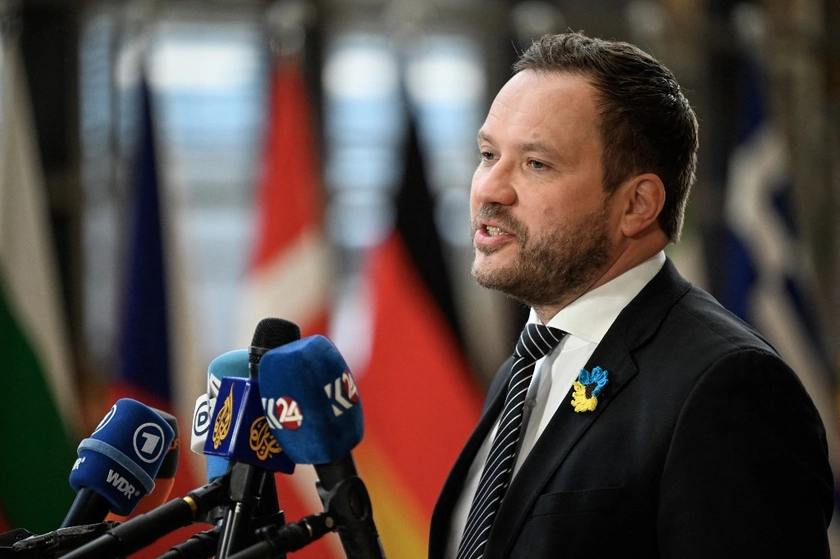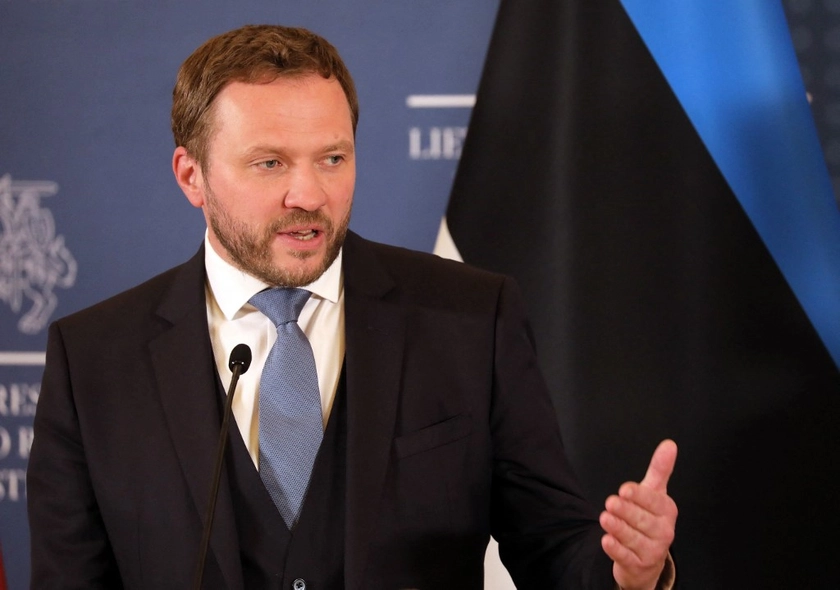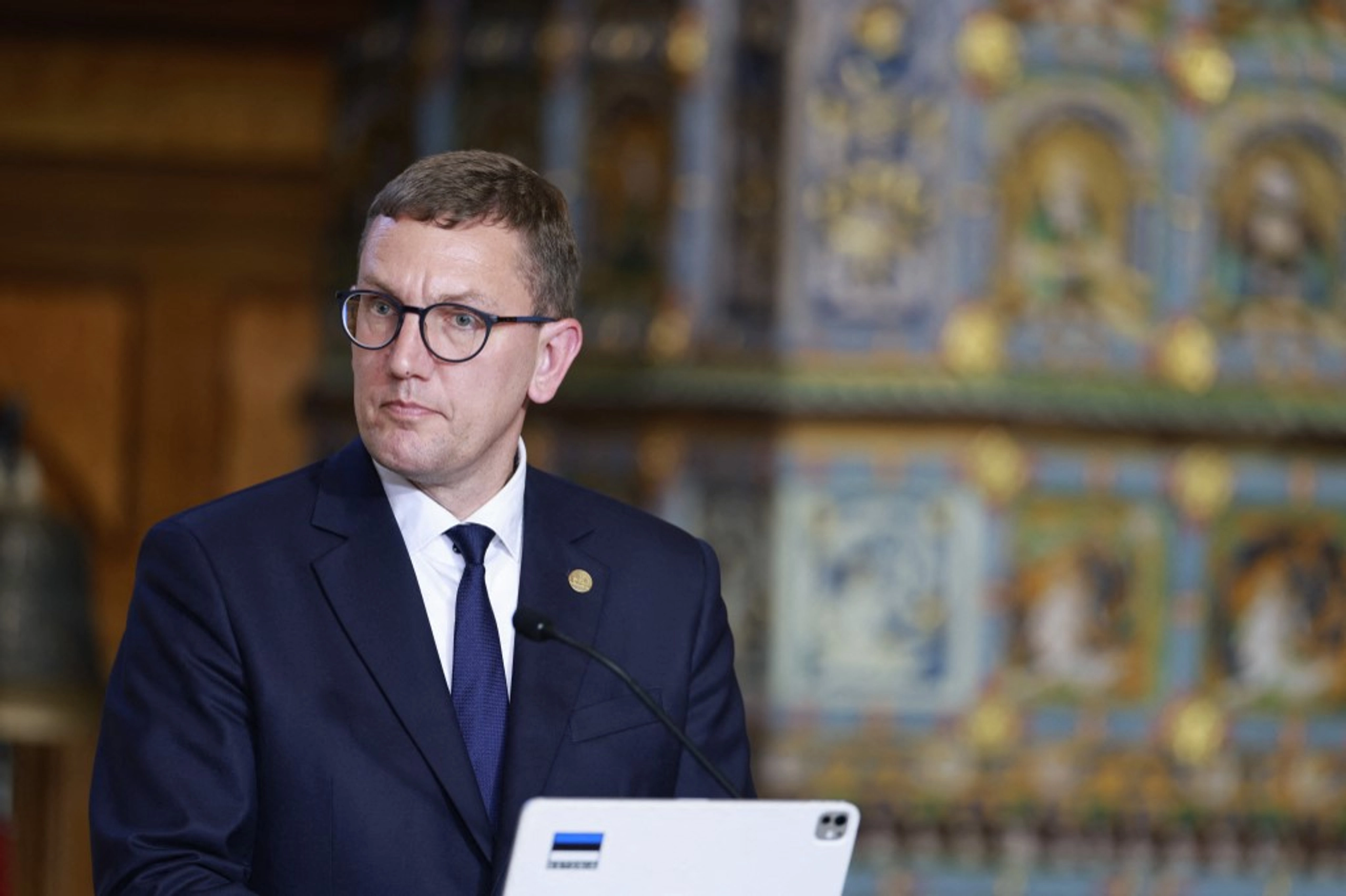
Estonian Prime Minister Kristen Michal stated that Russia is currently in its weakest position in recent years, arguing that allied nations must maintain and increase strategic pressure on Moscow to capitalize on this vulnerability, Ukrinform reported.
Michal made the assessment during a joint press conference in Berlin alongside German Chancellor Friedrich Merz and the leaders of Latvia and Lithuania.
JOIN US ON TELEGRAM
Follow our coverage of the war on the @Kyivpost_official.
“Russia is weaker today than it has been for many years. And this is no accident. It is the result of our actions,” Michal stated. He emphasized that the current allied strategy is proving effective and that international pressure should be directed at Russia rather than Ukraine.
The Estonian prime minister noted that recent Russian strikes on civilian infrastructure indicate that Moscow’s strategic objectives regarding Ukraine and its intent to test European unity remain unchanged. In response to Russia’s weakened but persistent posture, Michal called for enhanced bilateral military assistance from individual EU member states.
He highlighted that Estonia has committed to providing annual military aid equivalent to at least 0.25% of its GDP, a target it exceeded last year by reaching 0.35%.
Furthermore, Michal urged the EU to proceed without delay in opening all negotiation clusters regarding Ukraine’s accession to the bloc, arguing that integration serves the strategic and economic interests of the EU while strengthening regional security.
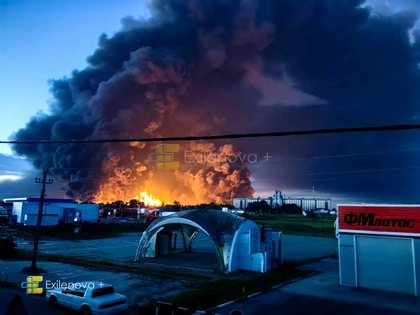
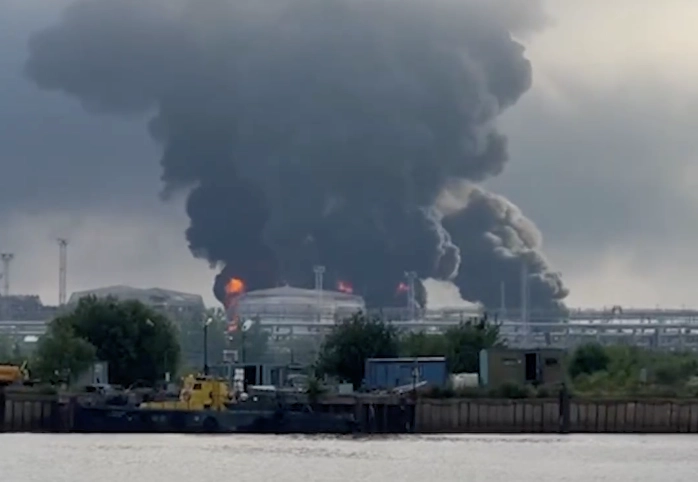
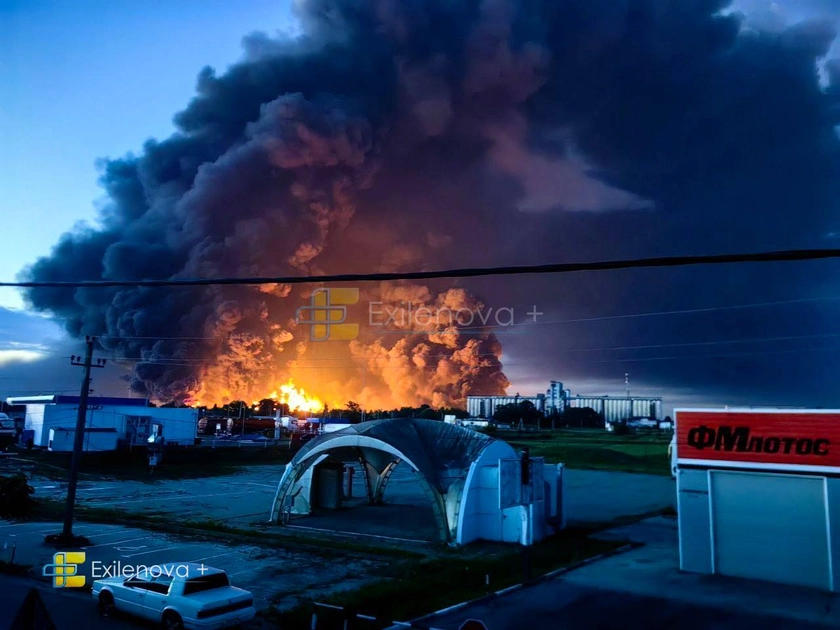
Ukrainian Strikes Disable 43% of Russian Refining Capacity
Baltic states target remaining Russian revenues
The push to exploit Russia’s current vulnerabilities coincides with a formal request by Estonia, Latvia, and Lithuania to expedite the implementation of a comprehensive European ban on Russian oil imports.
During a meeting of EU energy ministers on Friday, representatives from the Baltic nations pressed for the accelerated preparation of an oil phase-out plan to diminish Europe’s remaining energy dependence on Russia and further constrain Moscow’s financial capacity.
According to European Commission data, the share of Russian oil in the EU’s total imports has declined from 27% at the beginning of 2022 to 2% in 2025. However, this remaining 2% still accounts for approximately 9.7 million tons of crude oil.
While the EU has established a framework to phase out Russian natural gas imports by the autumn of 2027, plans for a comprehensive oil embargo were temporarily suspended due to the broader geopolitical crisis involving Iran. The European Commission has indicated that it is actively developing a new proposal.
Assessments indicate structural economic strain
The political assessments of Russia’s weakened state are supported by recent economic indicators showing structural challenges tied to energy market fluctuations and war-related expenditures.
Vladyslav Vlasyuk, Ukraine’s presidential representative on sanctions policy, stated on June 27 that the Russian economy has reached a standstill. Vlasyuk noted that Moscow’s budget revenues from oil and gas from January to May remained 30% lower than the same period the previous year.
As of Friday, Russian Urals crude was trading at approximately $58.83 per barrel, roughly on par with the $59 benchmark set in the 2026 Russian federal budget.
Economic data shows that the Russian budget deficit reached 6 trillion rubles ($77 billion) in the first half of 2026, exceeding the annual target by 60%. Defense spending accounted for 48% of total state expenditure in the first quarter, amounting to 5.9 trillion rubles ($75 billion).
To finance this deficit, the Russian government has increased domestic borrowing, bringing public debt to 32.4 trillion rubles ($340 billion) with government bond yields rising to approximately 16%.
You can also highlight the text and press Ctrl + Enter