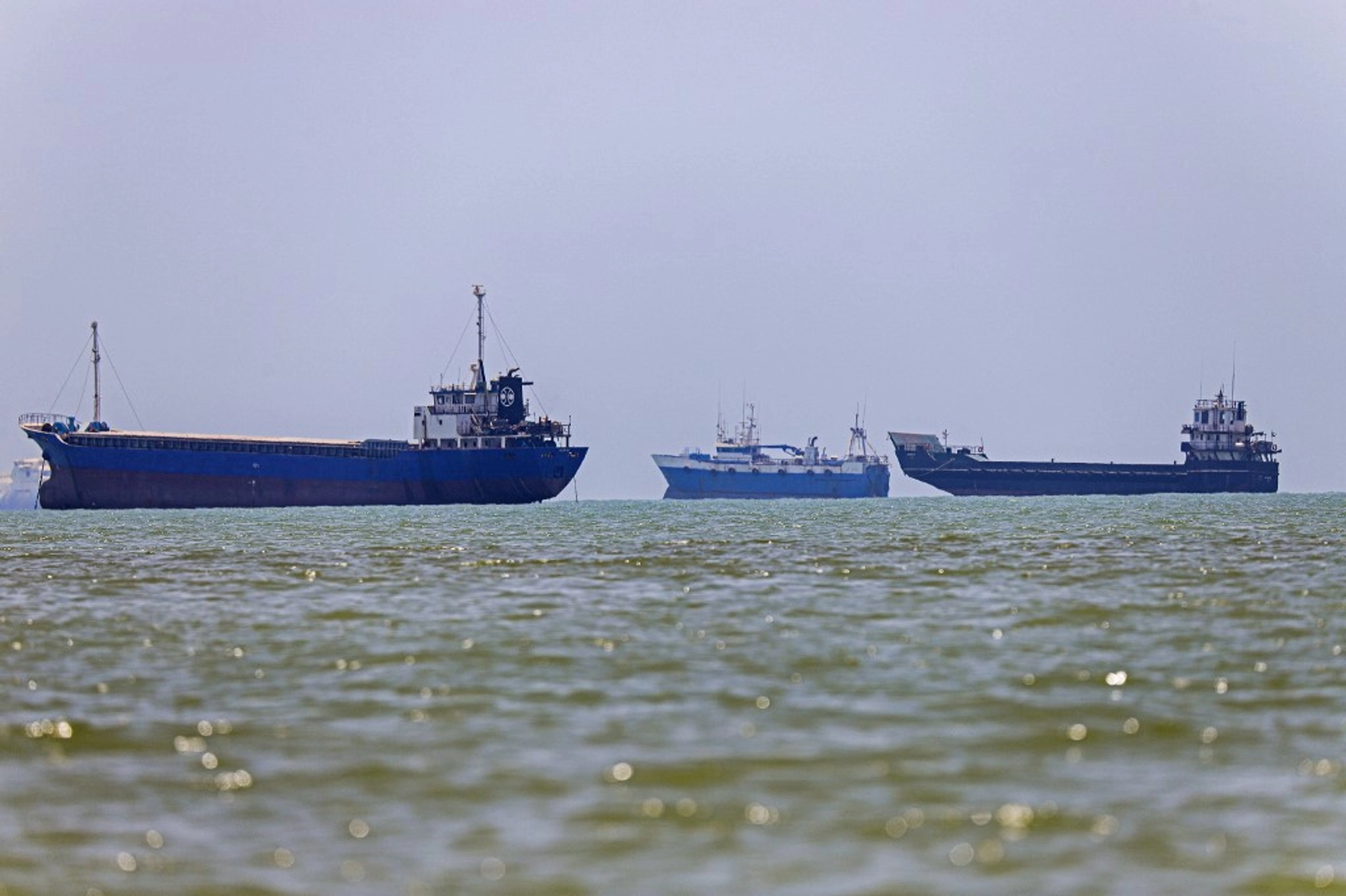
Private Chinese refineries are reportedly purchasing Russian crudes and negotiating with Iran for more due to supply disruptions sparked by renewed fighting in the Middle East.
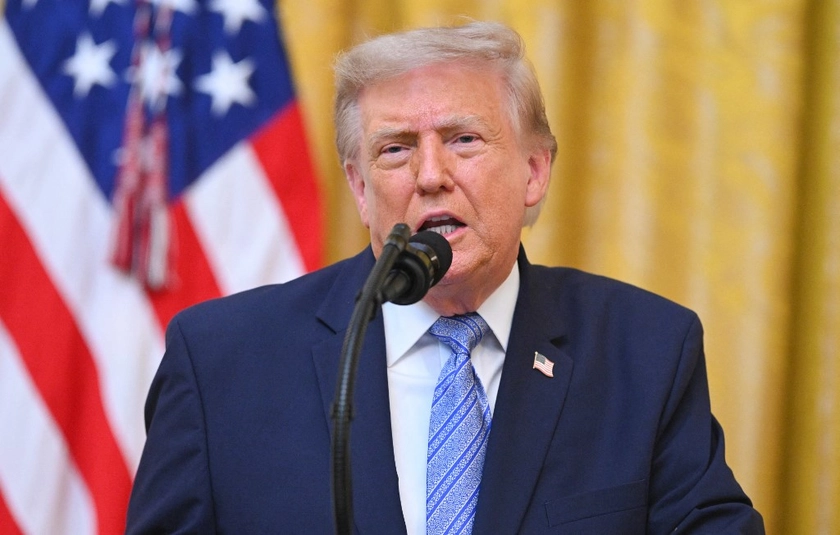
US President Donald Trump said the ceasefire with Iran was “over” on July 8 as fighting resumed, with oil supplies once again disrupted after Iran blocked the Strait of Hormuz, a key channel for global oil shipments.
JOIN US ON TELEGRAM
Follow our coverage of the war on the @Kyivpost_official.
Reuters, citing its industry sources, said two Chinese refiners have placed an order for “most of the Russian ESPO Blend crude” to be loaded from the Pacific port of Kozmino in September.
The Eastern Siberia-Pacific Ocean (ESPO) is a major Russian oil pipeline that exports crude oil to the Asian Pacific region via the Kozmino port.
Two of the traders told the outlet that the crude was sold with a smaller discount, at $1 to $3 per barrel to ICE Brent, compared to the $4 per barrel discount for orders in August.
One of Reuters’ sources, a trader with a Chinese refiner, called the Russian ESPO blend a “safer” and “cheaper” option due to uncertainty in the Middle East.
Reuters attributed the higher price to “robust” demand from India, one of Russia’s key oil importers.
The price of Brent Crude once again crossed the $100 per barrel threshold on Wednesday.
In addition to Russian crude, Reuters said some Chinese refiners have resumed talks with Iran to purchase more Iranian crude, whose shipments are supposedly under US blockade but not Tehran itself through the Strait of Hormuz.
Kremlin Prepares for Mobilization as Putin Downplays Deepening Fuel Crisis
Reuters said the Chinese refineries have also made a “rare” purchase of non-sanctioned Middle Eastern crude when supplies resumed briefly during the truce.
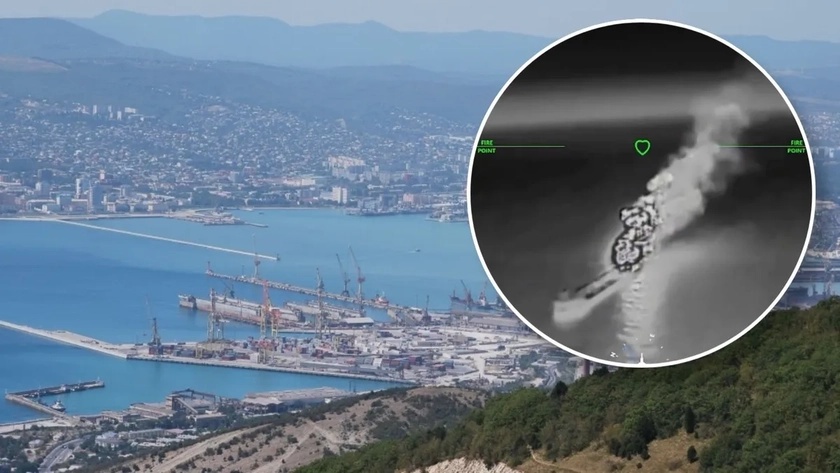
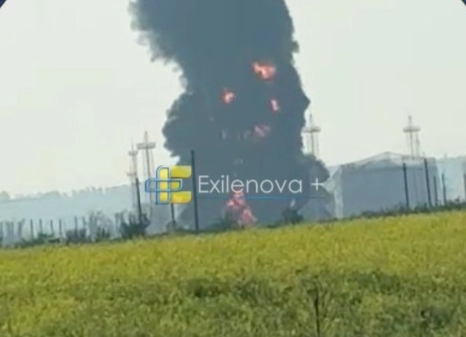
While Ukrainian attacks have crippled Russia’s oil refining capacity and, to a degree, its crude production, and prompted a nationwide automobile fuel crisis, the drone strikes did not reach facilities located in Russia’s Far East.
In May, despite Russia’s oil output hitting its lowest in one year following the Ukrainian strikes, reports suggest that its revenue has overall increased as increased demand and higher prices, brought on by the war in Iran, have offset the impacts.
You can also highlight the text and press Ctrl + Enter