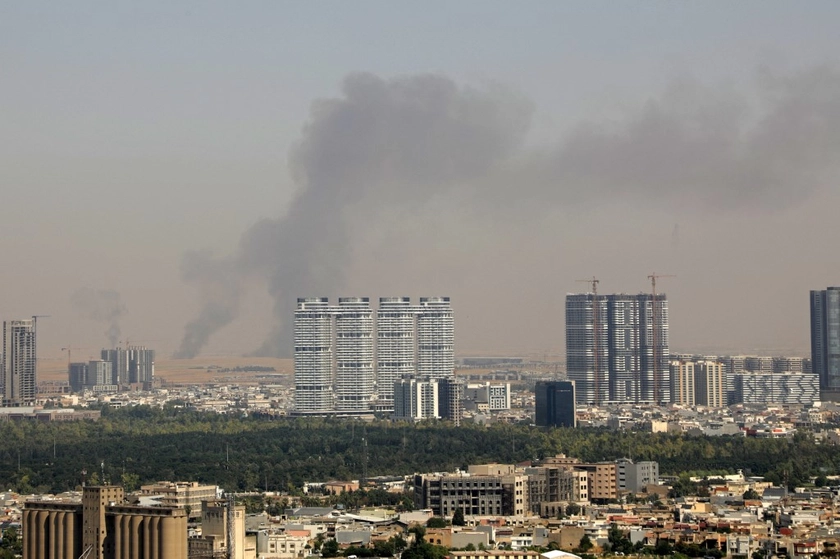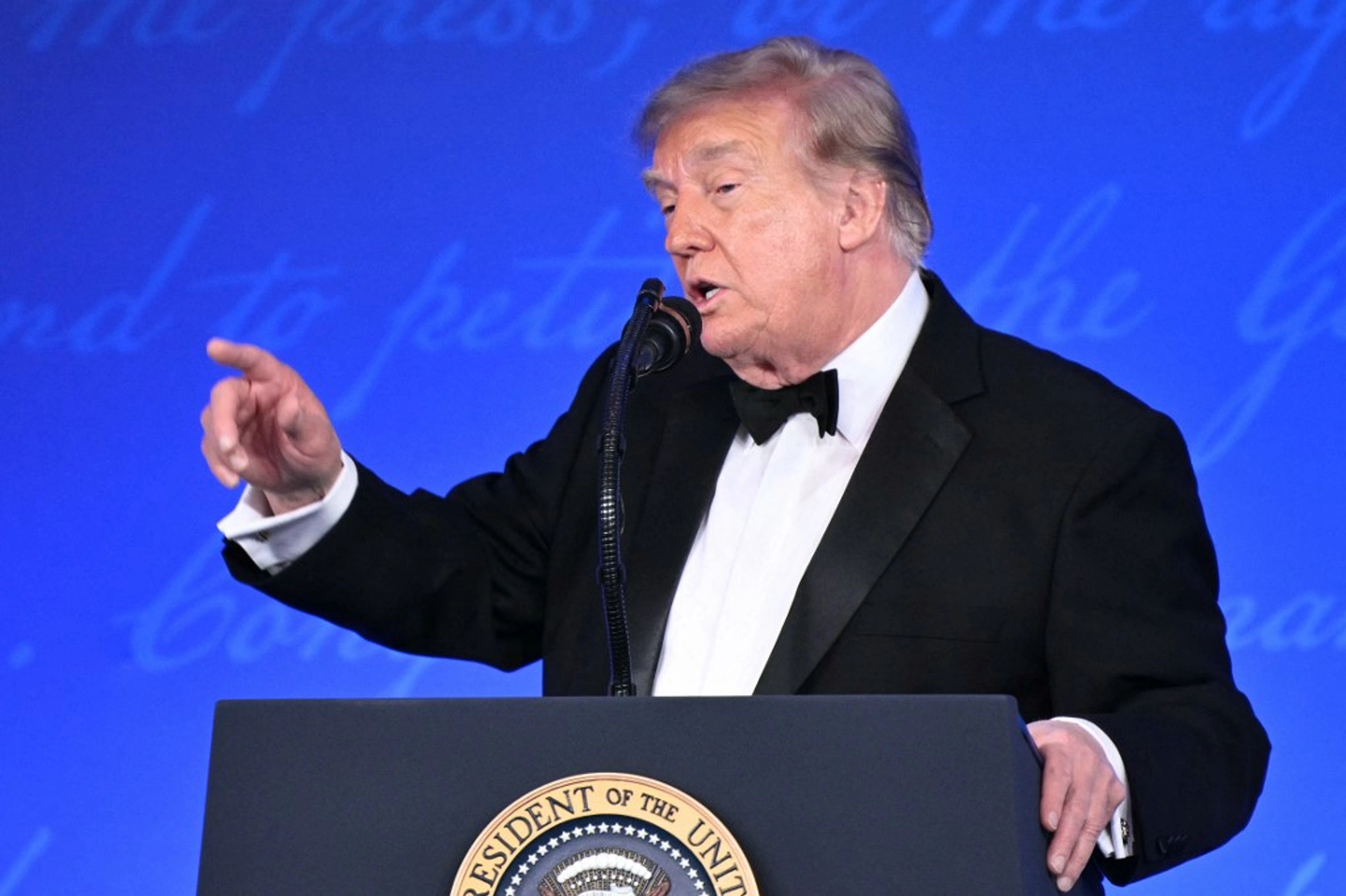
US President Donald Trump ordered a pause in military strikes against Iran on Friday, July 24, halting a nearly two-week bombing campaign amid concerns from top military officials regarding munitions stockpiles and ongoing diplomatic efforts, CNN and Axios reported.
During a White House meeting on Friday, US Vice President JD Vance and Chairman of the Joint Chiefs of Staff Gen. Dan Cain expressed reservations about escalating the conflict.
JOIN US ON TELEGRAM
Follow our coverage of the war on the @Kyivpost_official.
According to sources cited by CNN, Cain specifically warned about the depletion of US munitions stockpiles and the potential negative consequences of further military escalation.
Following the decision to halt the strikes, Trump publicly stated that while the US remains heavily armed and ready to act, the administration is currently prioritizing negotiations. Defense officials confirmed on Saturday that the operations remain suspended.
The pause in airstrikes coincided with the arrival of an Omani delegation in Tehran.
Regional sources indicated that the diplomats are negotiating a new agreement regarding the reopening of the Strait of Hormuz, with a potential deal expected over the weekend.
Israeli officials and the Israel Defense Forces had been on high alert, anticipating further US strikes on Friday and preparing for potential Iranian retaliation, before being informed of the operational suspension.
Ground operation contingency plans
Prior to the pause in airstrikes, the Pentagon had been evaluating contingency plans for a large-scale ground operation aimed at extracting or destroying Iran’s enriched uranium stockpiles.
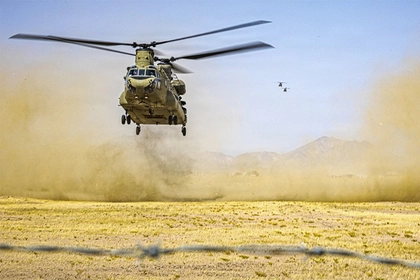
US Considers Ground Assault to Extract Enriched Uranium from Iran
The proposed extraction operation, considered by military planners as a viable alternative to airstrikes, would target heavily fortified nuclear infrastructure, including underground complexes at Fordow, Isfahan, and a subterranean facility near Natanz known as Pickaxe Mountain.
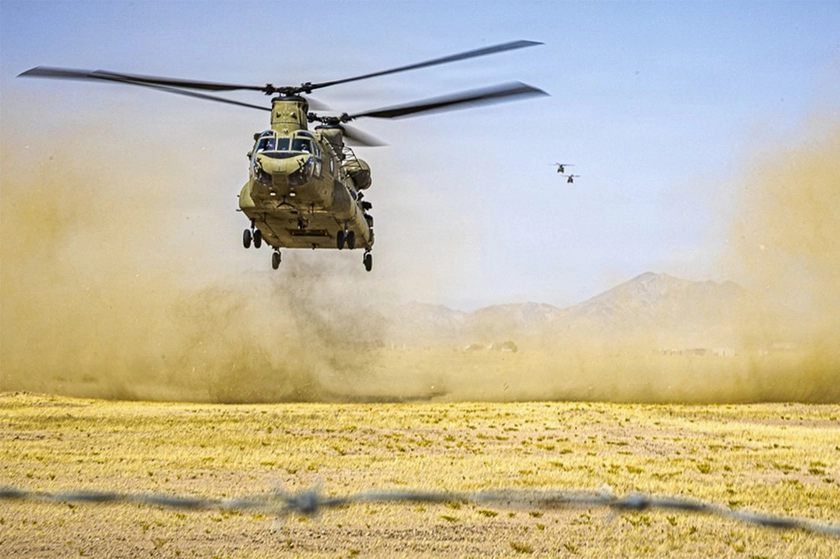
Executing the operation would require thousands of US military personnel. Conventional forces would first be deployed to secure the territory surrounding the nuclear facilities, neutralize landmines, clear damaged entrances, and establish defensive perimeters.
Following the initial breach, smaller tactical teams – potentially comprising US Navy SEALs, Army Rangers, and specialized hazardous material units – would enter the facilities to physically extract or destroy the enriched uranium.
While security analysts have noted that a ground operation might be the only remaining method to quickly neutralize Iran’s nuclear material, experts have warned of the high operational risks, including the challenges of holding the sites and safely evacuating the extraction forces.
Washington has not officially confirmed the approval of a ground operation.
You can also highlight the text and press Ctrl + Enter