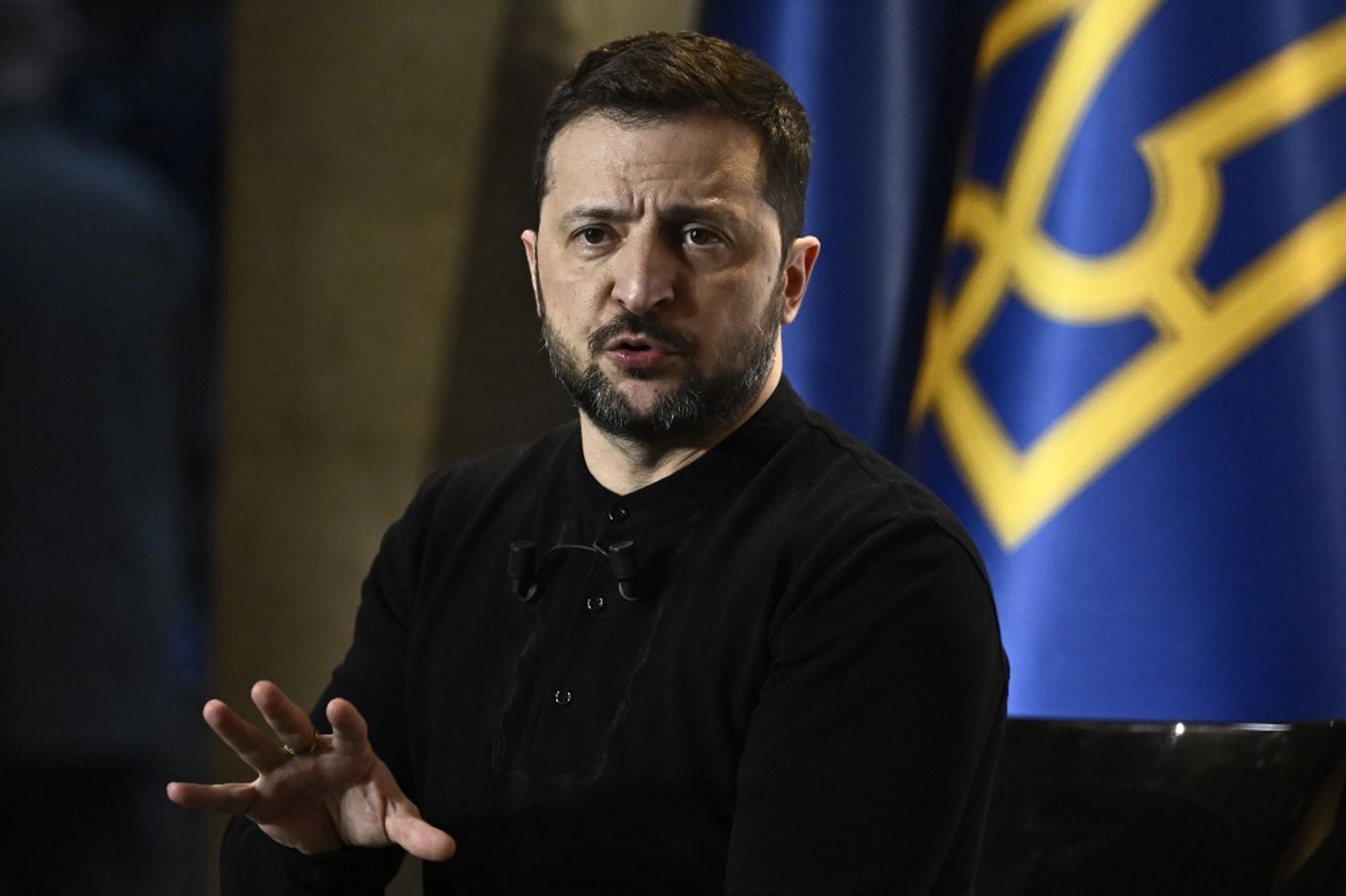
President Volodymyr Zelensky said Thursday that he will not be traveling to the US soon to sign the newly revised resources deal “because the conditions are constantly changing.”
A Ukrainian lawmaker outlined the new terms on Thursday and criticized them for being “downright HORRIBLE” as they demand more resources than previous versions and contain no security guarantees, among other terms that favored the US but not Ukraine.
JOIN US ON TELEGRAM
Follow our coverage of the war on the @Kyivpost_official.
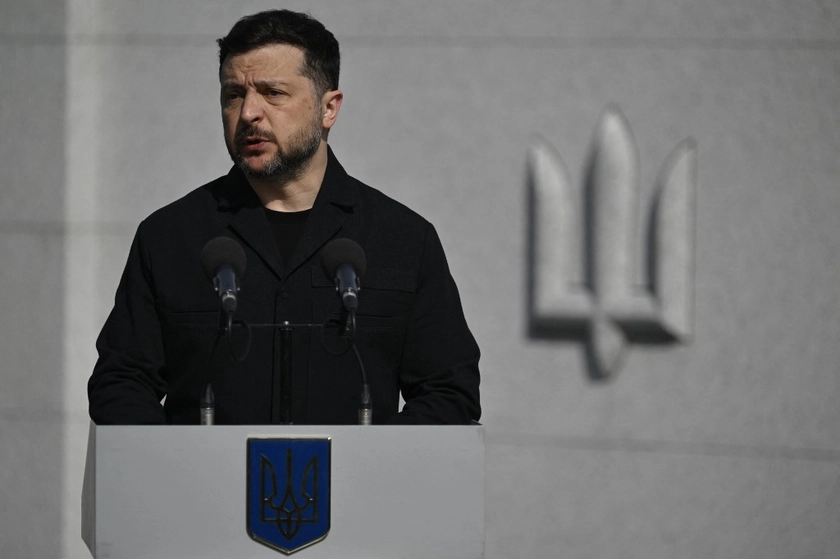
At a joint press conference after the Thursday security summit in Paris, Zelensky said the new deal should be studied by lawyers and ratified by Ukraine’s parliament, the Verkhovna Rada, before being signed into a framework agreement.
Zelensky said, “America is now changing these rules and immediately offering a full agreement, and a full agreement requires detailed study.”
Zelensky did not rule out signing the deal but hinted at a cautious approach.
“For now, I am not going to Washington, because there is no such issue on the agenda. Secondly, we have a lot of these agreements on mineral resources. And therefore, I would like to approach this not theoretically, but practically: when will the final version of this or that agreement, the next one, be from the US, because the conditions are constantly changing,” Zelensky said, according to a Ukrainian news outlet.
“But I would not like the US to have the feeling that Ukraine is against it in general. We have been constantly showing our positive signals, we are for cooperation with the US, we do not want to give any signals to encourage the US to stop aid to Ukraine or stop the exchange of intelligence,” he added.
Key Developments as Ukraine War Grinds Through Summer
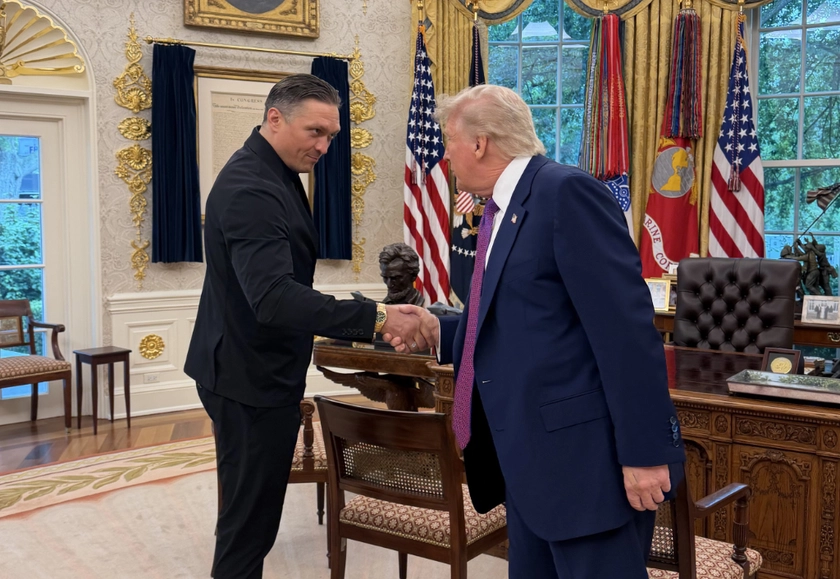
Zelensky was slated to sign an earlier version of the deal on Feb. 28 during his infamous clash with US President Donald Trump in the White House, which did not come to fruition.
A brief hiatus of US arms and supplies to Kyiv followed, but Ukrainian and US officials have ostensibly made amends in recent weeks, as demonstrated by Kyiv’s agreement to a US-backed ceasefire deal that now hinges upon Moscow’s cooperation.
The new deal
The US reportedly demanded more resources and revenues than those stipulated in earlier agreements, with terms such as veto power from US appointees and the omission of any security guarantees that raised concerns in Kyiv.
According to Ukrainian lawmaker Yaroslav Zheleznyak and foreign media such as the Financial Times and Reuters, who claimed to have obtained copies of the new draft deal, changes were made to the following areas:
- Scope of the deal – earlier versions stipulated 50% revenue extracted from Ukraine’s oil, gas and mineral resources (plus associated infrastructure), but the new version includes more minerals and all revenues extracted from both public and private sectors.
- Payment terms – under the new deal, the revenue is to be converted into foreign currencies immediately after extraction and to repay US aid for Ukraine, plus a 4% annual interest rate. The US also has first rights to all resources. Ukraine would not gain access to the fund’s profits until after repayment.
- Indefinite terms – there is now an indefinite term on the deal, which could only be altered or terminated with US approval
- Joint fund management – the funds are to be managed by a joint investment fund in different iterations of the agreement, but the new version stipulates that the fund be managed by a five-person board, three of which are appointed by the US with full veto power
The new version also made no mention of security guarantees, a key provision that Kyiv has pushed for. Trump has previously argued that the US economic interests in the country alone should serve as a deterrent against future invasions.
However, substantial US investments in Ukraine before 2022 failed to deter Moscow’s 2022 invasion.
You can also highlight the text and press Ctrl + Enter