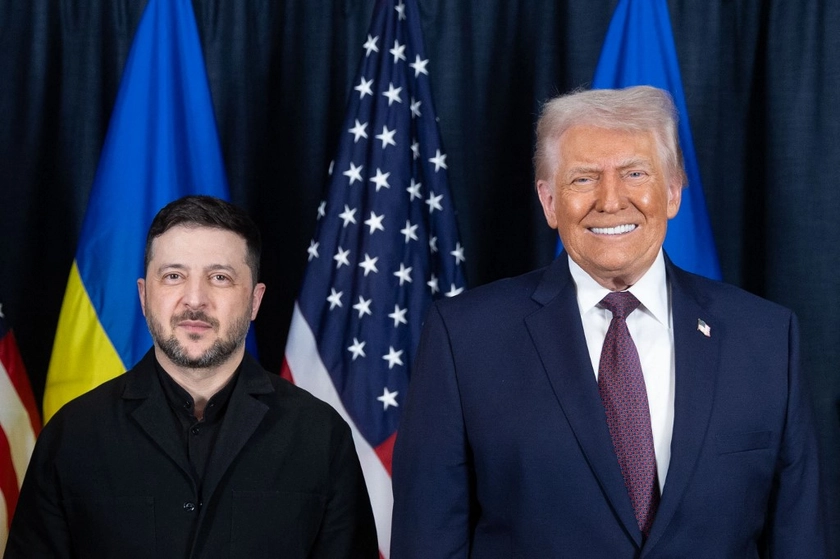
It has now been over a month since Ukraine agreed to a potential ceasefire under US terms – a bold and difficult concession – in response to President Trump’s efforts to broker an end to the war. Yet, in its traditional manner, Russia has shown no such urgency in reciprocating. Despite a string of meetings between Russian and American representatives in the Middle East and Russia, the only thing that seems clear is that peace remains as distant as ever.
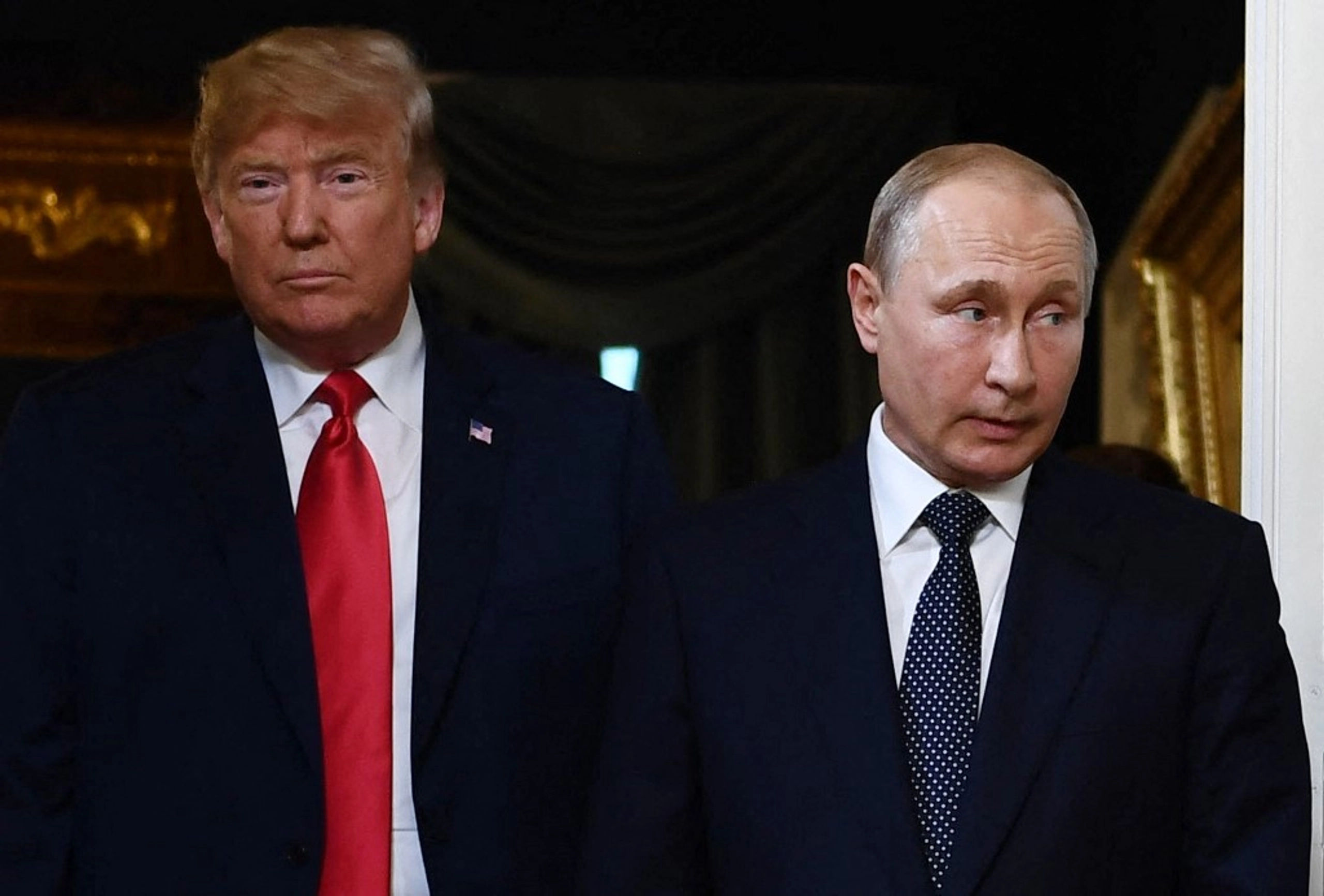
This past weekend, Russian forces once again reminded the world of their true intentions. A barbaric ballistic missile attack on the Ukrainian city of Sumy killed 34 civilians, including 7 children. Only two days earlier, President Trump’s envoy Steve Witkoff had met Vladimir Putin in St. Petersburg – the third such meeting in as many months – in hopes of securing a 30-day ceasefire. If the strike that followed tells us anything, it’s that the Kremlin is not taking US-led negotiations seriously.
JOIN US ON TELEGRAM
Follow our coverage of the war on the @Kyivpost_official.
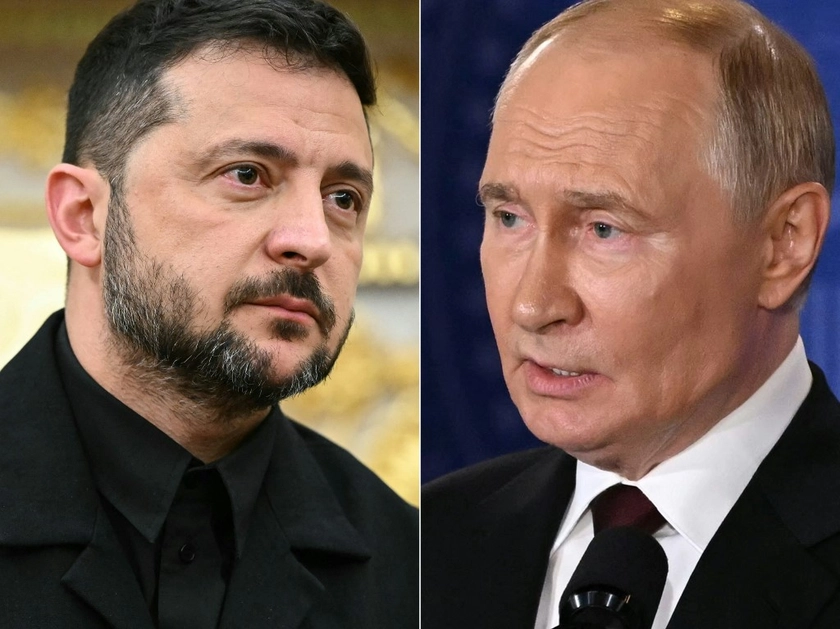
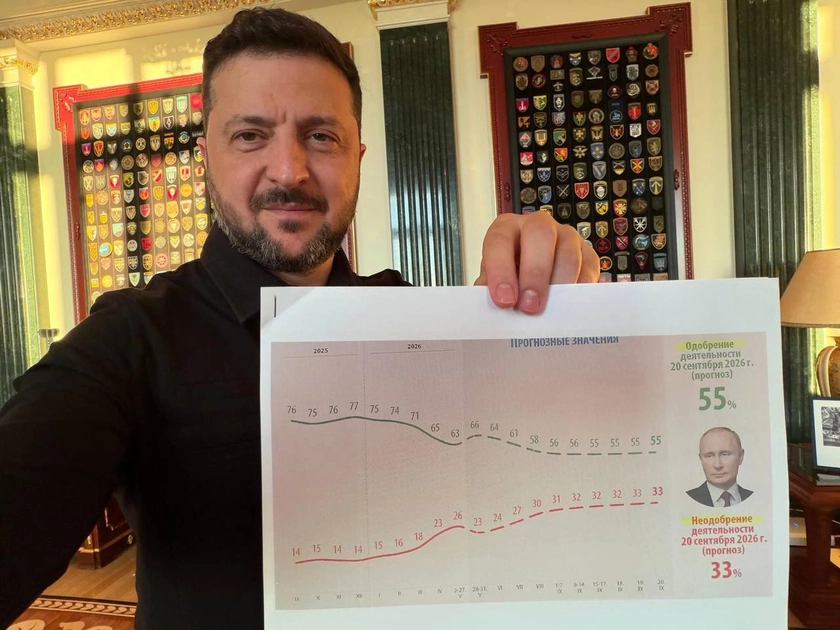
Worse still, disturbing reports suggest Mr. Witkoff is embracing Russian demands of recognizing Moscow’s illegal annexation of four Ukrainian regions. The silence on Crimea, the most glaring wound in Ukraine’s sovereignty dating back to 2014, is even more worrying. Ukraine’s President Volodymyr Zelensky himself in an interview recently questioned the wisdom of entrusting peace negotiations to a businessman rather than an experienced diplomat and has invited Donald Trump to visit Ukraine and see things for himself on the ground.
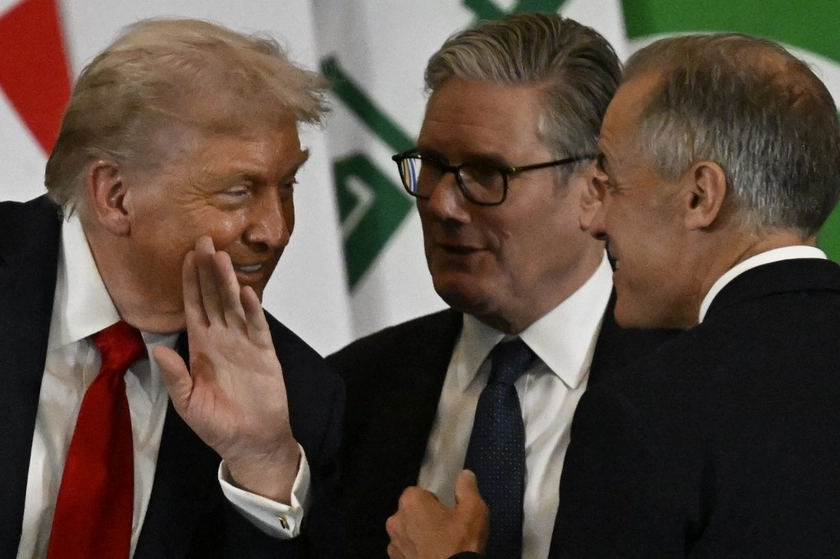
G7 Summit to Address ‘Five-Point’ Peace Plan as Trump and Zelensky Join European Leaders
Trump famously promised to end the war in 24 hours. As I write, nearly three months have passed, and Russia continues to play its hand with cold calculation. Putin – a KGB man to the core – has mastered the art of drawing concessions without giving an inch. To offer Trump a token “win” for his domestic audience, Russia has released two American prisoners over recent months, while simultaneously tightening its grip on global affairs. Russia is no longer the pariah state it used to be, carving out more influence in the Middle East, negotiating with the US over influence in the Arctic, and making Ukraine appear even more sidelined.
Russia’s goal has never changed: the erasure of Ukraine’s sovereignty and the destruction of Western unity.
This is no accident. It is Putin’s enduring strategy to diminish Ukraine’s standing in the eyes of the West – to make it seem dispensable in comparison to other “global” matters at stake – so that partners will quietly accept its dismemberment. We must not be so easily deceived. Russia’s goal has never changed: the erasure of Ukraine’s sovereignty and the destruction of Western unity.
While Washington continues to pursue its diplomatic efforts, Europe must get its act together. In London and Paris, there has at least been some resolve. Together with 31 like-minded nations, Britain and France have led on the formation of the “Coalition of the Willing” – an alliance intent on continuing to support Ukraine militarily, irrespective of US involvement.
At a summit last week, this coalition pledged billions in military support for Ukraine and opened discussions on deploying peacekeeping troops if and when a comprehensive ceasefire is reached. However, talks behind closed doors suggest the UK and France would only have the capacity to commit a battalion each, and other European nations – especially Germany, still emerging from its post- World War II military paralysis – are hardly rushing to fill the gap. Even Poland, arguably the most prepared of NATO’s eastern members, has ruled out sending its troops to Ukraine. A few battalions across a thousand-kilometer frontline would be, at best, symbolic. The framework for such deployment is yet to be developed.
In truth, the situation today is no clearer than three years ago. Western capitals often talk about Ukraine’s morale and conscription challenges – yet what incentive do young Ukrainians have to believe their sacrifice will be met with the solidarity they were promised? Too often they have found themselves facing Russian fire with dwindling ammunition and bare supplies, while European leaders shuffle from summit to summit.
Ukraine’s army – still the largest and most combat-ready in Europe – has held the line against a nuclear-armed aggressor for over three years. Its people’s resilience has kept the country strong and undefeated. While Europe’s frontline is still in Ukraine, it must act decisively. If Ukraine falls, the continent will no longer be able to hide behind coalitions and communiques.
The views expressed in this opinion article are the author’s and not necessarily those of Kyiv Post.
Lord Ashcroft KCMG PC is an international businessman, philanthropist, author and pollster. For more information on his work, visit lordashcroft.com. Follow him on X/Facebook @LordAshcroft.
You can also highlight the text and press Ctrl + Enter

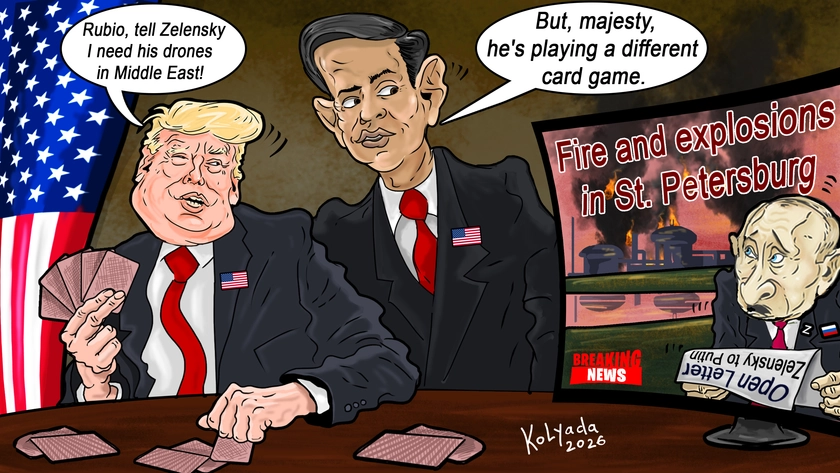
CARTOON: Who Has the Cards Now?
FACT-CHECK: Is Donald J. Trump Truthful About Ukraine?
OPINION: Crimea Cuts, St. Pete Double Tap, Boats Bashed