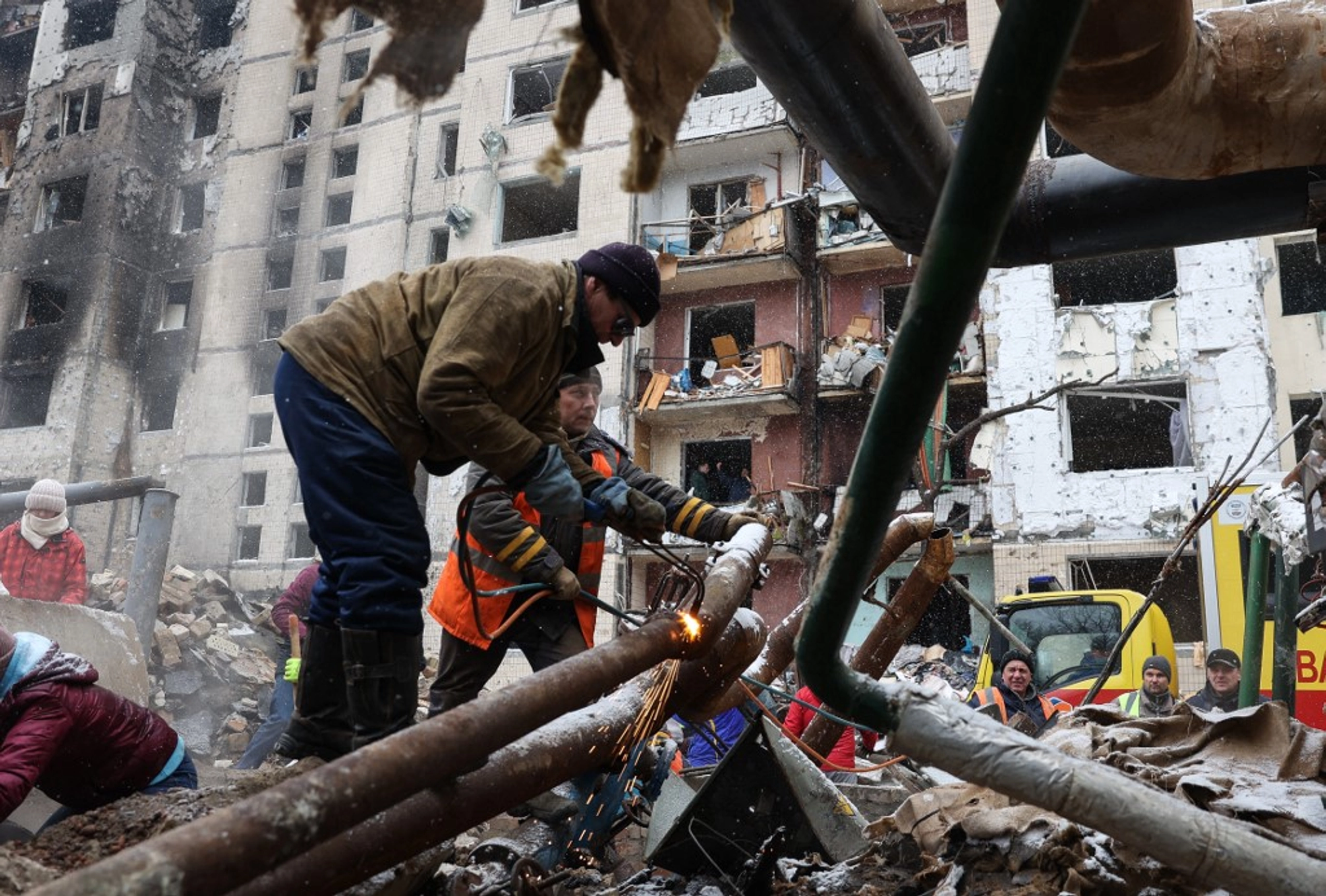
The new centralized procurement body, formed under the State Agency for Restoration and Infrastructure Development (Restoration Agency), will cooperate with the Ministry for Communities, Territories, and Infrastructure Development. Officials have presented it as a decisive anti-corruption measure that will align Ukraine’s procurement practices with the best European standards. But how effective will it be?
What is it? How will it work?
The new organization is expected to handle procurement procedures worth tens of billions of dollars for Ukraine’s post-war reconstruction.
JOIN US ON TELEGRAM
Follow our coverage of the war on the @Kyivpost_official.
“The priority is quality and transparency. It’s critical to spend money effectively during wartime. It’s also a moral marker. This centralized procurement system is a tool that ensures equal conditions for market participants and proper oversight,” Minister of Communities, Territories, and Infrastructure Development Oleksiy Kuleba said during a recent presentation.
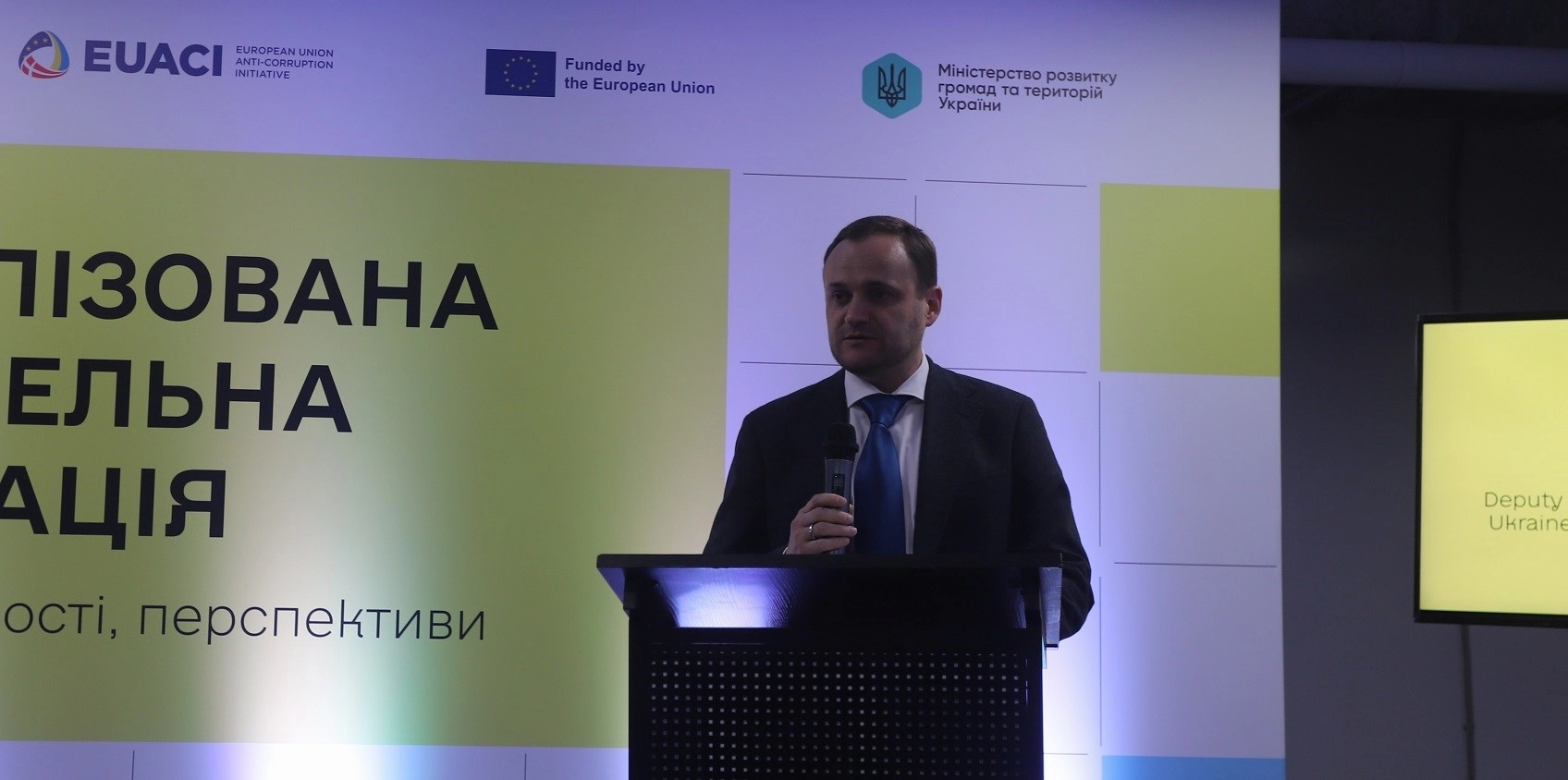
“It sends a message to communities and international partners: you can enter Ukraine and work freely and safely. Donors need to see that we are capable of creating transparent systems,” he added.
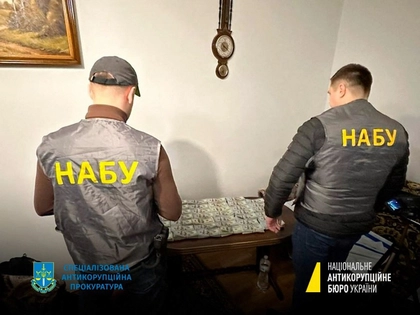
Kyiv Court Closes Treason Case Against NABU Detective Viktor Husarov
He added that the new body will include both an integral audit mechanism and a supervisory board.
Deputy Head of the EU Delegation to Ukraine Stefan Schleuning emphasized that Ukraine’s recovery and the restoration of infrastructure resilience are top priorities for the EU, and that anti-corruption efforts are integral to that.
“Recovery requires resources and, just as importantly, public confidence among EU citizens in how those resources are used. That, in turn, demands comprehensive solutions that minimize corruption and the risks associated with it,” he said.

He also said that creating an effective structure is part of Ukraine’s European integration process, calling it “very boring, but very important.”
In essence, the idea behind this body is simple: all reconstruction-related procurement will be centralized into a single “one-stop shop,” making oversight easier.
“Previously, each recovery agency conducted its own purchases. This resulted in inconsistent quality and various issues. Now, we’ll have one procurement system,” Kuleba said.
In total, more than 20 regional road agencies and other reconstruction bodies conducted purchases, which created problems. First, many of these agencies, left over from the Soviet era, had long been accused of corruption and poor-quality work. Second, their work often extended beyond roads and transport infrastructure, areas in which they lacked expertise.
Serhiy Sukhomlyn, one of the initiators of the new procurement body, cited the example of the water supply system for the half-million-strong city of Mykolaiv. Due to changes made by another agency, its initial cost, several billion hryvnias, was significantly reduced.
According to the plan, the centralized body will conduct tenders but will not manage the funds. This separation means its employees will have no vested interest in specific contractual outcomes.
“The customer applies, the centralized body runs the tender, selects the best proposal, and facilitates the purchase. The winning bidder signs a contract with the customer, does the work, and reports to both the customer and to us,” Sukhomlyn explained.
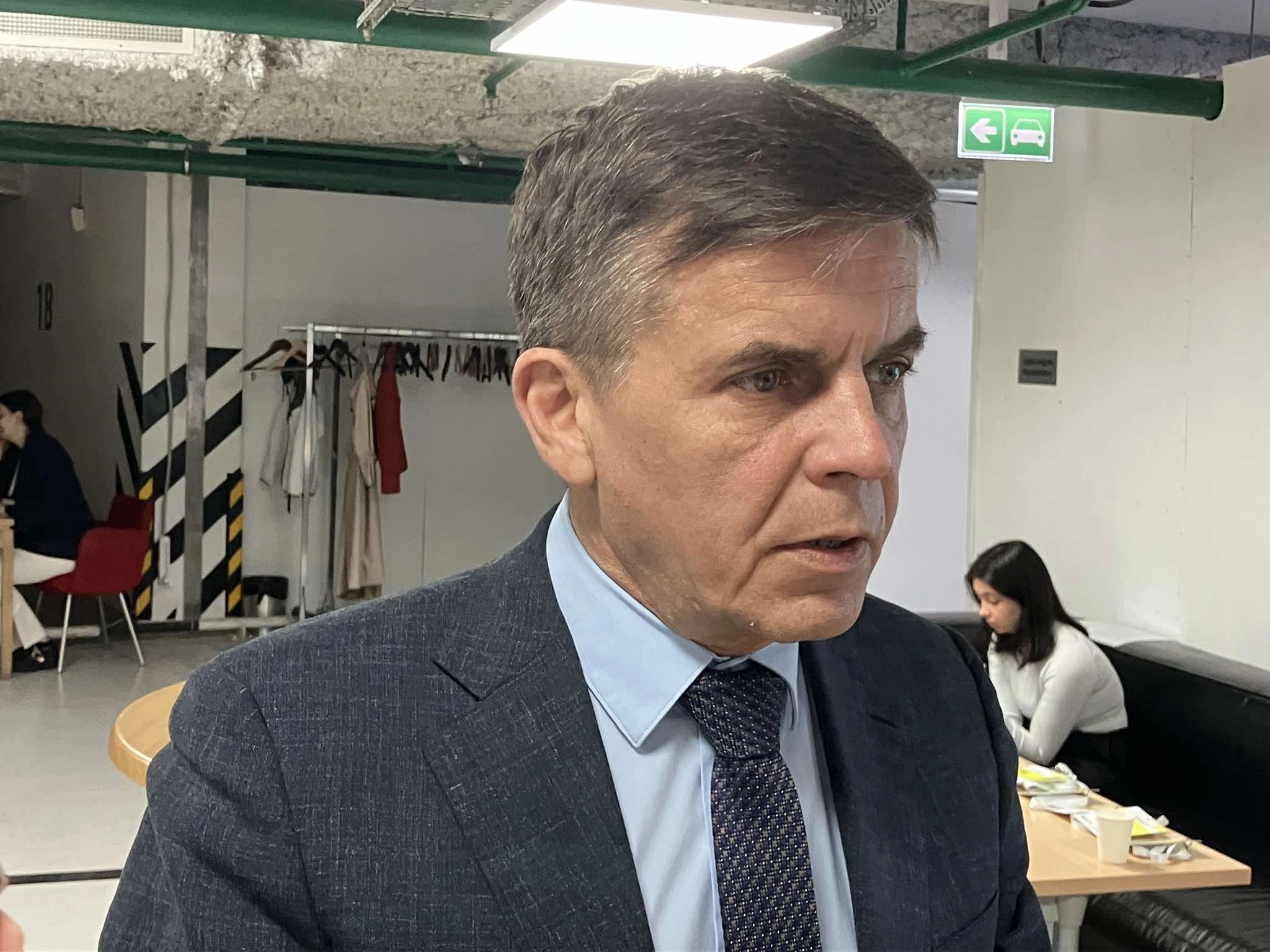
He also said the system would serve as a marketplace for all recovery-related procurement, not only for the Restoration Agency but for other ministries and local communities as well.
“Everything – tenders, suppliers, engineering expertise – will be stored in a single database. This will help us identify the best contractors and experts, shortening the recovery process by several months,” Sukhomlyn said.
Will there be resistance?
The new procurement model eliminates local procurement authority for reconstruction needs.
Some local officials have already voiced concern, arguing that communities have specific needs that require local decision-making. One senior official from a frontline city’s executive committee noted that this “one-size-fits-all” approach might not work everywhere.
But those involved in developing the centralized model argue that complaints about “local specifics” are often simply a cover for corrupt actions.
Maksym Nefyodov, co-creator of the Prozorro public procurement system, former first deputy minister of Economic Development and Trade, and a current adviser on tech solutions for the new system, said there had been significant pushback from the beginning.
“There was a lot of resistance. As far as I know, the Cabinet of Ministers’ resolution approving the creation of the centralized body was delayed for a long time. But that’s not surprising – until now, procurement ran through over 20 regional agencies, and the corruption risks were immense. I expect the resistance will continue. Soon we’ll hear that ‘Kyiv doesn’t understand the unique needs of Region X,’” he said.

He and his team are developing software to automatically flag potentially suspicious procurement deals, including the use of artificial intelligence (AI).
“For example, we’re building a system to identify tenders that technically meet legal requirements but raise red flags – such as when a bidding entity was created the day before the auction or when a tender attracts an unusual number of comments or complaints. We’re also working on AI tools to analyze tender documents for quality and compliance with internal standards,” Nefyodov said.
Will the system be allowed to function?
Another concern is whether the new body will be allowed to work effectively.
A recent cautionary tale is the defense procurement agency under the Ministry of Defense. A conflict between its head, Maryna Bezrukova, and Defense Minister Rustem Umerov led to system paralysis and delays in purchasing critical ammunition supplies, ultimately resulting in Bezrukova’s dismissal.
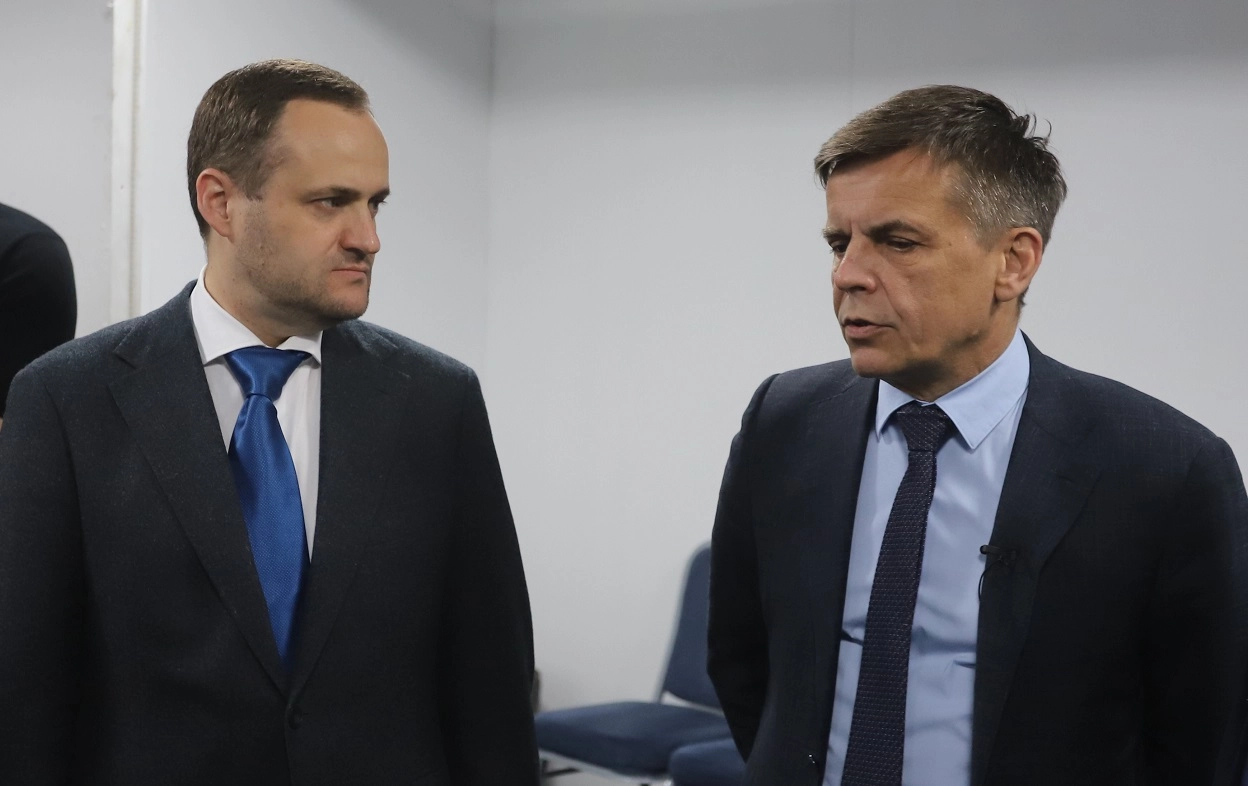
But in this case, no such conflicts appear to exist. According to internal sources and external appearances, Kuleba and Sukhomlyn are working in sync.
Even the defense agency, despite its shortcomings, still functions better than its predecessors, according to members of the Defense Ministry’s Anti-Corruption Council.
“Let’s be honest – even with all its recent scandals, the defense procurement agency is still performing more efficiently than what we had before. That proves such structures are useful. The rest depends on managerial effectiveness,” said a ministry official.
The centralized procurement body is expected to be fully operational by 2026 after the supervisory board and leadership are put into place. However, Sukhomlyn promised that the first tenders will be held soon. Their performance will offer the first real test of the new system’s effectiveness.
You can also highlight the text and press Ctrl + Enter