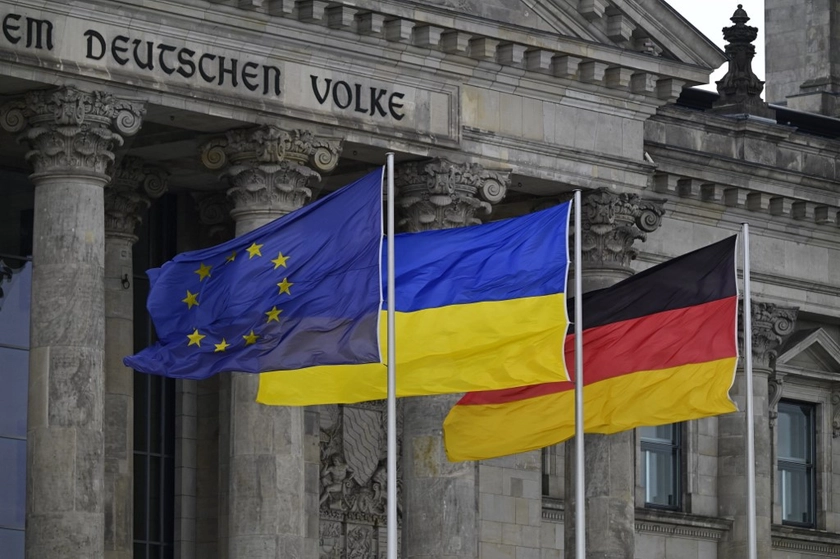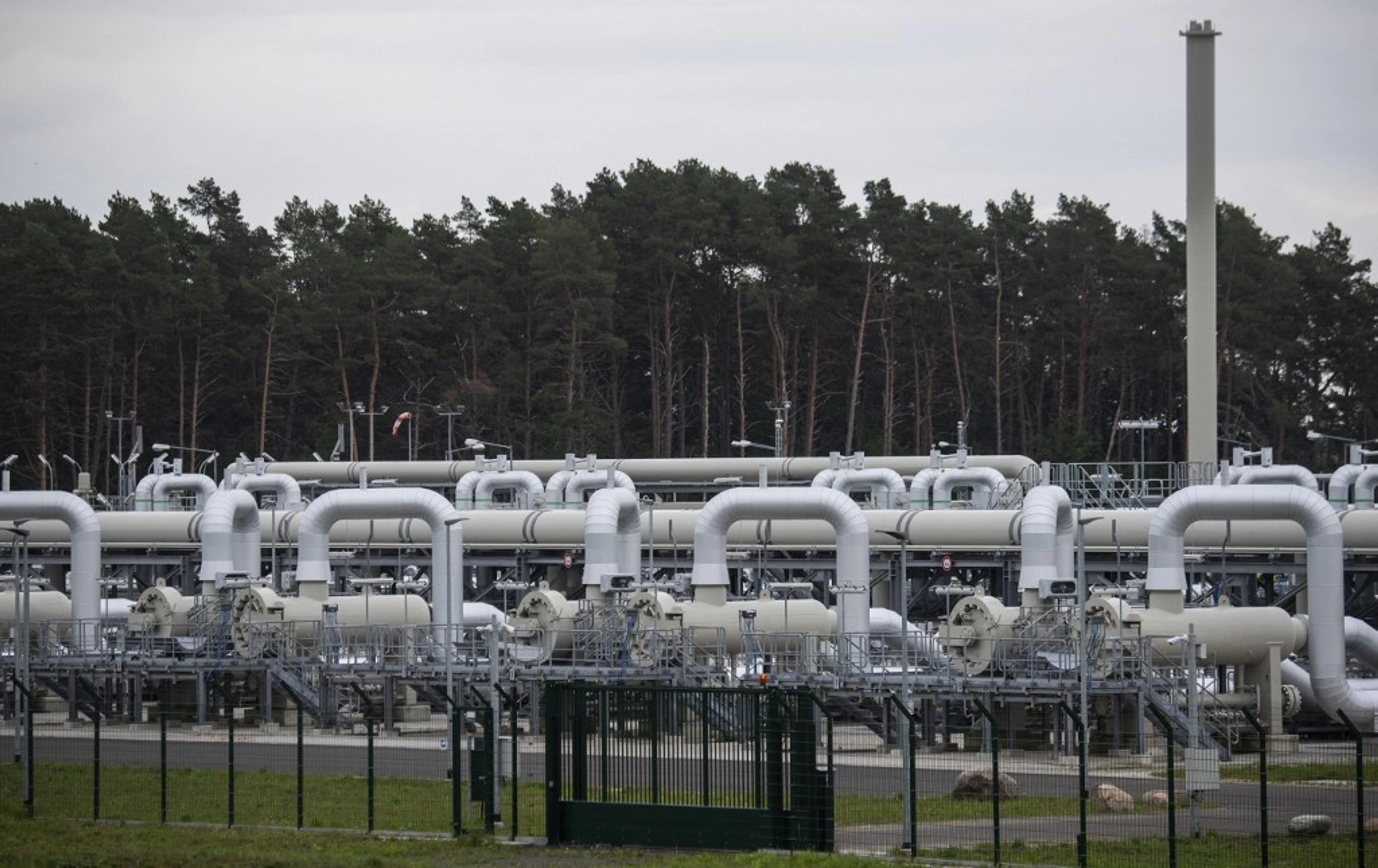
German Chancellor Friedrich Merz is actively supporting a proposed EU ban on the opening up of the Nord Stream pipelines to prevent any US-Russian attempt to revive the controversial gas links.
According to a report by the Financial Times (FT), Berlin endorsed the proposed ban as part of the EU’s next sanctions package against Russia for its war in Ukraine. The decision aims to preempt any domestic or international pressure to restart the gas flow, three officials told the FT.
JOIN US ON TELEGRAM
Follow our coverage of the war on the @Kyivpost_official.
Merz’s push followed FT revelations in March that Kremlin-linked Russian and US business figures were discussing reactivation of the pipelines.
One official said that the chancellor quickly opened talks in Berlin and Brussels to block any such move, saying that putting Nord Stream on the EU sanctions list “potentially removes a political problem for him.”
Another source added that Merz is attempting to “Europeanise” the issue, preventing Berlin from facing US or Russian lobbying alone.
Though Germany holds no ownership over the pipelines – three of which were damaged by explosions in 2022 – Berlin would need to certify any reactivation.
EU sanctions would target Nord Stream 2 AG, the Swiss-based company that owns the pipelines, along with any other entity involved in their potential restart.
European Commission President Ursula von der Leyen recently referenced Nord Stream in outlining a new sanctions package. She reportedly did so after consulting Merz, who gave his backing, according to officials familiar with the discussions.
Ukraine Receives First €3.9B EU Defense Loan Installment
The Commission was set to begin formal talks with EU governments over the weekend. The measures require unanimous approval.
The Nord Stream project was championed by former Chancellor Gerhard Schröder, who developed close ties to Russian President Vladimir Putin and later joined the Kremlin-backed Gazprom company.
Even before the 2022 full-scale invasion of Ukraine, the pipelines were a flashpoint in transatlantic relations, with the [first] Trump administration pressuring Germany to cut reliance on Russian energy.
“It is correct that the chancellor actively supports sanctions against Nord Stream 2,” a German government spokesman confirmed. “One of the aims of our sanctions is to cut off Russia from revenues that could be used to finance its war of aggression against Ukraine in violation of international law. This includes revenues from the export of fossil fuels.”
The renewed US interest under the Trump’s second presidency has reignited debate in Germany over Russian gas. A recent Forsa poll found 49% of residents in Mecklenburg-Vorpommern – where Nord Stream terminates – support resuming imports.
The far-right Alternative for Germany (AfD), which recently won more than 20% of the vote nationwide, has called for restarting the pipeline amid high energy prices and economic stagnation.
That view is shared by some business leaders and lawmakers from Merz’s own Christian Democratic Union (CDU) party, as well as coalition Social Democrats. The Green Party has blamed remnants of a “Moscow connection” within Germany’s mainstream parties for the lingering support.
In March, Saxony’s CDU Prime Minister Michael Kretschmer argued sanctions were outdated, saying they “do not fit at all with what the Americans are doing right now.”
The Trump administration is reportedly considering lifting sanctions on Russia’s Nord Stream 2 pipeline and other energy assets in Europe as part of broader discussions to end the war in Ukraine, Politico reported in late April, citing five White House insiders.
According to the report, Trump’s special envoy to Russia, Steve Witkoff, is leading the push and has asked aides to compile a list of all US energy sanctions on Russia.
However, Secretary of State Marco Rubio and Witkoff issued a joint statement denying any such moves.
Politico sources said the idea lacked broad support inside the White House, with Rubio actively opposing it. Interior Secretary Doug Burgum, who leads the White House Energy Dominance Council, is also reportedly against the move.
While reactivating Nord Stream 2 could benefit Moscow financially, it would require EU cooperation – unlikely given the bloc’s efforts to phase out Russian energy.
You can also highlight the text and press Ctrl + Enter