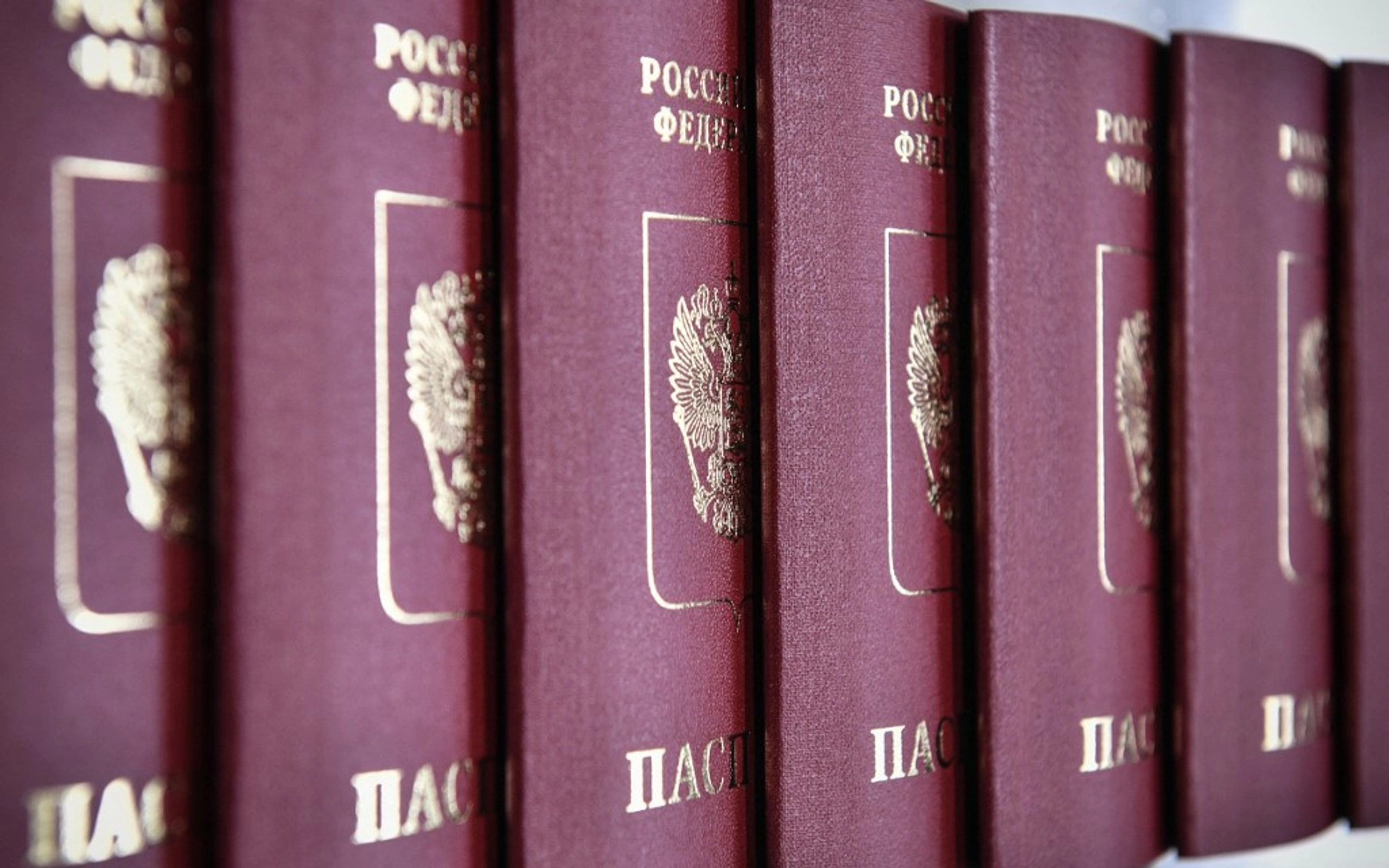
Latvia has called on all European Union states to suspend visas for Russian citizens amid growing concerns over a suspected Moscow-backed sabotage campaign across Europe.
European states, including Poland, have accused Russia of orchestrating a wave of sabotage, cyberattacks and arson across the continent aimed at destabilizing the EU and NATO.
JOIN US ON TELEGRAM
Follow our coverage of the war on the @Kyivpost_official.
According to EU officials, the threat has intensified since Russia launched its full-scale invasion of Ukraine in 2022.Alleged Russian spies have recently faced trial in several EU countries.
On Sunday, Latvia’s Foreign Minister Baiba Braže urged EU member states to halt visa issuance to Russian citizens, citing serious security concerns.
“Latvia calls on EU countries to stop issuing visas to Russian nationals due to these security risks,” Braže wrote on social media platform X.
She pointed out that the number of Schengen visas issued to Russians rose by 25% in 2024 compared to the previous year.
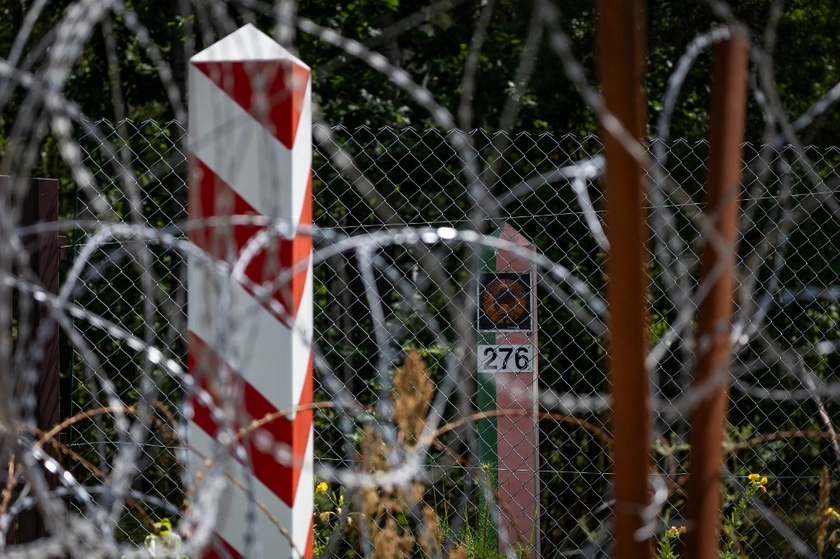
In response to the Ukraine invasion, Latvia, along with the other two Baltic states of Lithuania and Estonia, and Poland, imposed entry restrictions on Russian nationals in September 2022. The Czech Republic followed suit a month later.
However, some EU countries continue to issue visas to Russian citizens, allowing legal travel into the bloc. Most receive Schengen visas, which permit free movement across 29 European countries for up to 90 days within any 180-day period, primarily for tourism, business, or family visits.
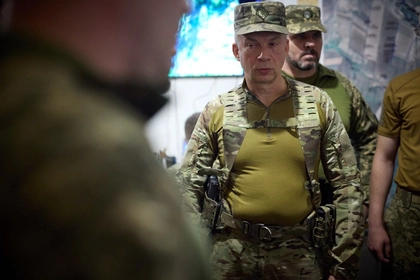
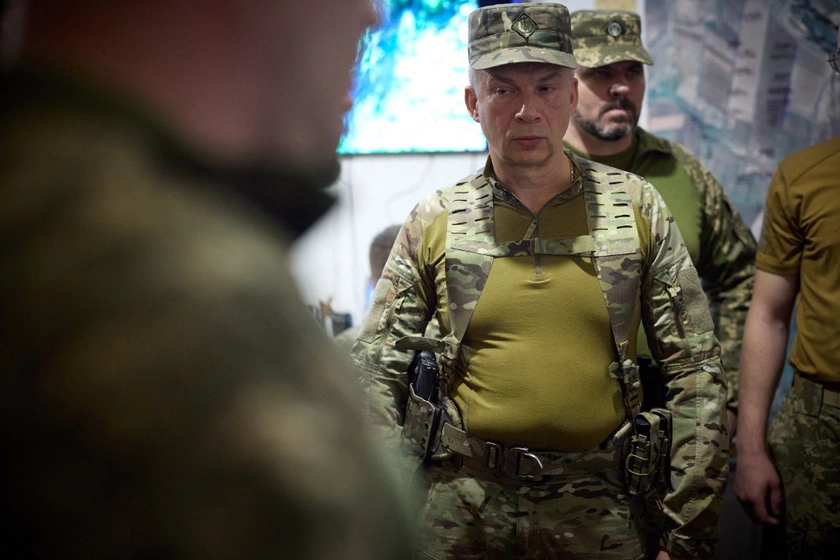
Ukraine’s General Syrsky: AFU Is Making Fair Progress vs Russia But No Victory Soon
Crackdown on Russian diplomats
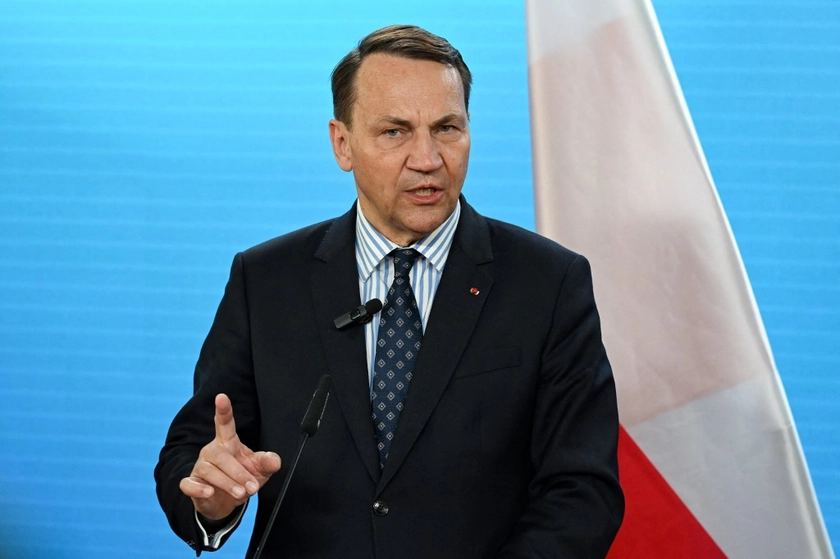
In April, Polish daily Rzeczpospolita reported that Warsaw and Prague are also pushing for an EU-wide ban on the free movement of Russian diplomats within the passport-free Schengen zone.
The initiative comes amid concerns that Russian consulates across the EU often provide counterintelligence cover for saboteurs.
You can also highlight the text and press Ctrl + Enter

Russia Hit by 660-Drone Overnight Barrage Targeting Moscow, Crimea and Key Military Sites