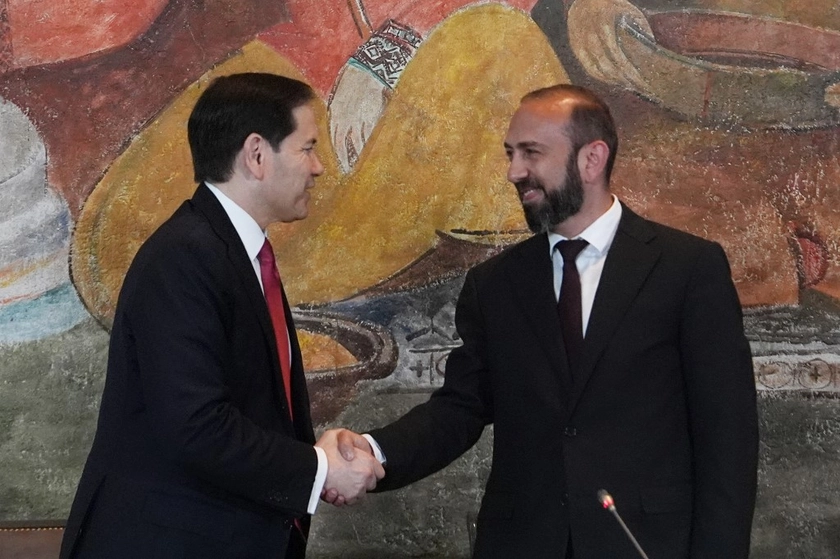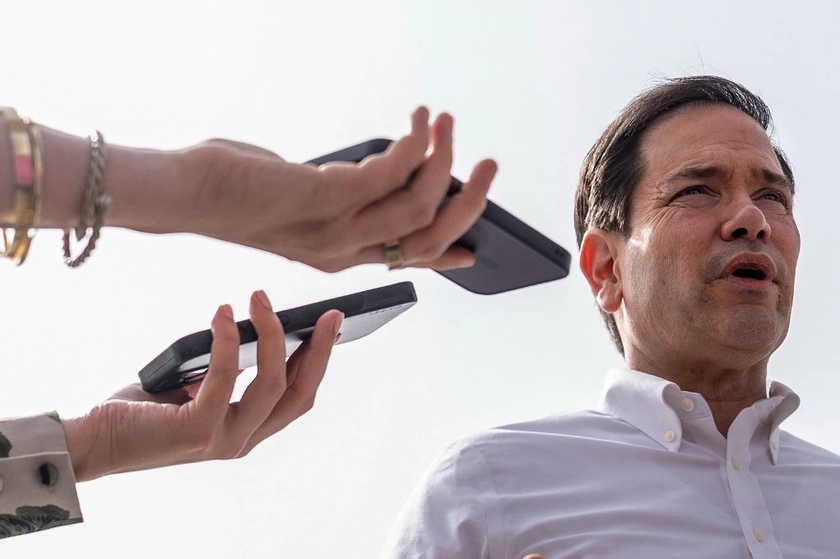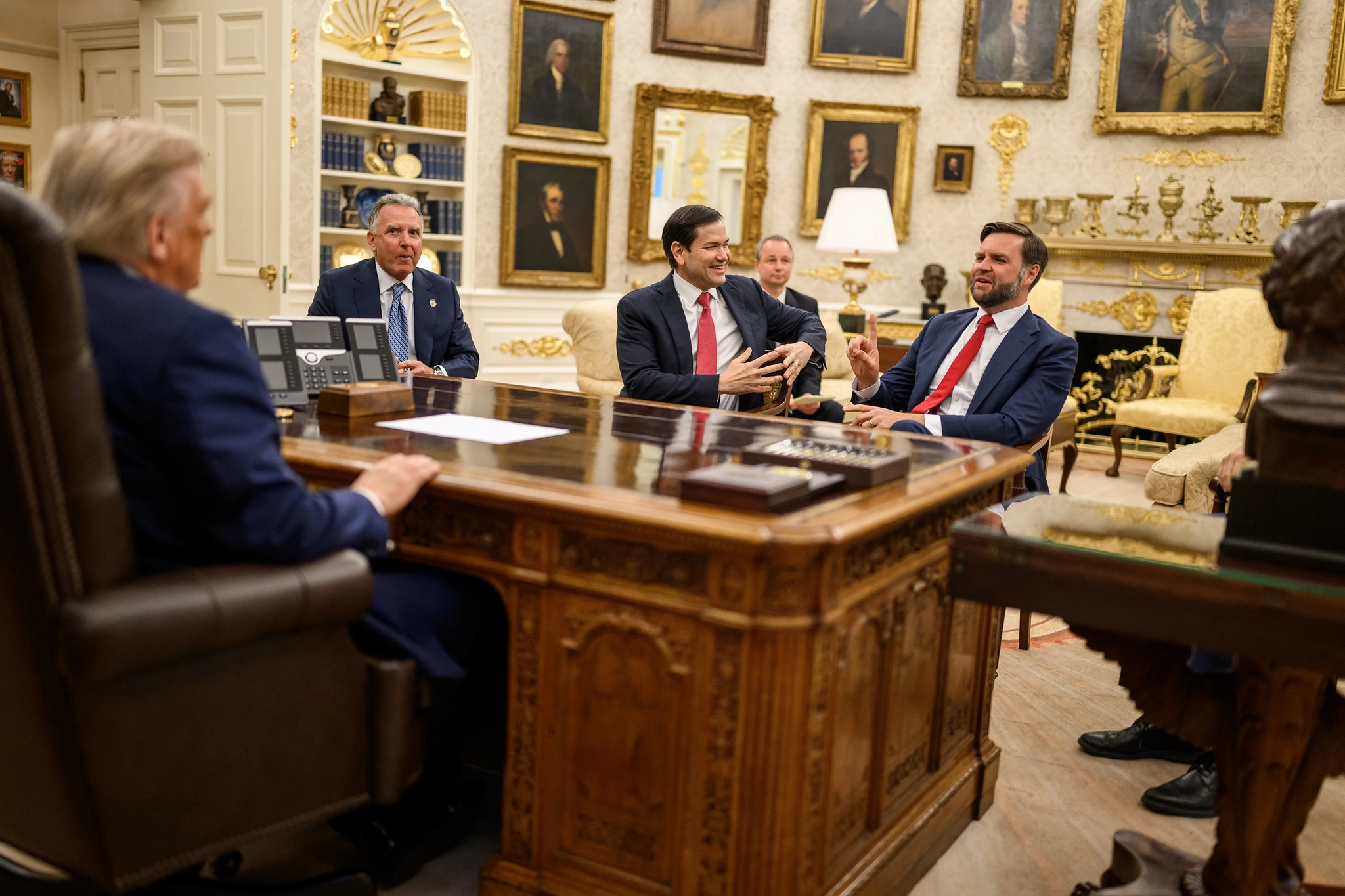
WASHINGTON DC – In a bid to maintain momentum after last week’s White House summit, the top US diplomat Marco Rubio is spearheading the Trump administration’s diplomatic offensive to broker a peace deal in Ukraine.
In a crucial call on Monday, Secretary of State Rubio spoke with a wide range of his European counterparts, including foreign ministers from Finland, France, Germany, Italy, Poland, and Ukraine, along with the UK Foreign Secretary and the EU’s High Representative.
JOIN US ON TELEGRAM
Follow our coverage of the war on the @Kyivpost_official.
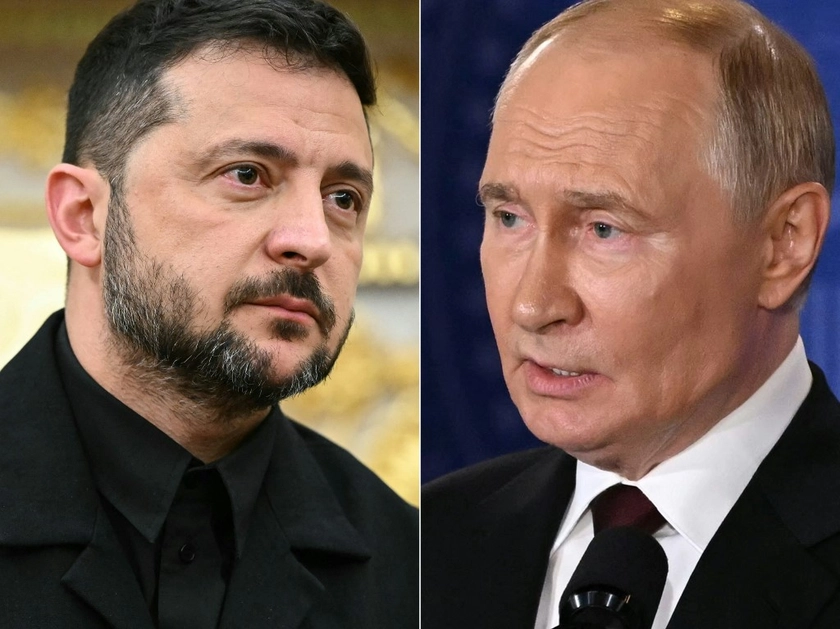
The State Department said in a readout of the call that the group “agreed to continue cooperation in diplomatic efforts to bring the Russia-Ukraine war to an end through a lasting negotiated settlement,” a phrase that has become a key part of the new administration’s messaging.The call follows closely on the heels of an unprecedent summit where Trump hosted President Volodymyr Zelensky and other European leaders.
Speaking to reporters from the Oval Office on Monday, Trump has outlined the US role in any future security guarantees, stating that Washington would “back up” Ukraine’s security but would not be spending additional money, instead focusing on selling weapons to NATO.
He has also made a point of noting that he has been in direct contact with Russian President Vladimir Putin, discussing a potential meeting with Zelensky.
The move by Rubio is seen as a way to reassure European allies and keep them aligned with the US position.

You Realize How Valuable Life Is When Death Feels Possible Every Day
As Kyiv Post reported earlier, Rubio last week spoke with Andriy Yermak, the head of the Ukrainian Presidential Office, to coordinate positions ahead of the diplomatic steps planned for the week.
This shows a direct line of communication between Rubio and top Ukrainian officials as they navigate the complex landscape of peace talks.
Expert skepticism over a credible US strategy
Despite the diplomatic flurry, there is growing skepticism among Washington analysts and Ukrainian advocates that the Trump administration has a viable strategy to change Russia’s war aims.
Doug Klain, a policy advocate for Razom, a US-based organization advocating for Ukrainian interests, told the Kyiv Post that while European unity is a good sign, Washington’s position remains ambiguous.
“The Trump administration still hasn’t clearly articulated a strategy for changing Russia’s war aims and bringing Moscow to the table,” Klain said. “It has long since fallen to Europeans to articulate a strategy for guaranteeing Ukraine’s security and asking the US to enable that European-led plan.”
He added: “I would hope that with Rubio leading on security guarantee talks, his European counterparts gave him the kinds of details and asks he would need to get White House buy-in to a European-led strategy.
Putin is making plenty of proposals to President Trump – it’s up to Europe to show that it’s offering a better deal.”
‘All talk and no action’
Yuriy Boyechko, the CEO of the US-based humanitarian organization Hope for Ukraine, offered an even more blunt assessment, telling the Kyiv Post that following Russian Foreign Minister Sergei Lavrov’s recent interview with NBC, “It’s clear that Russia has buried all of Trump’s requests to reach some sort of ceasefire.”
“The Russians see the current administration as all talk and no action, so they are not going to take the White House’s efforts to bring peace to Ukraine seriously,” Boyechko stated.
He suggested that Putin’s strategy is to prolong the conflict, aiming to outlast Trump’s four-year term and then present new demands to a future US president.
Russia’s ‘long game’
Andrei Soldatov and Irina Borogan, senior fellows at the Center for European Policy Analysis (CEPA), have expanded on this view of the Kremlin’s long-term strategy.
In a latest analysis, the experts argue that Putin views the war not merely as an act of aggression against Ukraine, but as an “existential struggle” to restore Russia’s superpower status.
They believe that Putin is playing a “long game” with the West and is not interested in a full end to sanctions.
Instead, they say, he is looking for specific concessions, such as rejoining the SWIFT banking network and gaining access to Western technology.The contrast between the Trump administration’s focus on a “lasting peace” and Europe’s emphasis on “security guarantees” highlights a potential fissure in the Western alliance’s approach.
While the US appears eager to broker a deal, European leaders are increasingly focused on ensuring any settlement does not simply freeze the conflict in Russia’s favor, leaving Ukraine vulnerable to future aggression.
The ongoing discussions, spearheaded by Rubio, will be crucial in determining whether these two goals can be reconciled into a truly cohesive strategy.
You can also highlight the text and press Ctrl + Enter