Sweden’s Gotland Island is key to controlling the Baltic Sea, according to Swedish and Polish officers participating in military exercises this week aimed at deterring a possible Russian attack.
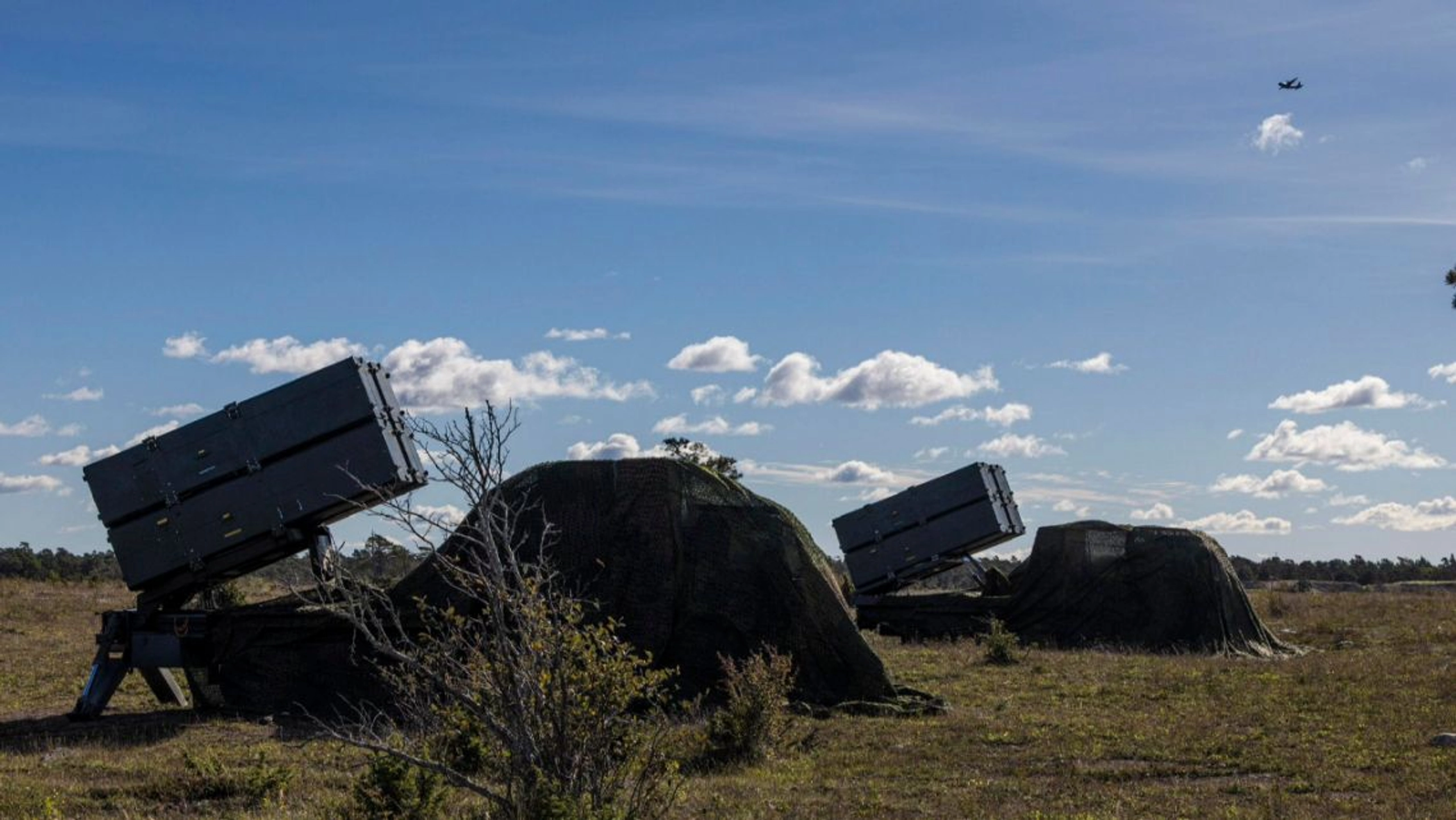
“It’s basically like a huge aircraft carrier in the middle of the Baltic,” Quartermaster Oscar Hannus of the Swedish Navy said, framed by one of Sweden’s RBS-15 missile systems that would be used against any seaborne threat to the island.
JOIN US ON TELEGRAM
Follow our coverage of the war on the @Kyivpost_official.
Hannus’ unit, along with paratroopers and coastal missile forces from Poland, is one of several taking part in Operation Gotland Sentry, testing Sweden’s and NATO’s plans to deploy land, sea, and air forces in any rapid defense of Gotland.
Gotland, popular with Swedish tourists for its sandy beaches, has acquired a growing strategic significance as tensions with Russia have ratcheted up since President Vladimir Putin ordered a full-scale invasion of Ukraine in February 2022.
Three hundred kilometers from the home of Russia’s Baltic Fleet in the exclave of Kaliningrad, Gotland dominates vital sea lanes, and the island would be crucial if NATO had to send troops and supplies to reinforce the nearby Baltic states of Lithuania, Latvia and Estonia, most likely from Sweden.
Demilitarized after the Cold War, Sweden has been rebuilding its strength on the island, a 170 km-long rocky outcrop to the south of the capital, Stockholm, in the face of an increasingly assertive Russia.

Sweden to Supply Meteor Long-Range Missiles for Ukraine’s Gripen Fleet
In 2018, Sweden reactivated the army’s Gotland Regiment and deployed ground-to-air missile batteries on the island, as well as enhancing other military infrastructure.
After decades of commitment to non-aligned status, Sweden joined NATO in March 2024, meaning it can now count on members of the alliance to come to its defense - and that of Gotland.
You can also highlight the text and press Ctrl + Enter