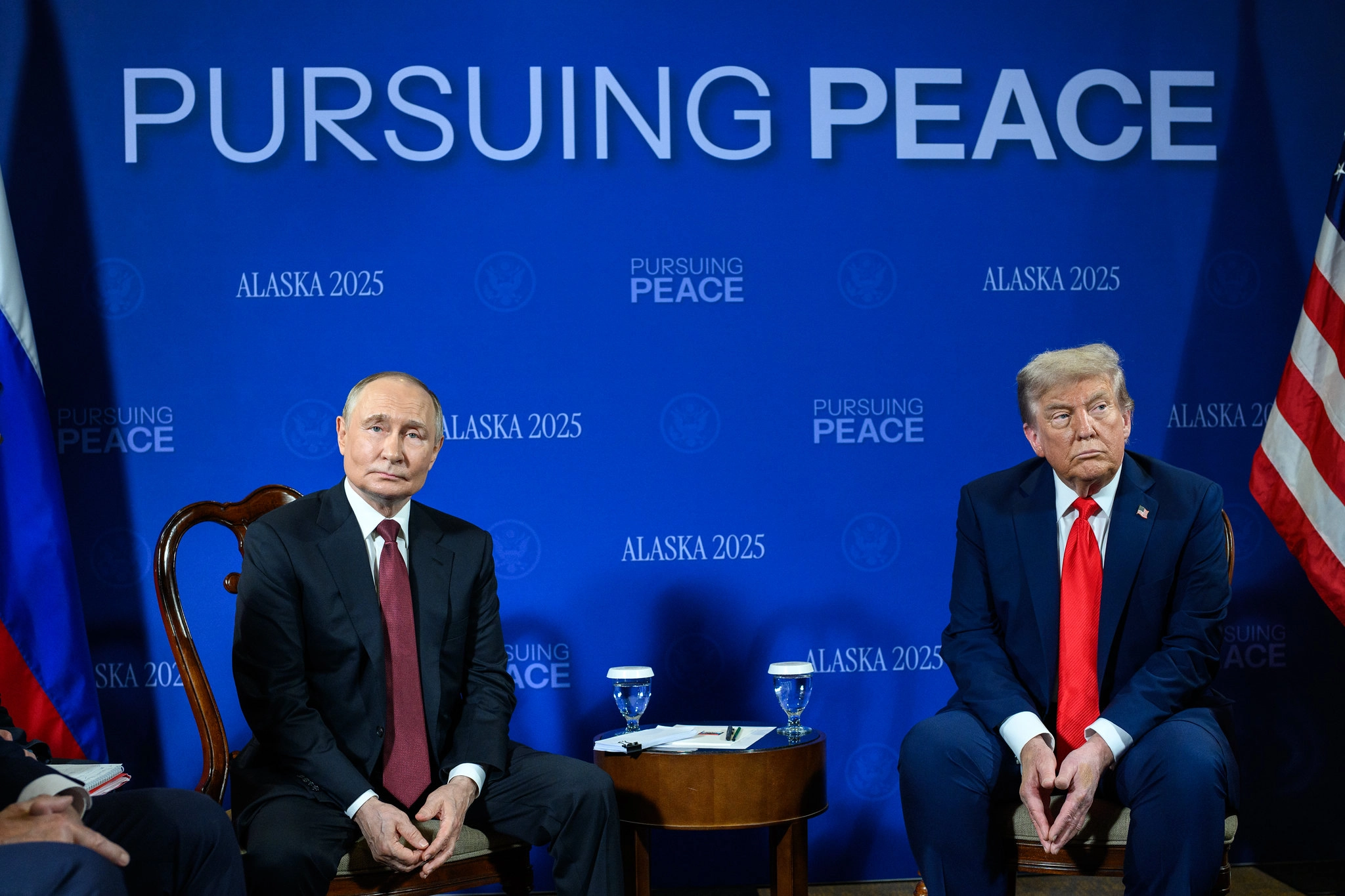
WASHINGTON, DC – US officials on Wednesday flatly rejected Moscow’s assertion that the diplomatic push for a Ukraine peace settlement, initiated after a meeting between President Donald Trump and his Russian counterpart Vladimir Putin, has been “largely exhausted.”
The dismissal comes after Russian Deputy Foreign Minister Sergey Ryabkov claimed the “powerful momentum” for peace had dissipated, pinning the blame on Kyiv’s European allies for supporting a “war to the last Ukrainian.”
JOIN US ON TELEGRAM
Follow our coverage of the war on the @Kyivpost_official.
Speaking to Kyiv Post, three senior Trump administration officials pushed back hard on the Kremlin’s narrative. One official stated that the Kremlin “can only speak to itself,” adding that the US position on seeking long-term peace has been consistent “before, during and after the Alaska summit.”
“Nothing has changed on our end,” another official insisted, noting that Trump had made it clear his “patience with Putin has been running out.”
Strategic blame-shifting
The Russian statement forces a strategic question in Washington: Is this a genuine reflection of diplomatic failure, a negotiating tactic to shift blame, or a pretext for military escalation?
John Herbst, the former US Ambassador to Ukraine and current Senior Director of the Atlantic Council’s Eurasia Center, suggested Ryabkov’s statement is a calculated effort aimed at both the Trump administration and Russia’s domestic audience.
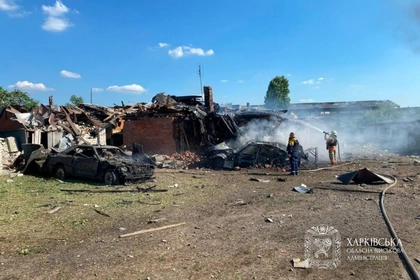
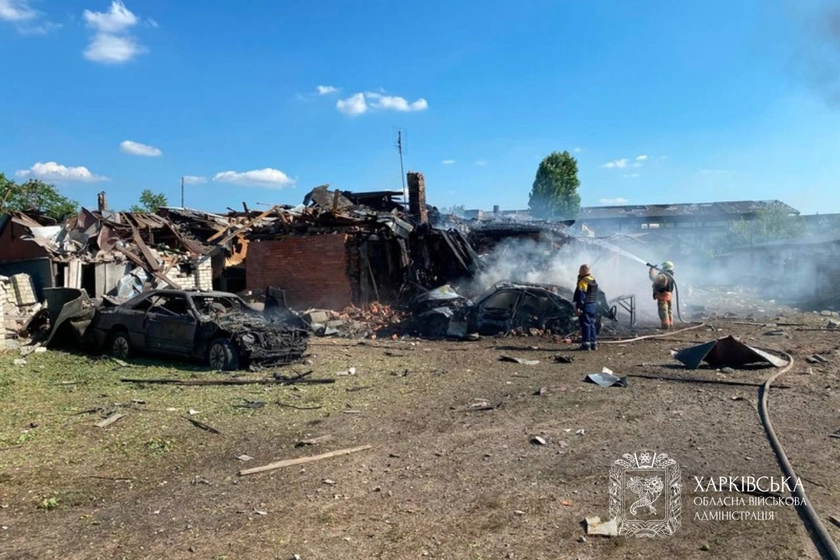
Russian Guided Bombs in Kharkiv Kill Teen, Wound 32, Including Children
“I think that this statement is a response to the various statements Trump and his team have made since Trump and Zelensky met in New York two-plus weeks ago,” Herbst told Kyiv Post.
He views the statement as a tool for domestic messaging, allowing the Russian government to tell its people that things are not “hunky-dory” after Alaska as they thought, while simultaneously attempting to shift responsibility.
Herbst summarized the Kremlin’s public framing: “They are trying to say that Trump remains our friend; he means well, but it’s just these pesky Europeans who are messing things up.”
Escalation and pressure
Trump officials confirmed that despite the Kremlin’s claims, the pressure campaign on Moscow continues, particularly targeting its oil revenues.
A third official told Kyiv Post the US will maintain its current posture, stating it continues to urge international partners to block the purchase of Russian oil. The official added that Washington remains ready to impose further sanctions if Russia increases its aggression.
Herbst endorsed a strategy of increased pressure, warning that Russia’s concurrent “provocations against NATO have been ongoing for many years,” and are being “ratcheted up even more” because “NATO has not responded.”
In outlining several options for inflicting “real pain” on Moscow, Ambassador Herbst suggested stricter enforcement against the “ghost fleet of tankers.”
He argued that putting “an additional price on countries buying Russian gas and oil would probably reduce some of the Russian sales,”
He noted that “giving Ukraine the means to strike more Russian hydrocarbon facilities could also create serious havoc in Russia.”
Forcing Putin’s hand
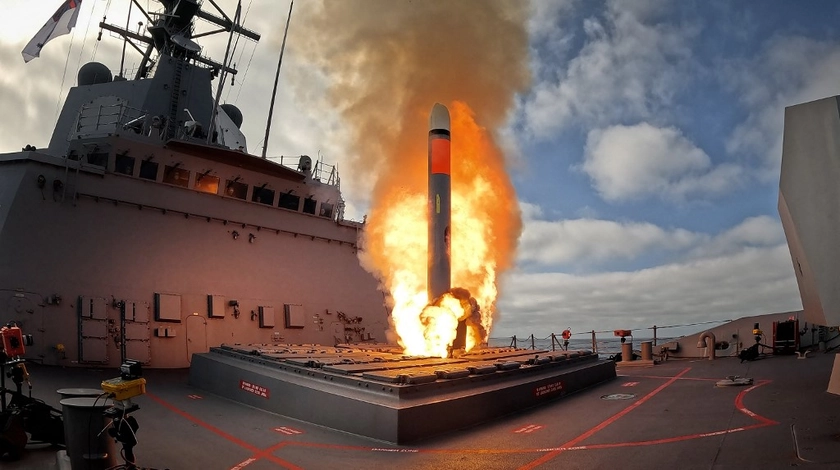
Herbst also highlighted the ongoing debate over providing Tomahawk cruise missiles to Ukraine, noting that the administration’s “willingness to consider this in a serious way is a step forward.”
While cautioning that “Tomahawks by themselves are not the answer,” he argued they would enable Ukraine to target “arms producers” and serve “as a sign of American support for Ukraine, it’s a problem for Putin.”
Ultimately, Herbst’s core advice to the Trump regime remains that diplomacy alone has failed.
“The efforts to use charm and concessions to persuade Putin to make peace have failed,” Herbst said.
To change Putin’s calculus, the US must persuade him that the war is detrimental to his “own political position,” a strategy that requires economic pressure and military support for Ukraine, as Herbst put it.
You can also highlight the text and press Ctrl + Enter

Russia Hit by 660-Drone Overnight Barrage Targeting Moscow, Crimea and Key Military Sites