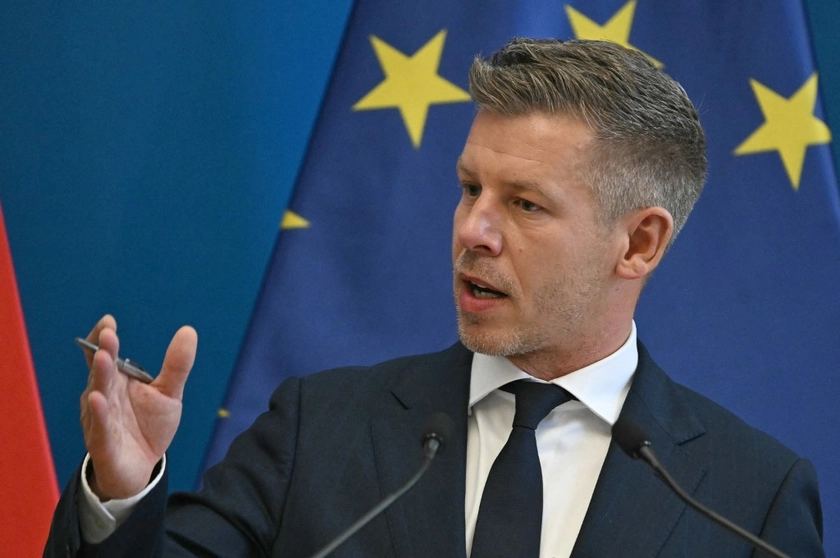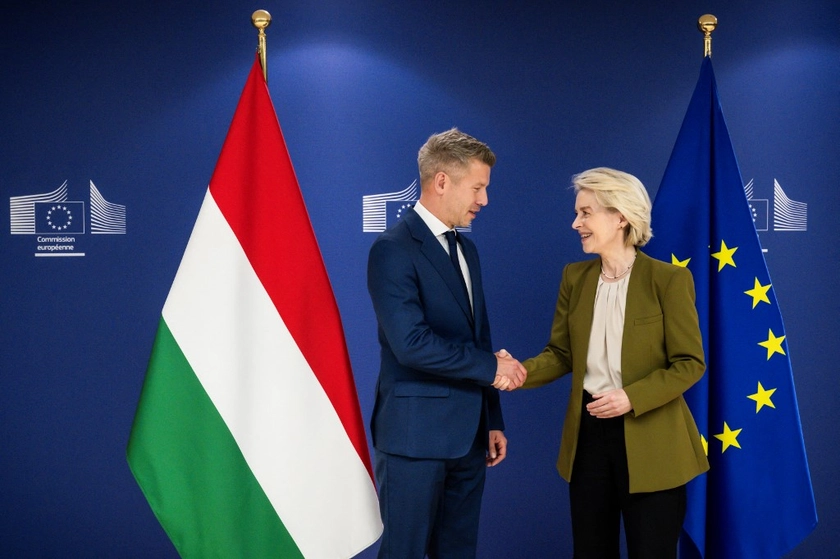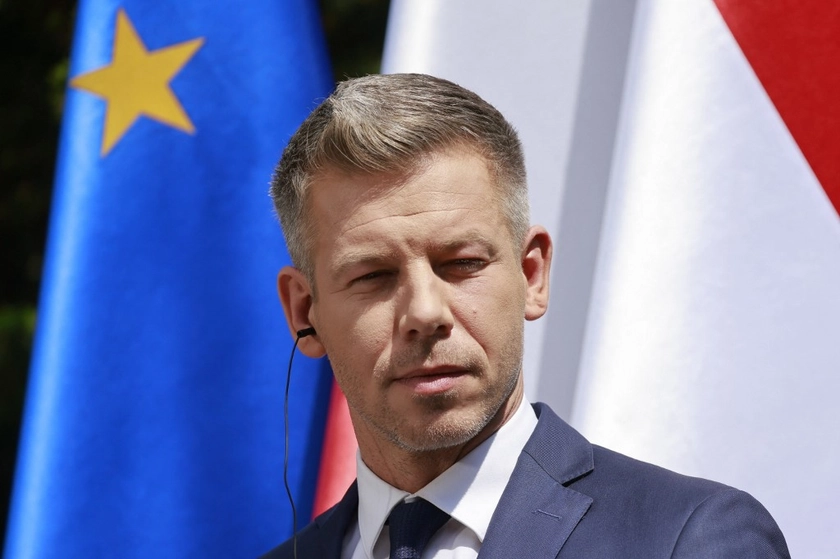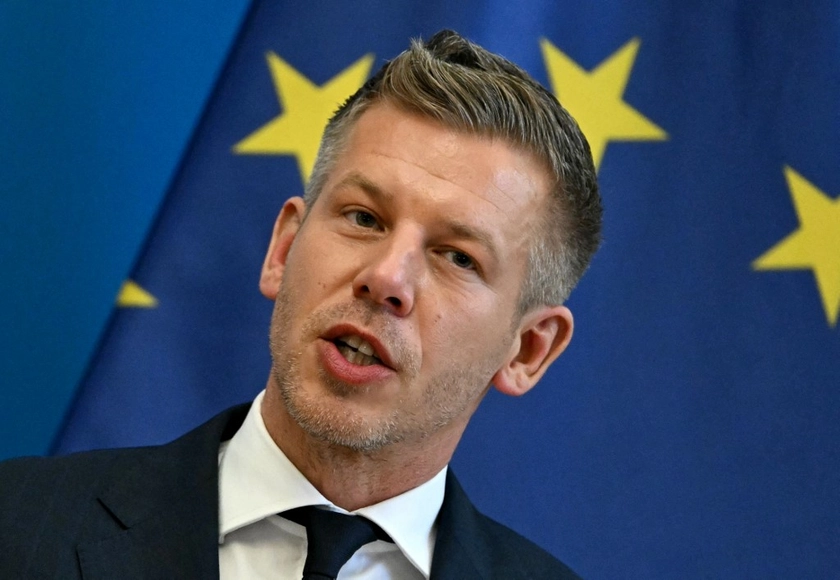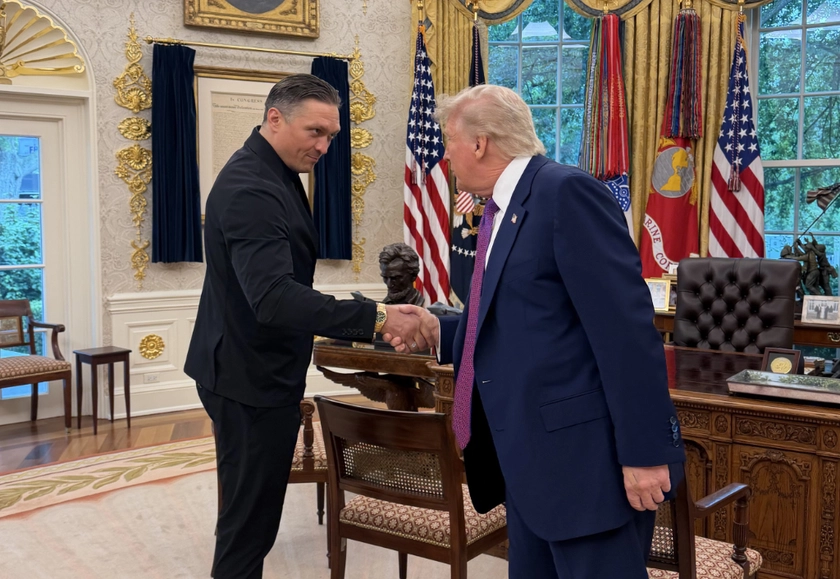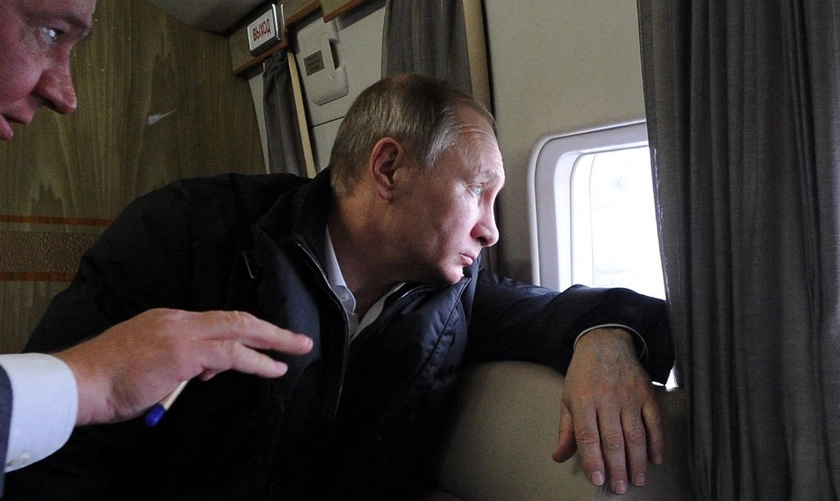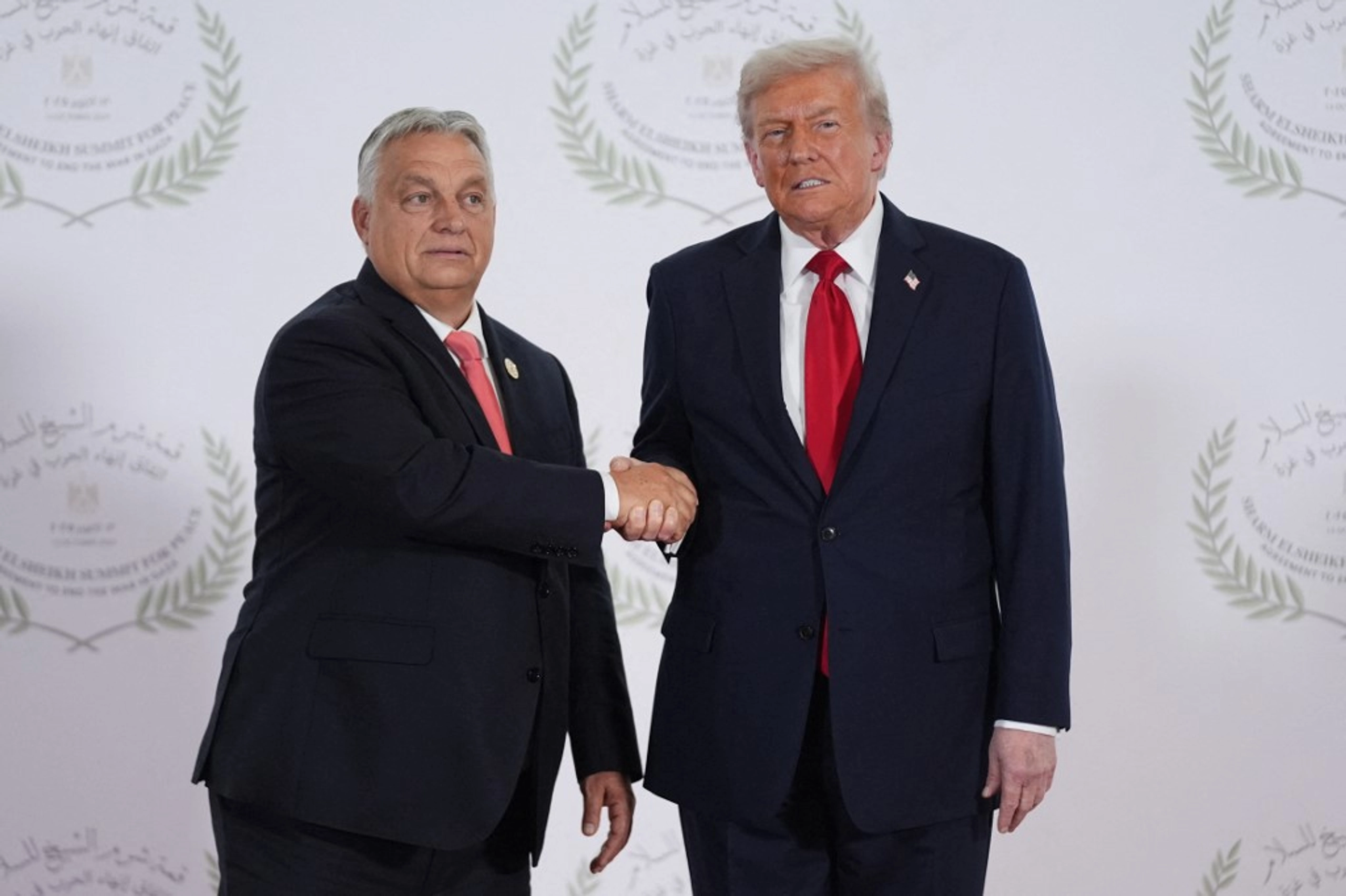
Officials in Budapest on Thursday said that Hungarian Prime Minister Viktor Orbán is to meet US President Donald Trump at the White House on Friday, November 7.
“The meeting will give the two leaders an opportunity to exchange views on possible ways to achieve peace and to discuss a roadmap leading to a US-Russian meeting and, as a result, an end to the Russo-Ukrainian war,” said Gergely Gulyás, Minister of the Hungarian Prime Minister’s Office.
JOIN US ON TELEGRAM
Follow our coverage of the war on the @Kyivpost_official.
The announced date is a day earlier than was anticipated.
One of the primary issues between the conservative Hungarian, whose country is exclusively reliant on now-sanctioned Russian oil, and, partly as a result, has some of the warmest Kremlin relations within the European Union.
Last week, the EU adopted a sanctions package to phase out all Russian energy imports by 2027 and the Trump administration’s latest decision to impose sanctions on key Russian oil firms to pressure Moscow into good-faith negotiations.
Last Friday, Orbán said Budapest is seeking ways to “circumvent” the sanctions.
“We are discussing how to build a sustainable system for my country’s economy, because Hungary depends very much on Russian oil and gas,” the Hungarian leader said last week. “Without them, energy prices will skyrocket, causing shortages in our reserves.”
Hungary and Ukraine Seal ‘Historic’ Deal on Ethnic Minority Rights
Budapest has tried to persuade Washington that, as a landlocked country, Hungary has no choice but to rely on Russian oil. However, there is an alternative oil pipeline, the Jadranski naftovod, that connects Hungary to the Adriatic Sea via Croatia – a fact that European leaders commonly bring up with Orbán.
In 2021, Hungary imported 46 percent of its oil from Russian sources. (That same year, Russia supplied the EU with 45 percent of its gas and 27 percent of its oil. By 2024, those numbers stood at 19 percent and 3 percent, respectively.)
But before the initial Russian invasion of Ukraine, in 2013, Hungary relied on Russia for 80 percent of its oil consumption.
In early October of this year, Budapest reportedly struck deals with French energy group Engie on natural gas supplies and was negotiating possible imports from Turkmenistan in what was perceived as its attempt to shift away from Russian energy imports.
Trump had previously said he was “angry” in August after Ukrainian strikes hit the Druzhba Pipeline supplying Hungary with Russian oil.
You can also highlight the text and press Ctrl + Enter