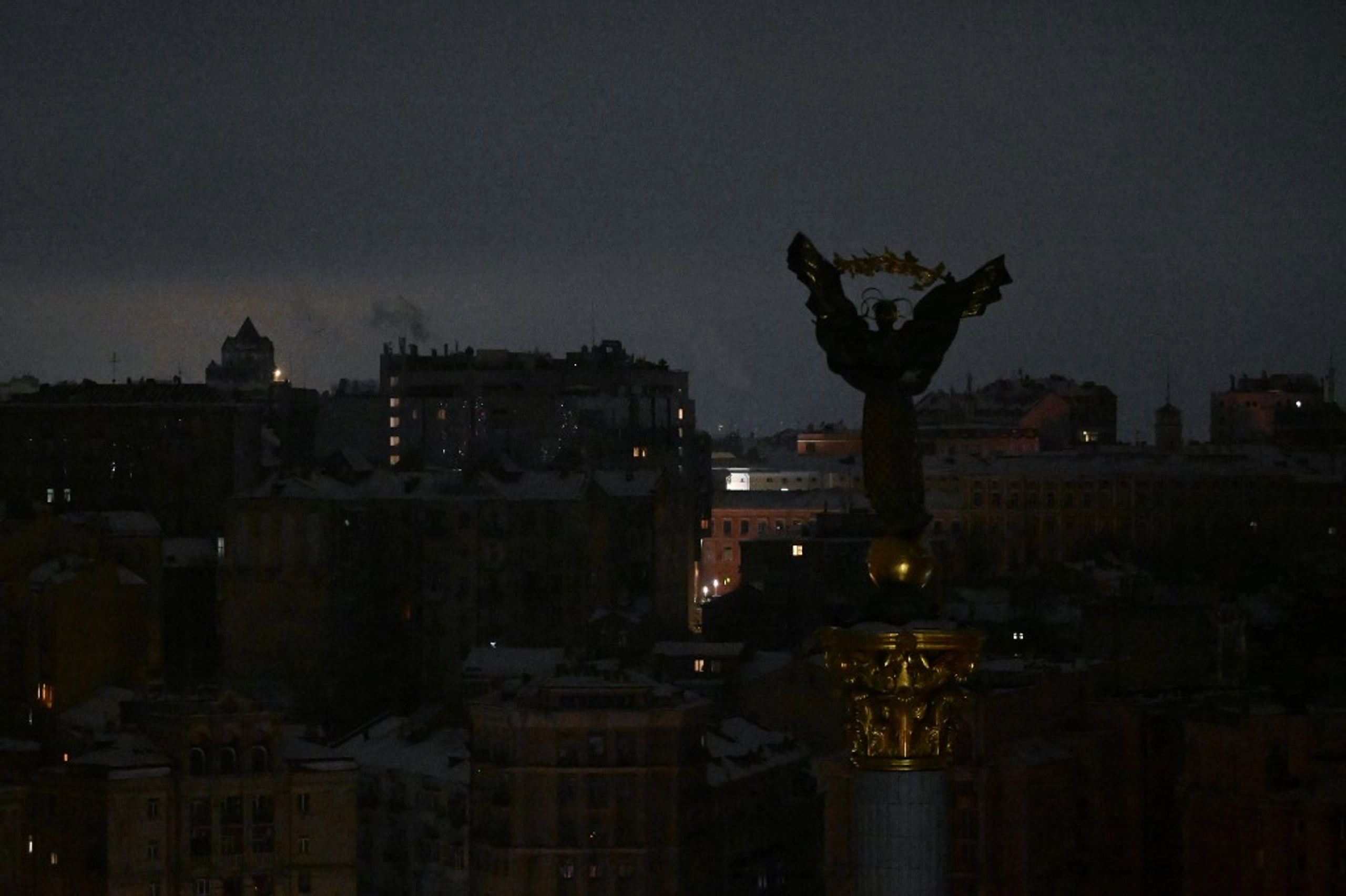
Kyiv is expected to receive only four to six hours of electricity per day in February after Russian strikes severely damaged key combined heat and electricity-producing power plants and high-voltage substations.
The extent of the damage was outlined by Stanislav Ihnatiev, head of the Board of the Ukrainian Renewable Energy Association, in an interview to the Ukrainian outlet Telegraf, following Russia’s overnight attack on Tuesday, Feb. 3 – the largest strike on Ukraine’s energy system since the beginning of the year.
JOIN US ON TELEGRAM
Follow our coverage of the war on the @Kyivpost_official.
Major CHP plants in Kyiv severely damaged
The capital’s electricity shortages are primarily linked to heavy damage at Thermal Power Plant-6 (CHP-6) and the Darnytsia combined heat and power plant (CHPP), which play a critical role in supplying both electricity and heat to Kyiv residents.
The loss of these facilities has sharply reduced generation capacity and created serious risks to the city’s heat supply during the winter period, Ihnatiev said. As a result, Kyiv’s energy deficit has deepened, forcing operators to introduce stricter blackout schedules across the city.
Strikes targeted high-voltage transmission hubs
According to Ihnatiev, the most destructive strikes targeted key nodes of Ukraine’s main transmission grid.
He said Russian forces hit the “Vinnytsia 550” and “Kyivska 750” substations, which are critical for transmitting electricity between regions and ensuring the stable operation of Ukraine’s unified power system.
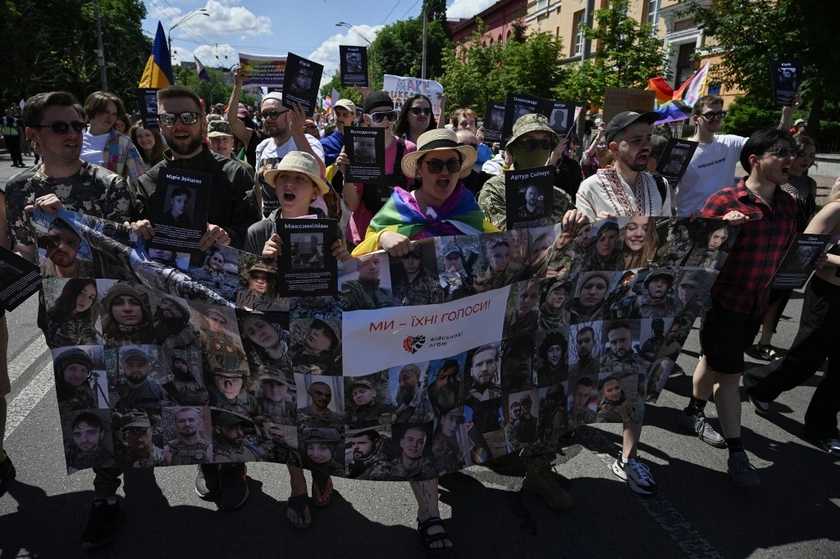
‘Die Together’: Ukraine’s LGBTQ Soldiers Fighting Russia – and for Their Rights
“These facilities distribute large volumes of electricity and function as energy hubs of national importance,” Ihnatiev said.
Damage to substations operating at 550 kilovolts and 750 kilovolts represents a strategic blow to the entire energy system, he added, as failures at this level disrupt long-distance power transmission.
Limited ability to restore power quickly
Energy officials said damage to ultra-high-voltage equipment automatically creates electricity shortages even in regions where generation capacity has been preserved.
Restoring such facilities is particularly challenging due to both technical and logistical constraints. Some components are unique and custom-made, requiring months – and in some cases years – to replace, Ihnatiev said.
The combination of damaged substations and destroyed generation facilities means electricity deficits cannot be quickly offset through imports or reserve capacity.
Heat supply hit during extreme cold
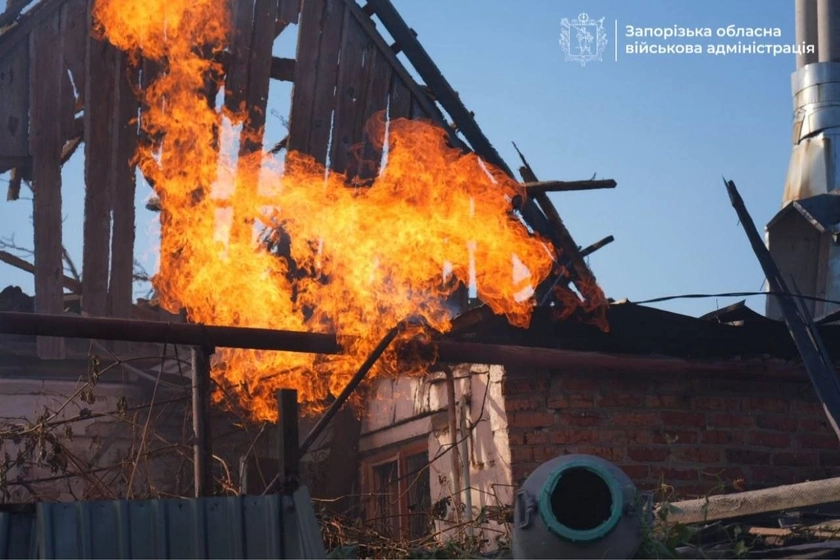
Ihnatiev said Russia carried out targeted strikes on energy facilities supplying heat to Kyiv residents, including the Darnytsia CHPP.
The missile attack occurred when temperatures dropped to -25°C (-13°F), significantly increasing risks to the city’s heating system during one of the coldest periods of winter.
Energy officials said the loss of CHP capacity threatens not only electricity generation but also district heating, which relies heavily on combined heat and power plants during the autumn and winter months.
Blackouts driven by technical constraints
Energy operators said that blackout schedules are used exclusively to balance the power system under emergency conditions.
When substations are damaged, electricity can be supplied only to areas where it is technically possible to transmit and distribute power. As a result, some districts receive limited electricity while others face longer outages, depending on grid conditions.
Officials said Kyiv’s expected four to six hours of daily electricity in February reflects current technical limitations of the damaged network rather than a uniform policy decision.
Systemic energy deficit nationwide
The strikes on ultra-high-voltage substations and large generation facilities such as the Darnytsia CHPP have resulted in a systemic electricity deficit affecting the entire country, energy officials said.
Under these conditions, each day of stable operation of Ukraine’s power system requires sustained efforts by energy workers, dispatchers, and repair crews.
Ukraine is effectively being forced to rebuild its energy resilience during wartime while continuing to repel attacks and maintain essential services for millions of people.
US President Donald Trump initially announced the truce last Thursday, saying he had personally appealed to Putin to halt strikes on Kyiv and “various towns” for a week due to exceptionally cold weather.
“He agreed to do that. And I have to tell you it was very nice,” Trump told reporters.
However, on Friday, Kremlin spokesperson Dmitry Peskov clarified that the ceasefire would only hold until Sunday, just as temperatures were set to plummet once again. Ukraine has said the ceasefire should have continued until this Friday.
President Volodymyr Zelensky said Russia used de-escalation steps proposed by the United States as a tactical pause to stockpile missiles and drones before launching a large-scale strike against Ukraine during the coldest days of winter.
Russia overnight on Tuesday-Wednesday unleashed more than 450 drones and around 70 missiles on Kyiv and other Ukrainian cities, injuring at least 9 people and cutting power to thousands of buildings as temperatures dropped below -20°C (-4°F).
According to the Ukrainian Air Force, air defense neutralized 450 targets, including 38 missiles and 412 drones of various types.
You can also highlight the text and press Ctrl + Enter