Italy is attempting to soften the formulation of the final statement for the upcoming NATO summit in Ankara regarding the provision of military assistance to Ukraine through the end of 2027, Bloomberg reported.
The Italian government requested the removal of a specific reference to 2027 in the draft communique. Rome argued that establishing rigid long-term timeframes could prematurely preclude the possibility of reaching a negotiated settlement to the war at an earlier stage.
JOIN US ON TELEGRAM
Follow our coverage of the war on the @Kyivpost_official.
The draft statement outlines that NATO allies will provide Ukraine with €70 billion ($80 billion) in military assistance across 2026 and 2027. This figure does not represent new financial obligations but amalgamates NATO’s prior annual commitment of €40 billion ($45.7 billion) with an additional €30 billion ($34.3 billion) per year sourced from the EU loan program.
Including a specific financial commitment marks a departure from last year’s summit statement, which omitted explicit references to financial aid timelines for Ukraine.
According to Bloomberg’s sources, Italy cited increased diplomatic engagements with Moscow as a rationale for its position, suggesting that locking in aid through 2027 could complicate potential negotiations.
However, individuals familiar with the Italian government’s approach stated that Rome is unlikely to break the alliance’s consensus on the matter, emphasizing that Italy’s overall commitment to supporting Ukraine is not in question.
UK Vows to Defend NATO Territory After Reports of Russian Provocation Plan Against Poland
Broader shifts in Italian defense strategy
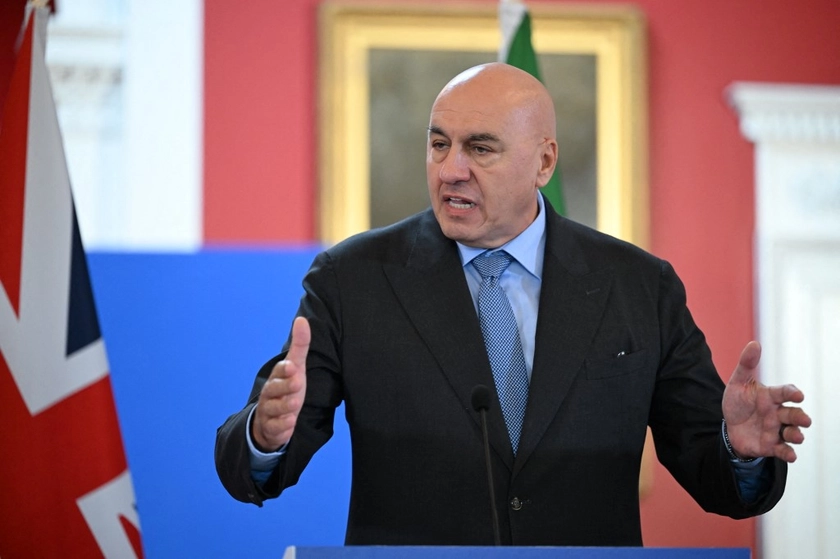
The diplomatic discussions regarding the summit statement follow Italy’s recent decision to opt out of specific NATO procurement mechanisms for Ukraine. On June 19, Italian Defense Minister Guido Crosetto confirmed before the parliament in Rome that Italy will not finance the purchase of US-manufactured weapons for Ukraine under NATO’s Prioritised Ukraine Requirements List (PURL).
Crosetto stated that Italy had opposed participation from the beginning and would maintain that stance, asserting that alternative avenues exist for supplying military aid to Kyiv.
The refusal aligns with Rome’s broader reluctance to utilize new European defense financing tools. The Italian government has signaled it will likely not participate in the EU’s Security Action for Europe (SAFE) loan program, which would have provided €14.9 billion ($17 billion) for defense investments.
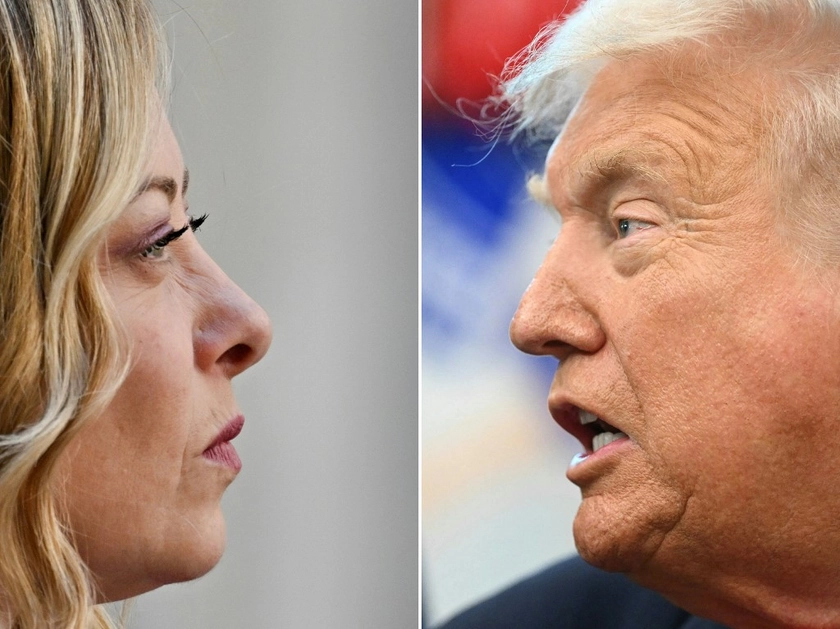
Italian Prime Minister Giorgia Meloni has argued that domestic economic concerns, particularly the cost of living and energy expenses, must be prioritized ahead of national elections next year.
Despite opting out of these specific funding frameworks, Italy has committed to increasing its overall defense budget. Meloni is expected to announce at the Ankara summit that Italy’s defense spending will rise to 2.8% of its GDP this year.
Rome has reportedly informed NATO of long-term plans to allocate 5% of its GDP to defense and security, focusing the additional expenditures on border security, cyber capabilities, space, and dual-use technologies.
You can also highlight the text and press Ctrl + Enter

OPINION: The New Line Kyiv Quietly Built Into NATO