For more than a decade, Crimea was the central exhibit of Putin’s rule. In Russian domestic politics, it served as proof – proof that Moscow could once again change borders by force, ignore international law, withstand sanctions, and turn Western restraint to its own advantage. Crimea was a performance of restored empire, wrapped in flags, television ceremonies, military parades, and a fabricated sense of historical inevitability.
Today, that same space is returning to the center of the war as Putin’s weakest point. The annexation that brought Putin political dividends for years is now handing him the military and domestic bill. That is why Igor Lipsits’s assessment in his conversation with Mark Feygin matters. Lipsits is not a Ukrainian propagandist or a politician in Kyiv repeating routine wartime messages. He is a Russian economist from the former academic establishment, now an open critic of the Kremlin. When he says that Putin has already made a decision on Crimea and is beginning to carry it out, that sentence should not be read as news of a signed order to withdraw. Its weight lies in the diagnosis. Lipsits is describing a situation in which Moscow formally holds Crimea but finds it increasingly difficult to maintain it as a normal place of everyday life, supply, military logistics, and political security.
JOIN US ON TELEGRAM
Follow our coverage of the war on the @Kyivpost_official.
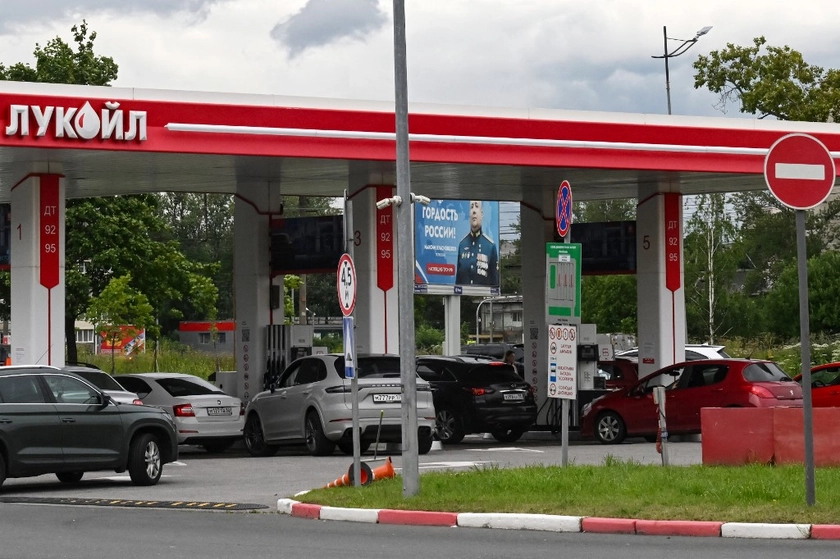
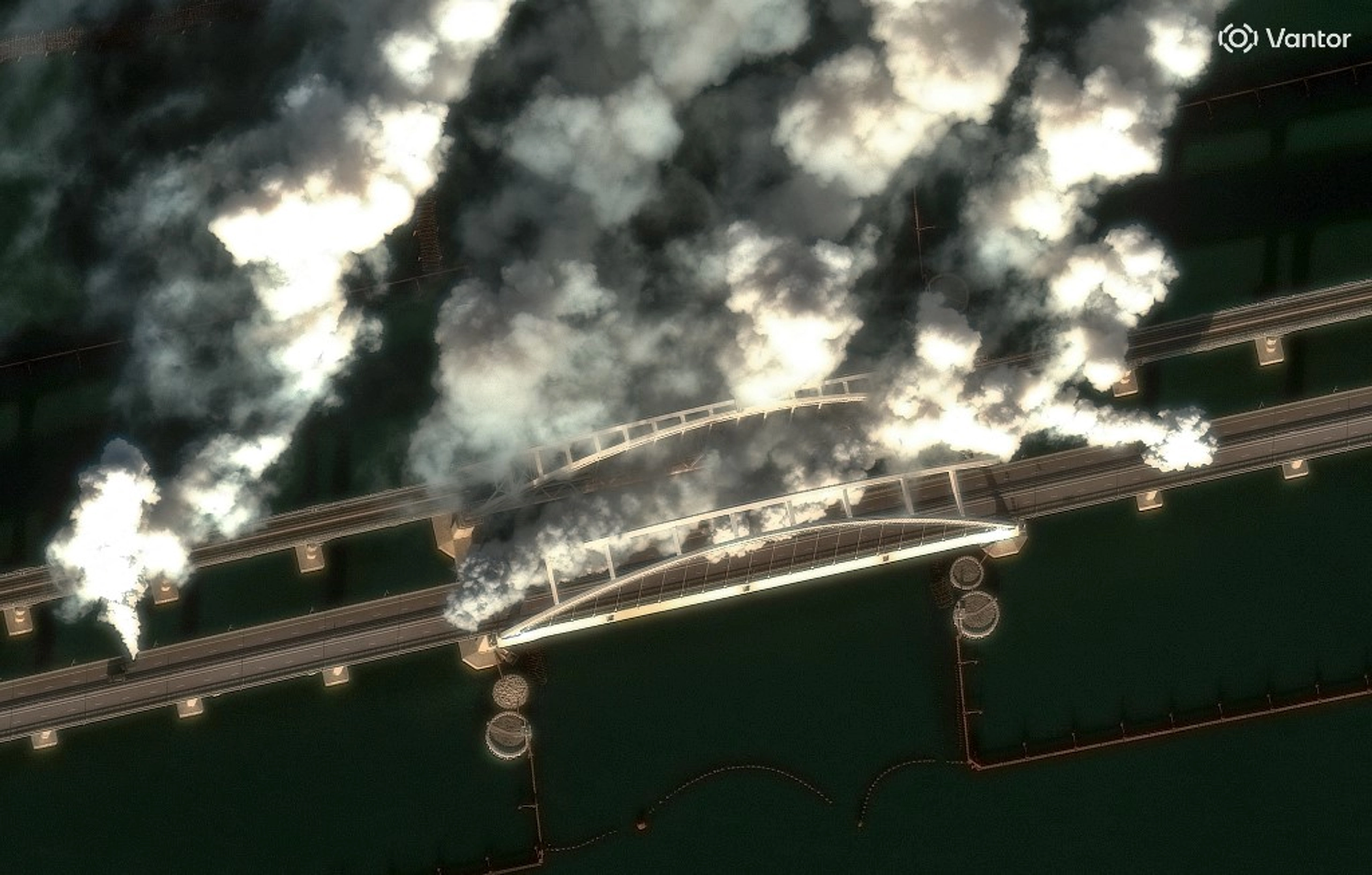
Crimea today is measured in electricity, water, fuel, bridges, ferries, lines of cars, and the frayed nerves of the occupation authorities. That is where propaganda loses most of its power. Television can keep repeating that Crimea is Russian forever, but it cannot stabilize the grid, fill fuel tanks, ensure regular supplies, shorten waits at the bridge, or persuade families to stay where they no longer believe they are safe.
After Ankara: is Nato a United Front Again?
The Russian state turned Crimea into a grand political symbol. Ukraine is now returning it to the reality of infrastructure. It has struck Crimea in the gut of the occupation. Now it is clear how little the Russian flag is worth once the cables, tankers, and roads behind it start to fail. Putin’s government will not admit that it is abandoning Crimea. Doing so would require Putin to acknowledge that the symbol of his greatest victory is becoming the site of his defeat. And the Kremlin does not speak the language of defeat; it speaks the language of delay, deception, silence, improvisation, and blame. Yet regimes do not lose territories only when they announce it to the public. First, they lose the ability to hold them in a normal way. They lose reliable logistics. They lose safe movement. They lose everyday civilian routine. They lose the population’s belief that the state controls what it claims to control. In Crimea, this process is becoming more visible by the day.
Crimea embodied the message that Russia takes territory and keeps it, whatever the cost.
Crimea is more dangerous for Putin than other occupied territories because it holds a special place in his system of power. For years, the Kremlin presented the Donbas as a conflict zone and Kherson and Zaporizhzhia as parts of an open front. Crimea had to be different: stable, solemn, settled, integrated, irreversible. It was the foundation of Putin’s post-Crimea legitimacy. It embodied the message that Russia takes territory and keeps it, whatever the cost. If Crimea becomes a question again, the entire construction of 2014 begins to crack.
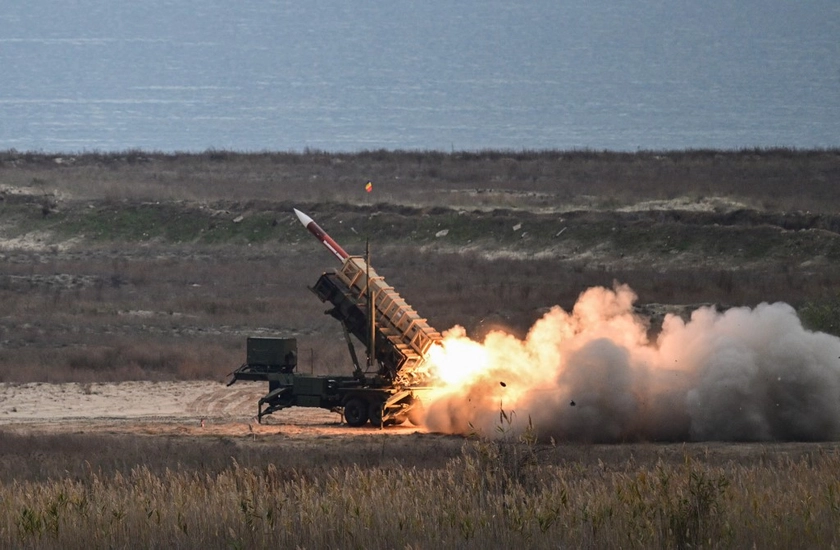
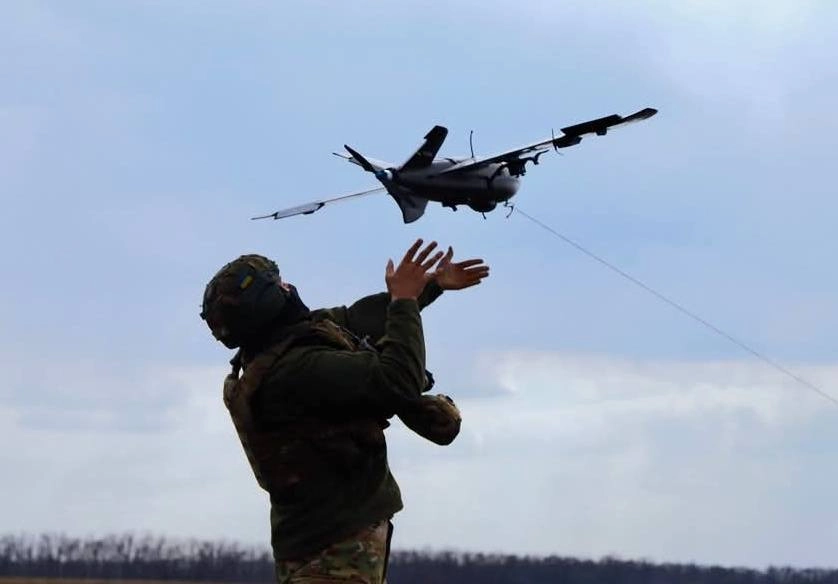
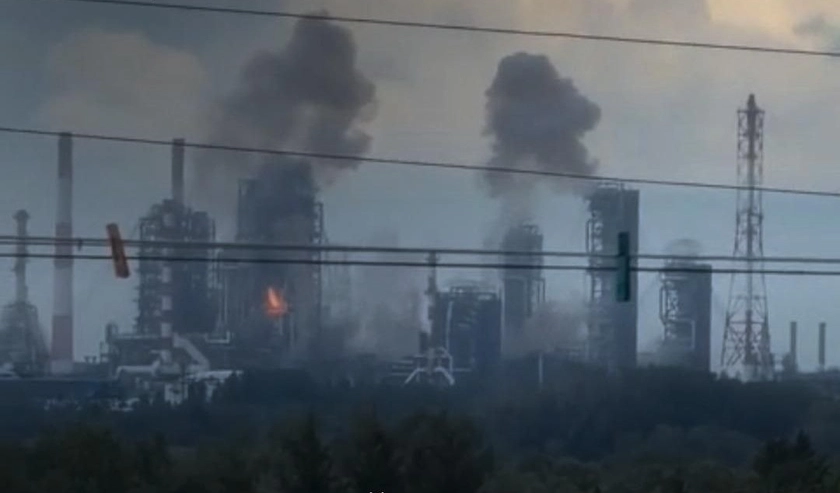
That is why this is the most dangerous blow to Moscow: Ukraine is not challenging Crimea only legally and historically, but also making it operationally unsustainable as the safe rear of Russia’s occupation of the south. Crimea is not only a political trophy; it is a military platform. Supplies, fuel, manpower, equipment, communications, and command pass through it. Through it, Russia sustains pressure on southern Ukraine. When Ukrainian strikes hit fuel depots, ferries, rail links, air-defense systems, and energy nodes, they are not targeting a symbol for the sake of symbolism. They are dismantling the apparatus that allows the occupation to continue.
This is where the maturity of Ukrainian strategy becomes visible. Kyiv does not have to liberate Crimea in one dramatic move to change the political and military calculation. It is enough to raise the cost of holding Crimea to a level the Kremlin can no longer hide. It is enough to turn Crimea from a safe rear into a space of constant exposure. It is enough for the Russian administration to have to explain every day why there is no fuel, why the power is going out, why there are shortages, why the bridge is closing, why people are waiting in lines, and why the peninsula, once presented as the paradise of Russian triumph, is beginning to function like a war zone.
Crimea has put Putin in a position from which no move any longer looks like victory. A mass evacuation would be an admission that Crimea is not safe. Negotiating safe corridors would be an admission that Ukraine has the decisive say in a space Moscow calls its own. That is why Putin chooses silence: better that people find their own way out of Crimea than for Russia to publicly admit it can no longer protect them there. The Kremlin will first splinter the crisis into a string of small excuses. One failure will be technical, another the result of sabotage, a third the fault of the local administration, a fourth a Ukrainian provocation. That is how defeat in Russia is always pushed down through the bureaucratic ranks, as far from Putin as it will go.
But people in Crimea do not live in a television studio. They measure power by whether they can refuel, turn on the lights, cross the bridge, and get their families out of danger. When the state demands loyalty and offers only waiting, fear, and improvisation in return, then behind the grand words about “Russian Crimea” a far simpler truth appears: Moscow took the peninsula, but it no longer knows how to protect even the myth it built there. For Ukrainians, Crimea is much more than a point on a negotiating map. It is part of the state seized by violence, a space where Russia for years tried to change demography, identity, law, education, the security apparatus, and memory. For Ukraine, giving up Crimea would mean retroactively granting the crime of 2014 the right to endure. Every concession on Crimea would send the message that aggression pays if it lasts long enough. Every recognition of Russian control would give future aggressors permission to repeat the same formula: seize, militarize, wait for the world to tire, then demand that the crime be called reality.
If Moscow is finding it increasingly difficult to defend and justify Crimea, then it is absurd to ask Ukraine to turn that Russian weakness into a Russian right.
The West must understand this without deceiving itself. Crimea will not be liberated by fine words, and Putin will not surrender his most valuable trophy because he is pressured by moral arguments. But it is wrong to treat Crimea as a fixed fact simply because Russia still holds it. That is the old mistake of Western comfort: confusing current control with permanent strength. If Moscow is finding it increasingly difficult to supply, defend, and politically justify Crimea, then it is absurd to ask Ukraine to turn that Russian weakness into a Russian right.
Any peace proposal that hands Crimea to Moscow from the outset would reward aggression at the very moment its cost is rising. That would not be diplomacy; it would be capitulation to a myth already collapsing on the ground. Western capitals should not wait for a “favorable moment” on Crimea, because Ukraine is already creating it. Crimea is not a frozen point on the map, but a Russian weakness that grows more expensive to maintain with every new strike.
If the West begins treating Crimea as permanent Russian property right now, it will not be showing realism. It will show that it is ready to pull Putin out of trouble at the moment when Ukraine is finally forcing him to pay the price for his aggression.
The greatest weakness in Putin’s Crimea story lies in the nature of the promise itself. He did not tell Russians that Crimea was a temporarily occupied military zone. He told them that Crimea had been returned forever. There is no painless retreat from a sentence like that. Every shortage, every outage, every closed bridge, every fuel line, every column of cars heading for the exit undermines that sentence more than hundreds of diplomatic condemnations ever could.
That is why Lipsits’ assessment goes straight to the heart of the matter. Putin may not leave Crimea with a clear admission of defeat. There may be no major speech, no definite date, no official evacuation, and no dramatic address to the nation. His abandonment of Crimea may begin much more quietly: through the loss of security, supply interruptions, rising costs of control, civilian flight, administrative panic, and propaganda that can no longer conceal everyday fear.
Crimea was meant to prove that Putin could rewrite history and force the world to adjust. Today, Crimea increasingly shows the limits of that power. Territory seized by violence demands constant violence, constant money, constant logistics, a constant lie, and constant fear. Ukraine has managed to send that bill back to Moscow. That is why Crimea is no longer only a symbol of Russian aggression. It has become the place where the cost, vulnerability, and political toxicity of that aggression are visible to the man who made it the foundation of his rule.
Putin turned Crimea into his legend. Ukraine is turning it into his greatest problem.
The views expressed in this opinion article are the author’s and not necessarily those of Kyiv Post.
You can also highlight the text and press Ctrl + Enter