Russia’s government denied interfering in the US elections, calling the accusations unsubstantiated after President Donald Trump publicly warned that foreign powers pose an active threat to the US voting system.
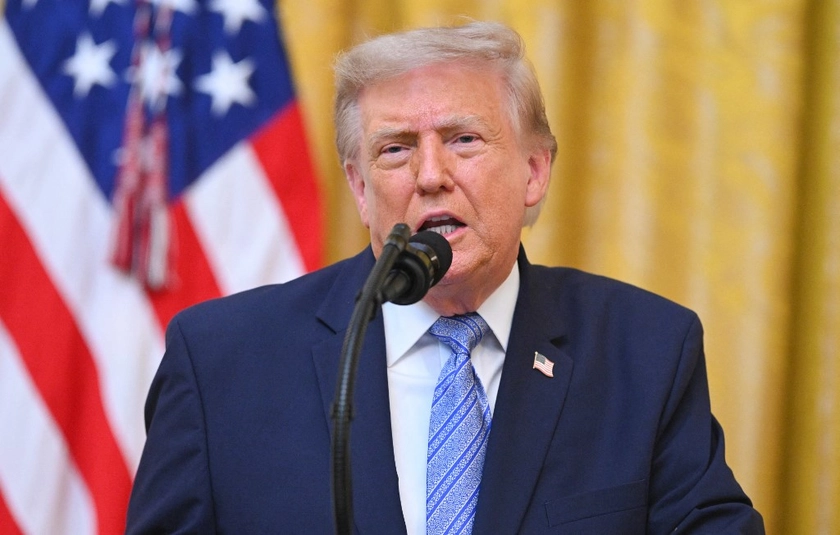
The Kremlin’s firm rejection came after Trump’s remarks during a speech from the White House on Thursday, in which he told viewers that American elections remain exposed to outside manipulation. He singled out Russia, China, Iran, and North Korea as sources of concern, saying that intelligence material detailed how foreign states could target US election systems.
JOIN US ON TELEGRAM
Follow our coverage of the war on the @Kyivpost_official.
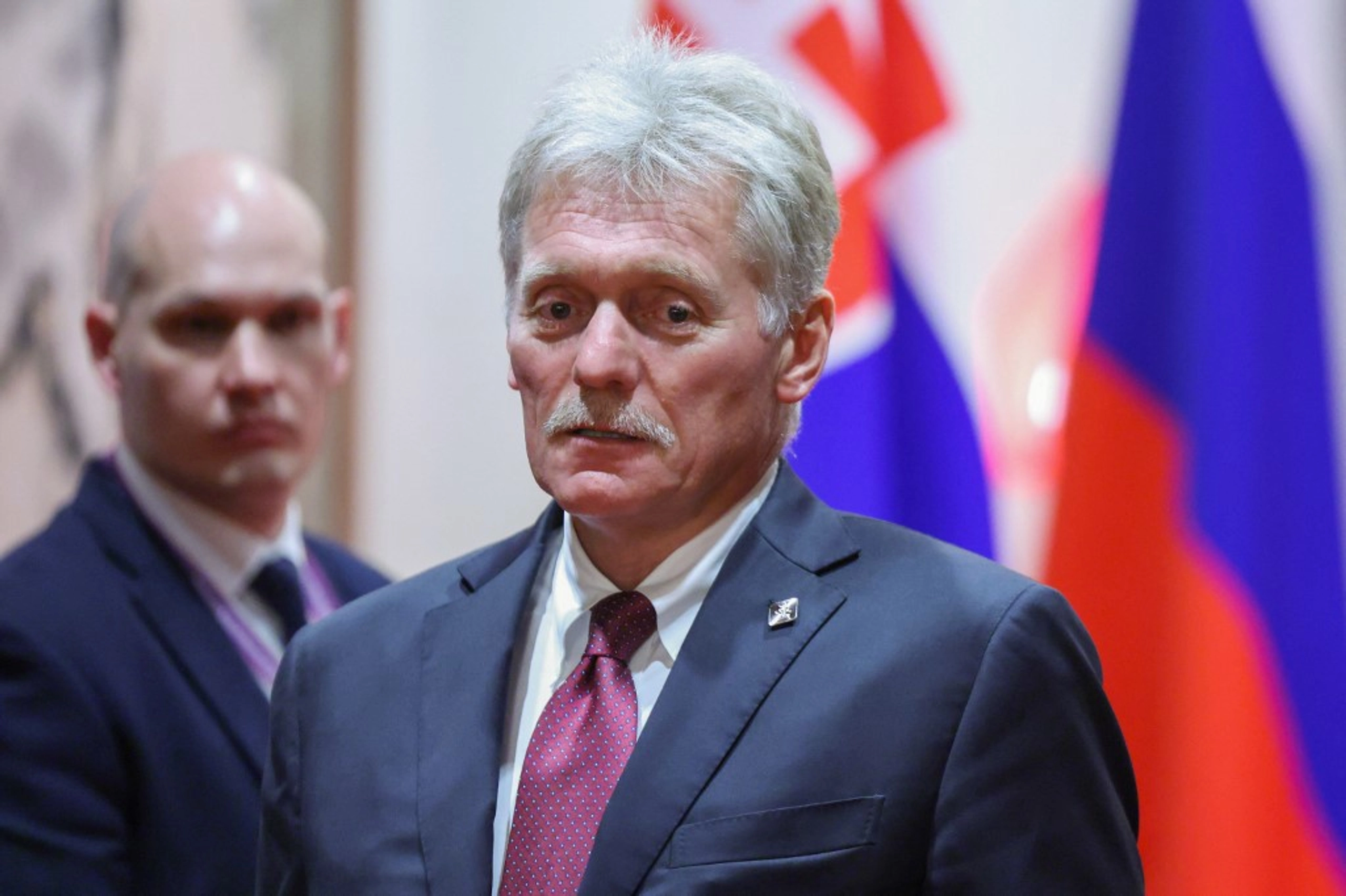
“Russia has never interfered in the domestic affairs of other countries,” Peskov said, adding that “We expect that no one will attempt to interfere in ours” during a daily briefing on Friday.
Peskov questions the evidence
Peskov argued that Trump’s remarks relied on intelligence material that had not been properly sourced or verified, describing it as “unattributed, unsubstantiated information.”
According to The Moscow Times, he also pointed to earlier American reviews of alleged Russian interference, saying that they had not shown proof of Moscow’s wrongdoing.
Beijing issued a similar rejection on Friday, with Chinese authorities denying Trump’s accusation that the government had obtained personal data on roughly 220 million American voters and interfered in the 2020 presidential election. They called the claims “totally fabricated and a malicious smear.”
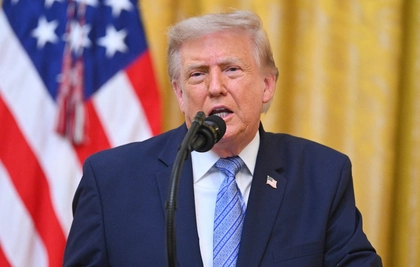
Trump Accuses China of Interfering in 2020 Election During Prime-Time Address
Midterm concerns: critics respond
Democrats and other critics accused Trump of attempting to undermine confidence in the electoral process and of laying the groundwork to challenge the outcome of November’s congressional midterms.
Opponents argue that Trump’s real aim is sow confusion and spread misinformation – a strategy they tied to the midterms, where Republicans could suffer heavy losses as fallout from the Iran conflict, Epstein files, and ICE scandals continue to weigh down approval ratings.
“This is a cyber threat aimed at the very heart of our democracy,” Trump said, referring to newly declassified data, which he said shows that election infrastructure – including voting machines and ballot-counting systems – has long been vulnerable to foreign attacks.
The allegations have not been independently verified, and, citing the lack of evidence, major US television networks split over whether to air his speech live. CNN, ABC, and NBC declined to air the address in real time, while Fox News, CBS, and MS Now carried most of Trump’s remarks.
Trump’s 2023 indictment
Trump faced his most serious legal challenge in 2023, when special counsel Jack Smith indicted him over attempts to reverse his 2020 election loss.
The charges accused him of defrauding the government and obstructing Congress’s certification of Joe Biden’s victory, with the indictment stating the goal was “to overturn the legitimate results of the 2020 presidential election by using knowingly false claims of election fraud.”
Trump’s shifting stance on Russia
Trump spent much of the war leaning toward Russia’s position, with critics repeatedly labeling him an “asset” of Moscow and pointing to his long-standing animosity toward NATO and his earlier refusal to call Russia the aggressor.
In February, his administration sided with Russia and North Korea in rejecting a UN motion backing Ukraine’s territorial integrity. According to Politico, Trump was still blaming Ukraine for the war in April 2025, saying, “You don’t start a war against someone 20 times your size and then hope that people give you some missiles.”
His stance toward the Kremlin has since shifted, with his administration now pressuring Russia directly through stricter sanctions. In July 2026, former White House National Security Council staffer Matthew Bryza said Trump now sees Ukraine as “a winner” given its battlefield success, and Russia as the likely loser.
“I think President Trump realizes that Ukraine is most likely to be the winner and Russia the loser,” the former US ambassador argued. “Trump likes winners and doesn’t like losers.”
Patriot production license and new sanctions
Earlier this month, Trump announced that Washington plans to grant Ukraine a license to manufacture Patriot air defense systems, while his administration also confirmed it is discussing Kyiv’s ability to strike deeper inside Russia.
Most recently, on Wednesday, Trump signaled support for new sanctions against Russia, calling the measure a tribute to the late Republican Senator Lindsey Graham, one of its chief architects. Graham’s measure was designed to deprive Moscow of revenue used to finance the war against Ukraine by targeting countries that continue buying Russian oil, gas, and other exports. A revised version unveiled Tuesday narrows the proposed tariffs to the world’s five largest purchasers of Russian oil or natural gas and reduces the maximum tariff from the original 500% to 100%. It would also give the president broader authority to waive sanctions when deemed to be in the US national interest.
You can also highlight the text and press Ctrl + Enter

OPINION: The Bill for Crimea Comes Due for Putin
‘Shadow Fleet Is Leaving the Chat’: Ukraine Hits 10 Russian Fuel Tankers in One Day