


EN

EN


EN
Stay informed with the most important Ukraine breaking news today. This page compiles the top headlines and critical updates from across Ukraine, offering a real-time snapshot of key developments.
Whether it’s military updates, political changes, or international reactions — we bring you the latest Ukraine news as it happens. All reports are carefully curated from verified sources and KyivPost correspondents on the ground.
After decades of economic globalization, the world is entering a new phase – an era of geoeconomic fragmentation, trade barriers, and currency divergence – with the US driving much of it.
Investors once believed in the dollar, the stability of the US stock market, and the risk-free nature of Treasury bonds. But everything has changed – today’s investment environment is no longer defined by these principles.
The second Trump administration, with its aggressive tariff policy, was not merely a political episode – it split the global economy into a “before” and “after.”

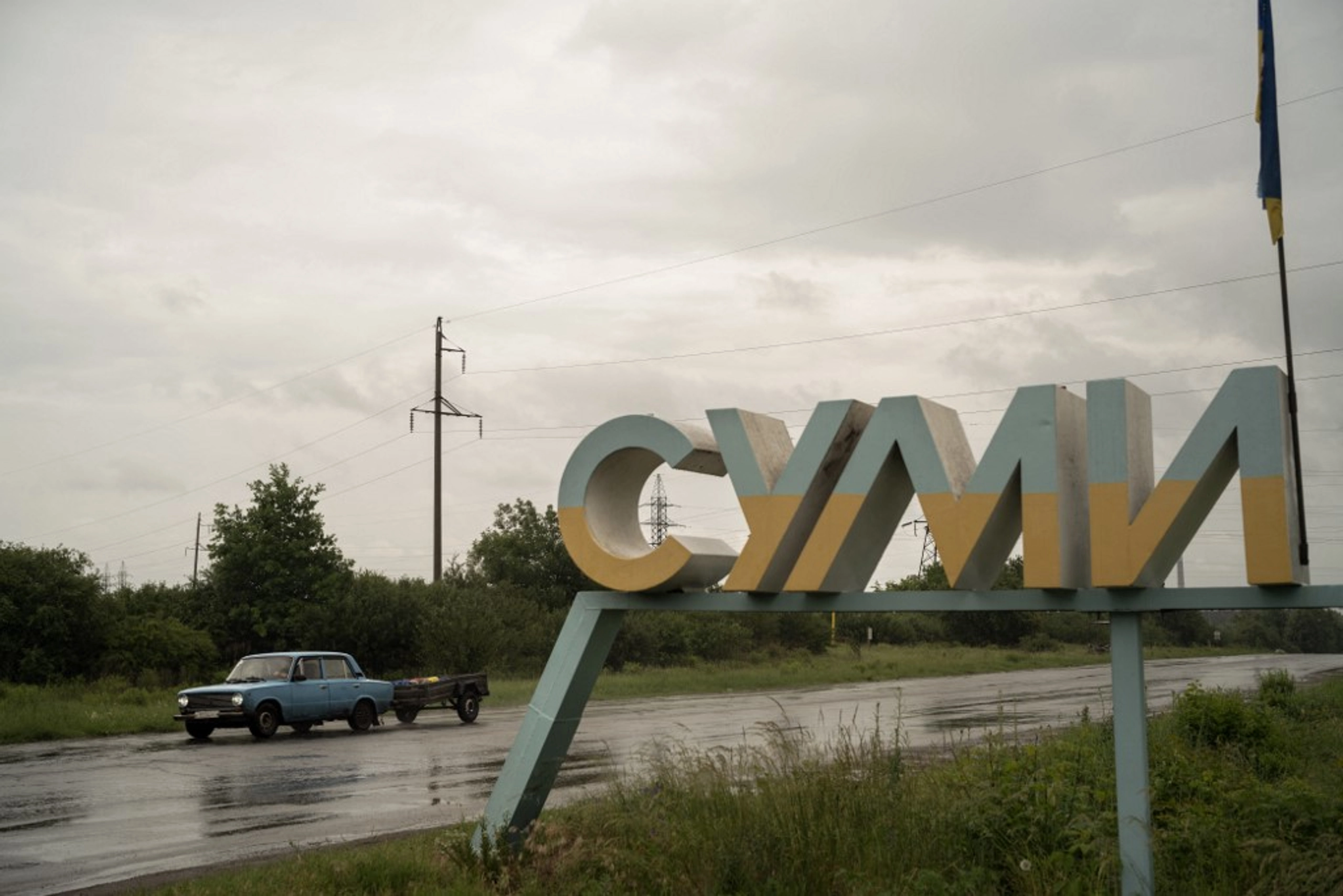
Sumy region, on Ukraine’s north-east border with Russia braces itself for Russian offensive.
Despite the driving rain, a few elderly residents wander into the streets of Stetskivka in northeast Ukraine to catch a yellow bus to go shopping in nearby Sumy, the regional capital.
They are worried about the Russian drones that have been striking the area with increasing regularity, more than three years into Moscow’s invasion.
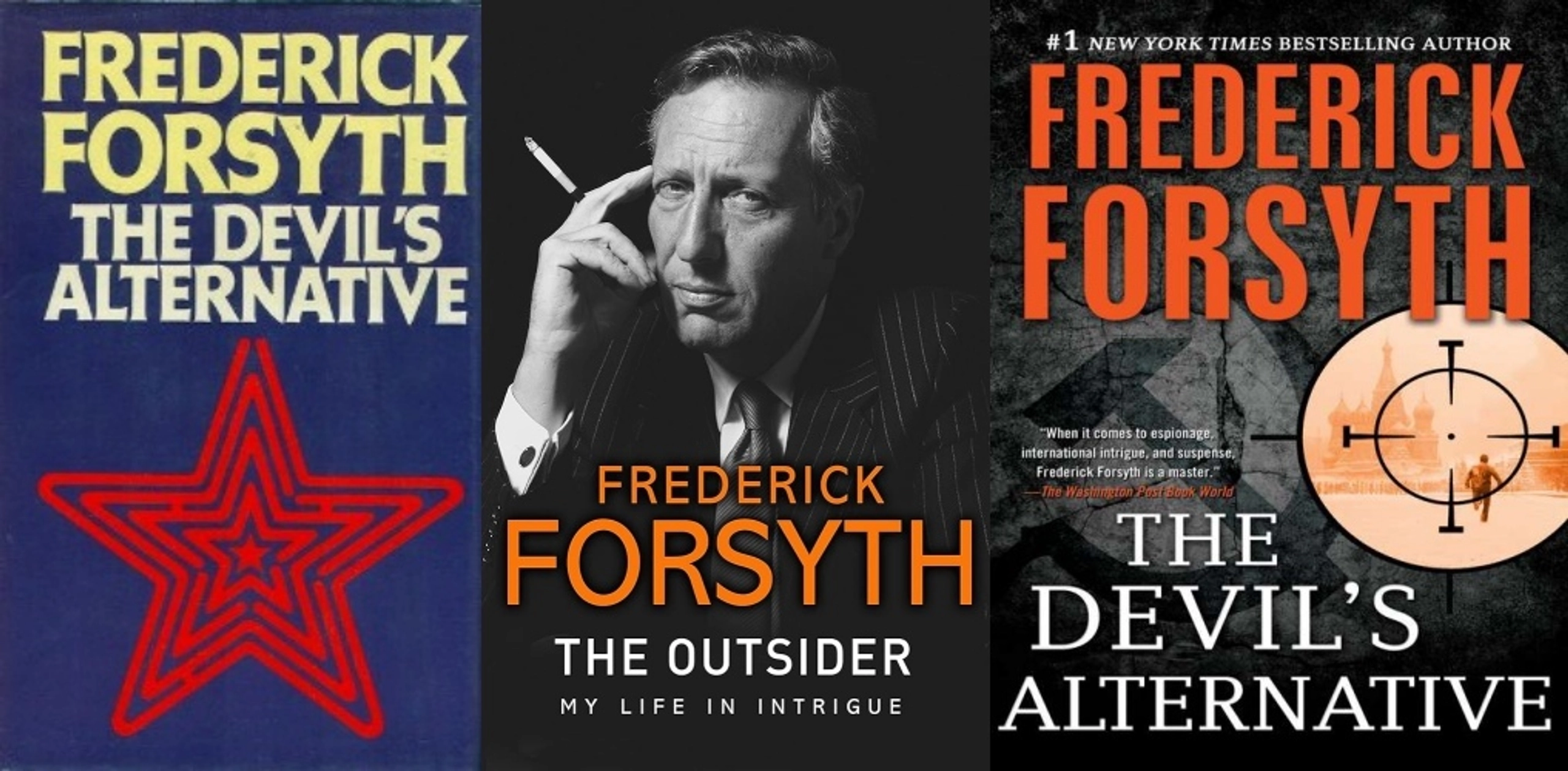
How, during the Cold War, I helped the best-selling author write a novel highlighting Ukraine’s predicament and using my biography for one of the main characters.
Frederick Forsyth, one of the preeminent British authors who specialized in espionage and the Cold War, died on June 9 at the age of 86. A former RAF pilot, investigative journalist and informant for British intelligence, he was best known for his novels “The Day of the Jackal” (1971), “The Odessa File” (1972) and “The Dogs of War” (1974).
Forsyth wrote 24 books, which sold a total of 75 million copies worldwide and spawned several classic films.

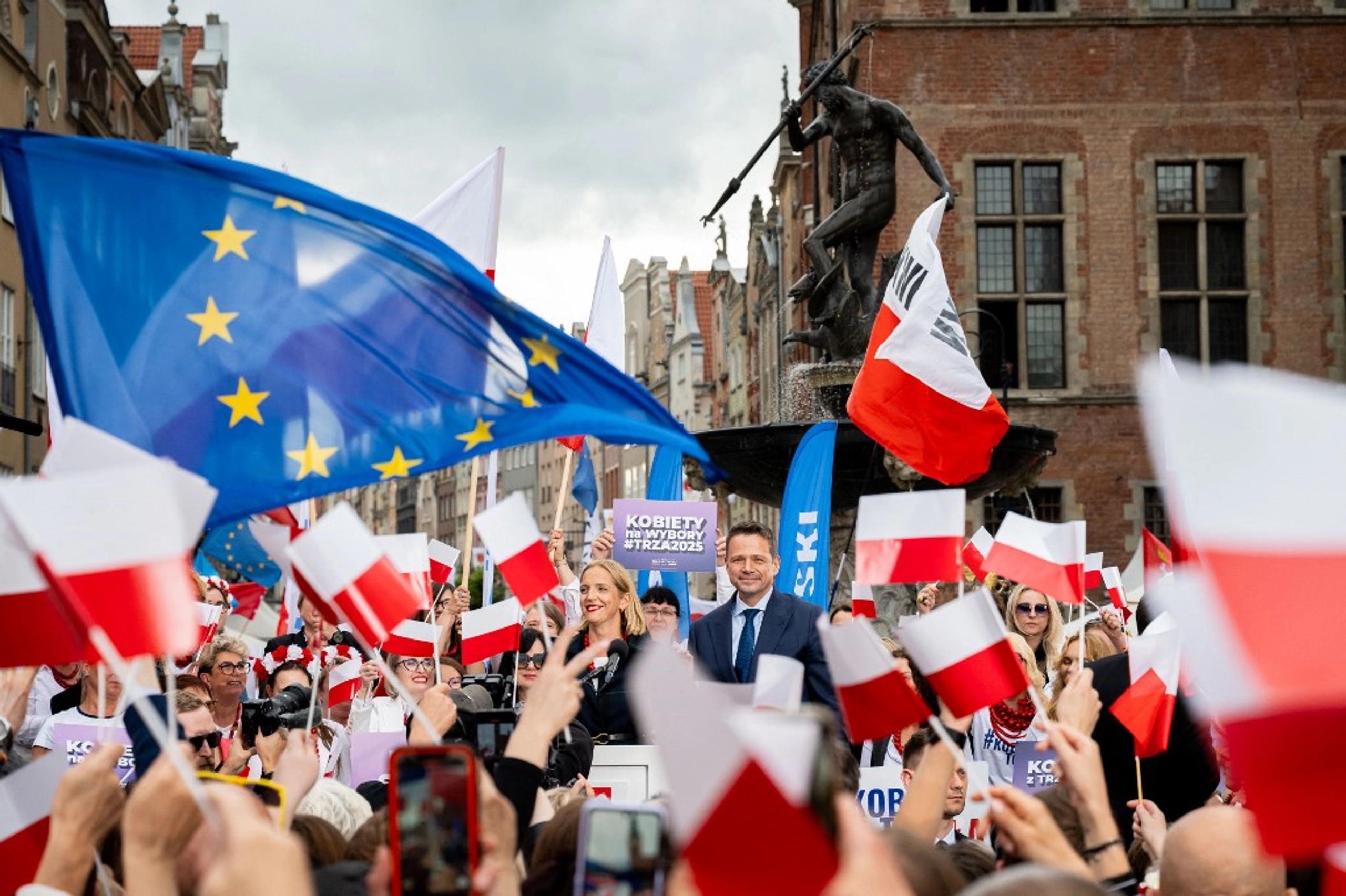
Over the course of Poland’s brutal presidential campaign, anti-Ukrainian narratives emerged. Will Poland, once a safe haven for them, become an unfriendly country?
Queue-jumping at doctors’ offices, lack of gratitude, or alleged abuse of the 800+ benefit – these are just some of the accusations, mostly coming from the right and far-right, directed at over a million people during a brutal presidential campaign. Narratives that were once confined mainly to the internet are now increasingly resonating in public discourse.
Ukrainians have become the target of strong attacks – but are they really to blame for anything? They represent a highly diverse group – from students and IT specialists to manual laborers, to single mothers and children. What unites them is that most came to Poland not by choice, but out of necessity.

Shaped by war from birth to old age, one Ukrainian woman has found a sort of redemption from the remembrance a simple accessory can offer.
Eighty-four-year-old Eugenia arrived in Sweden during the third year of a war that reshaped her world. The Russian invasion of Ukraine in 2022 had driven millions from their homes, but for Eugenia, the journey carried even deeper heartbreak. She came to join her daughter and grandson after laying her husband to rest – stepping into a new life, yet carrying the weight of the old one with her.
She brought few possessions. Among them, quietly nestled, was her husband’s tie.

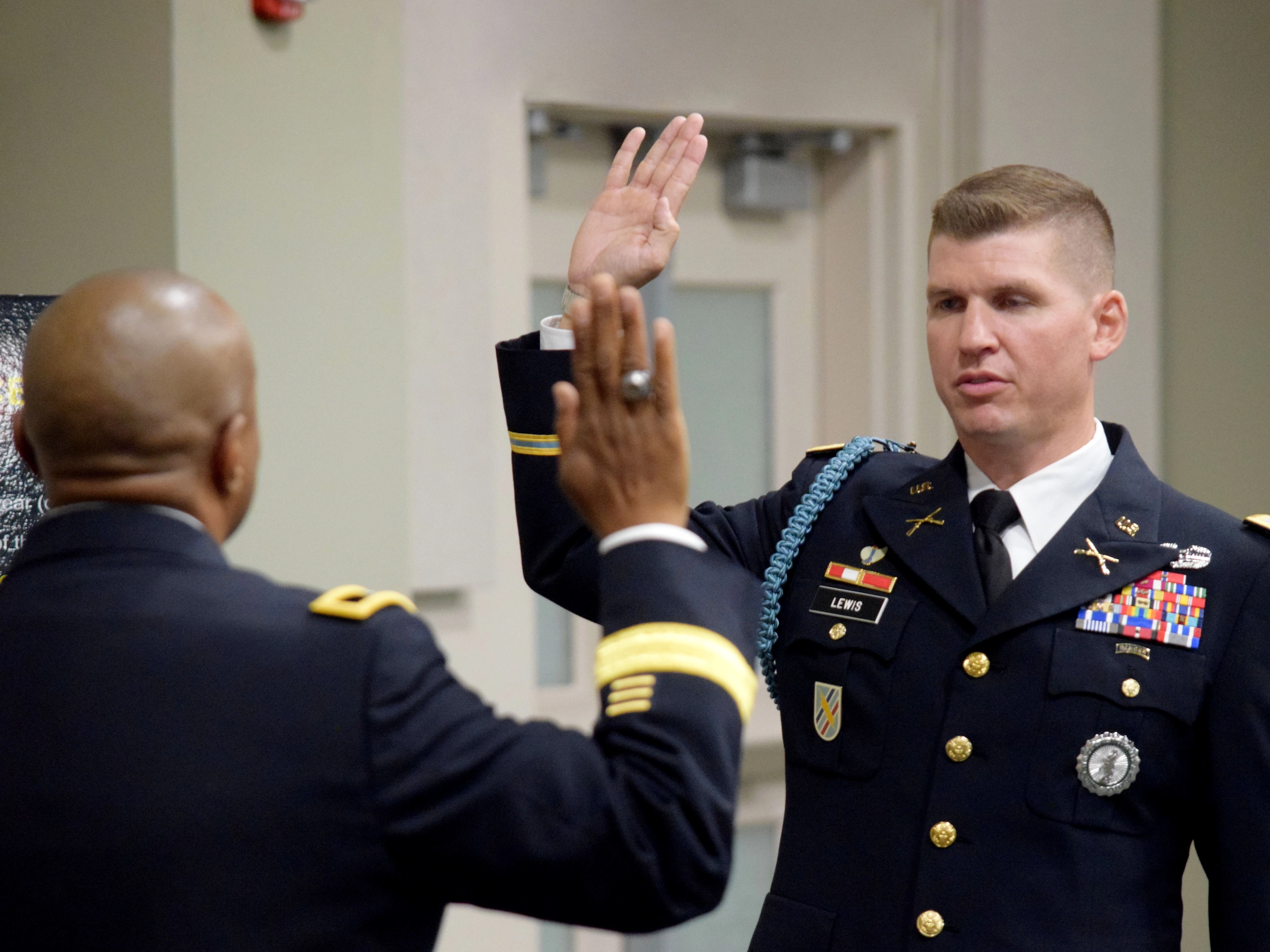
US Armed Forces officers swear a solemn oath “to support and defend the Constitution against all enemies, foreign and domestic,” not to any party or individual – definitely not to any would-be king.
“I, [name], do solemnly swear (or affirm) that I will support and defend the Constitution of the United States against all enemies, foreign and domestic; that I will bear true faith and allegiance to the same; that I take this obligation freely, without any mental reservation or purpose of evasion; and that I will well and faithfully discharge the duties of the office on which I am about to enter. So help me God.” – The oath of office for US military officers in the Uniformed Services of the United States
As US President Donald Trump conflates his 79th birthday celebration with the 250th anniversary of our US Army, celebrating with an unprecedented and unpresidential military parade through our nation’s capital while violating the letter and spirit of the United States Constitution, it’s worth remembering that US military officers in every branch of our armed forces swear a solemn oath to support and defend the constitution, not a political party, not a president, and not a would-be king.

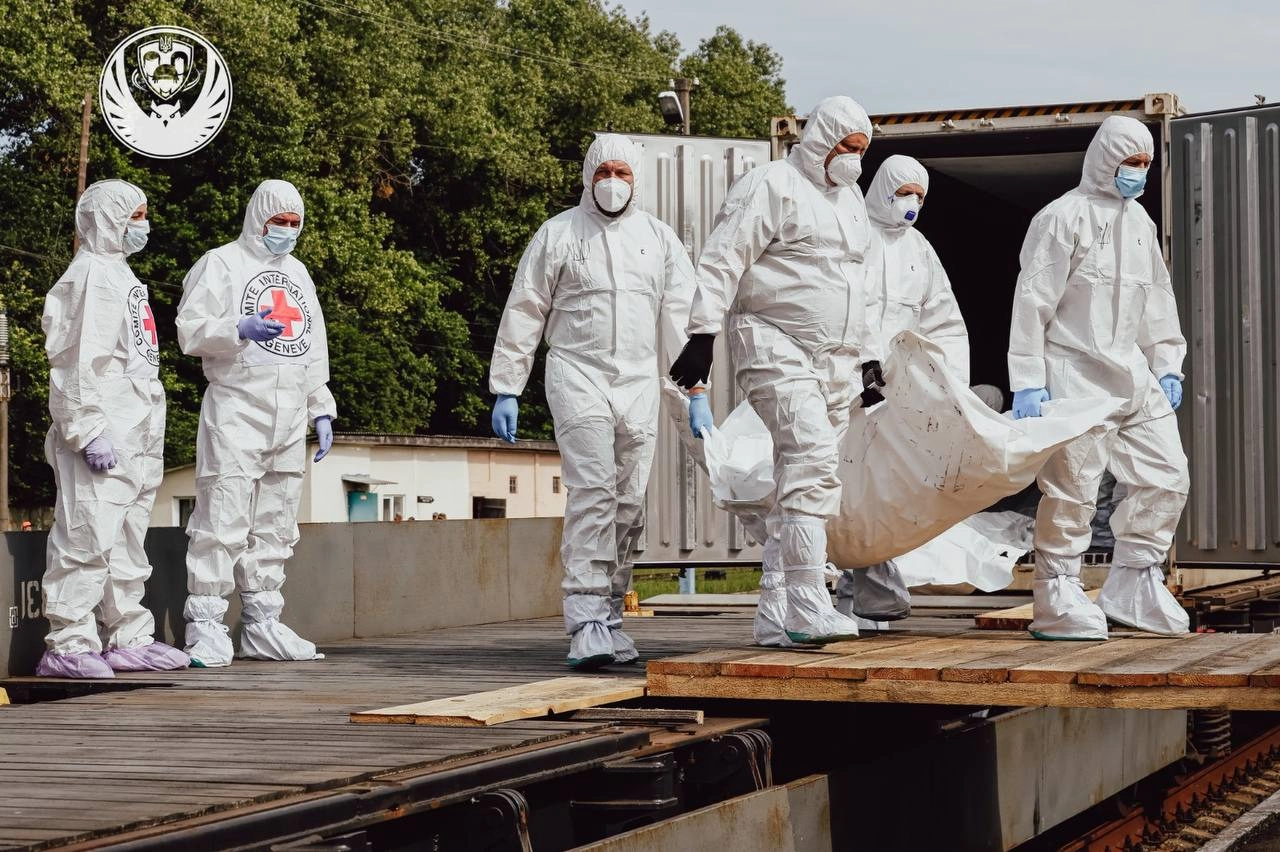
Russia has returned another 1,200 bodies of Ukrainian citizens, including servicemen, as part of the ongoing repatriation process agreed upon in Istanbul.
Russia returned another 1,200 bodies of deceased Ukrainian citizens on Sunday, June 15, as part of the fourth stage of repatriation measures following the Istanbul negotiations.
The Coordination Headquarters for the Treatment of Prisoners of War (POWs) reported on Telegram:
Russia launched 194 drones and missiles, heavily targeting the Poltava region and Kremenchuk. Air defenses shot down most of the threats, but energy and agricultural infrastructure were damaged.
Russia launched 194 drones and missiles into Ukraine from 8:00 p.m. on Saturday, June 14, until the morning of Sunday, June 15, the Ukrainian Air Force reported.
According to the report on Telegram, Russia fired 183 Shahed strike UAVs and simulator drones of various types, two Kh-47M2 Kinzhal aeroballistic missiles, one Iskander-M/KN-23 ballistic missile, and four each of Iskander-K and Kalibr cruise missiles.
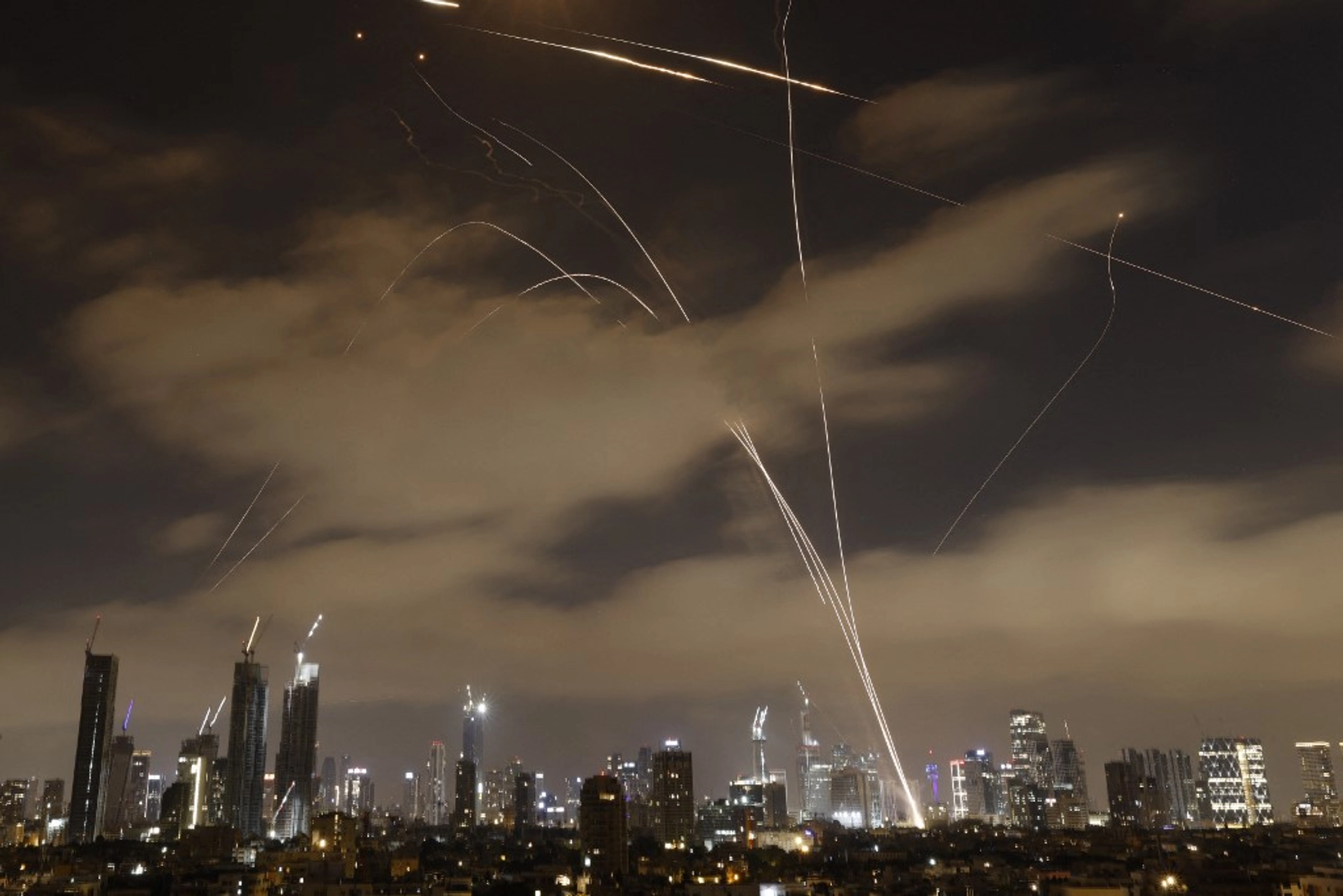
It came after Iranian missile fire on Israel killed at least 10 people overnight, pushing the toll up to 13 since Iran began its retaliatory strikes on Friday.
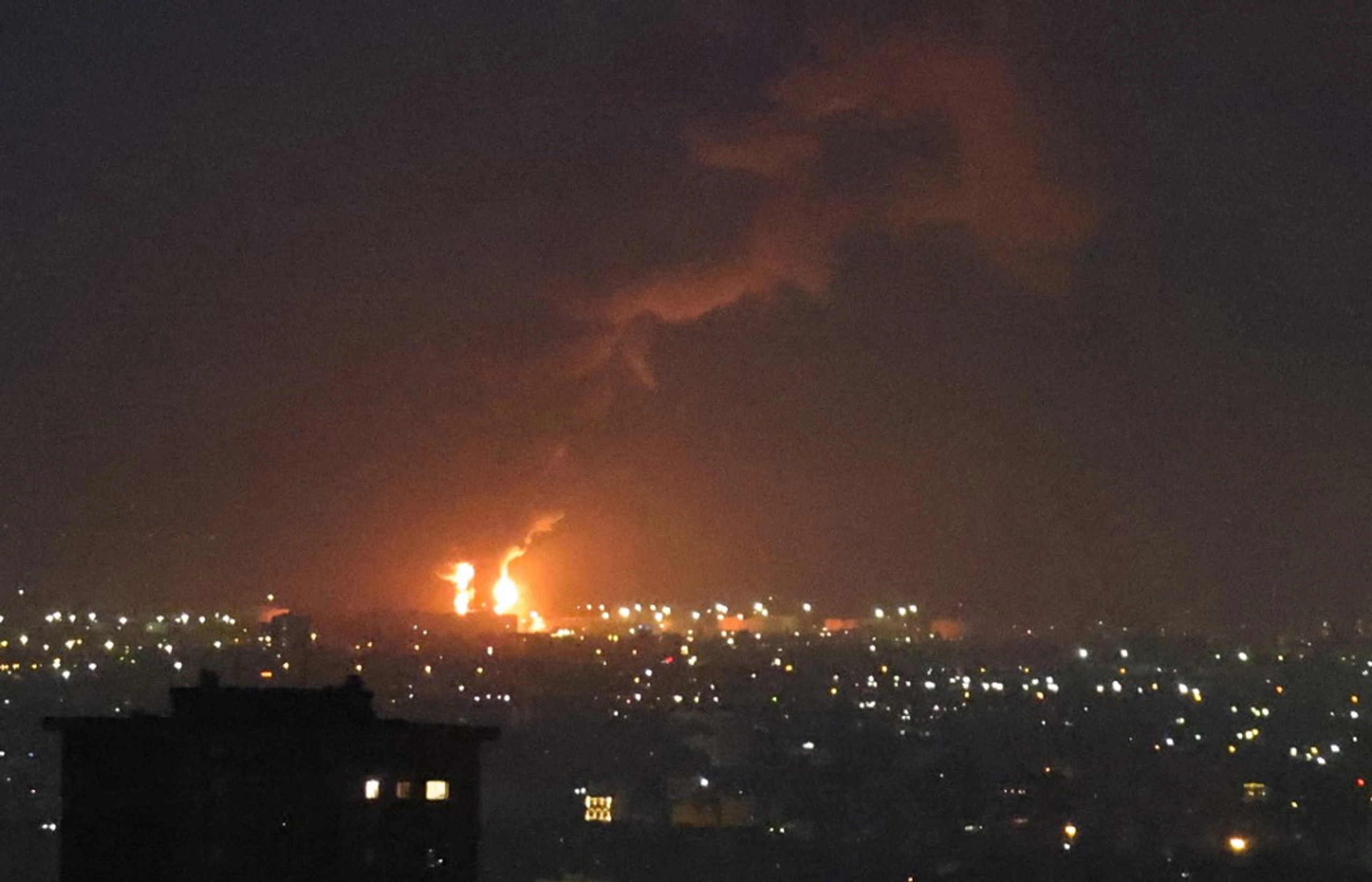
Israel pressed its intense bombardment campaign on Iran on Sunday, striking a defence facility and fuel depots as the two arch foes kept up their most intense confrontation in history.
It came after Iranian missile fire on Israel killed at least 10 people overnight, according to authorities, pushing the toll up to 13 since Iran began its retaliatory strikes on Friday.

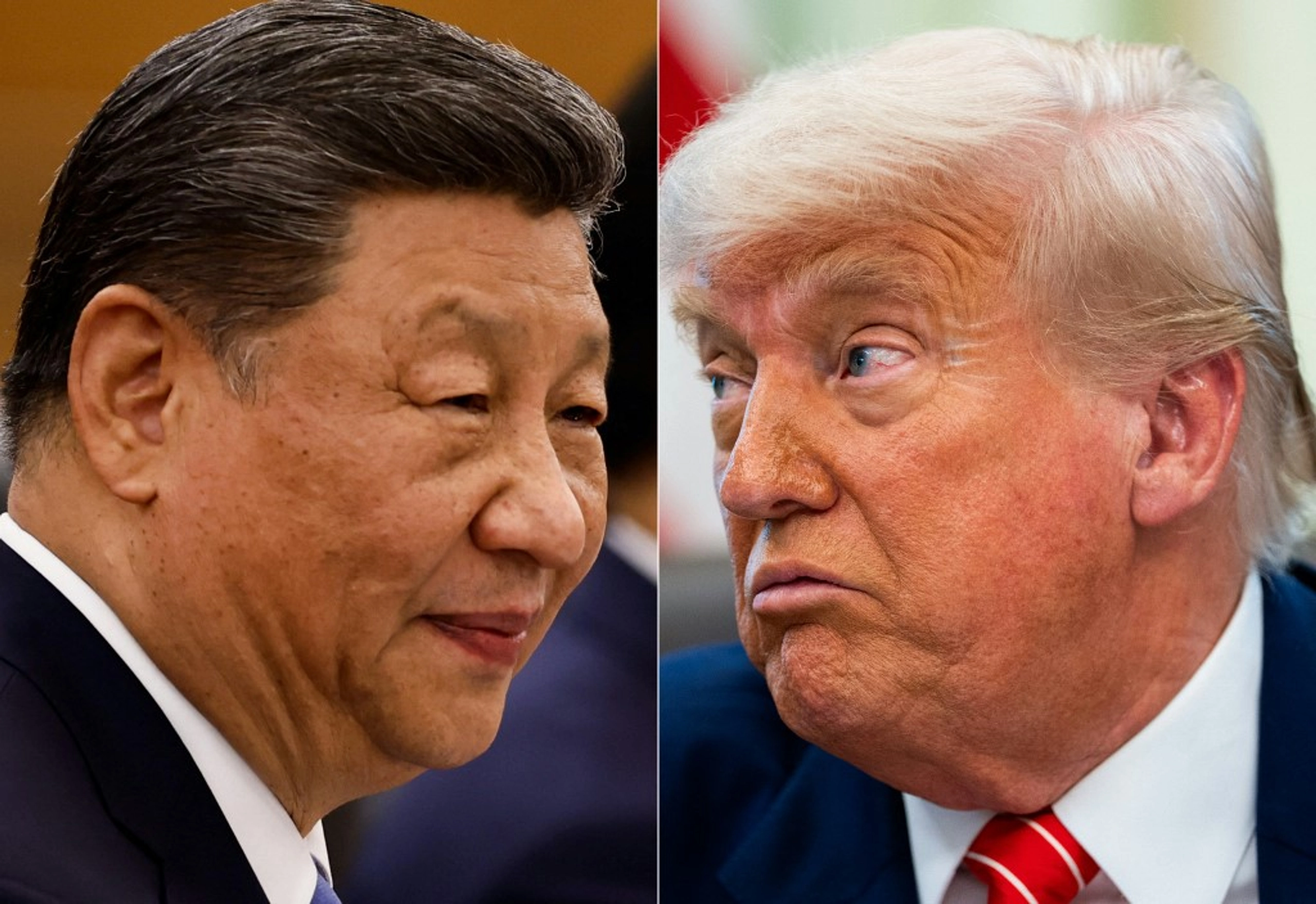
China played its rare earths card, forcing Trump to back down in the trade war. As the US, EU, and China clash over power and trade, Russia lurks – and Beijing quietly plans for a post-Moscow world.
It turns out that China had “cards” to play in the trade war launched by Donald Trump. Talks between the two countries have resulted in a truce for now. Russia was not at the table but lurked in the background as the world’s two superpowers engaged in economic horse trading at the highest level imaginable and maneuvered for global influence.
Trump upended the international trading system and imposed ruinous tariffs on every country, most punitively on China. Markets roiled, and retaliatory levies followed, but in early April, China played its ultimate card by halting shipments of critical minerals such as rare earths needed for cars, robots, wind turbines, jet fighters, and other technologies. In May, the United States responded by tightening restrictions on semiconductor and aviation exports to China, then threatened to revoke 277,000 US visas granted to Chinese students. However, Beijing’s stranglehold on the world’s supply of rare earths, which is critical to U.S. manufacturing, caused Trump to back down. The Financial Times summed up the contest succinctly: “Beijing’s success in snarling supply chains with rare earths has shifted the balance of power in trade talks.”
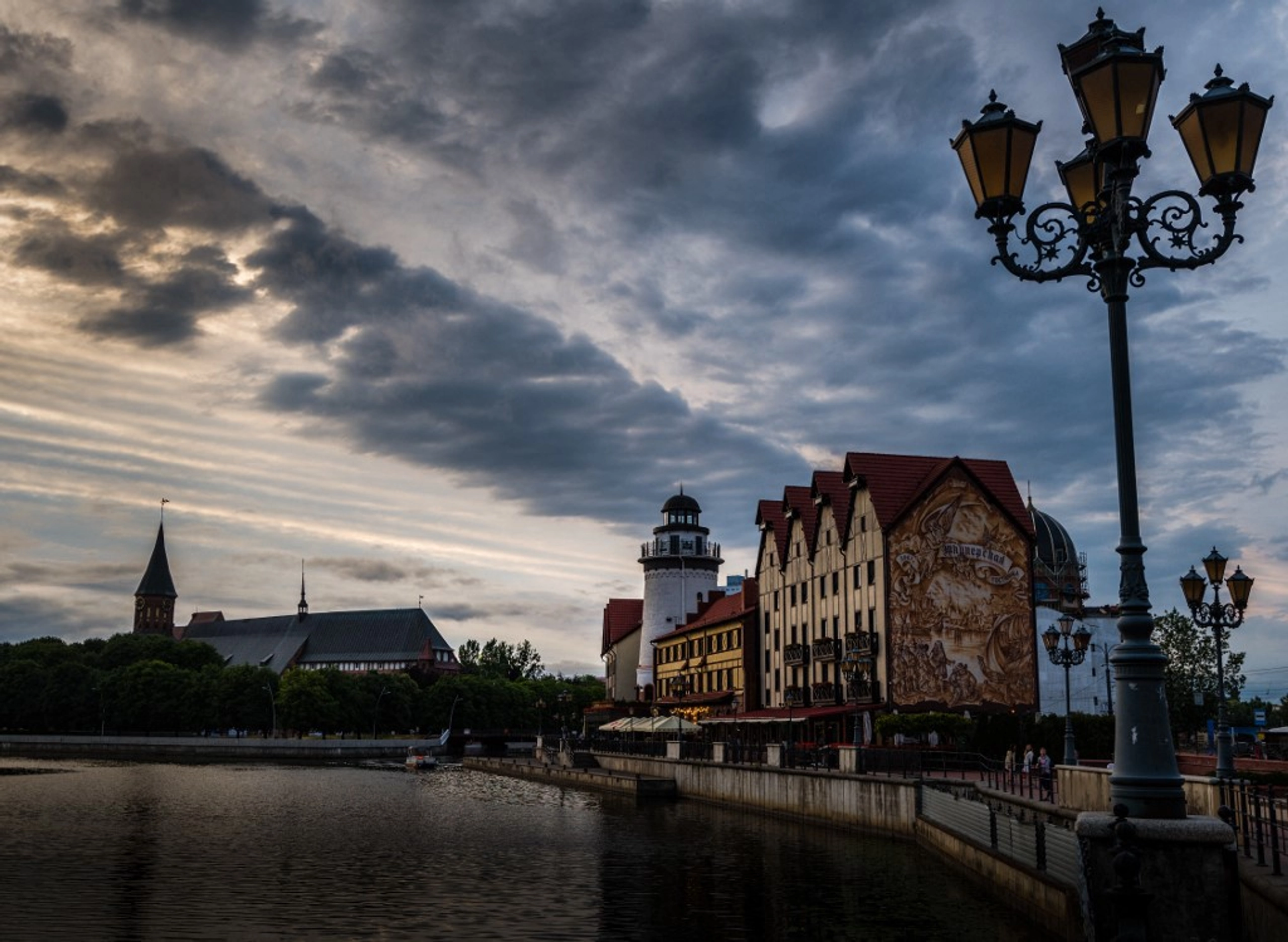
Ukrainian agents sabotaged a key electrical substation in Kaliningrad, knocking out power to Russian military-industrial and Armed Forces facilities.
Ukrainian intelligence agents from the Main Intelligence Directorate (HUR) blacked out Russian military-industrial and Armed Forces facilities in Kaliningrad, causing an estimated $5 million in damage, Kyiv Post reports, citing HUR sources.
Kaliningrad, formerly known as Königsberg, was part of Germany’s East Prussia until 1945. Following World War II, the Soviet Union annexed the city and renamed it.

Energy, infrastructure and food processing are key areas of focus for Ukrainian investors whilst on-going uncertainty scuppers bold commitments and scalable long-term projects.
Ukraine’s mergers and acquisitions (M&A) market is far from frozen – big players are putting millions into energy, food, and tech, even as they admit that planning five years ahead is virtually impossible.
Instead of grand strategies, they chase deals with quick paybacks, export potential, and proven founders.

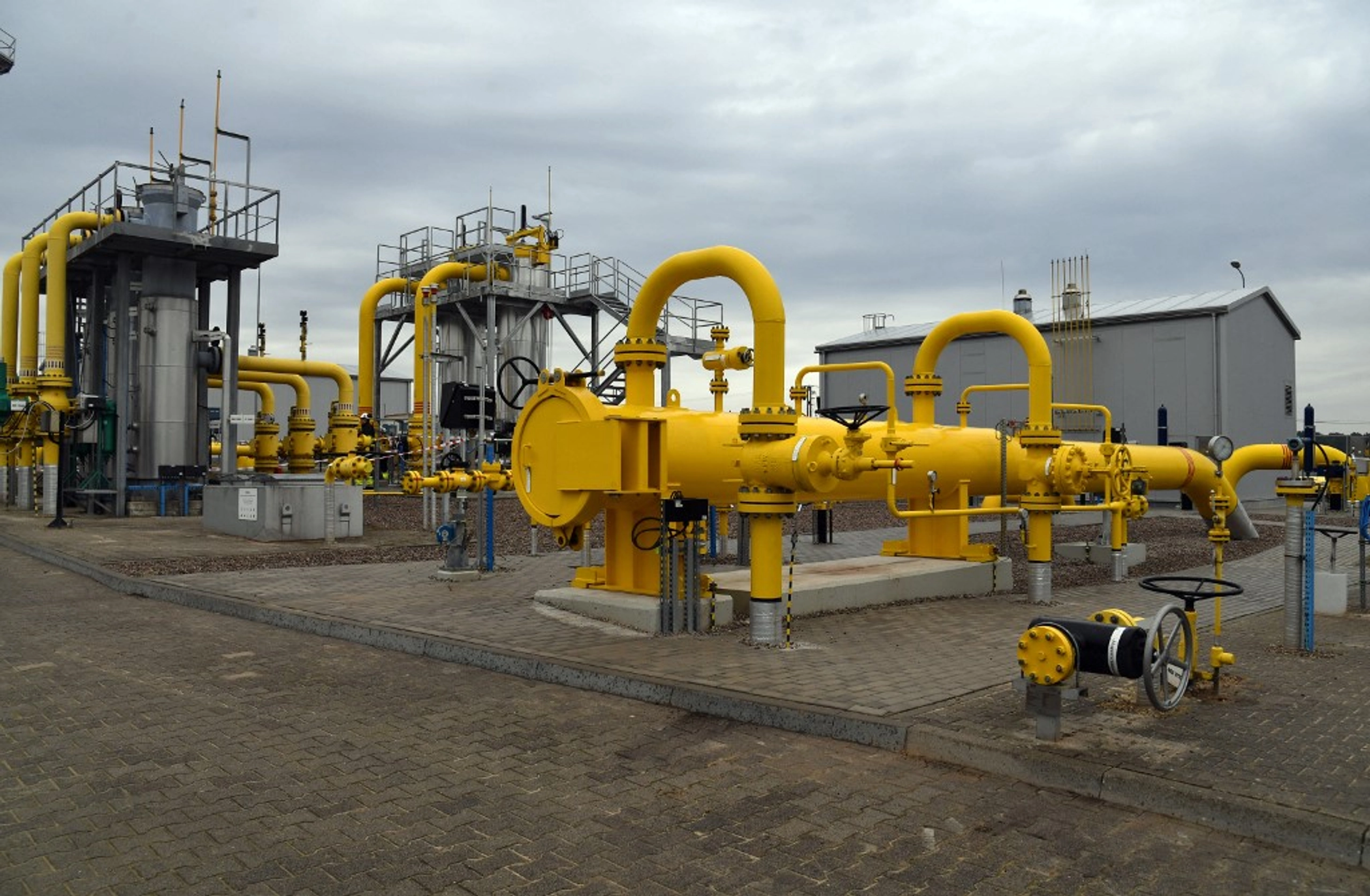
Poland and Ukraine plan to double the transmission capacity of their gas interconnector to 12.4 million cubic meters per day from the current 6.4 million cubic meters per day.
Poland and Ukraine plan to double the transmission capacity of their gas interconnector to 12.4 million cubic meters per day from the current 6.4 million cubic meters per day, according to Ukraine’s Energy Ministry.
The ministry said it was looking to import large volumes of liquefied natural gas (LNG) from the United States through Germany, Poland, Lithuania and Greece ahead of the winter heating season.
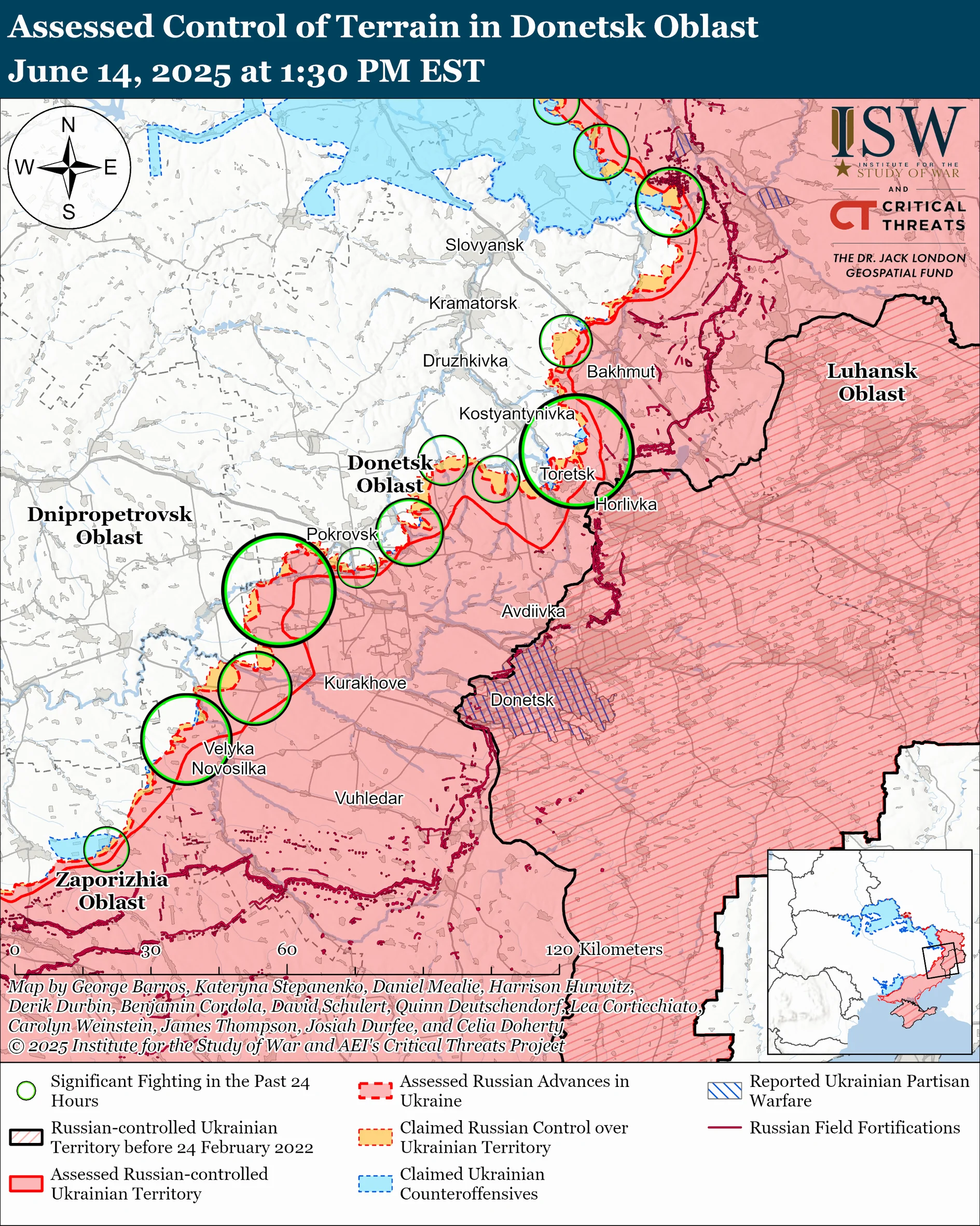
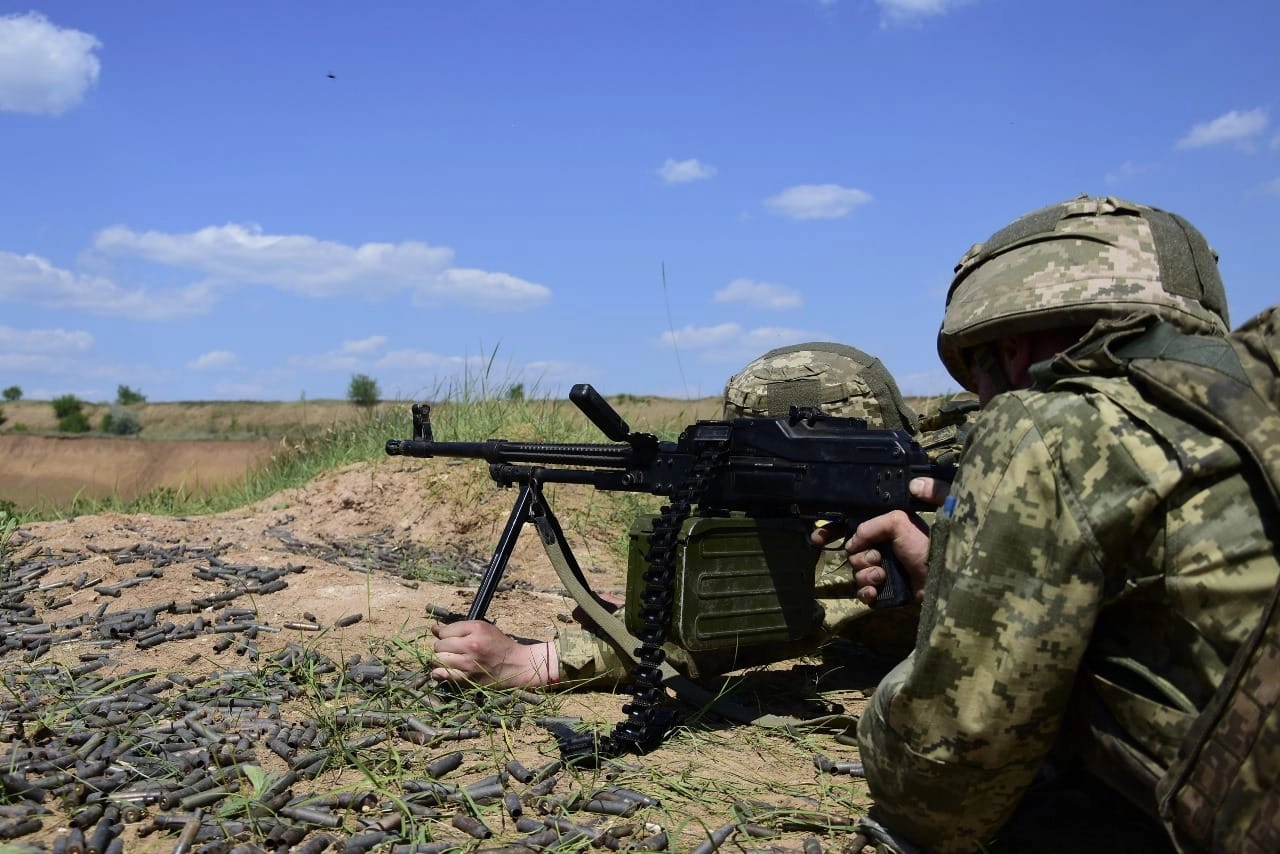
Ukrainians have reportedly liberated the village of Andriivka in the Sumy region and made gains near Pokrovsk. Independent confirmations of the liberation are still pending.
Ukrainian troops have reportedly liberated Andriivka, a village near the border in the Sumy region, and made advances in the Pokrovsk direction, President Volodymyr Zelensky said on June 14.
In his evening address, Zelensky reported on a briefing he had received from the Commander-in-Chief of Ukraine’s Armed Forces (AFU), Oleksandr Syrsky, regarding the situation on the front lines and recent Ukrainian military operations.
Israel’s emergency services said at least eight people, including children, were killed in the overnight strikes, and around 200 were wounded.
Iranians and Israelis woke to smoke and rubble on Sunday after the arch-rivals expanded their attacks overnight, with Israel striking Tehran’s defence ministry, and Iran unleashing a deadly barrage of missiles.
Air raid sirens and explosions were heard by AFP journalists in Jerusalem and Tel Aviv early Sunday, as Israel’s military said millions of Israelis were “running for shelter” around the country.
A Ukrainian film festival spotlighted LGBTQ+ stories, reflecting growing acceptance. Though still controversial, Pride events and openly queer soldiers signal societal change.
The third Sunny Bunny festival opened this year with documentary “Queens of Joy,” featuring Kyiv drag queens who raise money for the Armed Forces – one of whom is an active soldier by day. A discussion of queer activism in Ukraine reveals that there are many ways to fight the aggressor.
Ukrainian Drag Queens Launch a Film Festival
Trump on Putin call: “Much less time was spent talking about Russia/Ukraine, but that will be for next week.”
US President Donald Trump said Saturday that he and his Russian counterpart Vladimir Putin had agreed the conflict between Iran and Israel “should end,” adding “to which I explained his war should also end.”
Trump said in a social media post that he took a phone call from Putin Saturday morning who called to “very nicely wish me a happy birthday, but, to more importantly, talk about Iran, a country he knows very well.”

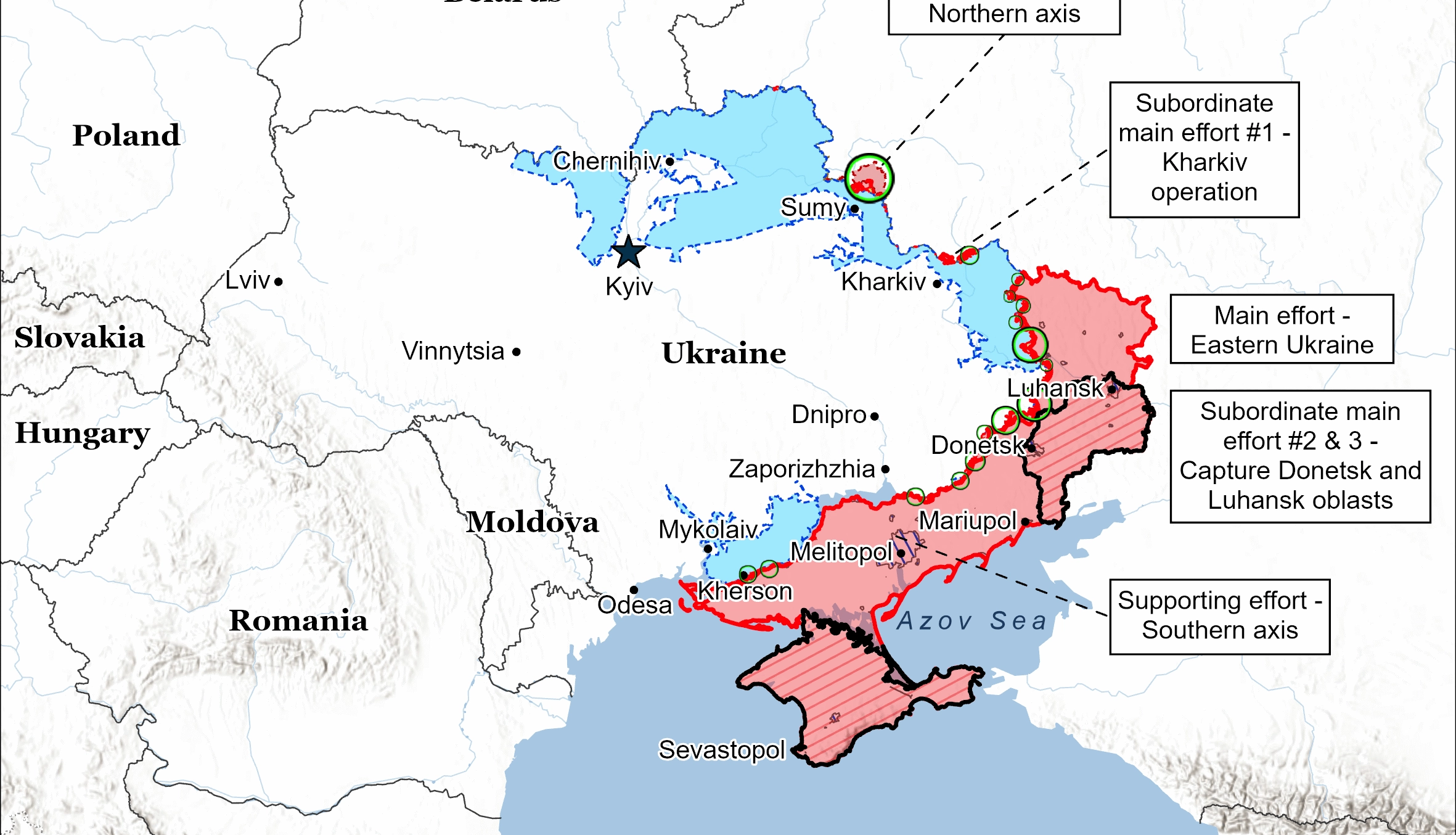
Latest from the Institute for the Study of War.
Key Takeaways from the ISW: