Ukraine’s mergers and acquisitions (M&A) market is far from frozen – big players are putting millions into energy, food, and tech, even as they admit that planning five years ahead is virtually impossible.
Instead of grand strategies, they chase deals with quick paybacks, export potential, and proven founders.
JOIN US ON TELEGRAM
Follow our coverage of the war on the @Kyivpost_official.
At the same time, local investors voice frustration over a shortage of long-term investment projects that can be scaled up to the hundreds of billions of dollars to bolster Ukraine’s GDP growth.
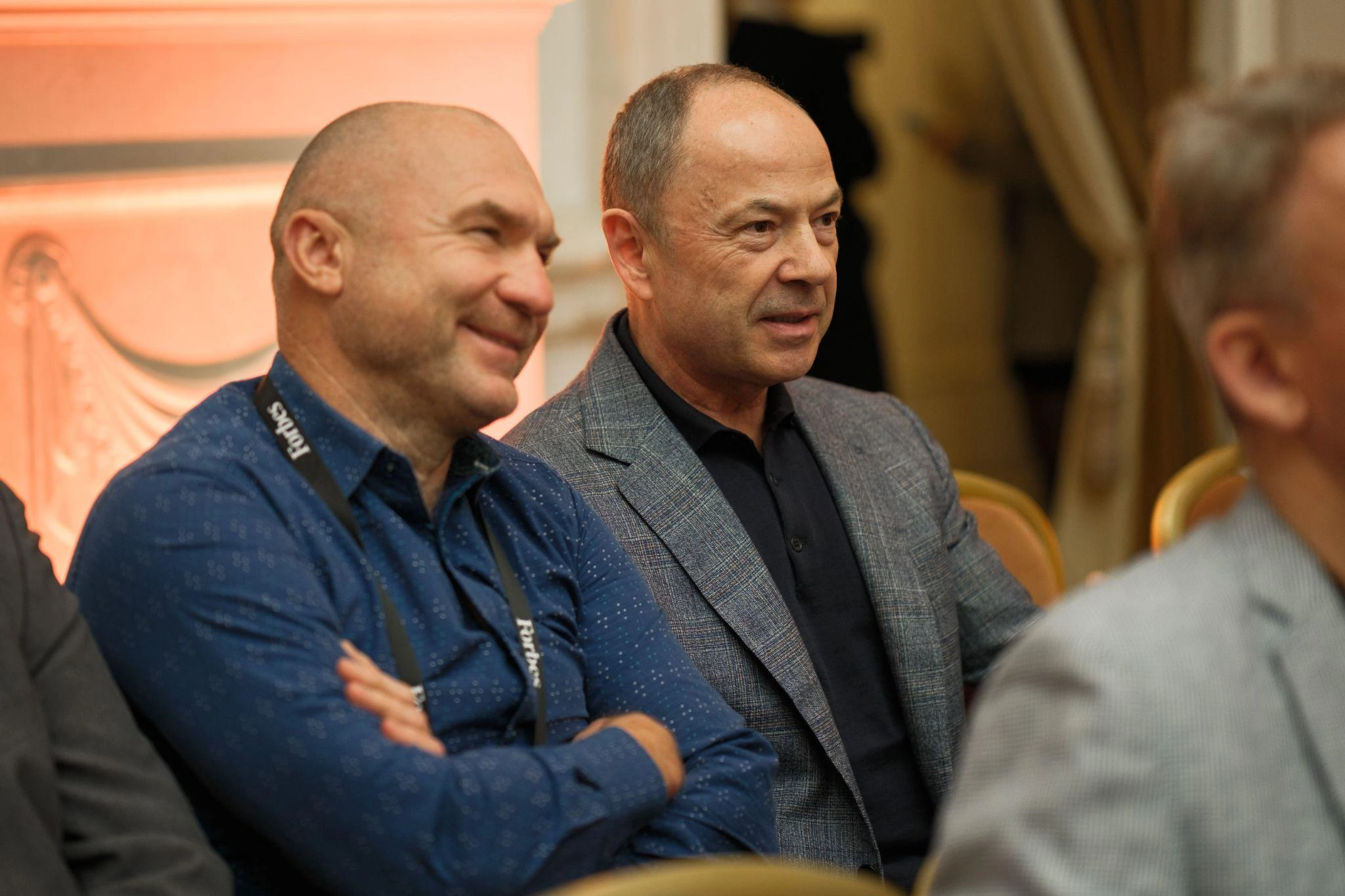
Drawing on June’s Forbes Money Conference, Kyiv Post has summarized seven ways Ukraine’s local investors keep growing, even when no one knows what the domestic economy will look like in five years.
1. Concorde Capital bets big on energy independence
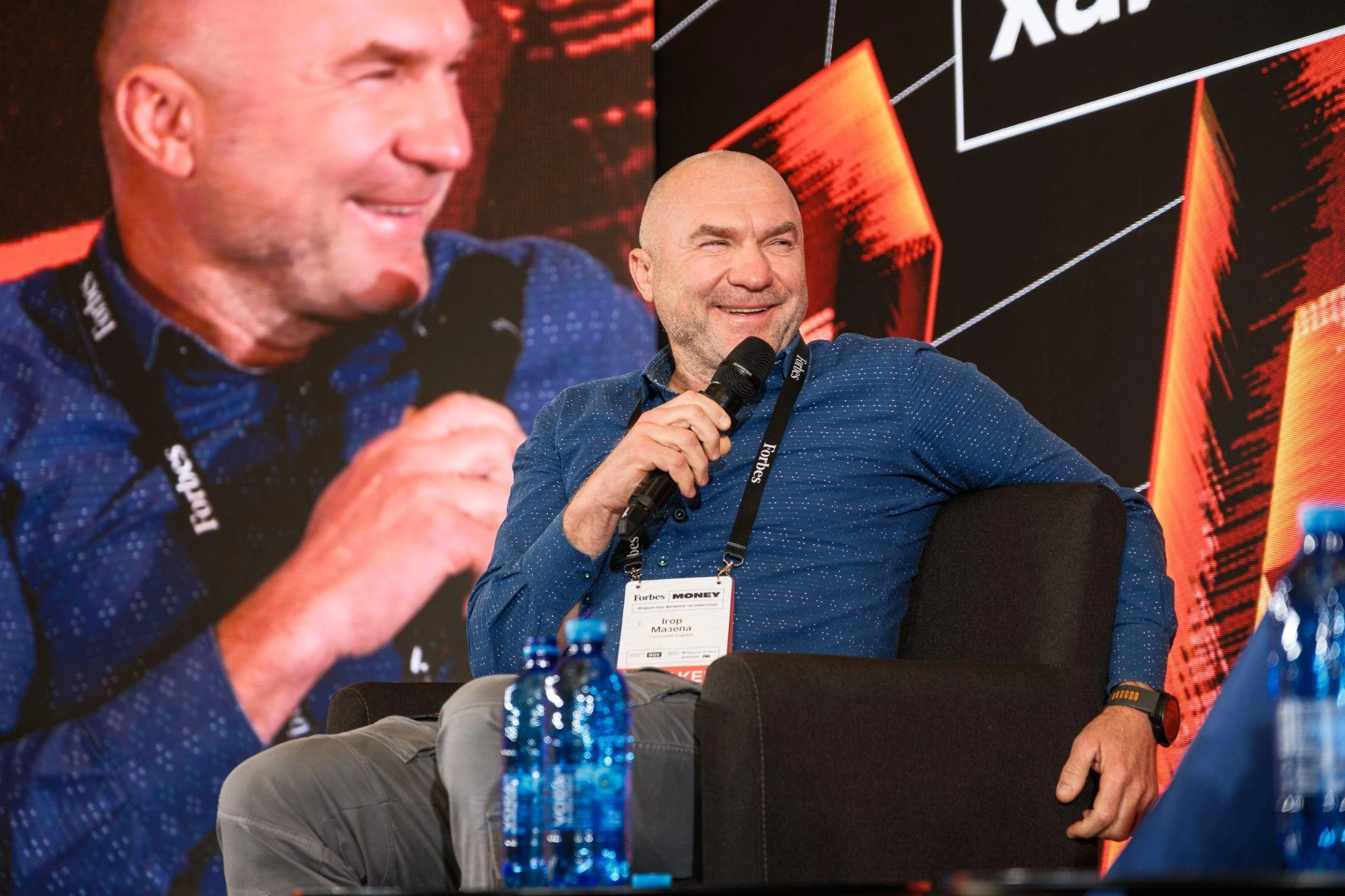
Concorde Capital finalized a deal to buy a Ukrainian subsidiary of the Chinese company Beiken and set up its own energy-generating company. The deal is estimated to be worth $25 million, according to a Forbes source. The company’s founder, Igor Mazepa, has pledged to invest €120 million ($139.4 million) in energy assets until the end of 2025.
Russian Defense Sector Drains Civilian Labor Market, Artificially Inflating Wages
Mazepa believes energy projects are a profitable investment and relative straightforward. “It’s a “blue ocean” market – no competition at all, just take it and do it,” he said.
Mazepa is not alone in energy investments.
2. NEQSOL grabs heavy industry in major privatization push
NEQSOL Holding, an international group of companies with operations across 11 countries and headquarters in Amsterdam, Baku, and Kyiv, completed payment for the Joint Stock Company United Mining and Chemical Company (UMCC) in 2024.
UMCC is one of the largest heavy industry assets in Ukraine. NEQSOL bought it for Hr. 3.9 billion ($95.6 million) as part of an online auction of privatized assets offered by the Ukrainian government.
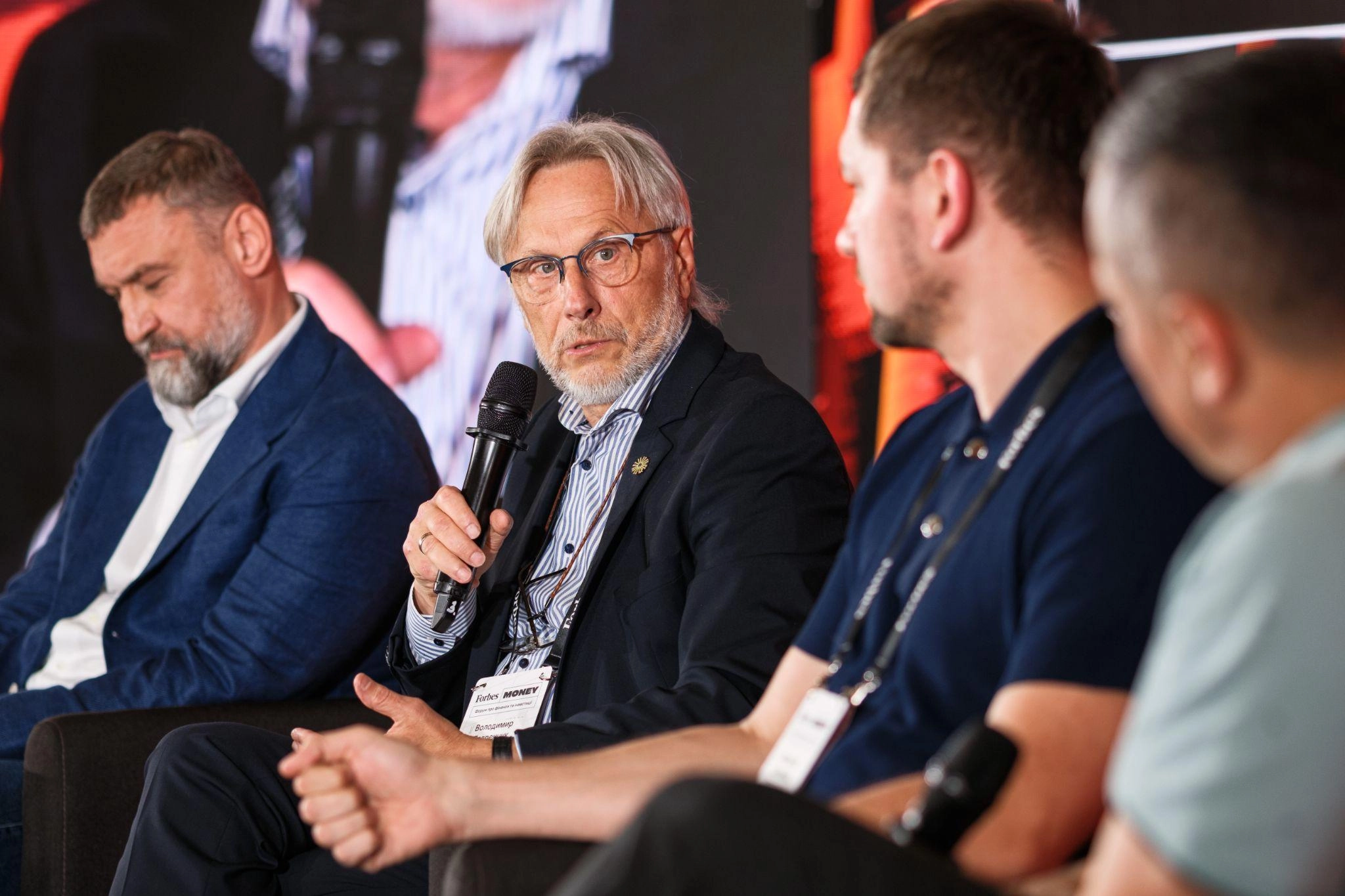
For large investors like NEQSOL, bravery to invest in Ukraine is not enough – large-scale investments need to have calculated profits for the long-term. “Big deals are not based on intuition,” Volodymyr Lavrenchuk, director of NEQSOL Holding Ukraine, said.
3. BGV Group Management sees huge potential in utilities, but stays on the sidelines for now
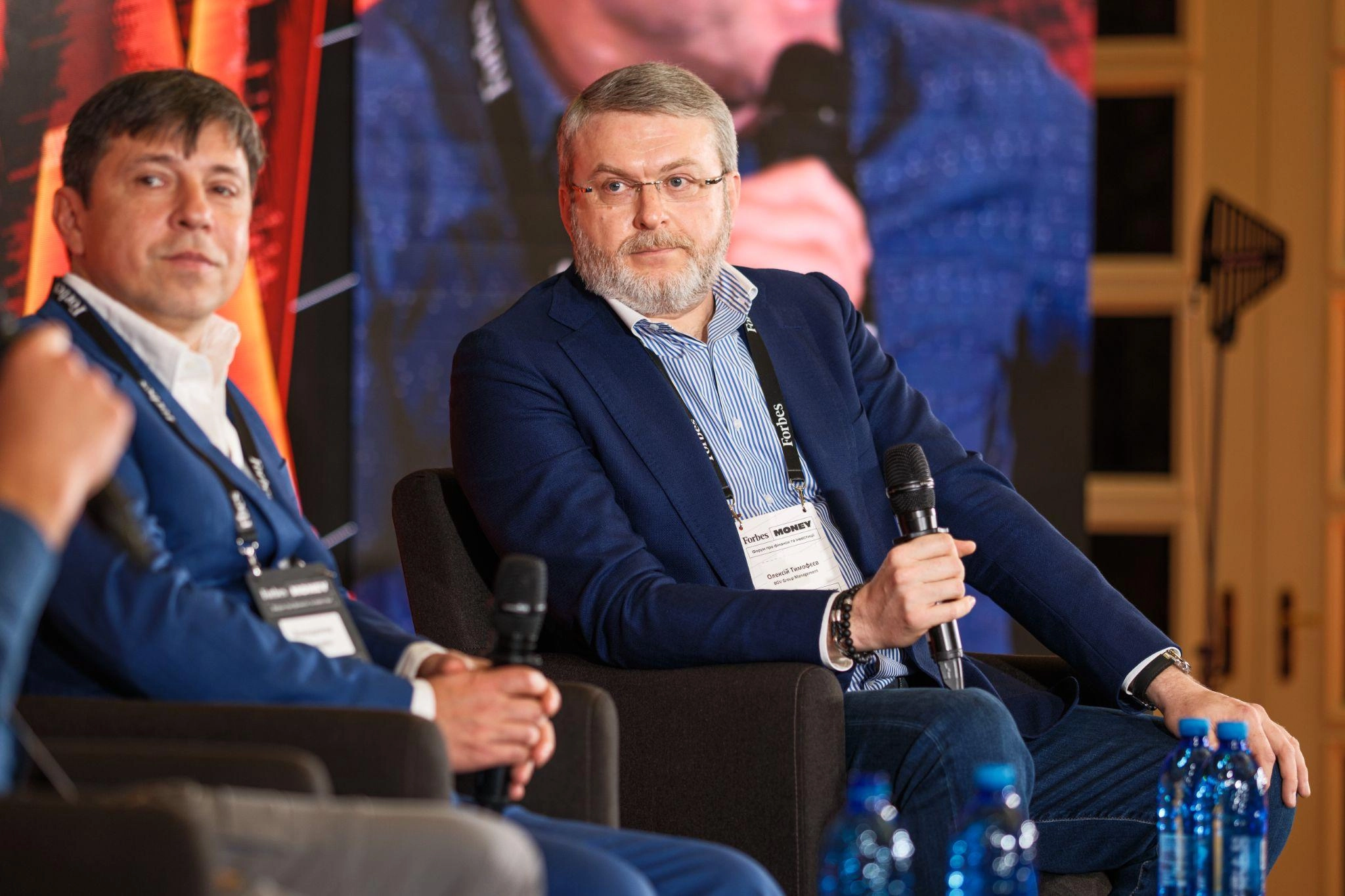
BGV Group Management, owned by Hennadii Butkevych, has approved five energy projects: wind, batteries, gas cogeneration, and investments in energy efficiency for municipal networks. It sees opportunities to invest anything up to $200 million, Oleksiy Timofeev, board member of BGV Group Management, said.
BGV Group Management plans to invest $147 million in building materials production, real estate and energy. This includes a $50 million investment in the Aeroc building materials plant, previously owned by Russian Andriy Molchanov.
Ukraine’s urban infrastructure, water utilities, district heating companies, and water supply systems present a market in the billions of dollars but, according to BGV board member Oleksiy Timofeev, no one sees them as investment opportunities.
4. TAS Group prioritizes quick returns over long-term strategy
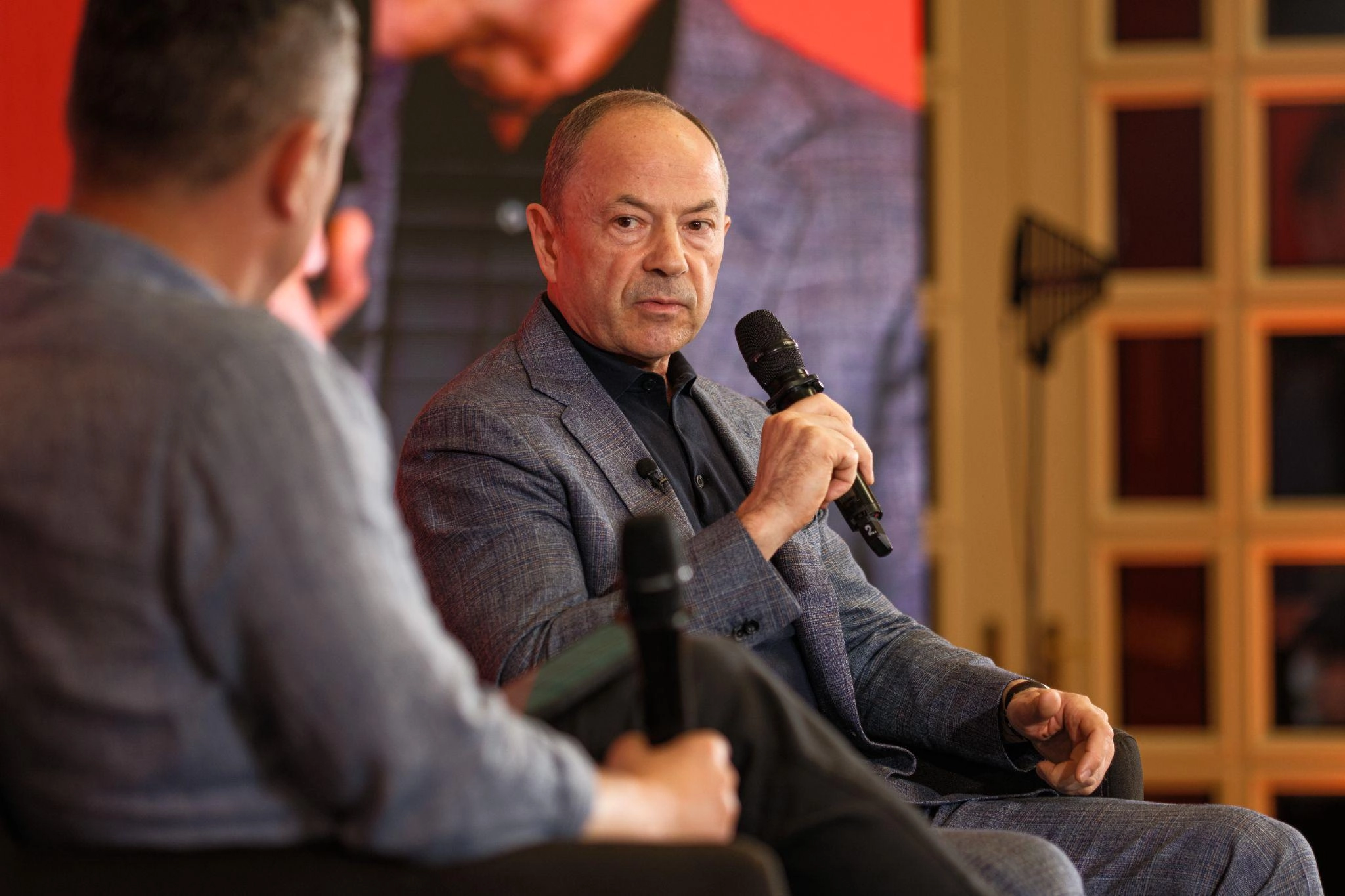
TAS Group, owned by Sergiy Tigipko, invested $140 million in 2024 and plans to invest a further $180 million. TAS Group consists of 27 businesses in several industries: banking, agriculture, heavy industries, green energy and development. Tigipko’s priorities lie in the financial sector following TAS Group’s recent purchase of Idea Bank.
TAS Group is also strong in agrifood and is currently aiming to scale up its food processing business. “In November, we will launch a plant for processing apples, vegetables, and fruits into concentrates,” Tigipko said.
When looking for new investment projects, Tigipko’s filters include assets in traditional industries, opportunities to export production, and a return on invested capital (ROIC) ratio that shows an asset is profitable.
Nobody knows what will be happening in Ukraine in three months, TAS Group’s founder Sergiy Tigipko said. “If I were in everyone’s shoes, I wouldn’t be making five-to-seven-year plans right now,” he added.
5. Horizon Capital pivots to tech and export-ready startups
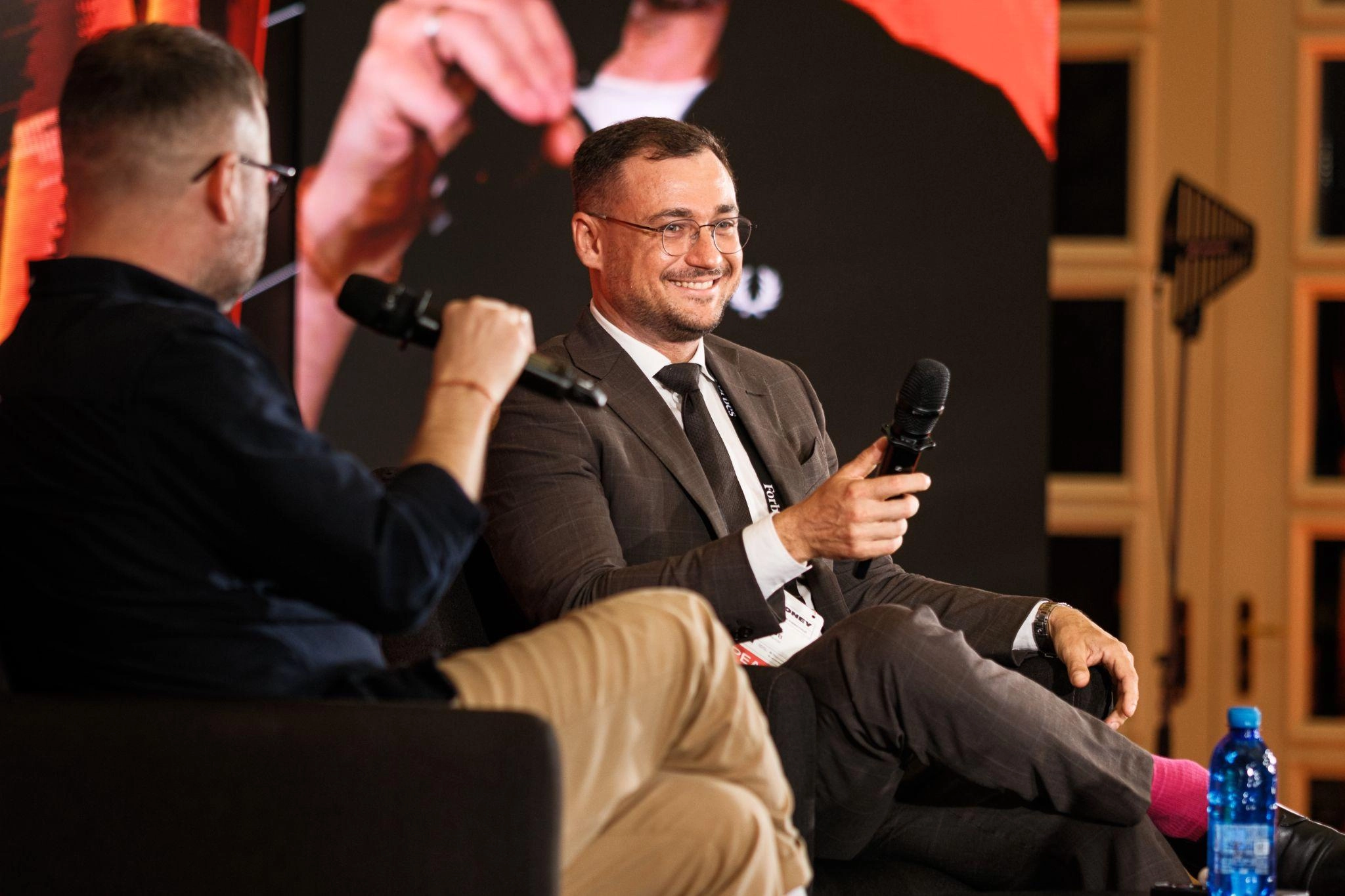
The leading private equity firm, Horizon Capital, stands out from other investors as one of the few firms actively investing in Ukraine’s technology companies rather than traditional industries.
Horizon Capital previously invested in the country’s largest marketplace Rozetka, the country’s largest dollar-store shop network Avrora, and security company Ajax Systems.
Last year, the company was part of a consortium led by NJJ Holding (owned by a French Xavier Niel). It invested in the acquisition of Datagroup-Volia, Ukraine’s leading fixed telecom and pay TV provider, as well as Lifecell, the country’s third largest and fastest-growing mobile operator.
Although Horizon Capital is not aiming to make large investments in 2025, its priority for new M&As is export opportunities.
6. Kyivstar and MHP are turning single-sector giants into multi-business ecosystems
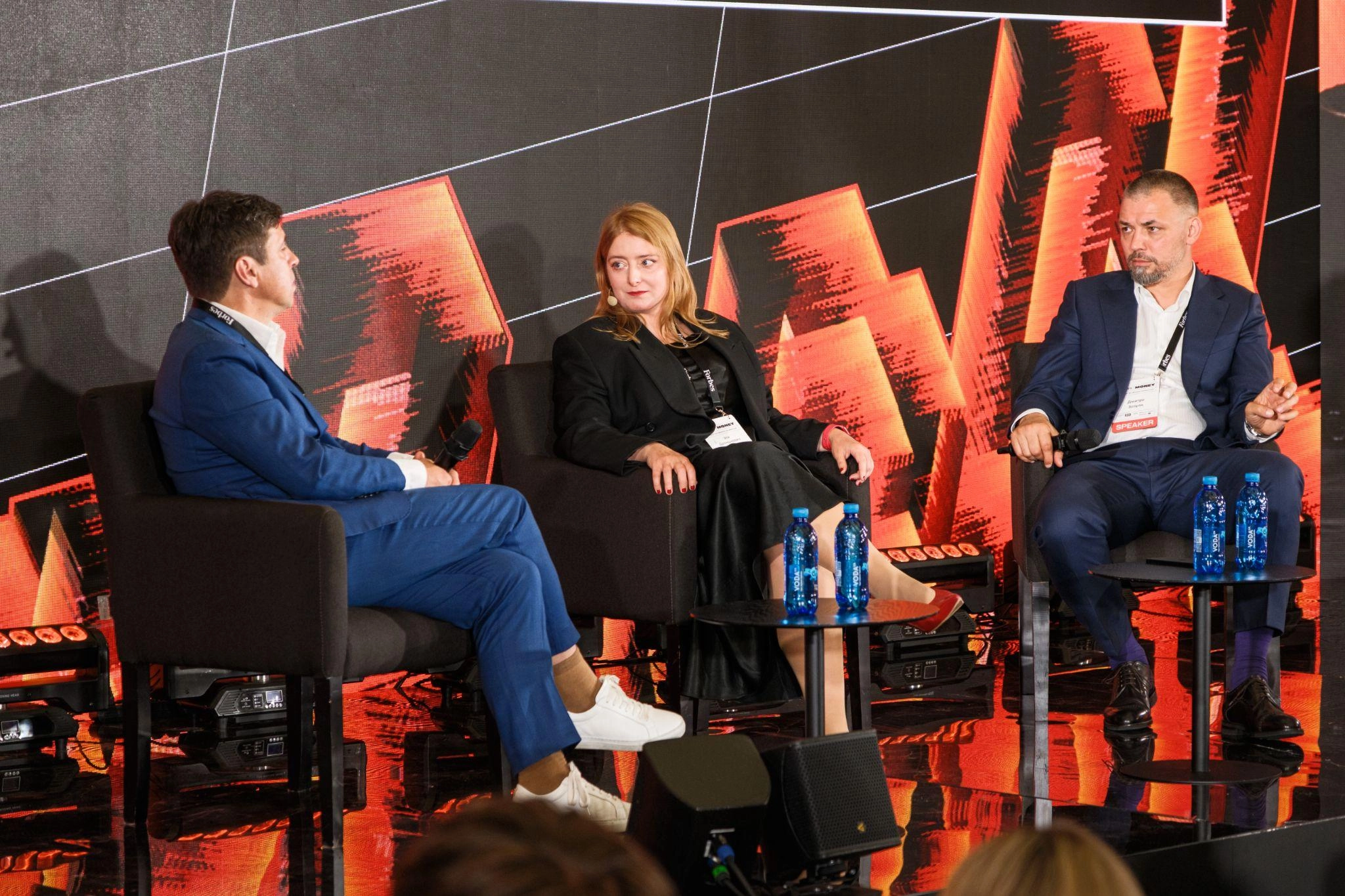
Kyivstar, Ukraine’s leader in telecommunications, has recently acquired the country’s taxi and delivery service Uklon. But Kyivstar doesn’t want to stop there, aiming to reach 20% of profits earned outside the telecoms sector by the end of 2025, according to Kyivstar business development officer Zoia Dronshkevych.
Kyivstar aims to invest in assets where it can transform traditional industry approaches, for example in e-health and private clinics. The company is searching for opportunities in advertising tech.
MHP, Ukraine’s largest agrifood company and key Ukrainian exporter, aims to become a culinary brand rather than just producer of chicken meat. MHP aims to develop its assets in frozen food and vegetables production.
MHP recently bought a Spanish poultry and meat producer UVESA, aiming to expand in the EU.
Both Kyivstar and MHP are searching for companies inside Ukraine with talented founders and managers – without them, any idea of a company is not interesting to these investors.
7. Finding the right types of projects despite market uncertainty
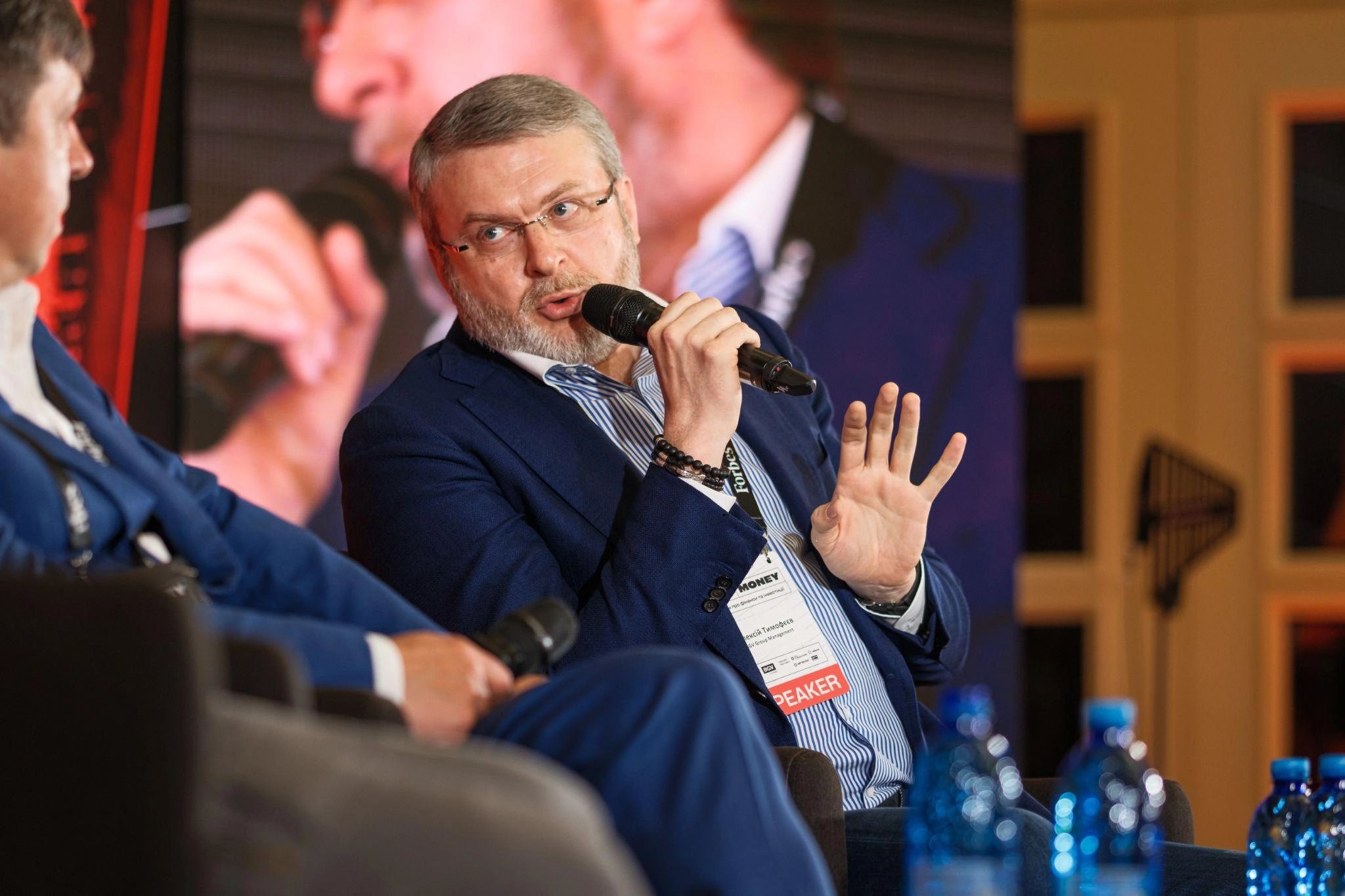
Ukraine does not have enough projects to scale up in large volumes, according to Oleksiy Timofeev, board member of BGV Group Management. If Ukraine intends to grow at 5% GDP per year, it will need $10 billion in foreign investment per year plus a corresponding domestic investment base. This will double, he said, if Ukraine seeks to grow GDP by 10% per year.
“There is no investment field or investment map in Ukraine that could generate such a quantity of quality investment-grade projects,” Timofeev said.
Planning for the long-term also brings considerable uncertainty. Ukrainian investors are looking for niches that will quickly return investments, but most of them offer a return on investment in five years. This is too long for an investor.
“When you cream off the top, you are left with a five-year-long investment. This is nothing. You don’t see the point of simply returning what you invested. Then, what will Ukraine’s economy be like in five years? How many consumers will we have? What will be the structure of energy generation?” Timofeev said.
Pilot investment projects, private-public partnerships and lobbying will help develop a business climate that will bring profits in the niche, he added.
You can also highlight the text and press Ctrl + Enter

Zelensky Reveals Intercepted Intel From Putin’s Desk