


EN

EN


EN
Stay informed with the most important Ukraine breaking news today. This page compiles the top headlines and critical updates from across Ukraine, offering a real-time snapshot of key developments.
Whether it’s military updates, political changes, or international reactions — we bring you the latest Ukraine news as it happens. All reports are carefully curated from verified sources and KyivPost correspondents on the ground.


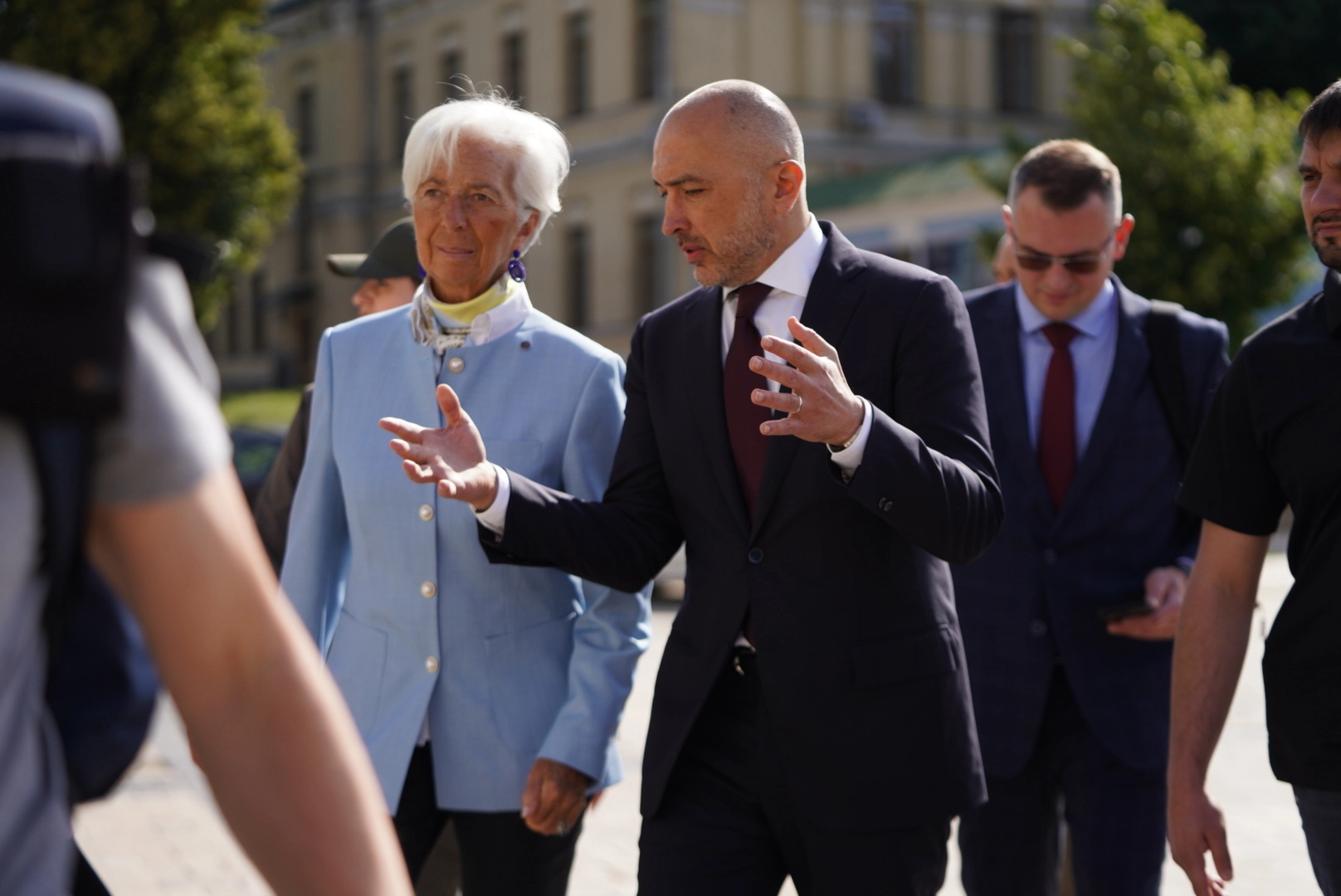
Deeper integration increases the potential rewards, but risks alongside it should be controlled, EU’s Central Bank President said at a Kyiv Conference on Economics in a “Stormy, Fragmenting World.”
Despite the hardships of war, Ukraine’s integration in the European Union offers a clear path to recovery and lasting prosperity, President of the European Central Bank (ECB) Christine Lagarde said at a conference in Kyiv.
Lagarde gave a speech as the keynote speaker during the ninth Annual Research Conference “Economic and Financial Integration in a Stormy and Fragmenting World” organized by the National Bank of Ukraine and Narodowy Bank Polski in Kyiv.

Africa Corps, which is believed to be run by the Russian defence ministry, is stepping up its presence and filling the gap left by Wagner, the mercenary group founded by the late Yevgeny Prigozhin.
With the rise of a paramilitary force that analysts say is controlled by the Kremlin, Russia is openly expanding its state military footprint in Africa, after years of distancing itself from mercenaries deployed on the continent to support pro-Russian rulers.
Russia is using the Africa Corps force to increase its influence in particular in francophone west Africa where the presence of former colonial master France is dwindling.

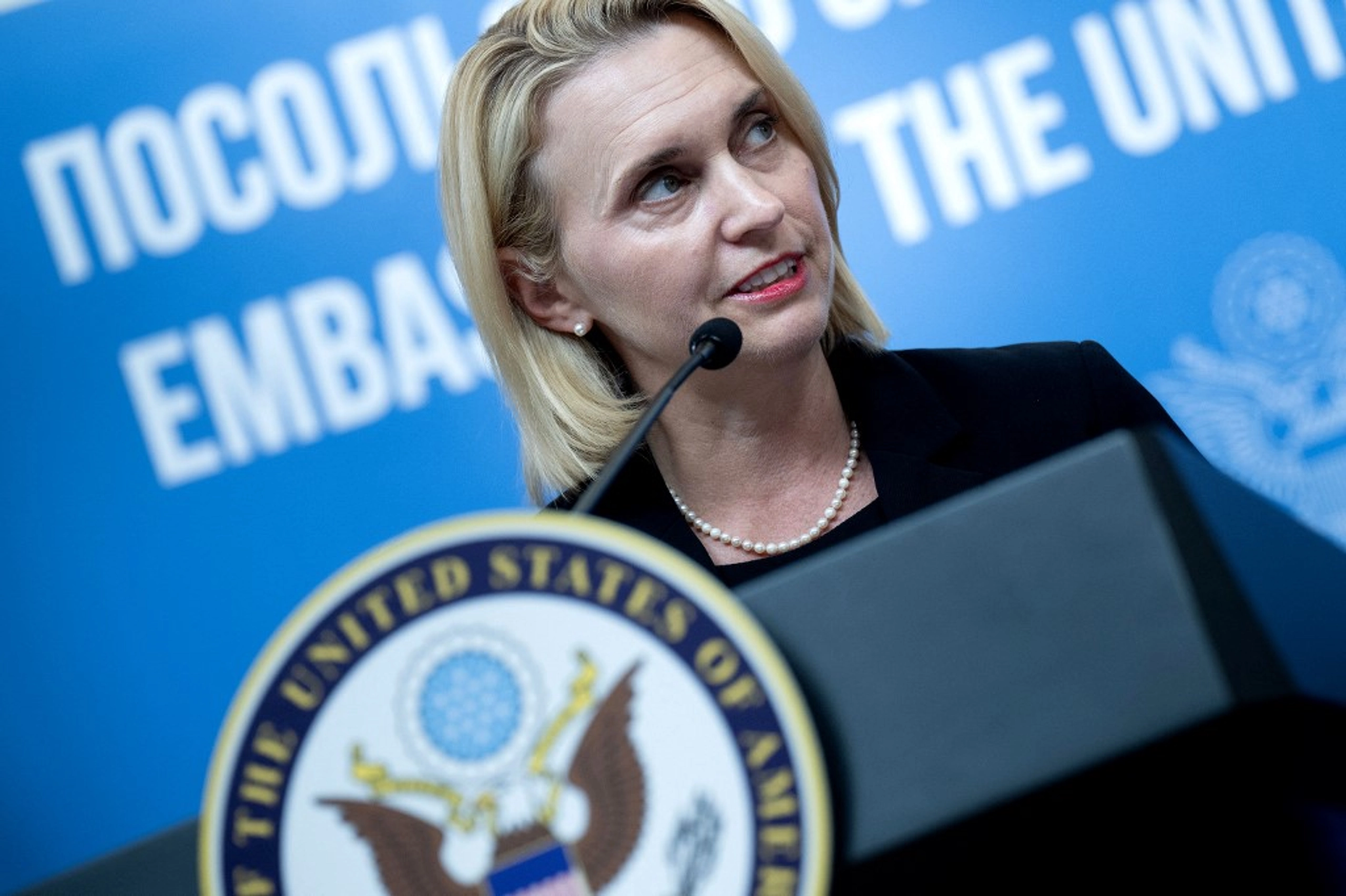
Brink, who emphasized her commitment to defending democracy and standing up to Putin and Trump, said her next mission is to fight for Michigan families.
Former US Ambassador to Ukraine Bridget Brink has announced she will run for Congress in Michigan, her home state.
Brink, running as a Democrat, launched her campaign on June 18 with a statement on X highlighting her decades of public service.

As leaders are set to meet to discuss boosting European capabilities as Putin’s taste for using force grows, lawmakers and analysts argue that Ukraine would be an asset for NATO security.
The leaders of the US Senate Foreign Relations Committee (SFRC) on Tuesday offered rare bipartisan support for NATO ahead of next week’s leaders meeting next week to discuss ways to boost European capabilities in the face of Putin’s growing appetite to use military force in the continent, Kyiv Post’s Washington correspondent reports.
The NATO summit, set for June 24-25 in The Hague, comes as the US is seen to be retreating from taking primary responsibility for Europe’s protection. Members of the Trump administration have warned their European counterparts that major changes in US troop rotations are imminent even as they seek to reassure Washington’s commitment to the Alliance.

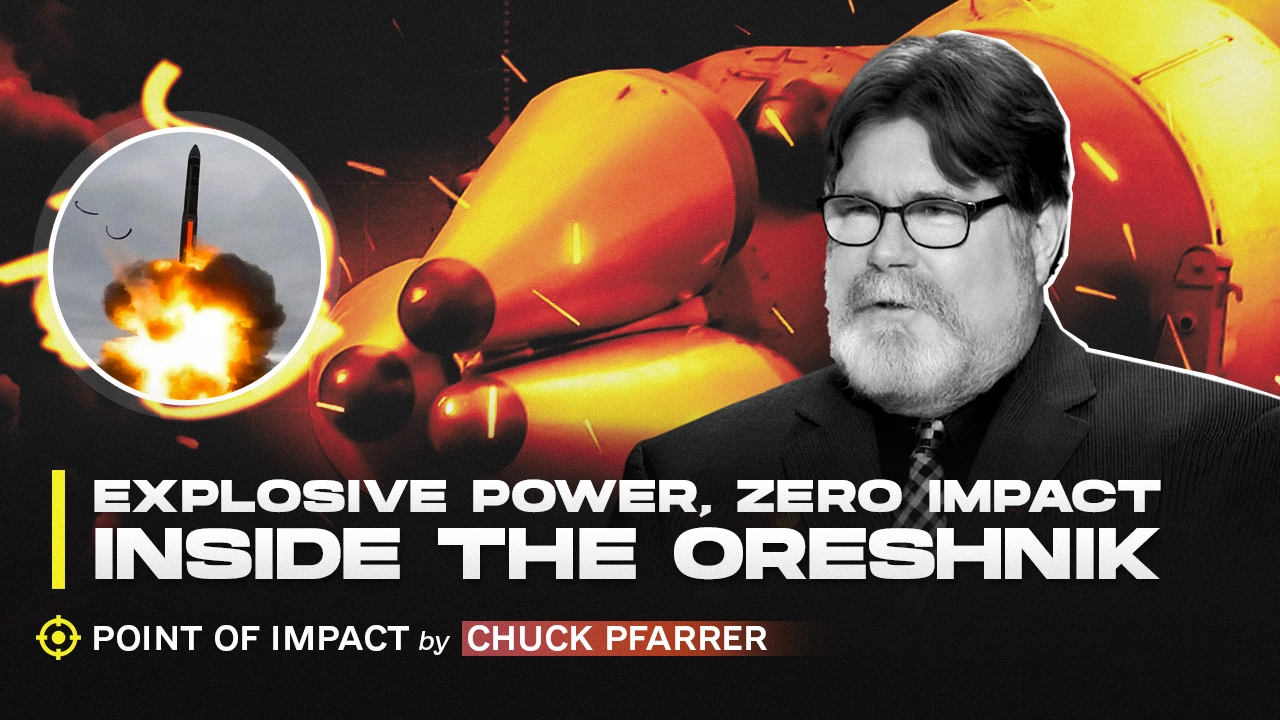
Russia’s Orreshnik missile, billed as a hypersonic game-changer, is largely recycled tech with limited accuracy and high cost, serving more as propaganda than threat.

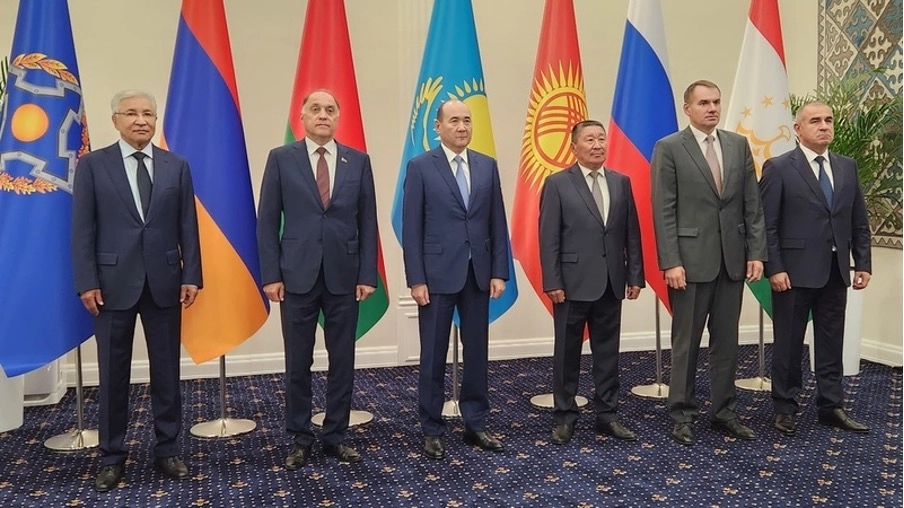
Alexey Shevtsov told a meeting of the CSTO security council in Kyrgyzstan on Thursday that the war in Ukraine has proven Russian weapons were better than those supplied by the West.
Despite all evidence to the contrary, Alexey Shevtsov, the Deputy Secretary of Russia’s Security Council, told a meeting of security council secretaries from the Collective Security Treaty Organization (CSTO) in Kyrgyzstan that the war in Ukraine had shown Russian weapons outmatched their Western equivalents and offered to train their personnel on the experience and skills Moscow’s forces had learned during its “special military operation.”
Shevtsov said: “It is important within the framework of the CSTO that we develop our military-technical cooperation. The advantages of Russian arms over Western analogues have been confirmed by the special military operation. Decisions on equipping our armed forces must be made objectively on the basis of military considerations.”

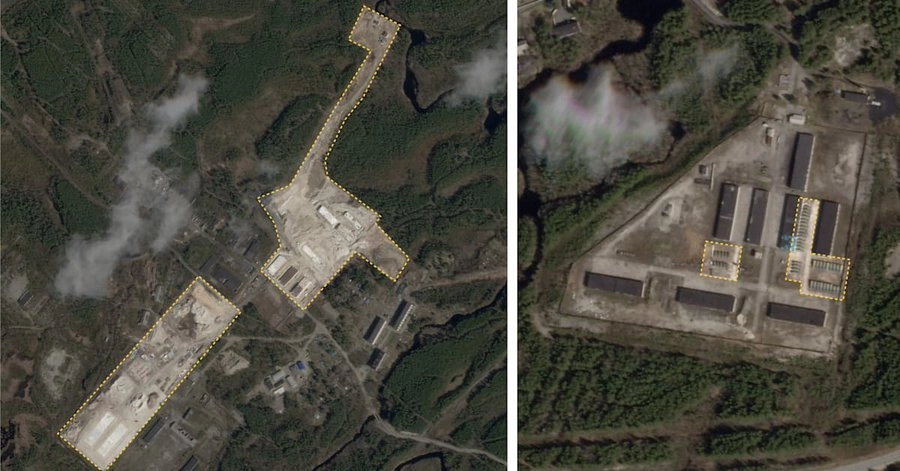
According to military experts, the move indicates Moscow aims to strengthen its military presence along the Finnish border, intensifying pressure on NATO’s eastern flank.
Russia is constructing a new military garrison in the northwestern town of Kandalaksha, near the Finnish border, satellite imagery has shown.
According to military experts, the move indicates Moscow aims to strengthen its military presence along the Finnish border, intensifying pressure on NATO’s eastern flank.

Despite having already imposed more than 1,400 sanctions on Russia in response to the full-scale invasion of Ukraine, this is the first target on its shadow fleet.
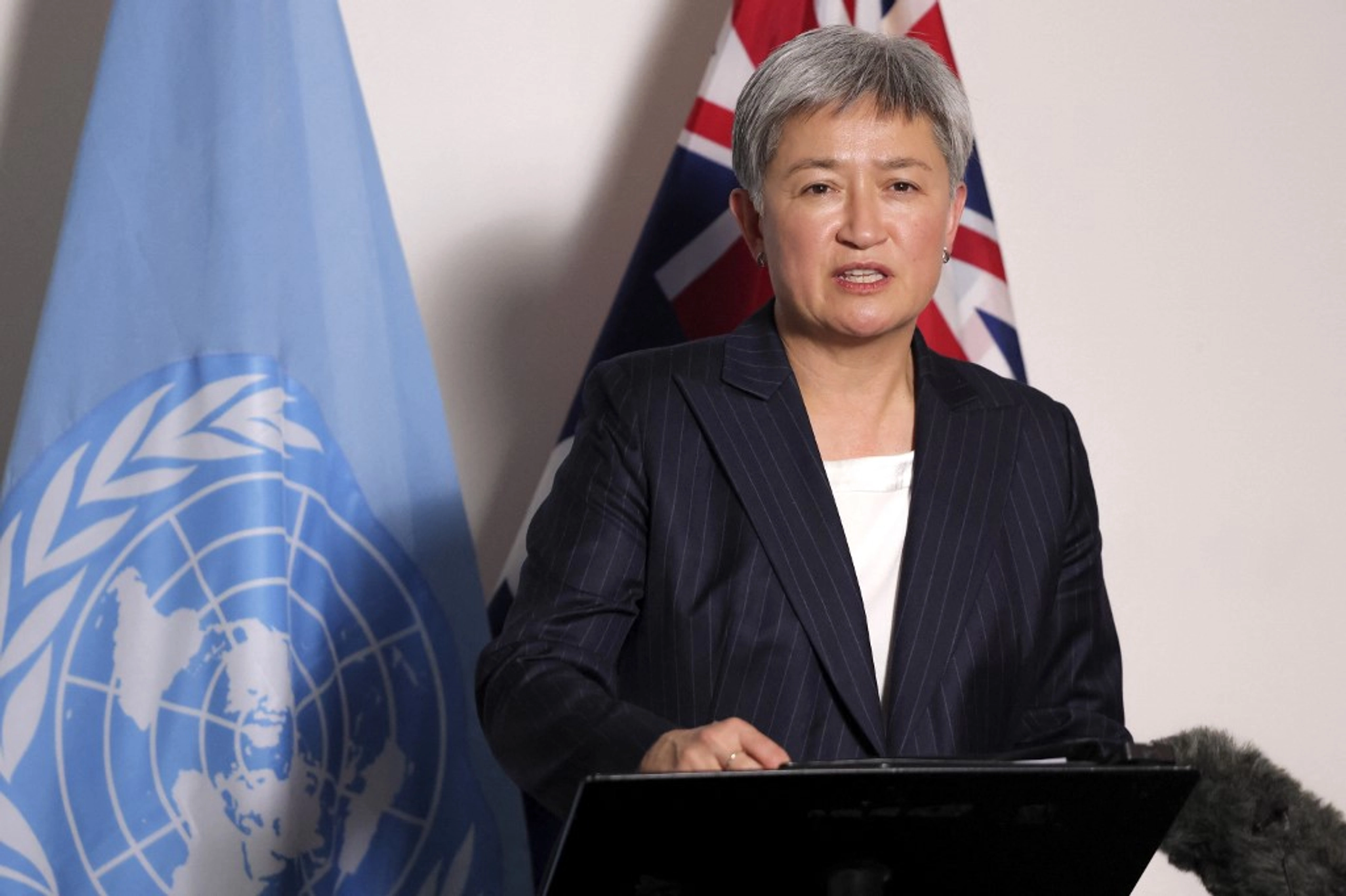
The Australian Government has imposed sanctions against the so-called Russia’s shadow fleet for the first time, targeting 60 vessels, Australian Minister for Foreign Affairs Penny Wong reported in a press release on June 18.
“Russia uses these vessels to circumvent international sanctions and sustain its illegal and immoral war against Ukraine,” the press release says.

Ukraine said most of the returning troops had been held in Russian captivity since the early months of the 2022 invasion.
Russia and Ukraine said Thursday, June 19, they had carried out a new exchange of captured soldiers. The fresh round of swap follows a second round of direct talks between Russia and Ukraine held June 2 in Istanbul.
At the meeting, both sides agreed to exchange all wounded soldiers and those aged under 25 – more than 1,000 people on each side. Moscow also promised to return the bodies of 6,000 Ukrainian soldiers killed in the war.
The meeting comes as EU countries call for de-escalation in the face of Israel’s bombing campaign against Iran’s nuclear programme – and as Trump weighs whether to join the strikes against Tehran.
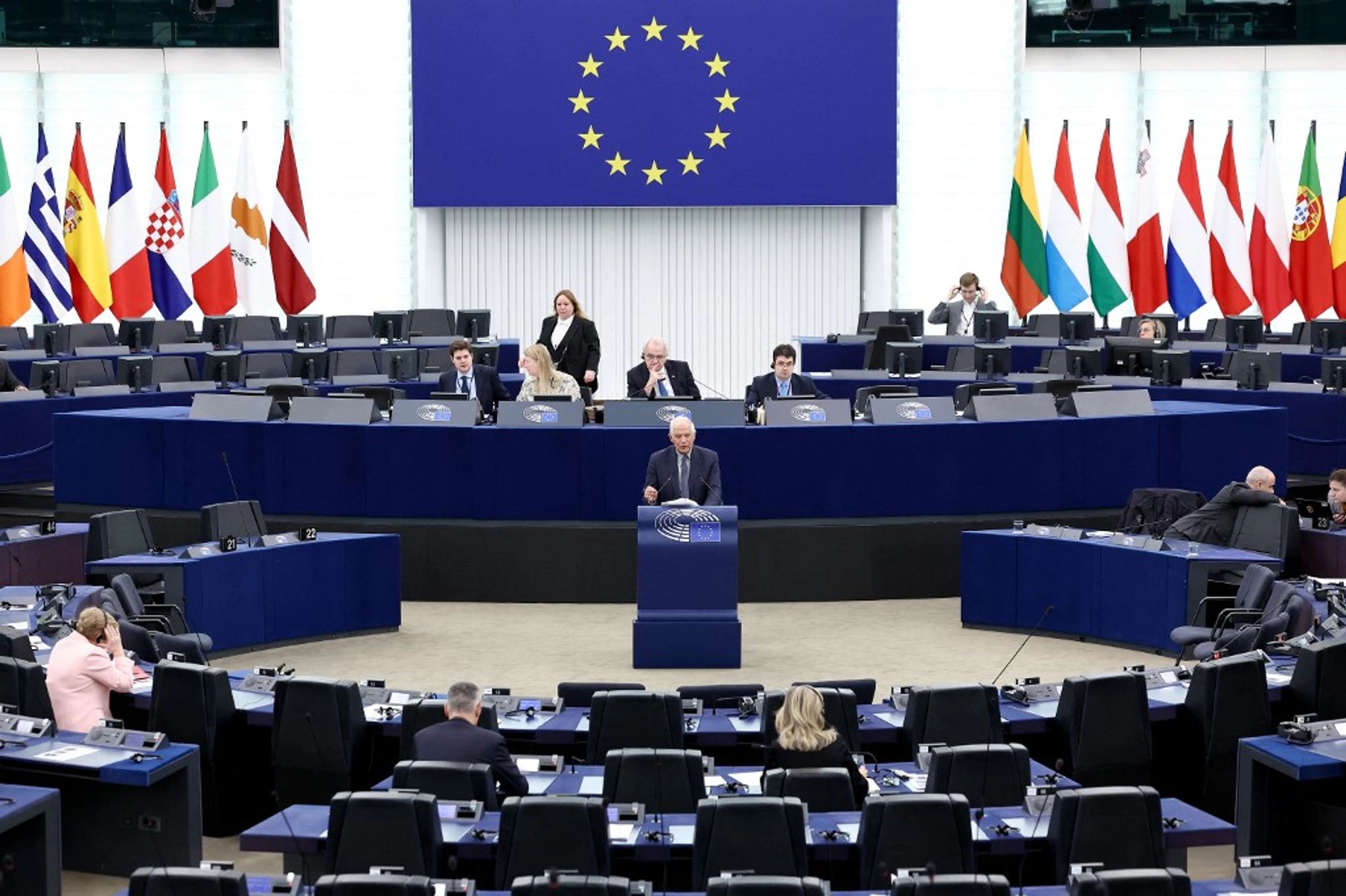
Foreign ministers from Britain, France and Germany together with the EU’s top diplomat will hold nuclear talks with their Iranian counterpart in Geneva Friday, officials and diplomats said.
The meeting comes as European countries call for de-escalation in the face of Israel’s bombing campaign against Iran’s nuclear programme -- and as US President Donald Trump weighs whether to join the strikes against Tehran.
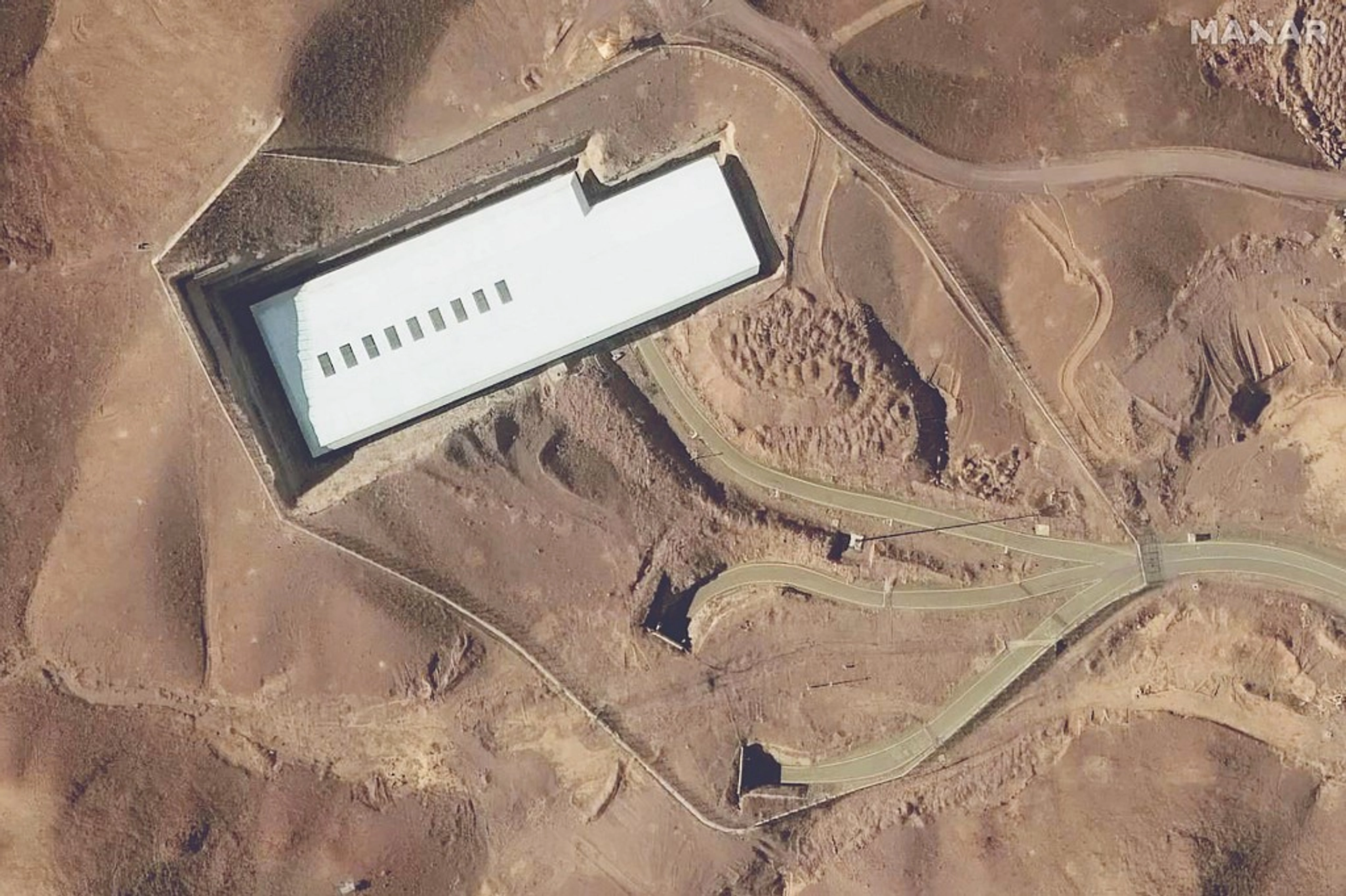
A likely target is Iran’s uranium enrichment plant at Fordow. Military experts say it is heavily protected and can only be hit by the most powerful bombs.
The United States is reportedly preparing the necessary steps for a possible military strike on Iran in the coming days.
Recently, US President Donald Trump publicly talked about the possibility of a strike. This comes after nearly a week of conflict between Iran and Israel.
The assets, mostly held in Belgium and blocked since 2022 following Russia’s invasion of Ukraine, currently sit in safe, low-yield investments.
The European Union is thinking about moving about €200 billion ($229 billion) worth of frozen Russian money into a new fund that would take more financial risks but could earn more money. The extra earnings would go to help Ukraine as it continues to fight against Russia.
The Russian money was frozen by the EU in 2022 after Russia invaded Ukraine. Right now, the money is sitting safely in Belgium, earning only small profits.
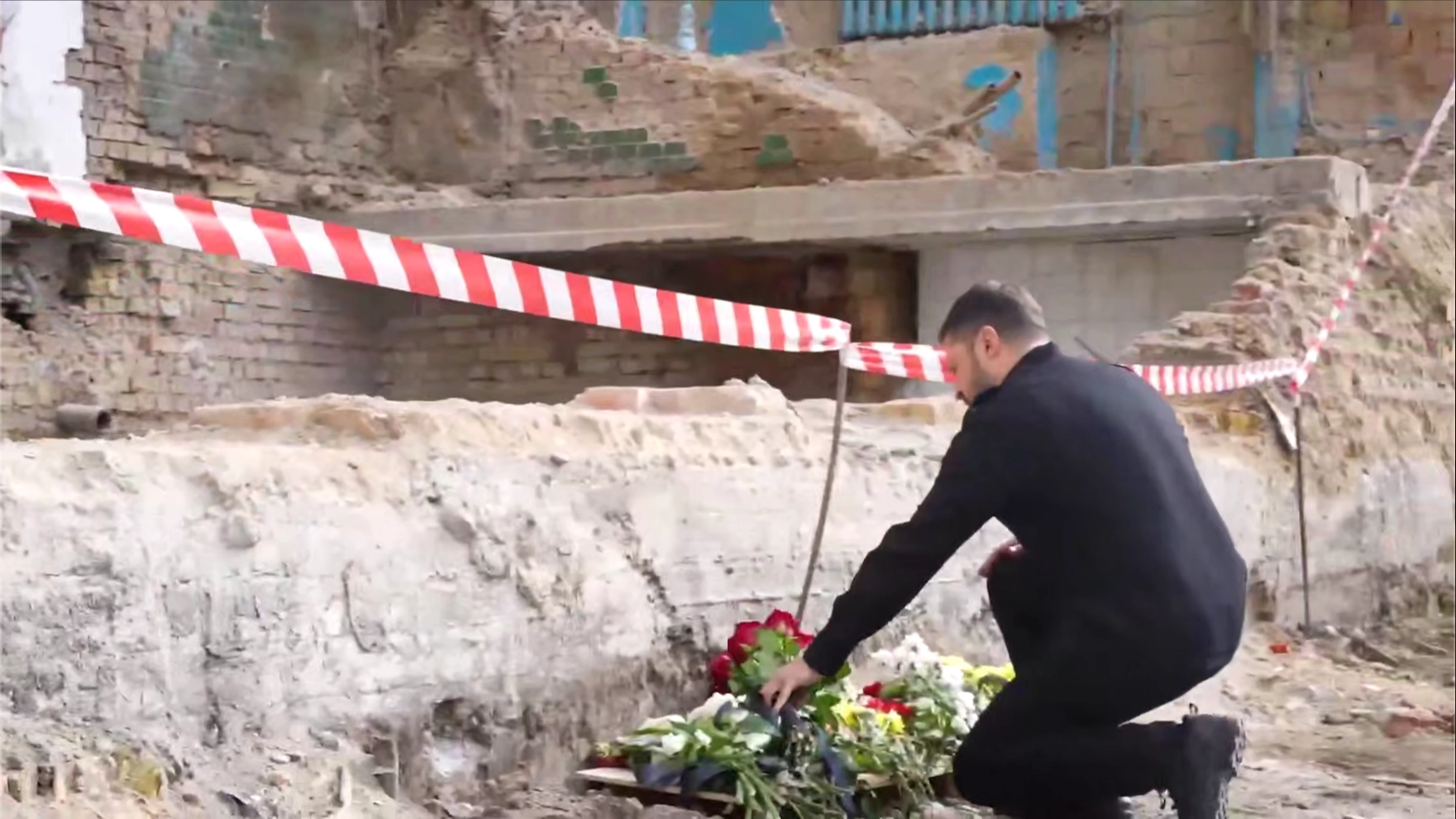
Zelensky visited the site of the deadly June 17 missile strike in Kyiv’s Solomyanskyi district, commemorating the victims and urging continued pressure on Moscow.
President Volodymyr Zelensky visited the site of a Russian missile strike in Kyiv’s Solomyanskyi district after returning from Canada, paying tribute to the victims of the June 17 attack.
According to the President’s Office, Zelensky laid flowers at the destroyed entrance of the residential building, where 23 residents were killed.
Ukraine said Russia has refused a US-backed ceasefire proposal for over 100 days, insisting on ultimatums as fighting and diplomatic efforts continue.
Ukraine said on Thursday that Russia has for more than three months been refusing a US and Ukrainian proposal to halt some three years of fighting without any preconditions.
The inauguration of US leader Donald Trump earlier this year has spurred a flurry of meetings between US, Russian, and Ukrainian officials with the aim of halting Moscow’s invasion, without success.
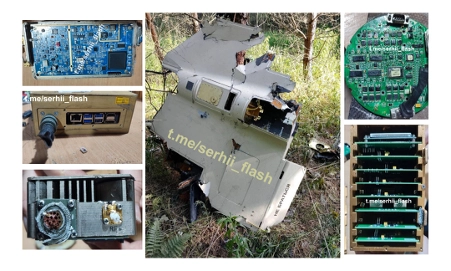
Shaheds equipped with cameras have been encountered before but these were used for terrain-matching navigation. This latest version includes a direct radio control system
Russia is resorting to sending attack drone swarms, using as many as 300 at a time, in an attempt to swamp Ukraine’s diminishing air defense assets and as a cost-effective alternative to hugely expensive ballistic and cruise missiles, according to the military issues Defense Express website.
However, as well as sending huge numbers of unmanned aerial vehicles (UAV) there is growing evidence of Russian technological enhancements to its drones, including the use of larger warheads and even jet engines. The latest innovation is what can only be called a first-person view (FPV) version.
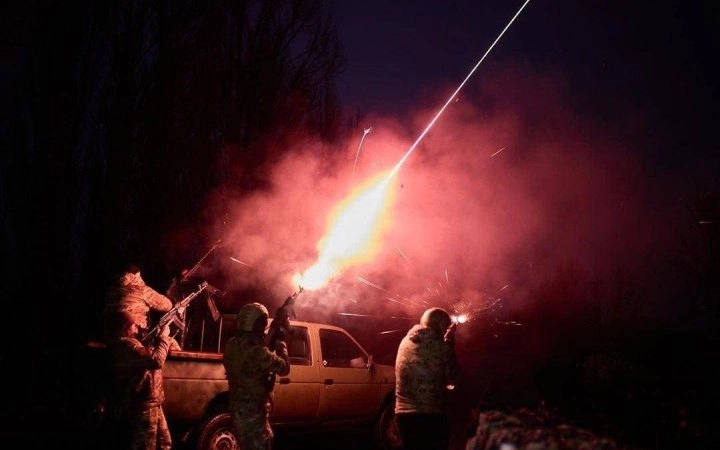
Ukrainian air defenses neutralized 88, but several targets were hit across the country.
Russian forces launched more than 100 unmanned aerial vehicles (UAVs) in a massive drone assault against Ukraine early in the morning of June 19, the Ukrainian Air Force reported.
According to the statement shared on Telegram, a total of 104 Shahed-type attack drones and decoy drones were launched from five directions.
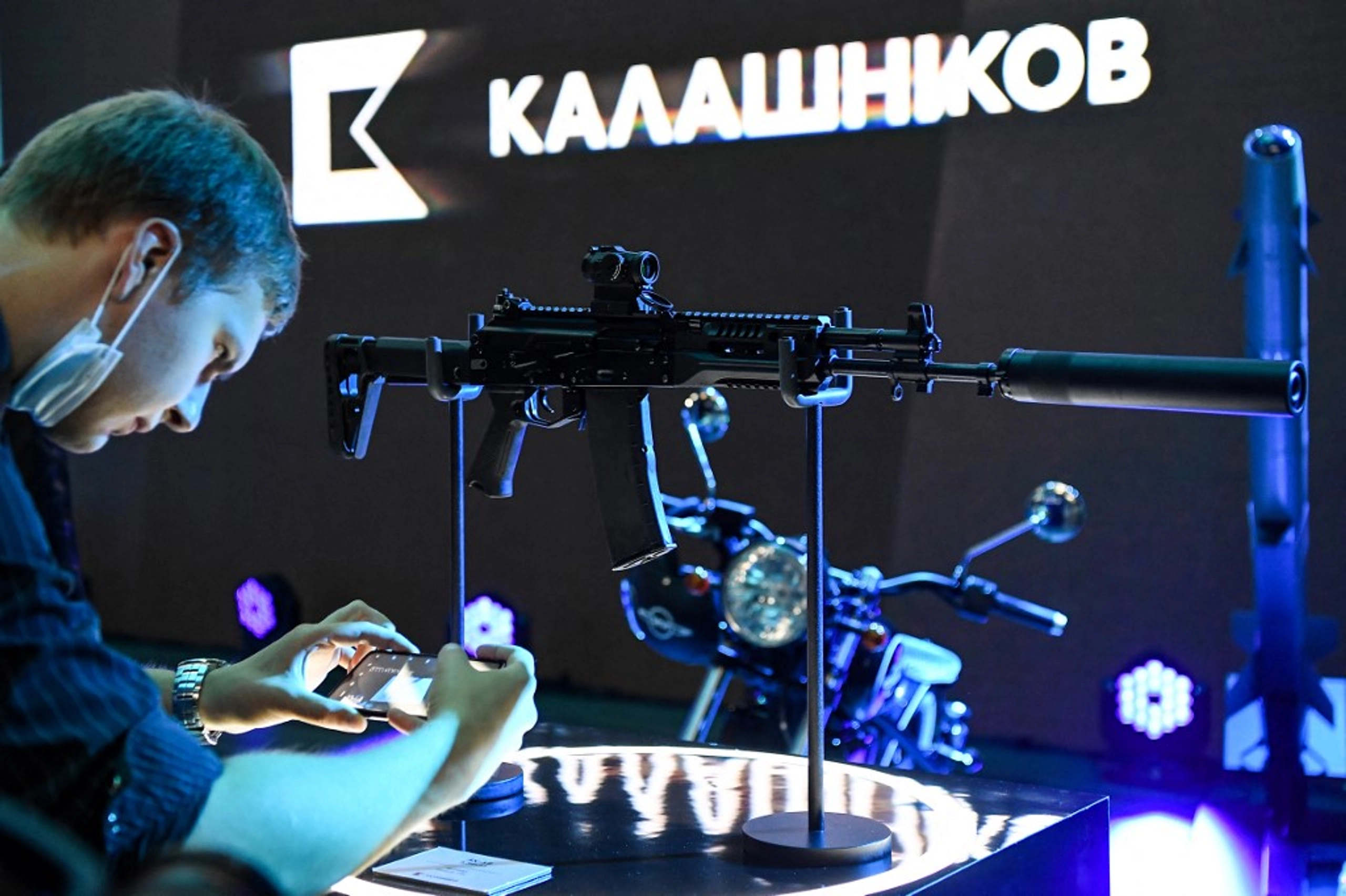
Russia’s Kalashnikov arms producer is recruiting schoolchildren for summer jobs in weapons factories as part of wider efforts to militarize youth and undermine Ukrainian sovereignty, Kyiv says.
The Kalashnikov Concern, Russia’s largest weapons manufacturer, is actively recruiting schoolchildren aged 16 and older for “summer work,” according to Ukraine’s Center for Countering Disinformation.
In a Telegram post, the Center reported that the Kalashnikov arms producer is offering teenagers summer jobs with starting monthly salaries of 25,000 rubles (about $300). The positions include training for roles such as milling machine operators, locksmiths, and foundry workers.

Ukrainian soldiers show their partners, in particular from Australia and Finland, how new technologies are “changing the course of war”.
During exercises within the framework of Operation Interflex, Ukrainian military shared experience in using FPV drones in combat.
This was reported on Facebook by the General Staff of Ukraine’s Armed Forces, as seen by Ukrinform.
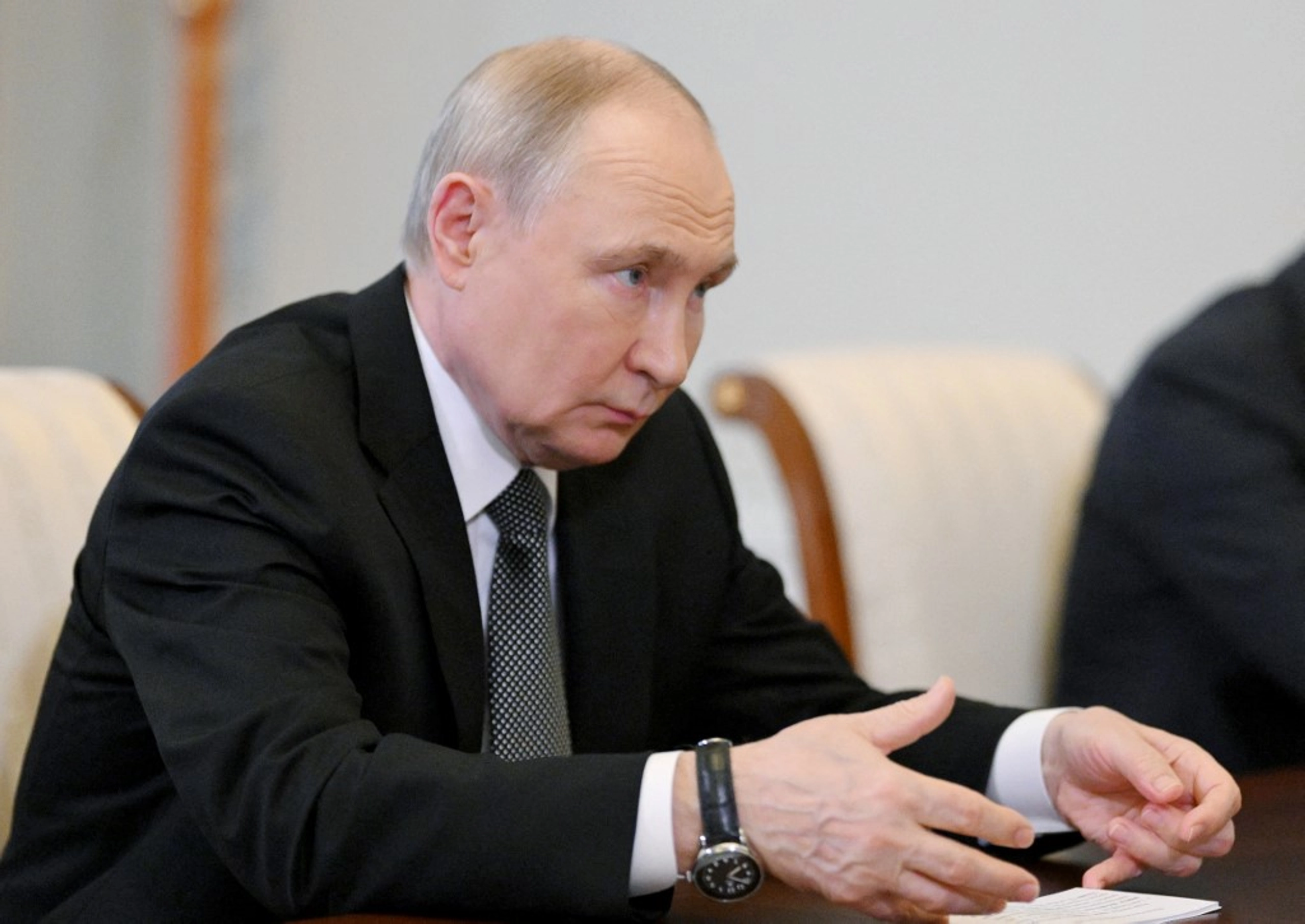
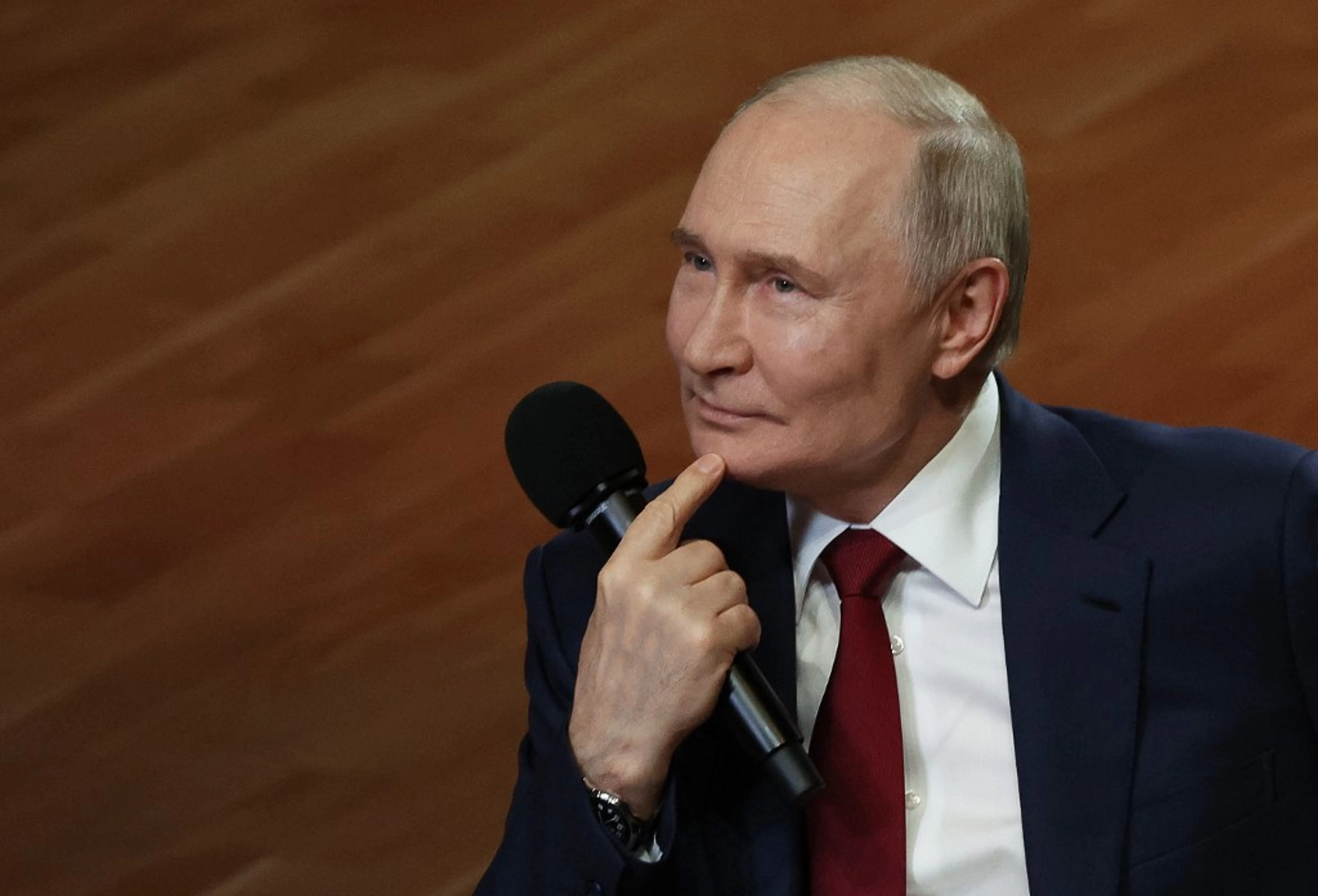
Putin says he’s ready to meet with Zelensky but questions his legitimacy, denies targeting civilians in Kyiv, while warning Ukraine not to delay talks.
Russian leader Vladimir Putin claimed he was ready to meet with Ukrainian President Volodymyr Zelensky. Still, the Russian autocrat questioned the Ukrainian president’s legitimacy, calling into doubt who would have the right to sign any potential agreements.
Speaking at the St. Petersburg International Economic Forum, Putin said:
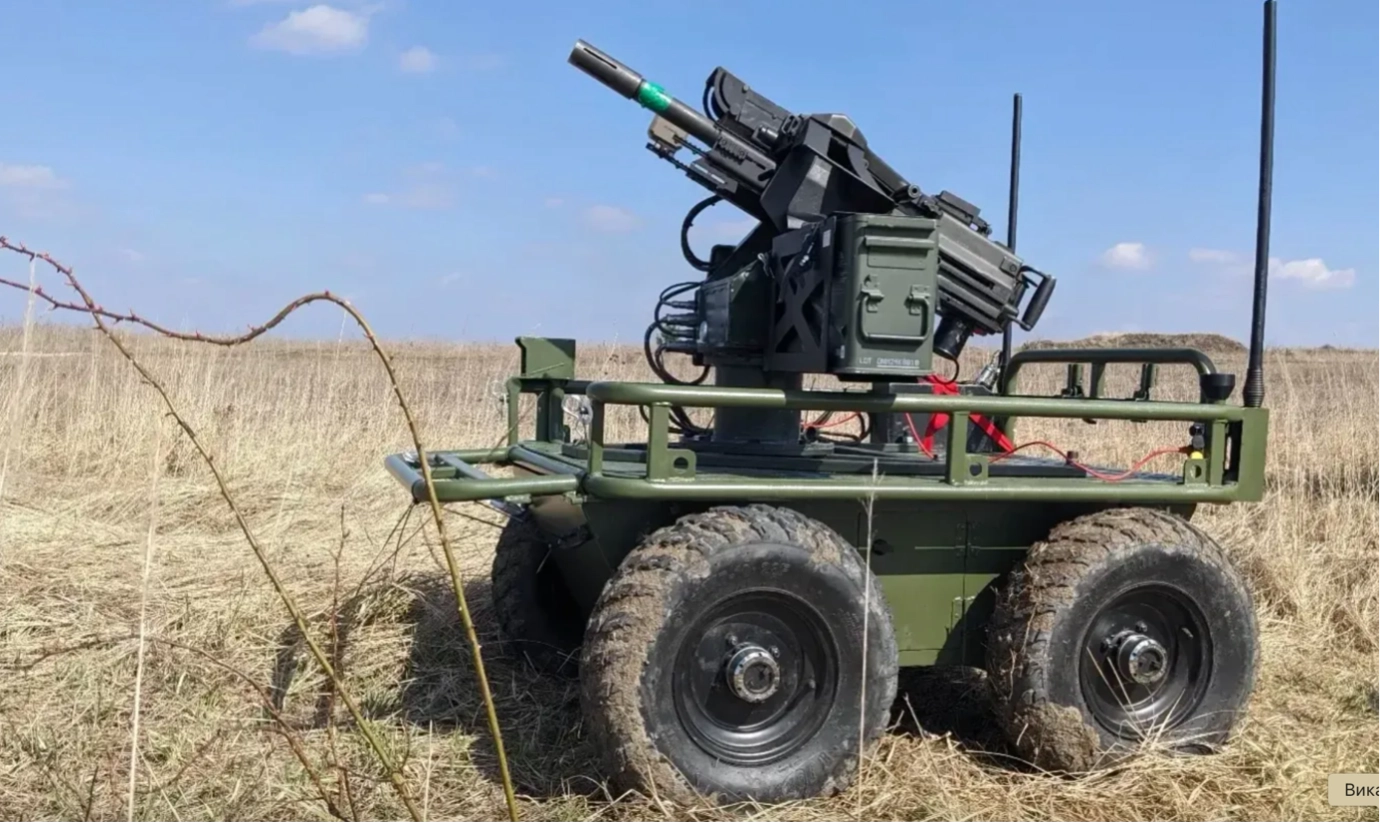
Ukraine’s Defense Ministry has approved a new grenade launcher combat module and deployed the Volynyaka bomber/logistics drone, expanding AFU precision strike and frontline resupply capabilities.
Ukraine’s Ministry of Defense has officially approved the use of the Shablya Mk19(M) – a new remote-controlled combat module designed for Ukraine’s Armed Forces (AFU) – following closely behind recent approval of the Ukrainian-made Volynyaka unmanned aviation system – a dual-use precision bomber and logistical delivery drone.
According to the ministry’s announcement, the Shablya Mk19(M) is now codified and cleared for active employment in Ukraine’s military. The system is built to automatically fire 40 mm grenades and its launchers can be integrated into both ground-based robotic platforms and vehicles.

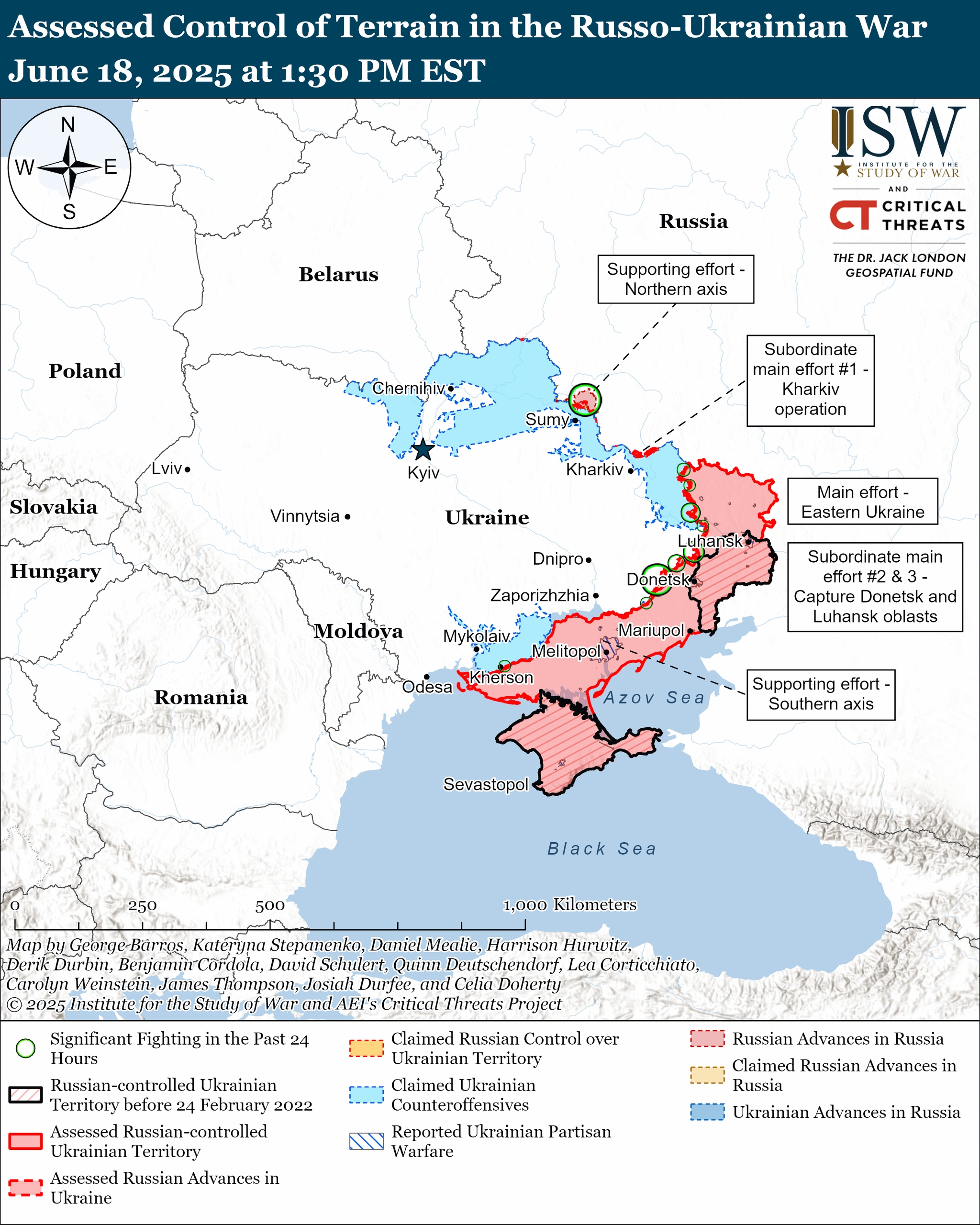
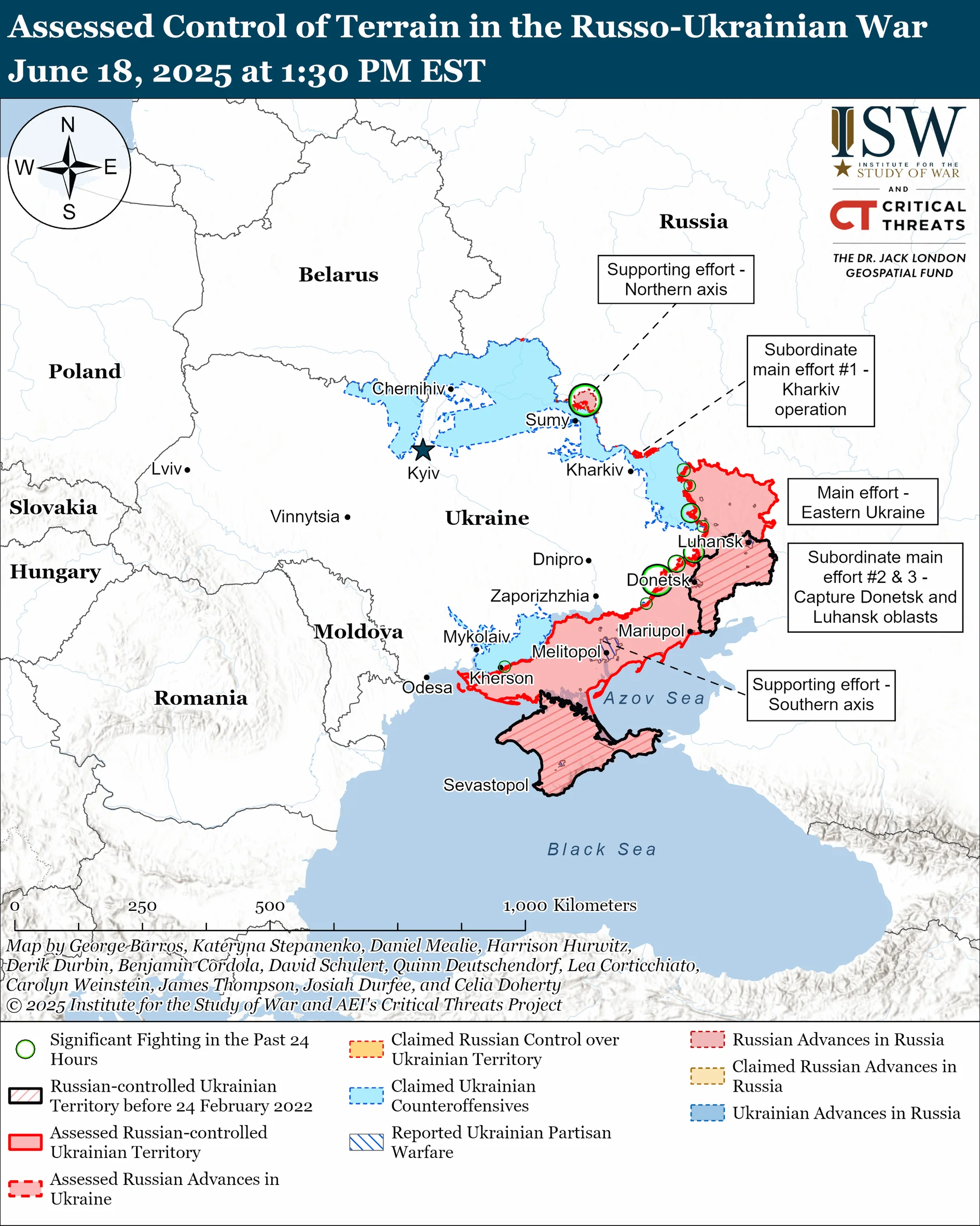
Latest from the Institute for the Study of War.
Key Takeaways from the ISW:
The Kremlin strongman said he was ready to meet with the Ukrainian president, but only during a “final phase” of negotiations on ending the three-year conflict.
Russian leader Vladimir Putin said Thursday that NATO’s push to ramp up defense spending was not a “threat” to Russia, days before the alliance was set to sign-off on a plan to boost its military capacity across Europe.
In a late-night press conference, the autocrat also said his troops would not stop pushing forward in Ukraine and sought to undermine Ukrainian President Volodymyr Zelensky.

“I don’t care what she said,” US President says of his Director of National Intelligence’s warnings against attacking Iran, in the latest rift between Team Trump and isolationists in his party.
Tucker Carlson, the right-wing media commentator who warned US President Donald Trump in his first term against a US strike on Iran, last week called Trump’s fears of Tehran building a nuclear bomb overblown. He insisted, and insists, that neither Iran nor Ukraine warrants US military resources.
At that time, Carlson described a divide in Trump’s orbit between “those who casually encourage violence, and those who seek to prevent it – between warmongers and peacemakers.” On Wednesday, the conservative commentator took a swipe at another hawkish Republican, humiliating Sen. Ted Cruz (R-TX) on his program for not knowing basic facts about Iran even as he pushes for US attacks on Tehran.
Although Russia’s Arctic scientific institute formally carries out “scientific missions,” Cherniak noted that it actually functions as part of Moscow’s resource-military project.
The Kremlin is expanding its military presence in the Arctic and preparing a foothold for resource-driven expansion, according to Andrii Cherniak, a representative of the Main Intelligence Directorate (HUR) of Ukraine’s Ministry of Defense.
Amid global warming and the opening of new strategic opportunities in the Arctic — particularly mineral deposits and the Northern Sea Route — Russia is stepping up its activity in the region. The aggressor state is attempting to establish a lasting economic and military-technical presence under the guise of “scientific research.”