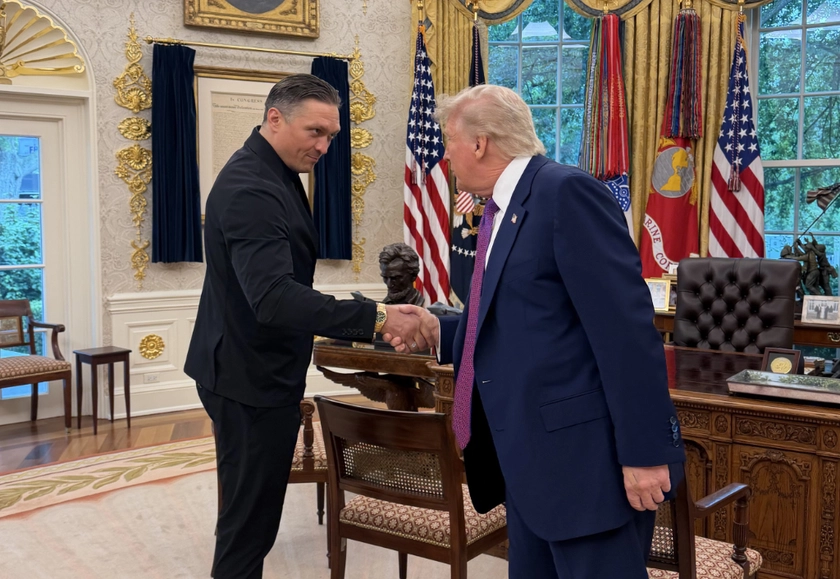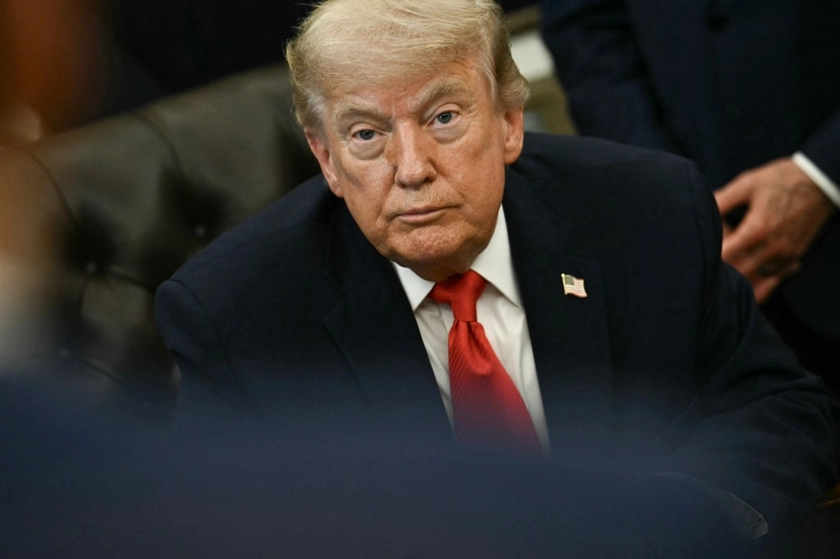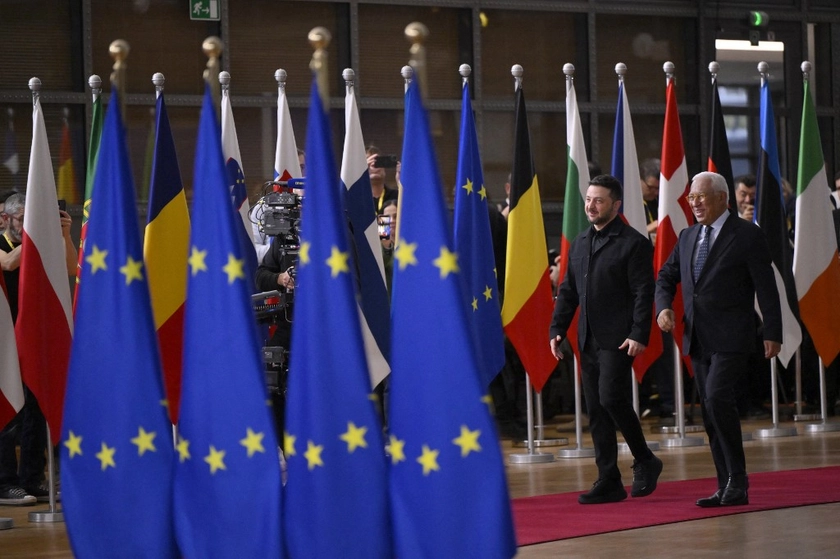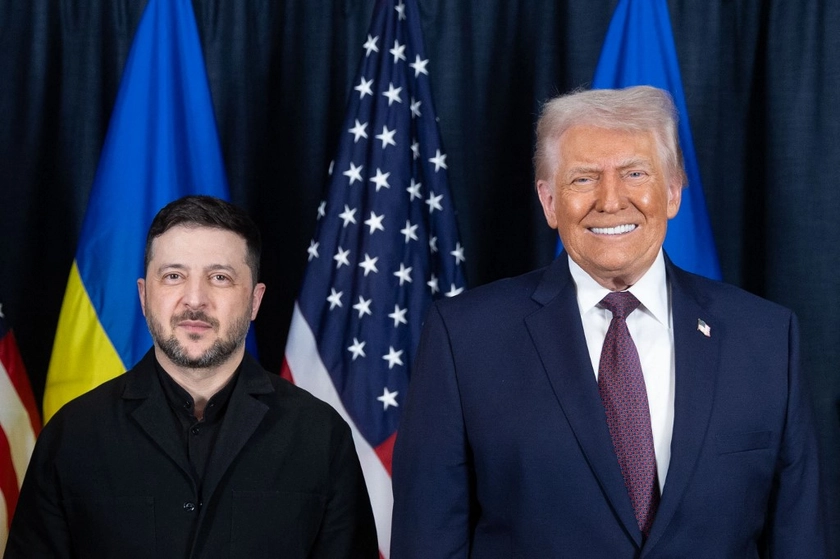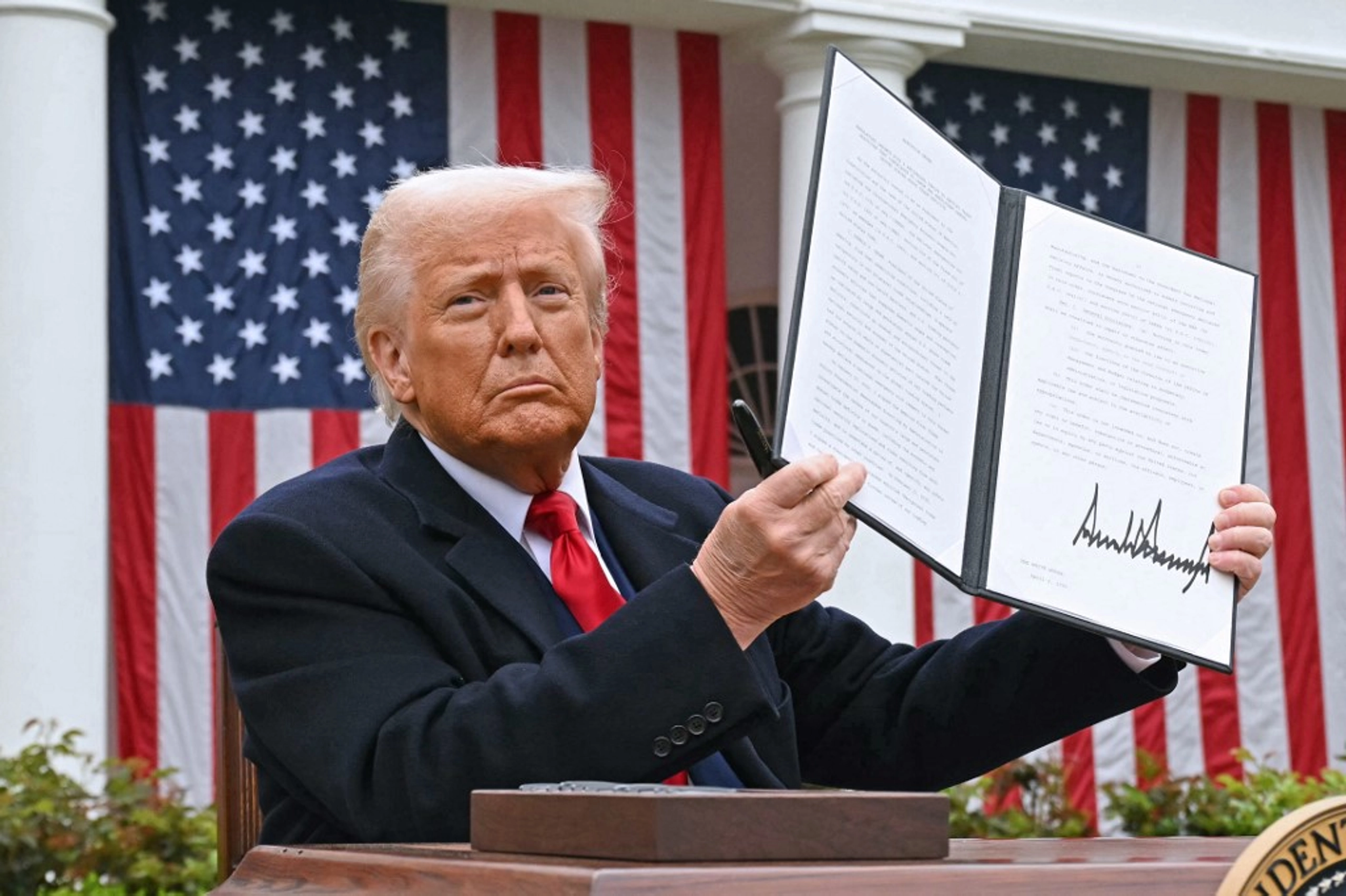
Russia was absent from Trump’s list of countries facing new tariffs, yet Ukraine - an ally fighting for survival - was slapped with a 10% levy, according to a White House fact sheet. Reuters reports that Trump is frustrated with Ukrainian President Volodymyr Zelensky for allegedly delaying a mineral resources deal.
The pattern of Trump’s sanctions is revealing. This appears to be economic blackmail, pressuring Zelensky to accept a lopsided deal - one that many argue would reduce Ukraine to an economic colony - after falsely accusing him of stalling negotiations.
JOIN US ON TELEGRAM
Follow our coverage of the war on the @Kyivpost_official.
How should Kyiv respond, given its trade deficit with Washington? Retaliatory tariffs on US cars, chemicals, and plastics would be a logical start.
A consumer boycott of US brands, as seen in Canada, could send a strong signal - skip Coke and Pepsi in favor of healthier Ukrainian alternatives. McDonald’s, which made $21 million in profits in Ukraine in early 2024, could also feel the pressure.
Canadian provinces have gone further, blacklisting US firms from consulting contracts. Kyiv should follow suit, reinforcing that Ukraine is open for business - but not at any cost.
The American Chamber of Commerce in Ukraine should protest this unjust tariff hike.
In 2024, US goods exports to Ukraine totaled $1.7 billion, while imports stood at $1.2 billion - giving the U.S. a $497 million trade surplus. Slapping Ukraine with tariffs amid an existential war is indefensible.
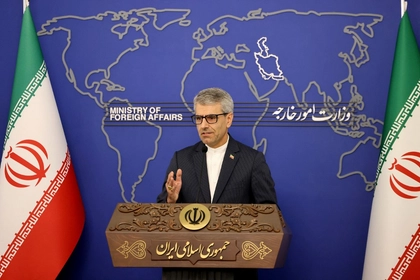
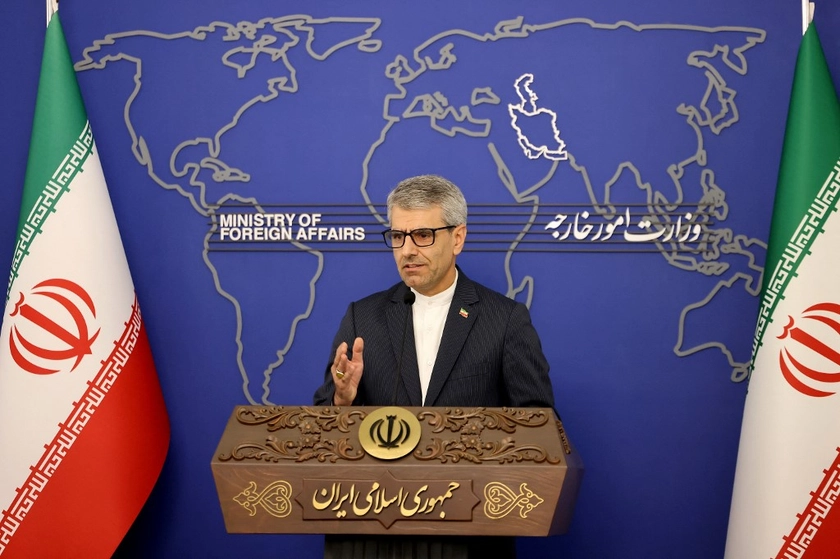
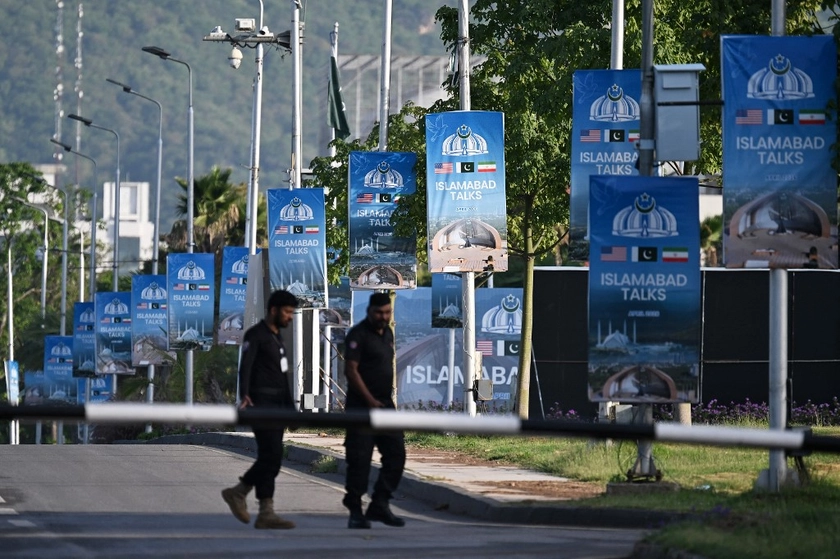
Iran Rejects Trump’s Sunday Peace Treaty Timeline
Michael Bociurkiw is a global affairs analyst and senior fellow at the Atlantic Council’s Eurasia Center. He writes these comments from Bangkok, Thailand.
The views expressed in this opinion article are the author’s and not necessarily those of Kyiv Post.
You can also highlight the text and press Ctrl + Enter