Russia has threatened to “resolve the issue militarily” until Ukrainian President Volodymyr Zelensky “comes to his senses” and agrees to what Moscow calls “realistic terms” for negotiations.
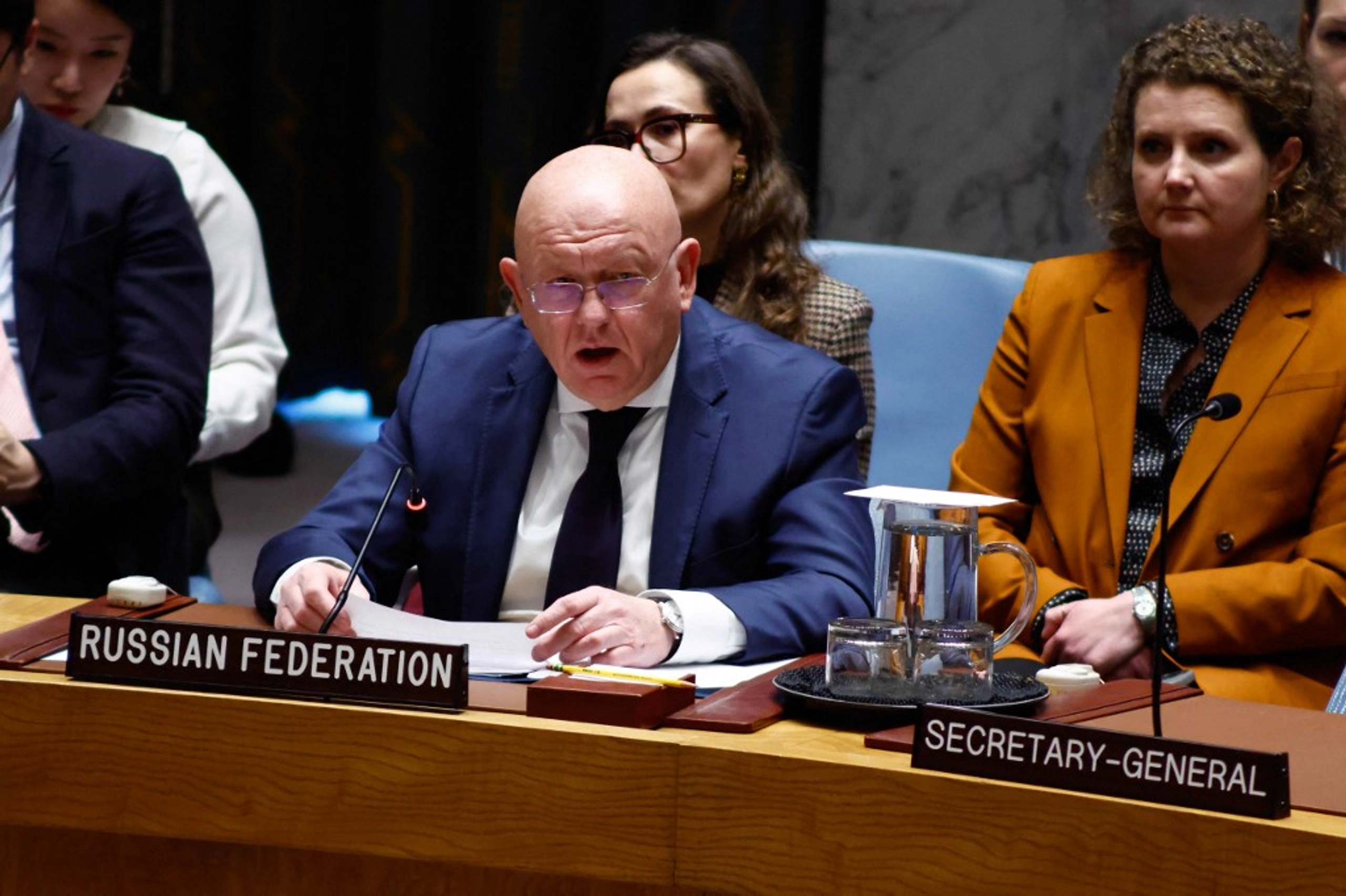
The warning was issued by Russia’s Permanent Representative to the UN, Vasily Nebenzya, during a UN Security Council meeting on Ukraine on Monday, Jan. 12.
JOIN US ON TELEGRAM
Follow our coverage of the war on the @Kyivpost_official.
The session was convened after Russia’s use of an Oreshnik missile against Ukraine’s Lviv region.
Despite overwhelming evidence to the contrary, speaking at the meeting, Nebenzya claimed that Russia does not target civilians, instead accusing Ukraine of attacking civilian targets and Western countries of ignoring these alleged Ukrainian strikes on Russian territory.
Nebenzya warned that conditions for Kyiv would “worsen every day,” adding that each Ukrainian attack would be met with a “harsh response.”
He also accused Zelensky of effectively blocking US-backed peace initiatives by putting forward what he described as “unrealistic conditions” for negotiations.
Commenting on discussions about deploying peacekeepers as part of security guarantees for Ukraine, Nebenzya said such measures would not help Kyiv, arguing that the advance of NATO forces toward Ukraine’s borders would not change the situation.
The Russian diplomat also denied reports of Ukrainian civilian casualties caused by Russian strikes, asserting that most deaths were the result of Ukrainian air defense activity and insisting that Russian forces do not strike civilian targets.
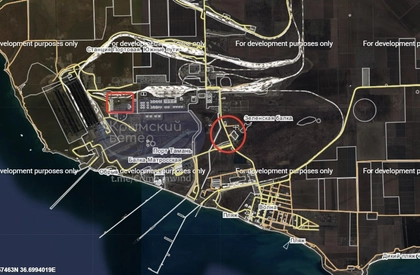
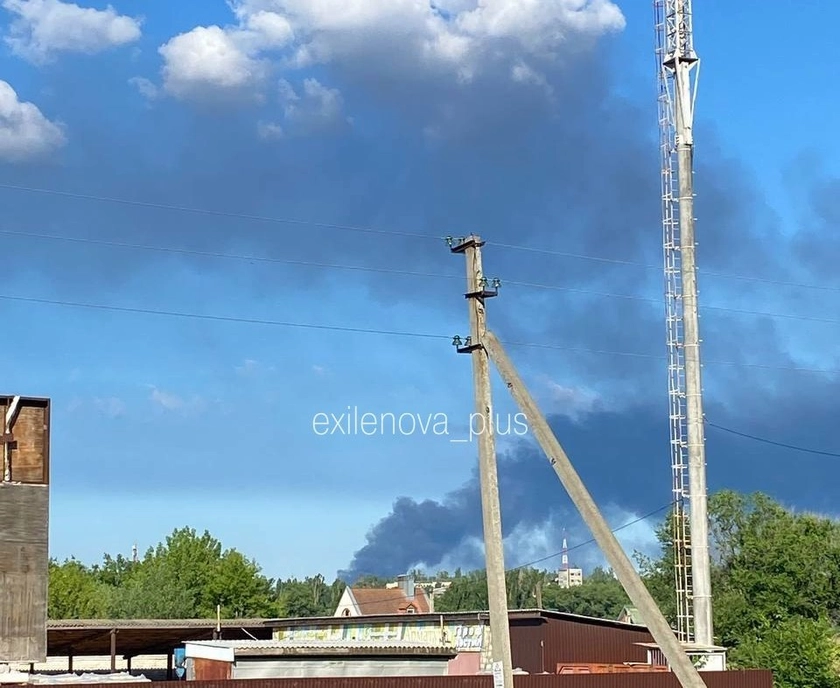
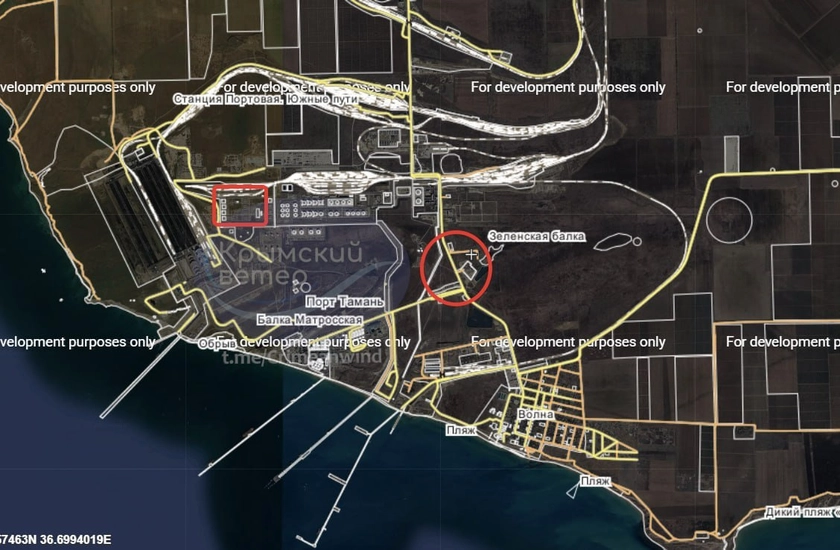
SBU, HUR, and SSO Joint Drone Strike Cripples Tamanneftegas Terminal
In reality, Russia has razed or nearly destroyed over a dozen Ukrainian cities and towns, causing what’s estimated to be tens of thousands of civilian deaths. Additionally, in liberated areas, such as Izium and Bucha, Ukrainians have uncovered mass graves in the wake of Russian occupation. The Russians have also been accused of “human safaris” – that is, deliberately aiming kamikaze drones at civilians in Kherson, Nikopol, Mykolaiv, and, increasingly, in the Kharkiv region.
Nebenzya further responded to recent statements by European Commission officials suggesting possible future dialogue with Russian autocrat Vladimir Putin, claiming Moscow had never rejected negotiations but that the West had wrongly counted on Russia’s strategic defeat.
“Until the leader in Kyiv comes to his senses and agrees to realistic negotiating terms, we will continue to resolve the issue militarily,” Nebenzya said, adding that “with every day he wastes, the negotiating conditions will only worsen.”
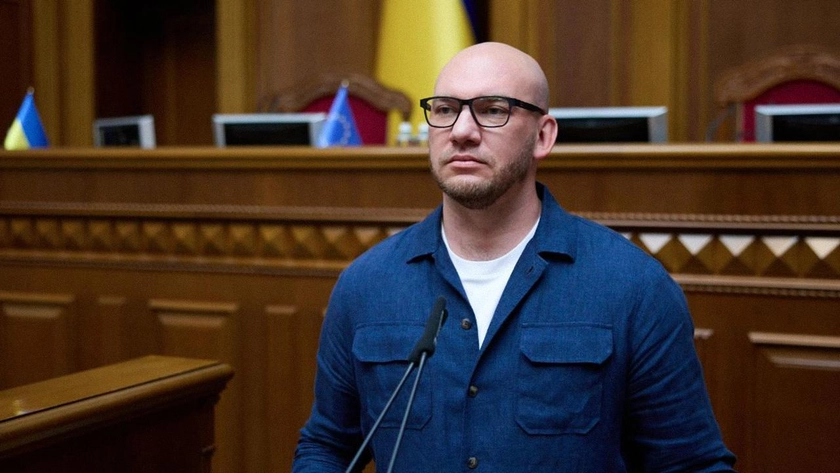
Ukraine’s Permanent Representative to the UN, Andriy Melnyk, countered that Russia’s continued large-scale attacks on Ukrainian cities demonstrate the Kremlin’s lack of interest in ending the war.
He described the strikes as a “deliberate political signal,” particularly directed at the United States.
At an emergency meeting of the UN Security Council on Monday, the US strongly criticized Russia’s use of an “Oreshnik” nuclear-capable ballistic missile in western Ukraine last week, calling it a dangerous escalation of the war.
Washington’s deputy ambassador said Russia was intensifying attacks on Ukraine’s energy system and civilian infrastructure, leaving hundreds of thousands without heat or electricity amid freezing temperatures.
She argued that deploying a nuclear-capable missile marked an unjustified and alarming step, even as the United States continues diplomatic efforts with Kyiv, allies, and Moscow to end the war through negotiations.
Russia’s Defense Ministry claimed the missile struck an aviation repair facility in the Lviv region. The Kremlin, meanwhile, asserted that the launch was retaliation for an alleged Ukrainian attempt to strike one of Vladimir Putin’s residences – a claim rejected by Kyiv and dismissed as false by US officials.
Britain’s acting ambassador described the strike as reckless, warning it heightened the risk of escalation and miscalculation with wider regional and global consequences.
Although the Oreshnik missile hit western Ukraine, the same night saw a broader Russian assault involving around 270 missiles and drones, primarily targeting Kyiv. The attacks killed at least four people, damaged the Qatari embassy, and left nearly 6,000 apartment buildings without power during sub-zero temperatures.
President Volodymyr Zelensky urged a firm international response, stressing that clear signals – especially from the US – were essential to deter further Russian escalation.
The Kremlin has promoted the Oreshnik missile as impossible to intercept, claiming it can reach speeds of up to Mach 10. Military analysts note that while the missile’s warheads travel at hypersonic speeds upon reentry, the system lacks the maneuverability typical of true hypersonic weapons.
Russia recently showcased the missile’s deployment in Belarus, a move widely seen as an attempt to intimidate Western governments.
You can also highlight the text and press Ctrl + Enter