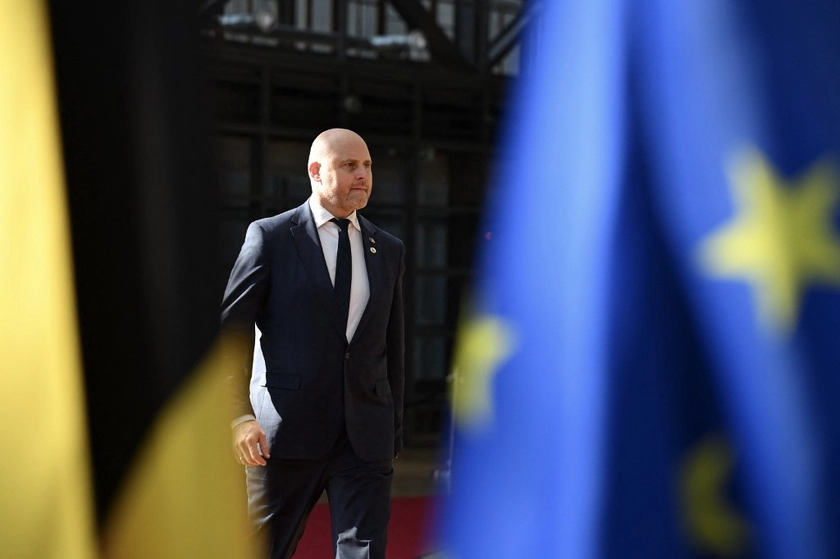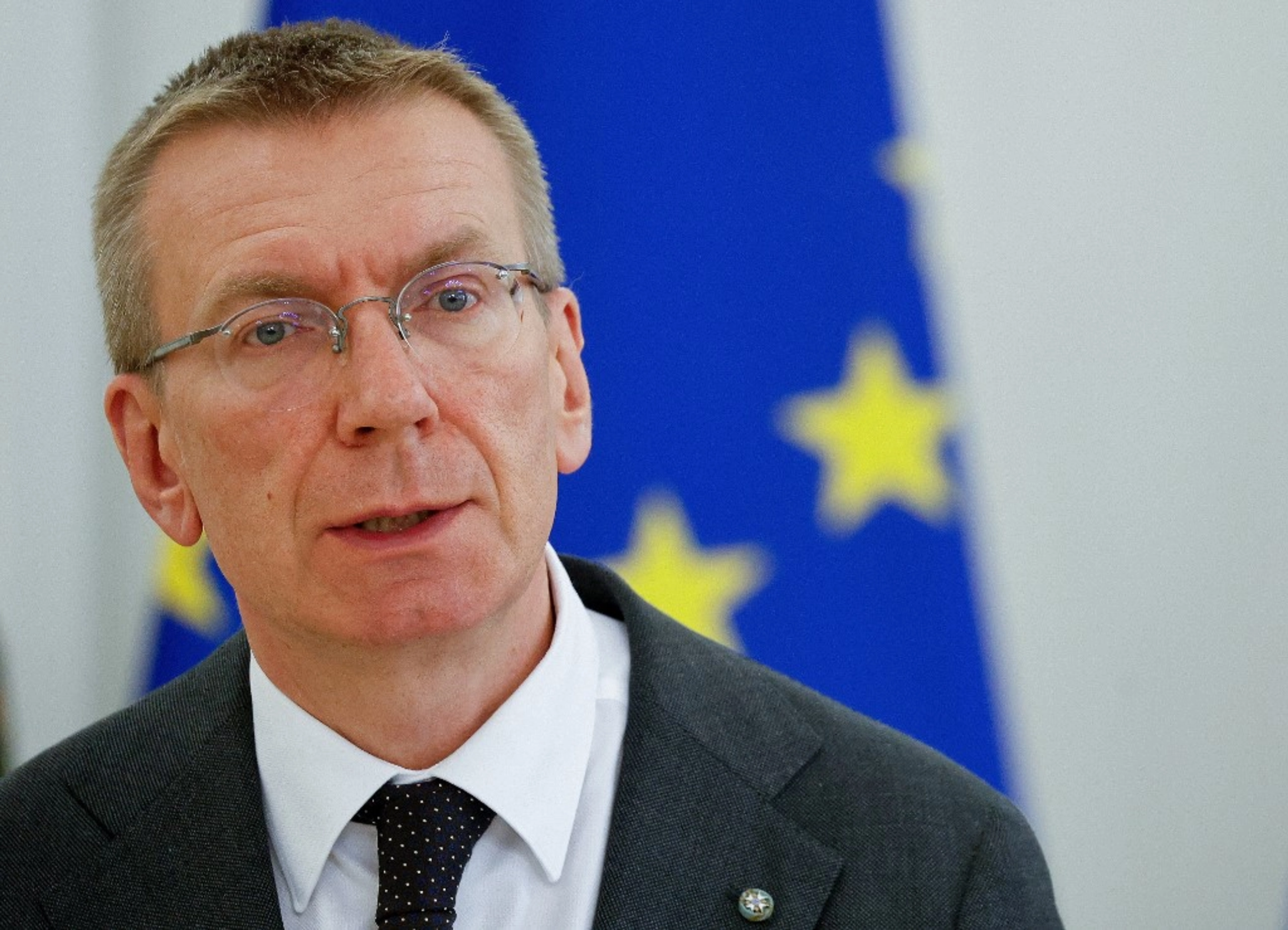
Latvian President Edgars Rinkēvičs has told TVP World that NATO must be ready for worst‑case scenarios as Russia remains dangerous and unpredictable, even as new diplomatic initiatives seek to revive talks on ending the war in Ukraine.
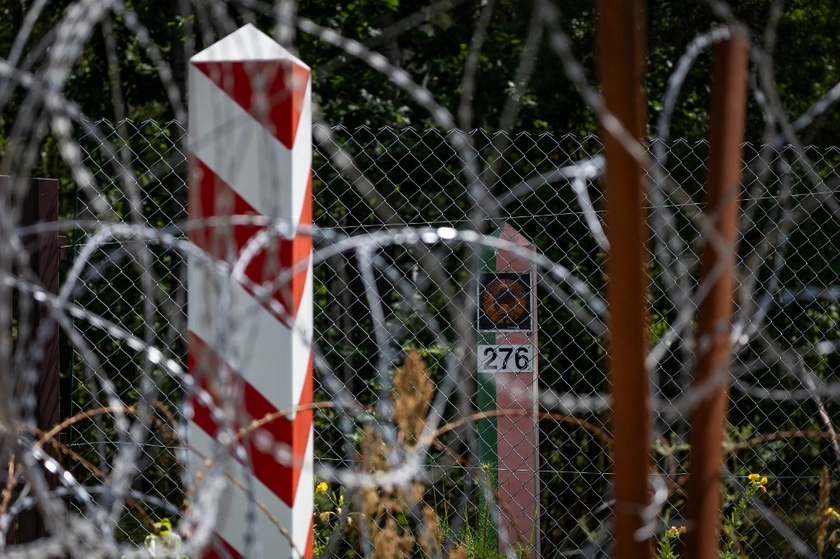
Speaking to TVP World’s “On the Record” program, he said that any Russian attack on Latvia, Lithuania or Estonia should not be seen as a threat to the Baltic region alone, but as an attack on NATO and the European Union as a whole.
JOIN US ON TELEGRAM
Follow our coverage of the war on the @Kyivpost_official.
“If there is an attack against the Baltic states, it’s an attack against NATO and Europe,” Rinkēvičs said, adding that such a scenario would inevitably involve Poland, Germany, the United Kingdom and every other NATO ally.
NATO’s eastern flank
He argued that Russia’s next move was hard to predict, noting that Moscow has failed to secure a decisive victory in Ukraine while facing mounting economic pressure and signs of domestic discontent, which makes military readiness essential. “The better we are going to be prepared, the less we are going to show that we are scared,” he said.
The president said Latvia is working closely with Ukraine on defense cooperation, including in areas such as drone and anti‑drone capabilities, and that he expects a separate Latvia–Ukraine defense agreement to be finalized soon.
He said that the United States remains “indispensable” for European security, but added that Europe must invest more in its own defense and deepen regional cooperation among the Nordic and Baltic states, Poland and Germany.
Germany, Netherlands to Take Command of NATO’s Eastern Flank in Estonia
Ukraine talks
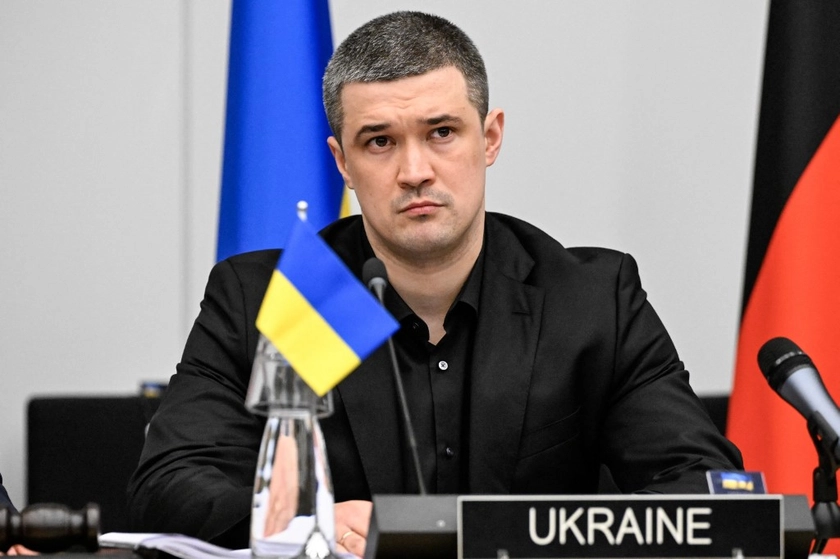
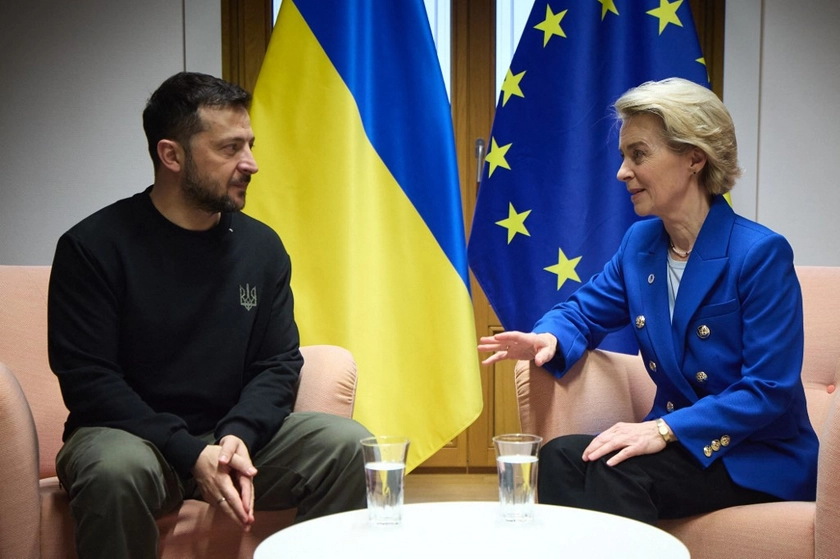
Turning to Ukraine, Rinkēvičs said President Volodymyr Zelenskyy’s recent open letter to Vladimir Putin, proposing renewed direct talks, offered a strong analysis of Russia’s position and set out Kyiv’s terms for a possible ceasefire.
But he cautioned against expecting an immediate breakthrough.
“At this point, my personal feeling is that we are not yet at the moment when Russia is ready to change its behavior significantly and sit down at the negotiating table,” he said, echoing his earlier remarks that meaningful talks are unlikely until Moscow feels it is losing the war.
Rinkēvičs argued that the Kremlin may have miscalculated by assuming it could bypass Kyiv and look for favorable terms elsewhere, and said Europe must continue to support Ukraine and maintain sanctions on Russia.
In his view, any attempt to sideline Ukraine in negotiations would fail.
You can also highlight the text and press Ctrl + Enter