Ukraine is discussing a new sanctions mechanism with the European Commission (EC) to discourage countries from exporting gasoline and other petroleum products to Russia.
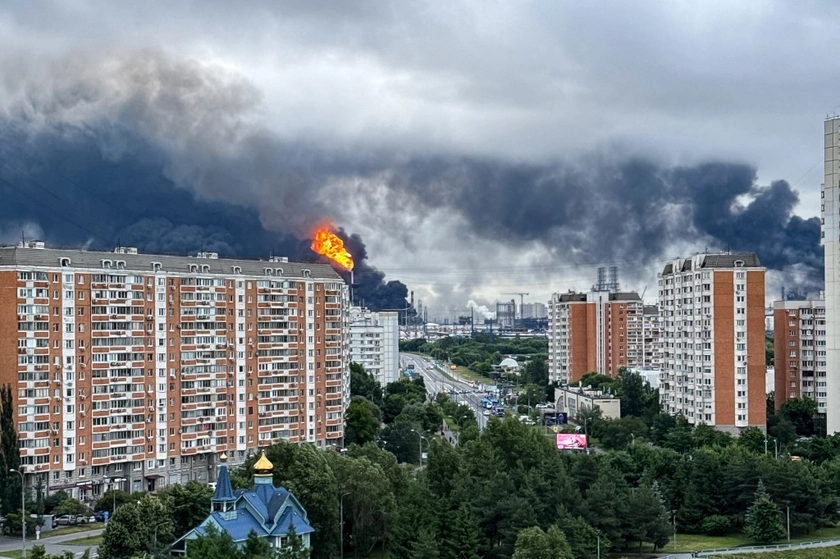
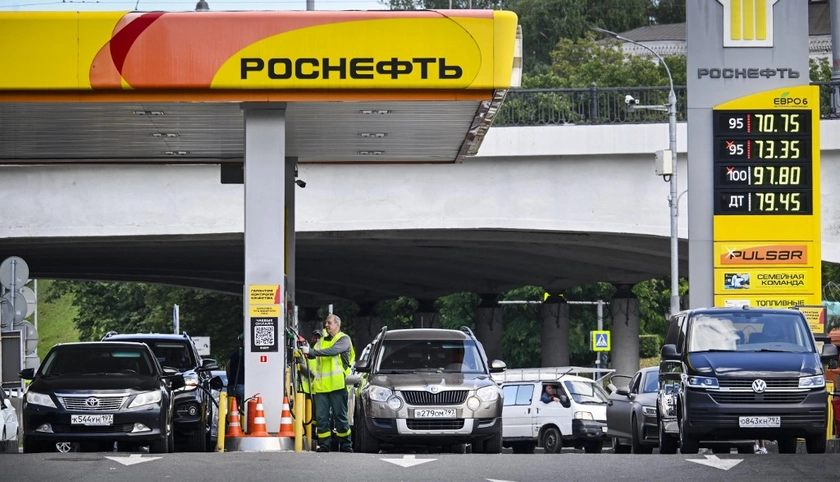
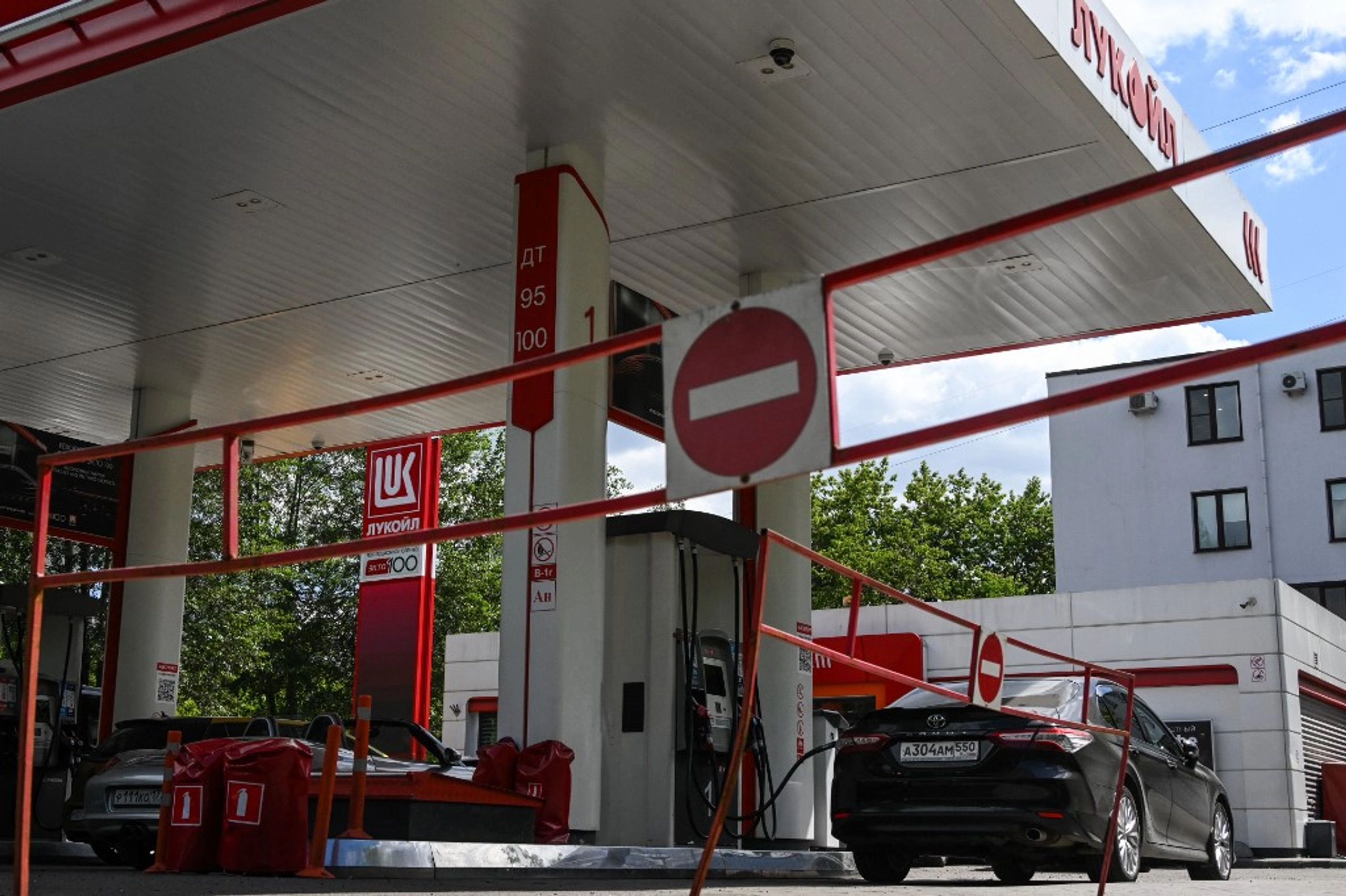
Russia’s fuel shortages have worsened after repeated Ukrainian strikes on the country’s oil refineries and depots, squeezing supplies in oil-rich Russia and leading to restrictions across most regions.
JOIN US ON TELEGRAM
Follow our coverage of the war on the @Kyivpost_official.
Presidential sanctions commissioner Vladyslav Vlasiuk said during the meeting with journalists on Friday that Russia’s exports of petroleum products are already heavily restricted by Western sanctions. Yet its growing reliance on imports has created a new vulnerability that Kyiv wants to target.
“We discussed yesterday with the European Commission the potential response to the fact that Russia has started importing petroleum products from elsewhere,” Vlasiuk said.
Ukraine is exploring what he described as a “sanction-related response” that could make governments reconsider selling fuel to Russia.
“The idea is that if there are some countries which are not really sure whether to export petrol or other products to Russia, then sanction-related discussions might help them decide not to send any petrol or other products to Russia,” he said.
Russia looking for oil importers
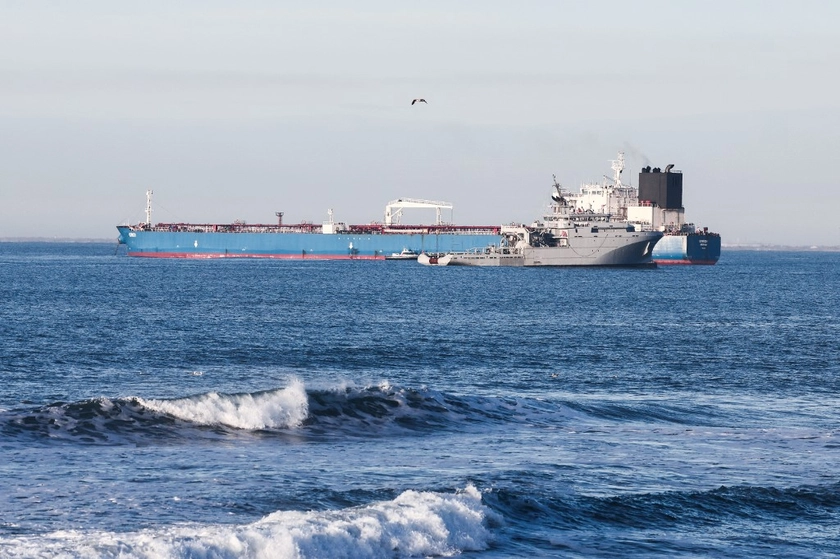
Russia has begun importing gasoline from India by sea, according to Reuters, citing industry and trade sources. At least 60,000 metric tons of gasoline have already been shipped from India to Russia, while two tankers carrying 30,000 to 40,000 tons each were reportedly en route to Russian ports.
Russia’s First 20 Su-35 Warplanes for Iran Ready, Possible 2026 Delivery
Russia has also secured gasoline supplies from Kazakhstan, which agreed to provide about 50,000 tons in July and August to help Moscow ease the shortages.
Russian Deputy Prime Minister Alexander Novak said Sunday that Russia is already importing between 100,000 and 150,000 metric tons of gasoline per month from Belarus.
Vlasiuk said discussions have only recently begun and declined to predict how quickly such measures could be developed.
“I don’t know how quickly this will move, but we’ll see,” he said, adding that work has already begun on the European Union’s 22nd sanctions package.
Reuters estimates Russia’s fuel production fell 25% year-on-year in June and is now running about 20% below domestic demand.
Of Russia’s largest refineries, only the Omsk refinery – with an annual processing capacity of 22 million metric tons – has avoided Ukrainian strikes over the past two months and continues operating at full capacity.
You can also highlight the text and press Ctrl + Enter