The NATO press service has released the official schedule for the upcoming alliance summit, set to take place on July 7 and 8 in the Turkish capital, Ankara, European Pravda reported.
NATO summit in Ankara: official program
The summit will officially commence at 10:00 a.m. local time on July 7 with the Defense Industry Forum. This conference will gather senior NATO officials, member state representatives, partners, and industry leaders to discuss defense innovation and manufacturing. A series of defense cooperation agreements are expected to be announced during this forum.
JOIN US ON TELEGRAM
Follow our coverage of the war on the @Kyivpost_official.
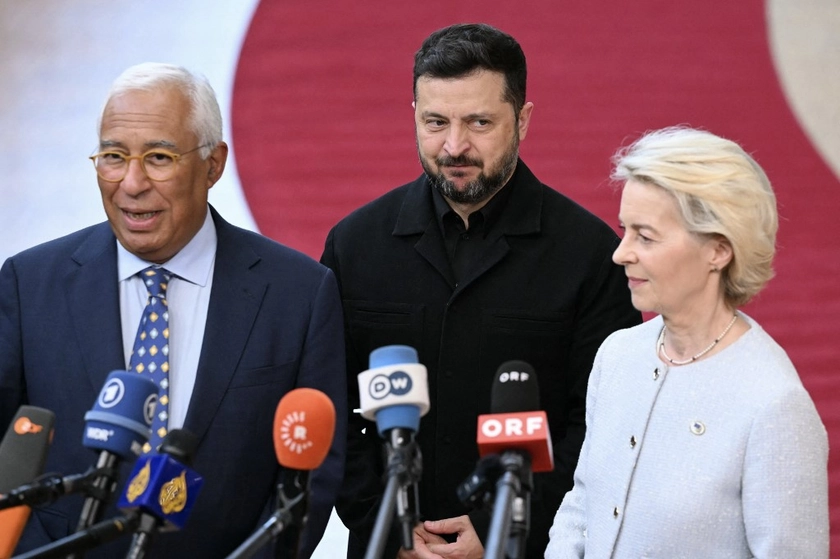
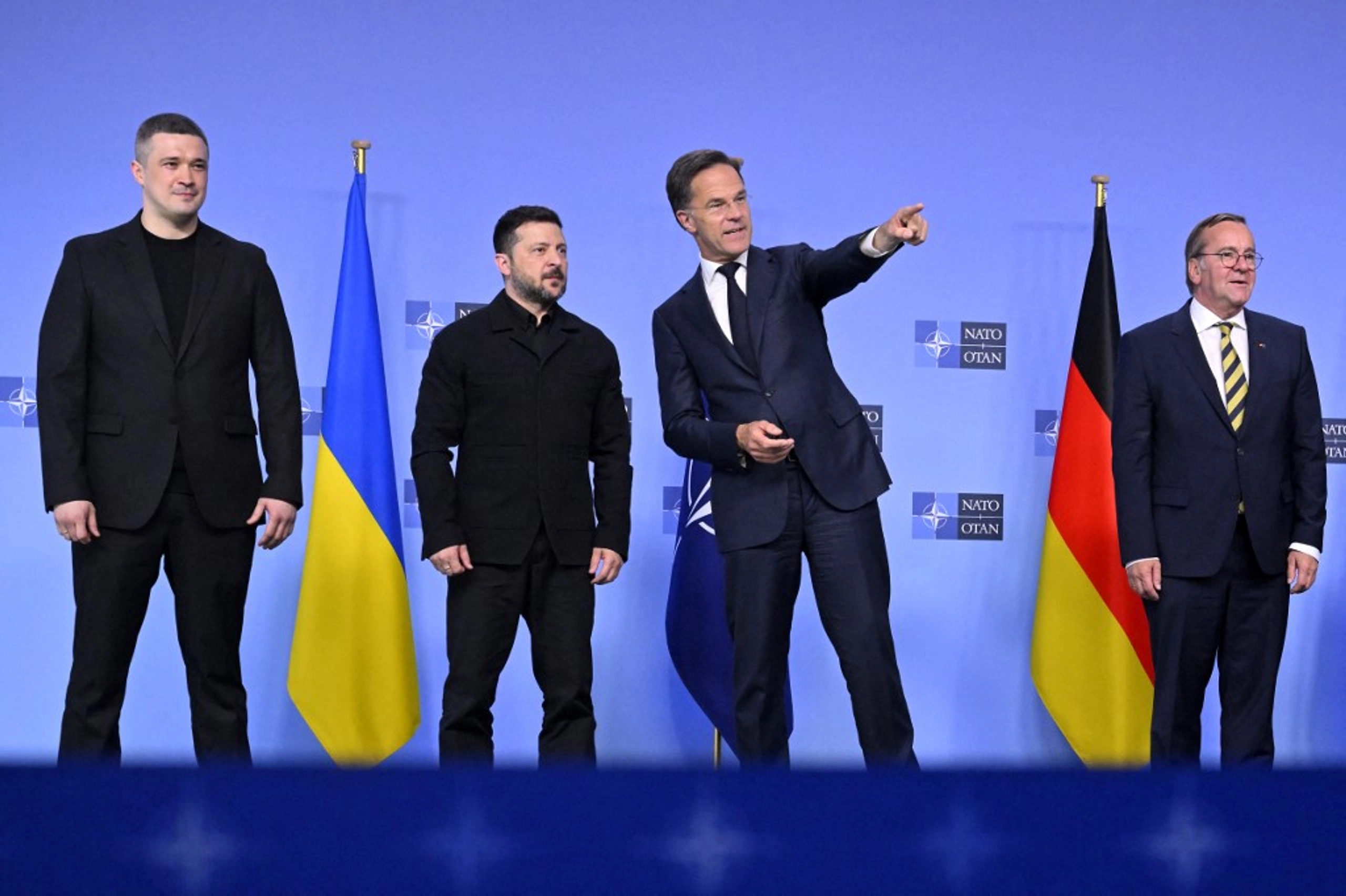
At 2:00 p.m. local time, NATO Secretary General Mark Rutte and President Volodymyr Zelensky, who is leading the Ukrainian delegation, will deliver a brief joint statement.
The evening schedule includes a formal reception and dinner for heads of state and government, which Zelensky is also scheduled to attend. Subsequently, at 7:45 p.m., the NATO-Ukraine Council will convene at the foreign minister level, followed by a meeting of allied defense ministers with counterparts from the Indo-Pacific region, including Japan, South Korea, New Zealand, and Australia.
On the morning of July 8, Rutte and the Turkish president will officially welcome the heads of state and government. The North Atlantic Council will hold its primary session at the leadership level starting at 11:15 a.m. The summit will conclude with a press conference by Rutte at 3:00 p.m. to outline the outcomes and adopted resolutions.
Italy Seeks to Soften Language on 2027 Ukraine Aid Commitment in NATO Summit Draft
Extensive security measures
The lead-up to the summit in Ankara has been characterized by widespread security operations. Turkish authorities have arrested more than 200 individuals, stating the detentions were necessary to prevent protests intended to portray Turkey as a “terrorist state.” Reports indicate the Turkish Presidential Office has also implemented a stringent vetting process for accrediting journalists to cover the event.
The Ankara Governor’s Office issued decrees mandating the closure of major roadways, the temporary suspension of operations for hundreds of local businesses, and the cancellation of dozens of public events.
These measures have drawn criticism from domestic commentators and civil society groups. Former Turkish Ambassador Namık Tan publicly criticized the scale of the restrictions, noting that such extensive domestic lockdowns and mass detentions have no precedent in the alliance’s history.
Local media outlets, including the newspaper Karar, have also criticized the exclusion of journalists from opposition media organizations from the accreditation list.
Geopolitical expectations and burden sharing
Beyond immediate security concerns, the summit is expected to focus heavily on defense spending and transatlantic relations.
European officials are preparing to address US demands for increased financial contributions from European member states. Former EU Commissioner Paolo Gentiloni stated that European nations must use the summit to establish conditions for the alliance’s future structure.
Gentiloni argued that as European states increase their military budgets, they must simultaneously require the US to reaffirm its commitment to the Article 5 mutual defense clause and abandon any position of neutrality regarding the ongoing war in Ukraine.
You can also highlight the text and press Ctrl + Enter