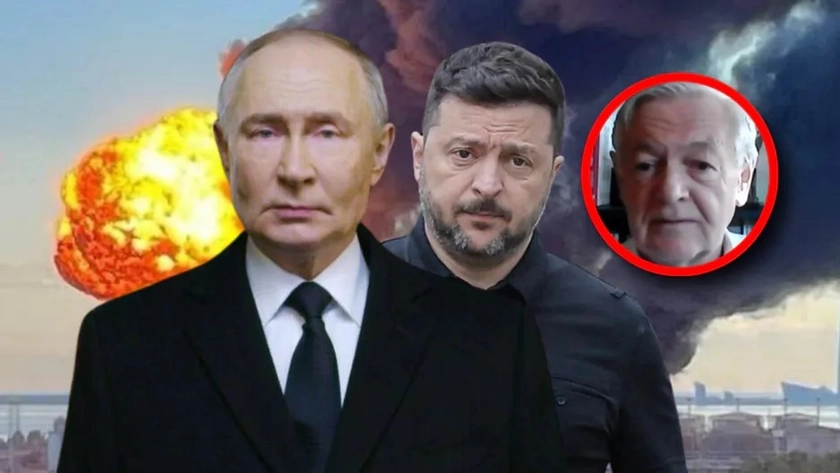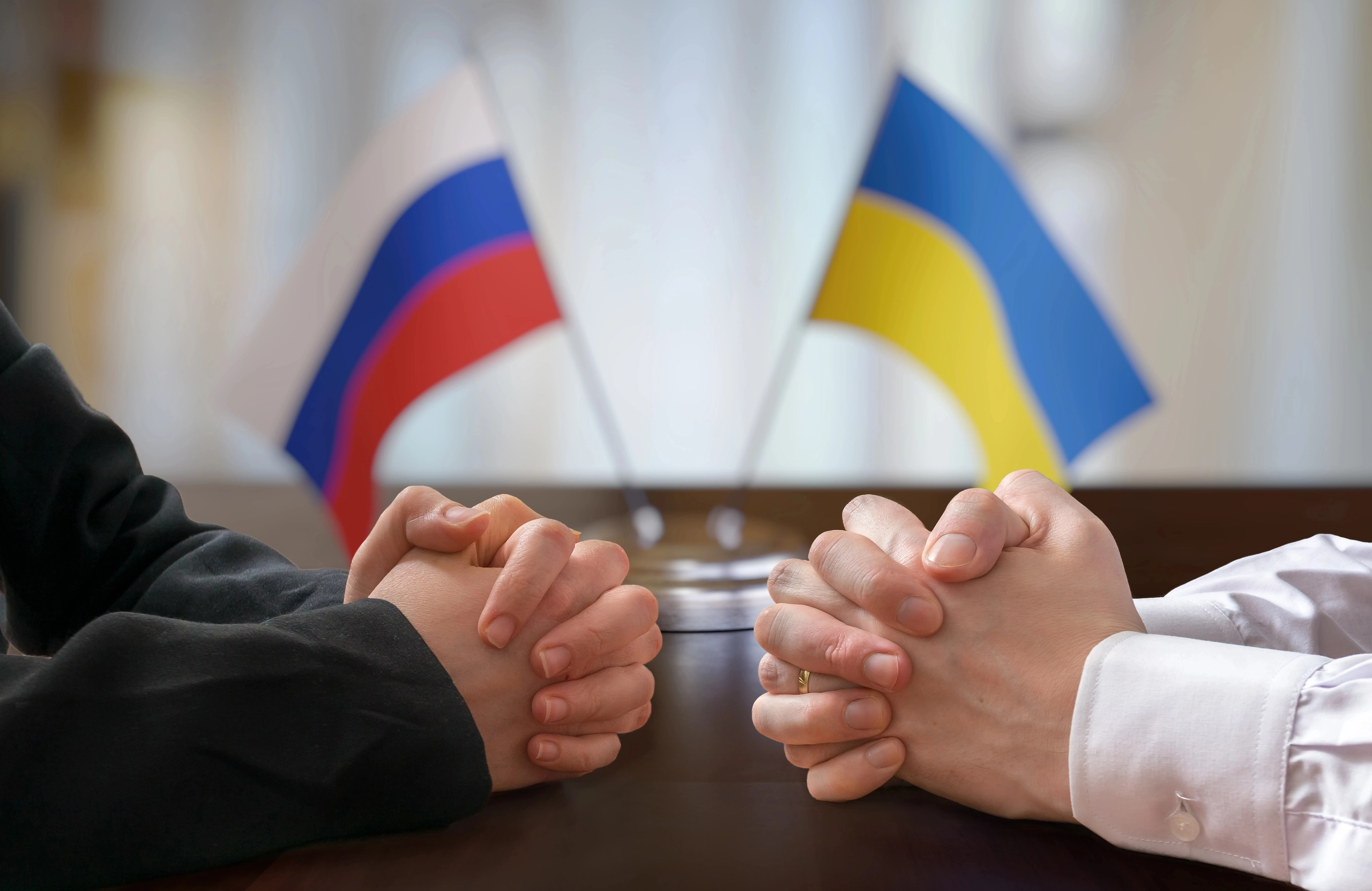
Ukraine and Russia are set to hold their first direct peace talks in over three years on Thursday, in Istanbul, Turkey. But hopes for a major breakthrough are low as the two sides remain deeply divided and Russian President Vladimir Putin has decided not to attend.
Who’s attending?
President Volodymyr Zelensky is attending the talks and had publicly challenged Putin – who initially proposed holding them – to meet him face to face.
JOIN US ON TELEGRAM
Follow our coverage of the war on the @Kyivpost_official.
However, the Kremlin confirmed late Wednesday that Putin would not go, and instead named a lower-level delegation led by Vladimir Medinsky, a hawkish former culture minister and close Putin aide. Medinsky also led the failed negotiations in 2022.
Zelensky called Putin’s absence a sign that Russia is not serious about ending the war. “This is his war,” Zelensky said Tuesday. “Therefore, the negotiations should be with him.”
Mykhailo Podolyak, adviser to the head of Ukraine’s presidential office, said on Tuesday that Zelensky will not meet with anyone from the Russian side in Istanbul except for Russian President Vladimir Putin, since the lower-level talks “would not be meaningful.”
Putin had been under growing international pressure – including from allies like Brazil – to attend. Brazilian President Luiz Inácio Lula da Silva reportedly urged him in a phone call, his office said.
Former Polish Ambassador on Zelensky’s Letter to Putin
US President Donald Trump said Wednesday he would consider attending the talks if Putin did. “If we could end the war, I’d be thinking about that,” he said.
On Thursday, as a Russian delegation arrived in Istanbul for the talks without Vladimir Putin, Trump said he could still travel to Turkey if the first direct peace talks between Russia and Ukraine make progress.
“You know, if something happened, I’d go on Friday,” Trump said in Qatar.
Who else is involved?
The Kremlin’s negotiating team includes:
Vladimir Medinsky – Putin aide and former culture minister
Mikhail Galuzin – Deputy Foreign Minister
Alexander Fomin – Deputy Defense Minister
Igor Kostyukov – Head of Russia’s GRU military intelligence agency
Putin, Foreign Minister Sergei Lavrov, and Kremlin foreign policy aide Yuri Ushakov – who previously led talks with the US – were not included.
Secretary of State Marco Rubio and special envoys Steve Witkoff and Keith Kellogg are expected in Istanbul from the US side.
Rubio arrived in the Turkish city of Antalya late on Wednesday, according to a Kyiv Post reporter traveling with him.
Rubio is attending an informal NATO foreign ministers’ gathering that includes top diplomats from all 32 member states. While the meeting will mainly focus on preparing for the NATO Summit in The Hague this June, ongoing support for Ukraine remains high on the agenda.
Rubio’s first meeting in Antalya was with Ukrainian Foreign Minister Andrii Sybiha. The two discussed coordination ahead of the critical peace talks in Istanbul.
Why Turkey?
Turkey has positioned itself as a neutral mediator since the beginning of the full-scale invasion. It has strong relations with both Ukraine and Russia and previously hosted failed peace talks in March 2022.
Turkish President Recep Tayyip Erdoğan called the current moment a “historic turning point” and offered to host negotiations once again.
Where do both sides stand?
Despite the talks, the gap between Ukraine and Russia remains wide.
Territory:
Russia wants to retain full control over the four Ukrainian regions it claimed to have annexed through illegal referendums in 2022. Moscow is also demanding that Ukraine withdraw from the parts of those regions it still controls – specifically, large areas in Kherson and Zaporizhzhia.
In late 2022, Russia declared the annexation of Donetsk, Luhansk, Kherson, and Zaporizhzhia following referendums held in occupied territories. These votes were widely condemned by Kyiv and Western governments as violations of international law.
Currently, Russia holds nearly all of the Luhansk region and much of the Donetsk region.
However, Ukraine has rejected any settlement based on the surrender of its territory, and Western officials have repeatedly dismissed Russia’s demands as unacceptable.
No NATO and “Demilitarization“
Russia wants Ukraine permanently barred from joining NATO and has pushed for Zelensky’s removal. Putin has even suggested placing Ukraine under a temporary UN administration.
Other Russian demands include the demilitarization and so-called “denazification” of Ukraine, a term Russia uses to justify its invasion.
Moscow’s demands also include the lifting of Western sanctions and arrest warrants against Russian officials, as well as the return of Russian assets frozen overseas.
Security Guarantees:
Zelensky is seeking long-term security guarantees, including either NATO membership or a similar military commitment from Western allies. Trump has rejected Ukraine joining NATO, while Russia says it is completely unacceptable.
Some NATO countries, including France and the UK, are discussing a multinational force to oversee any future ceasefire. Kyiv wants US backing for any agreement. Russia has said that no NATO troops would be allowed on Ukrainian soil under any conditions it would accept.
Ceasefire:
Zelensky accepted a US-backed proposal for a 30-day unconditional ceasefire in March, but Putin rejected it. Russia has since offered short-term truces during holidays, which Ukraine claims were frequently violated.
Fighting continues across Ukraine. On Wednesday, a Russian missile strike killed at least three people in the northeastern city of Sumy, Ukrainian officials said.
What’s next?
Zelensky has warned that Putin’s no-show should trigger massive Western sanctions and more military support for Ukraine. He said Ukraine would decide its next steps based on who shows up for Russia.
French President Emmanuel Macron and German Chancellor Friedrich Merz have both warned that if no progress is made in Istanbul, new sanctions will follow. Merz emphasized that there should be no “dictated peace” from Moscow and urged Western unity.
The European Union has already passed new sanctions targeting Russia’s shadow oil fleet. In March, Trump proposed imposing tariffs on Russian oil exports, and US Senator Lindsey Graham pushed for a 500% tariff on imports from countries that keep buying Russian energy.
Despite the renewed diplomatic push, there are still few signs either side is ready to make major concessions. The world will be watching closely to see whether these talks bring the Russian war against Ukraine any closer to an end.
You can also highlight the text and press Ctrl + Enter