European Union countries on Friday approved a new package of sanctions against Russia over its ongoing war in Ukraine, including a sharper limit on Moscow’s oil revenue and new restrictions targeting its financial and energy sectors, EU officials said.
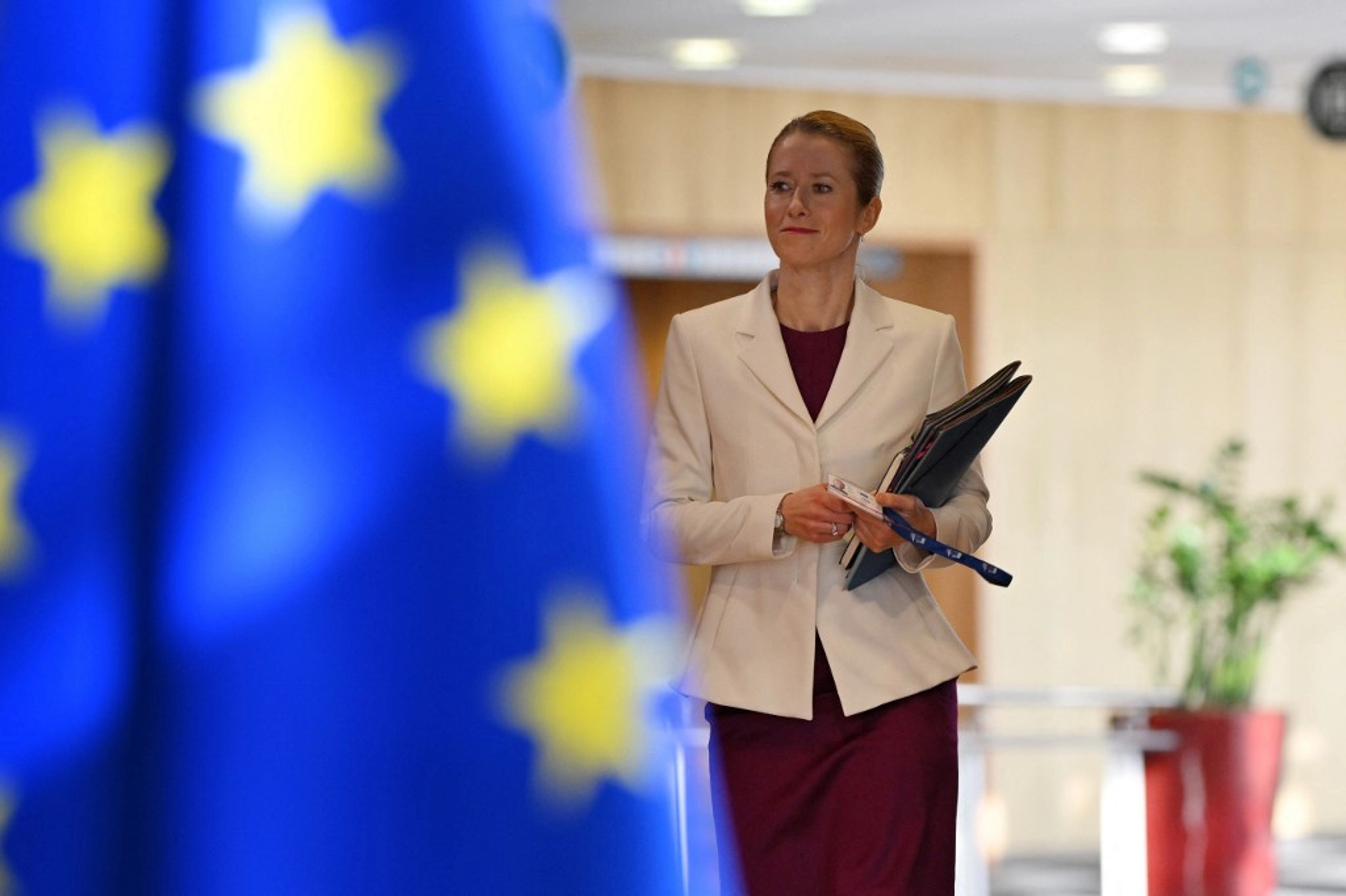
“The EU just approved one of its strongest sanctions packages against Russia to date,” said EU foreign policy chief Kaja Kallas.
JOIN US ON TELEGRAM
Follow our coverage of the war on the @Kyivpost_official.
The 18th round of sanctions since Russia’s full-scale invasion of Ukraine in 2022 includes lowering the price cap on Russian oil exports from $60 to $45 per barrel. EU officials are also discussing the introduction of a floating oil price cap – set at 15% below the average market price over the previous three months – to reduce Russia’s energy profits more effectively.
The new package bans transactions with Russian gas infrastructure, including the Nord Stream pipelines, and targets banks suspected of helping Russia circumvent existing sanctions. The measures also include sanctions against more than 30 individuals and entities, as well as two Chinese banks that have conducted trade with Russia.
Additionally, the EU plans to disconnect 22 Russian credit institutions from the SWIFT international banking system, and may blacklist 77 tankers belonging to the so-called “shadow fleet” – vessels used by Russia to dodge oil sanctions.
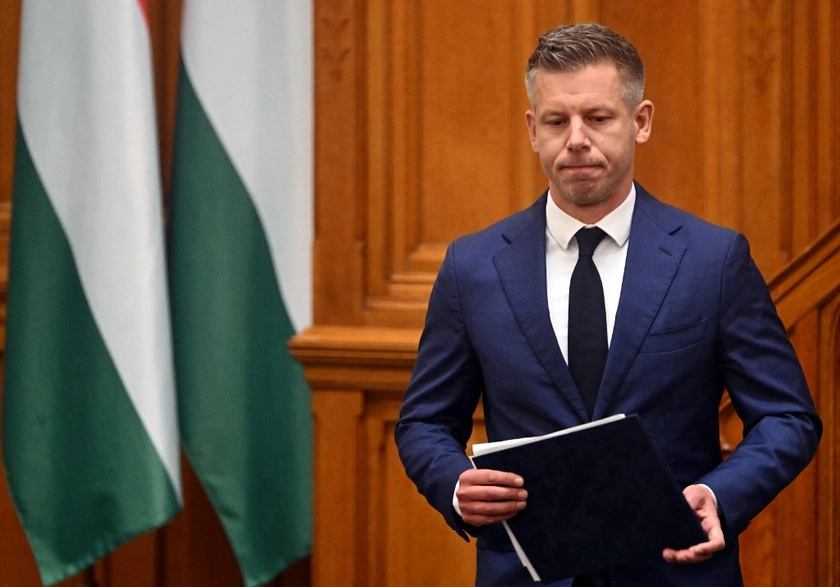
The latest measures were delayed for weeks due to objections from Slovakia and Hungary, both of which are heavily reliant on Russian energy. The breakthrough came after Slovakia reached an agreement with Brussels on phasing out Russian gas.
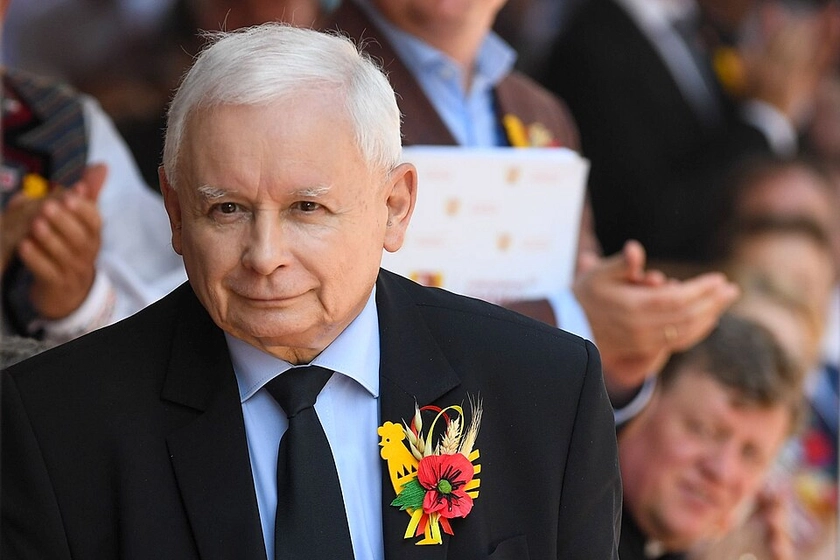
Polish Opposition Leader to Return Ukrainian Order, Calls for EU Accession Block
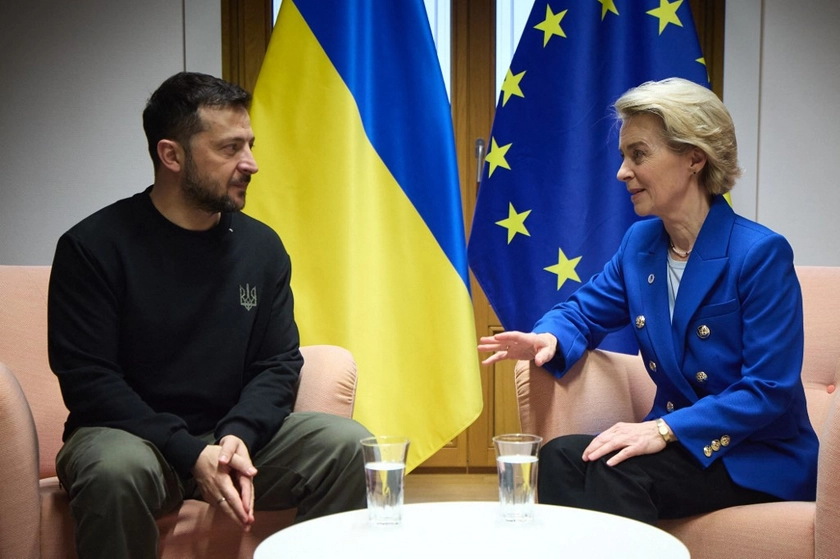
According to Slovak news outlet SME, Prime Minister Robert Fico dropped his opposition after negotiations with European Commission President Ursula von der Leyen, during which he secured guarantees on gas pricing for Slovakia.
“At this stage, it is already counterproductive to continue blocking the 18th package of sanctions. All possible options have been exhausted, and maintaining our position on blocking may harm our own interests,” Fico said.
Fico remains a vocal critic of the EU’s REPowerEU plan, which aims to end Russian gas imports by 2028. In a letter to Kallas posted on social media platform X on Wednesday, he said Slovakia “will never support REPowerEU in gas supplies,” warning the plan would damage Slovak households and the economy. He insisted Slovakia must be allowed to fulfill its gas and pipeline contracts through 2034.
Meanwhile, Malta also raised concerns over the new sanctions, fearing that stricter oil measures could harm its maritime economy, which depends in part on Russian oil. The Times of Malta reported that officials in Valletta pushed for last-minute revisions before supporting the package. A deal appeared to be reached late Wednesday.
Hungary, a consistent critic of sanctions on Russia, also withdrew its objections in recent days, paving the way for Friday’s approval.
The EU said the new measures aim to further weaken Russia’s ability to finance its war in Ukraine and speed Europe’s transition to renewable energy.
You can also highlight the text and press Ctrl + Enter